In the realm of industrial operations, overhead cranes stand as indispensable workhorses, streamlining material handling, boosting productivity, and ensuring operational efficiency across sectors like manufacturing, warehousing, construction, and logistics. When it comes to acquiring an overhead crane, one of the first and most critical steps is to request overhead crane quote effectively. A well-prepared quote request not only helps you get accurate, competitive pricing but also lays the foundation for a successful procurement process—avoiding costly misunderstandings, delays, or subpar equipment that fails to meet your operational needs.
If you’re new to requesting an overhead crane quote, or if you’ve had challenges with vague quotes or unmet expectations in the past, this guide is for you. We’ll break down the key steps to prepare, draft, and submit a quote request that gets you the information you need to make an informed decision.
Why a Strategic Approach to Requesting Overhead Crane Quote Matters
Before diving into the “how,” let’s clarify the “why.” An overhead crane is a significant investment—one that impacts your operations for years to come. A haphazard quote request can lead to:
- 1. Inaccurate pricing that doesn’t account for your specific requirements (e.g., load capacity, span, environment).
- 2. Missed critical features (e.g., safety systems, automation, maintenance support) that are essential for your workflow.
- 3. Lengthy back-and-forth with suppliers, delaying your procurement timeline.
- 4. Comparing apples to oranges when evaluating multiple quotes, making it hard to identify the best value.
By taking the time to craft a clear, detailed quote request, you empower suppliers to provide precise, tailored proposals—saving you time, money, and frustration in the long run.
Key Preparations Before You Request Overhead Crane Quote
The success of your quote request starts with internal preparation. Before reaching out to suppliers, gather the following critical information about your needs. The more specific you are, the more accurate the quote will be.
Define Core Crane Specifications
These are non-negotiable details that dictate the crane’s design and functionality. Be sure to include:
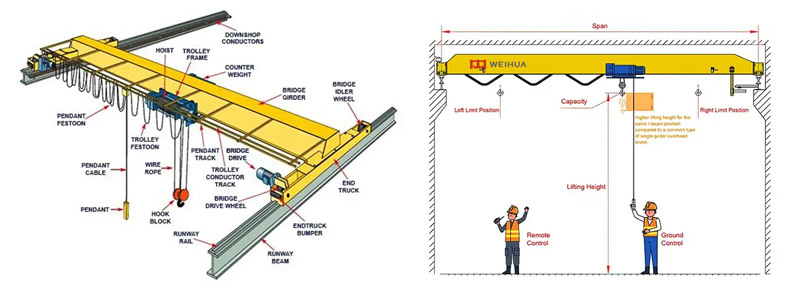
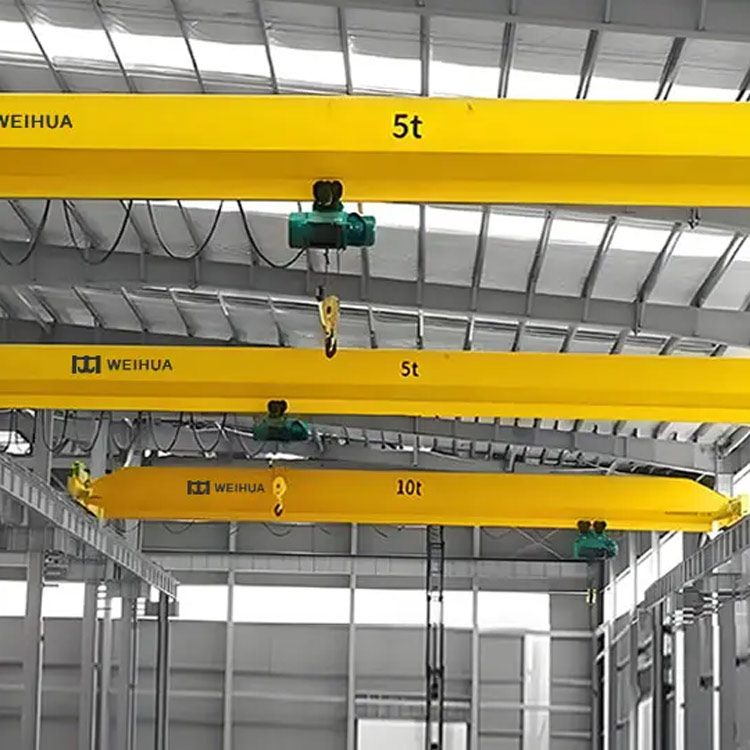
- 1. Load Capacity: The maximum weight the crane needs to lift (e.g., 5 tons overhead crane, 20 tons overhead crane, 50 tons overhead crane). Include any special lifting requirements, such as fragile loads or uneven weight distribution.
- 2. Span Length: The distance between the two runways (the horizontal distance the crane travels). Measure this accurately—even a small miscalculation can render the crane unusable.
- 3. Lifting Height: The vertical distance from the floor to the highest point the load needs to be lifted. Account for any obstacles (e.g., beams, pipes) in the workspace.
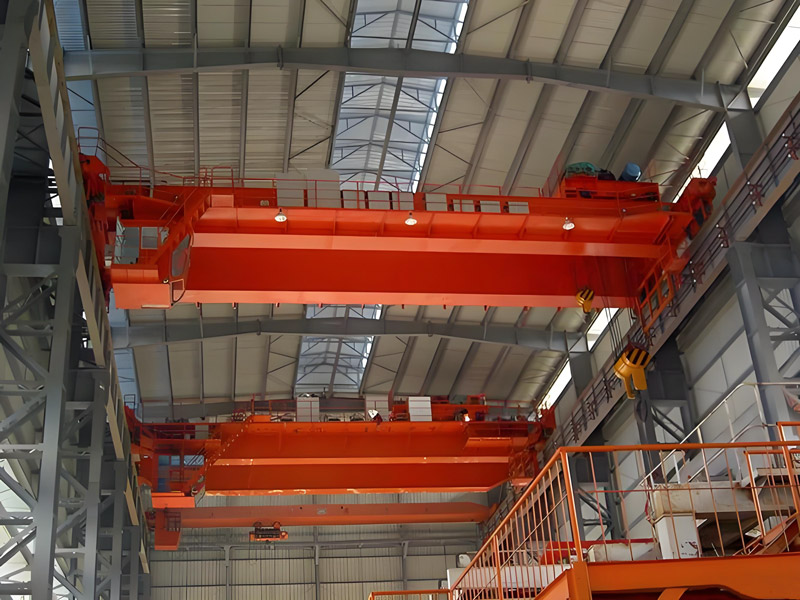
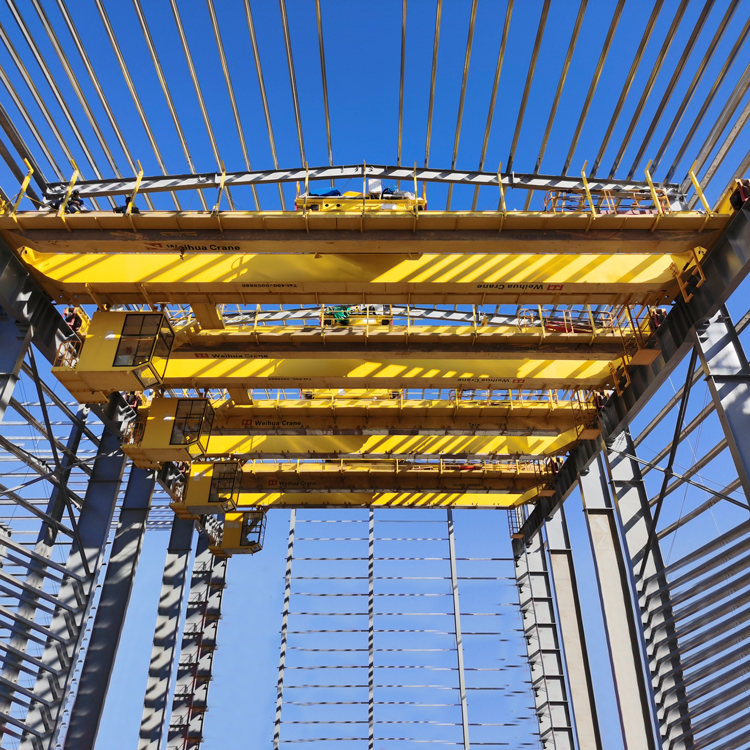
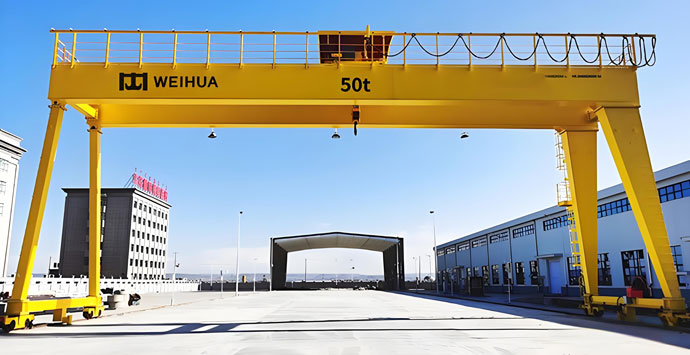
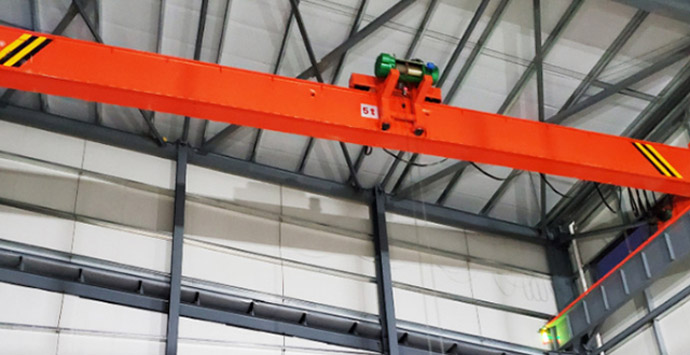
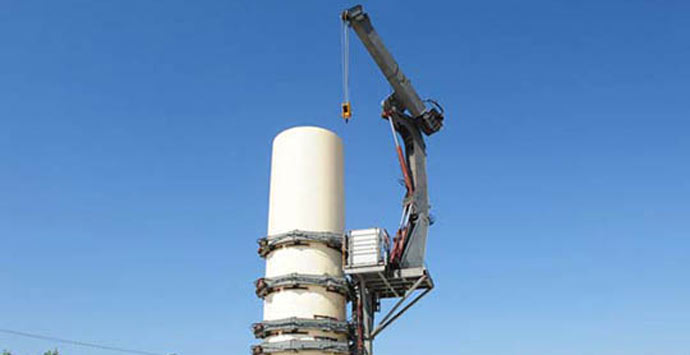
- 4. Crane Type: Specify the type of overhead crane you need (e.g., bridge crane, gantry crane, jib crane, monorail crane). Each type is designed for different applications—e.g., gantry cranes are ideal for outdoor use, while jib cranes are suited for small, localized lifting.
- 5. Operating Environment: Will the crane be used indoors or outdoors? Is the environment corrosive (e.g., near saltwater or chemicals), dusty (e.g., construction sites), or high-temperature (e.g., foundries)? These factors impact material selection (e.g., stainless steel vs. carbon steel) and protective features.
Outline Operational & Safety Requirements
Safety is paramount in overhead crane operations, and regulatory compliance varies by region (e.g., OSHA in the U.S., CE in the EU). Include these details in your quote request:
- 1. Safety Features: Mandatory or desired safety components (e.g., overload protection, emergency stop buttons, anti-collision systems, limit switches, warning lights/alarms).
- 2. Control System: How will the crane be operated? Options include pendant controls, remote controls, or cabin controls. Specify your preference based on operator comfort and workflow efficiency.
- 3. Compliance Standards: List any relevant industry standards or certifications the crane must meet (e.g., OSHA 1910.179, CMAA, ISO).
Clarify Project Timeline & Budget Constraints
Suppliers need to know your timeline to assess feasibility and prioritize your order. Include:
- 1. Installation Deadline: When do you need the crane fully installed and operational?
- 2. Lead Time Expectations: Are there any urgent needs that require expedited manufacturing or delivery?
- 3. Budget Range (Optional): Providing a budget range can help suppliers tailor their proposals to your financial constraints, avoiding quotes that are too high or too low.
Identify Additional Services
Beyond the crane itself, you may need supplementary services. Be sure to list these to get a comprehensive quote:
- 1. Installation and commissioning.
- 2. Operator training for your team.
- 3. Maintenance and repair plans (short-term or long-term).
- 4. Spare parts kits.
- 5. Permitting assistance (to comply with local regulations).
How to Draft an Effective Overhead Crane Quote Request
Now that you’ve gathered all the necessary information, it’s time to draft the quote request. Keep the tone professional and clear, and organize the information in a logical structure so suppliers can easily find and respond to key details.
1. Start with a Clear Introduction
Begin by introducing your company, your industry, and the purpose of the quote request. For example:
“Dear [Supplier Name], We are [Your Company Name], a leading [industry, e.g., automotive manufacturer] based in [location]. We are seeking quotes for the supply, installation, and commissioning of an overhead crane to support our material handling operations in [specific facility/area]. Please find below our detailed requirements for your review and quotation.”
2. Organize Requirements into Sections
Use headings and bullet points to organize the information you gathered earlier (core specifications, safety requirements, timeline, services). This makes the request scannable and reduces the risk of suppliers missing critical details.
3. Include Submission Guidelines
Specify how and when you want suppliers to submit their quotes. For example:
- Deadline for quote submission (e.g., “Quotes must be received by [date] at [time]”).
- Preferred submission method (e.g., email to [contact email], online portal).
- Required format (e.g., PDF, Excel) and information to include (e.g., total cost, breakdown of costs, lead time, warranty details, references).
- Contact person for questions (name, title, email, phone number).
4. Add a Closing Note
End with a polite closing that invites suppliers to reach out with questions and expresses your expectation for a detailed, competitive quote. For example:
“Please ensure your quote addresses all the requirements outlined above. Should you have any questions or need additional clarification, please contact [contact person] at [email/phone] by [date]. We look forward to reviewing your proposal and potentially establishing a long-term partnership with a reliable supplier.”
Tips for Choosing the Right Supplier & Evaluating Quotes
Once you receive quotes, resist the urge to choose the lowest price immediately. Instead, evaluate each proposal holistically based on the following factors:
- 1. Compliance with Requirements: Does the quote fully meet your specifications, safety standards, and timeline?
- 2. Quality & Reliability: Research the supplier’s reputation—check reviews, references, and certifications. A slightly higher price from a reputable supplier with a track record of quality and on-time delivery may be worth the investment.
- 3. Cost Breakdown: Look beyond the total cost to understand the breakdown (e.g., crane cost, installation cost, training cost). This helps you identify areas where you can negotiate or adjust requirements.
- 4. Warranty & After-Sales Support: What is the warranty period? Does the supplier offer ongoing maintenance and support? This is critical for minimizing downtime and extending the crane’s lifespan.
- 5. Transparency: Is the supplier responsive to your questions? Do they provide clear, detailed information about their products and services?
Final Thoughts: Mastering the Art of Requesting Overhead Crane Quote
Requesting an overhead crane quote isn’t just about asking for a price—it’s about communicating your needs clearly, setting expectations, and laying the groundwork for a successful procurement process. By taking the time to prepare detailed specifications, organize your request logically, and evaluate quotes holistically, you’ll be able to find a high-quality overhead crane that meets your operational needs and offers the best value for your investment.
Remember, the goal is to build a partnership with a supplier who understands your industry and can support you beyond the initial purchase. A well-crafted quote request is the first step toward that partnership.
Ready to start drafting your quote request? Use the guidelines above to ensure you don’t miss any critical details—and feel free to reach out to industry experts if you need help refining your specifications.





Latest Comments