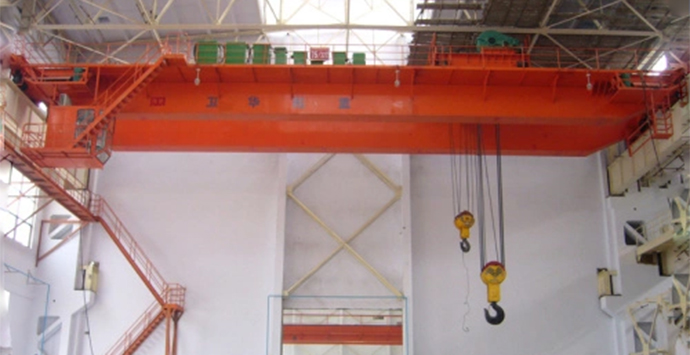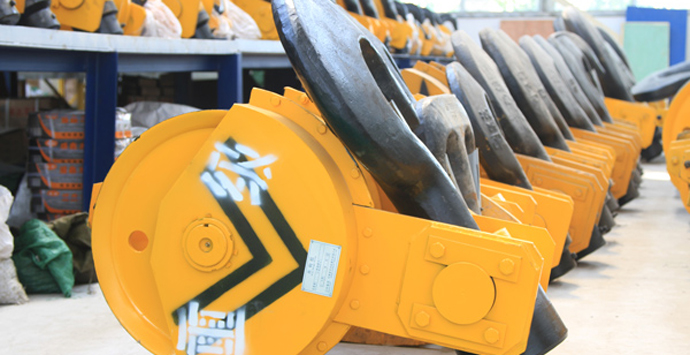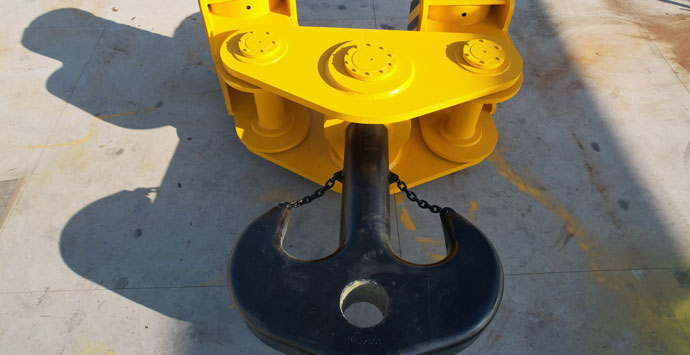
Home » Blog » How to straighten bent crane hook?

How to straighten bent crane hook?

2025-09-02

If you’ve discovered a bent crane hook on your equipment, your first instinct might be to find a way to bend it back. It’s a natural reaction—to fix what’s broken. However, when it comes to crane hooks, which are critical load-bearing components, this approach is not only incorrect but extremely dangerous.

A bent hook is a compromised hook. This blog post will explain why straightening it is rarely the right answer and outline the only safe, professional procedures that should be followed.

Crane hooks are manufactured from high-strength alloy steel and are heat-treated to achieve a specific hardness, toughness, and ductility. Applying force—especially heat—to bend it back alters its metallurgical properties in an uncontrolled way.
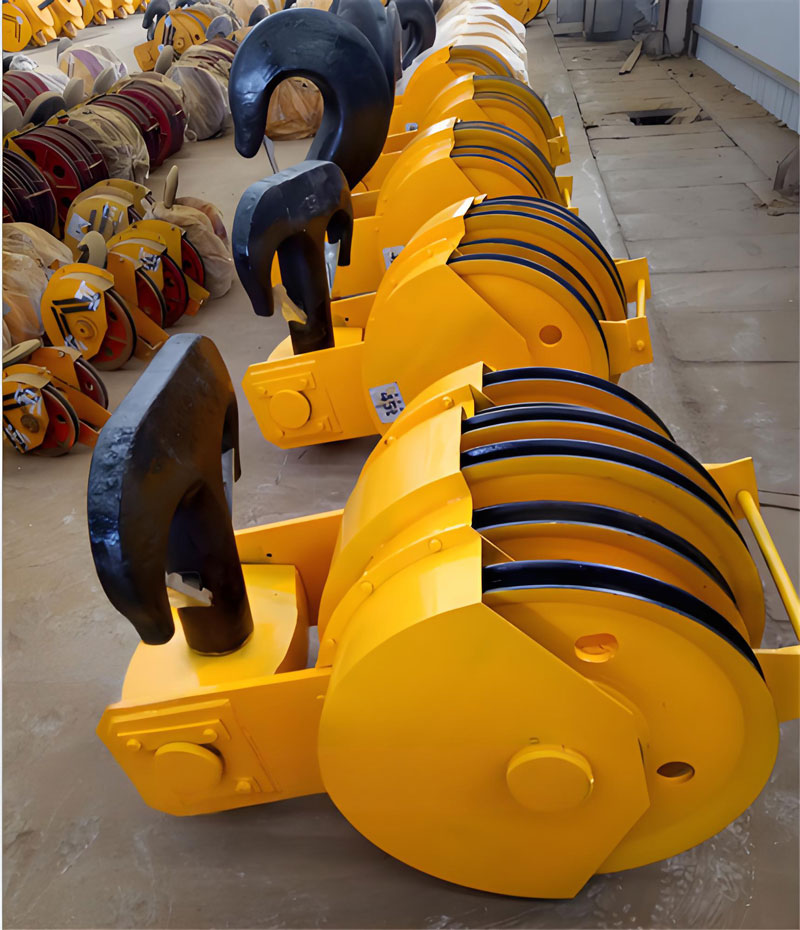
How to straighten bent crane hook?

The golden rule is this: A bent hook is a damaged hook. Under no circumstances should a bent hook be straightened and returned to service without a rigorous and authorized inspection process.

The Only Acceptable Procedure: Inspection and Certification

So, what should you do instead? Follow these steps:

Step 1: Immediate Removal from Service

As soon as a bent hook is identified, the crane must be taken out of operation. Tag it out with a clear “DO NOT USE” or “DEFECTIVE” tag to prevent accidental use. The safety of personnel depends on this immediate action.

Step 2: Professional Assessment by a Competent Person

A “competent person” (as defined by OSHA and other safety standards) must inspect the hook. This is not a simple visual check. The inspector will:

Step 3: The “Repair” Decision – Replacement is King

In 99% of cases, the only safe solution is replacement. Hooks are not typically expensive when compared to the risk of a failed lift, which could result in injury, death, and massive property damage. Source a new hook that meets or exceeds the original manufacturer’s specifications.
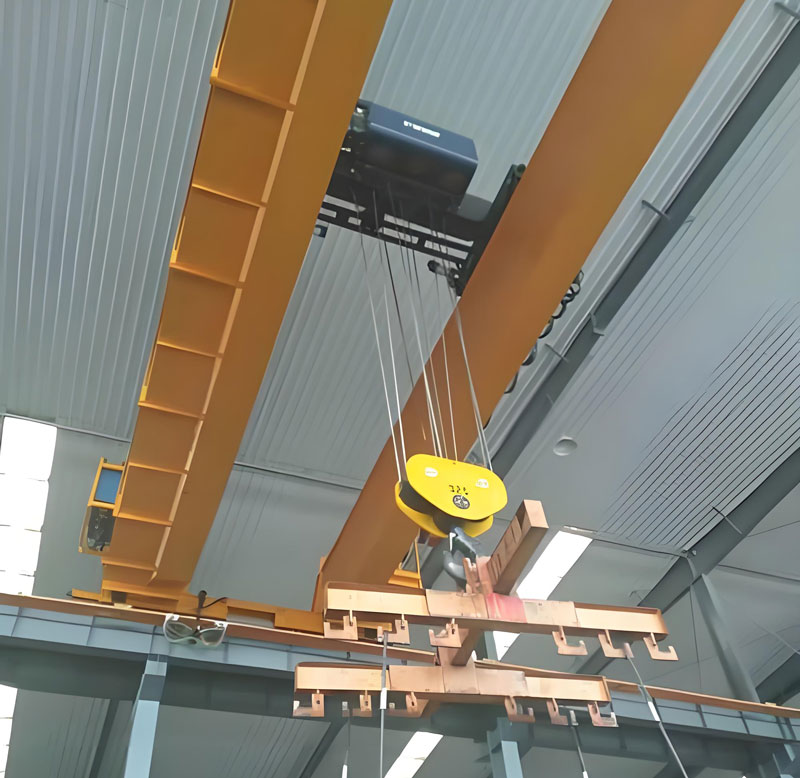
How to straighten bent crane hook?

Can a Hook Ever Be Straightened? The Rare Exception

The possibility of straightening a hook is an extremely rare exception, not the rule. It can only be considered if:

For virtually all companies and sites, attempting this in-house is not a viable or safe option.
How to straighten bent crane hook?

Conclusion: Replace, Don’t Repair

The message is simple and must be non-negotiable: If your crane hook is bent, replace it.

Trying to straighten a crane hook is a gamble with the highest possible stakes. The integrity of your lifting equipment is the last line of defense against a tragic accident. Prioritize safety, follow established protocols, and always err on the side of caution. A new hook is a low cost compared to the value of safety and peace of mind.

Prev Article:
Next Article:

Get Solution & Price Right Now!

We value your feedback! Please complete the form below so that we can tailor our services to your specific needs.


Name:
* Email:
Whatsapp / Phone Number:
Project Location:
* Message:

Latest Comments

Hubert Patino Said:
Dear Weihua Cranes, greetings on behalf of GPANTEC SAC, located in Lima, Peru. We would like to request a quote for a 12-ton snatch block manufactured by you. The product reference code or serial number for the overhead crane is 110220.075, and the snatch block model is 12/2t-40M. An image of the snatch block we are requesting is attached. The quantity requested is one kit. We look forward to your kind attention. Sincerely.
La grange Said:
Dear Sir or Madam, We are currently looking for a supplier for an enclosed conductor rail system for electric chain hoists operating on monorail tracks. Please provide your quotation for the following requirement: Project Scope Quantity: 8 independent lines Length: 80 meters per line Total length: 640 meters Electrical Requirements Supply voltage: 400 VAC Frequency: 50 Hz Number of poles: 4 Rated current: minimum 40 A Application Electric chain hoist Safe Working Load (SWL): 2,500 kg One hoist per line Outdoor industrial installation Protection Requirements Minimum protection class: IP43 Preferred protection class: IP54 or higher Please include in your offer Conductor rails Power feed sections Joint assemblies End caps Hangers and support brackets Current collectors Expansion sections if required Complete accessory list Documentation Required Technical datasheets. Written confirmation of the IP protection rating of the complete system. Test certificates or laboratory reports demonstrating compliance with IP43/IP54 requirements. Installation references for similar crane, monorail, or hoist applications. Please also indicate: Delivery time. Country of manufacture. Warranty period. Incoterms. Price breakdown per line and for the complete project. Thanks in advance, La grange Cédric
HESHAM M FARGHALY Said:
Dear Sir Please send your quot. For the following hook block: Hook block 45 tons Application: over head travelling crane Hook block type - four sheaves Hook type: Forged crane hook . Capacity: 45 metric tons (SWL) Configuration: Single shank - swivel Design standard: EN 13001‑3‑5 Material: Forged alloy steel (Q&T) Safety factor: ≥ 4:1 Certification: EN / CE / 3.1 material certificate SIMILAR TO ATTACHED DRAWING (i shall send it to email info@craneihua.com) N.B. 1-Price: net - ex-work 2- shipping weight & dimensions. 3- test certificate 4- certificate of origin
Joseph Ainoo Said:
Please I need the electrical circuit diagram for the 3tons overhead crane (weihua) no. 2000266711
byeong ho yoo Said:
Good afternoon, Dear, I would like to ask to you quotation for as below, 1. Heavy duty steel wheel 2. Size: 300mm OD x 80mm thickness x 50mm shaft hole 3.Material: mild steel 4. Required quantity: 192ea This requestions is for the investment plan. Please me know your estimate price Regards B.H.YOO

Related cases

WhatsApp

Contact Us

Click the button to get product information and quotes on WhatsApp.

GET QUOTE
Whatsapp
Inquiry