
Menu điều hướng

Overhead cranes are the workhorses of industrial facilities, enabling the efficient movement of heavy loads across warehouses, nhà máy sản xuất, và các công trường xây dựng. While their mechanical components are crucial, the electrical system serves as the “nervous system” that controls every movement—from lifting and lowering to traversing and slewing. Proper electrical installation and commissioning are not just about ensuring functionality; they are the cornerstone of safety, độ tin cậy, và hiệu suất lâu dài. Trong blog này, we’ll dive into the key aspects of this process, highlighting best practices, critical steps, and why cutting corners here is never an option.
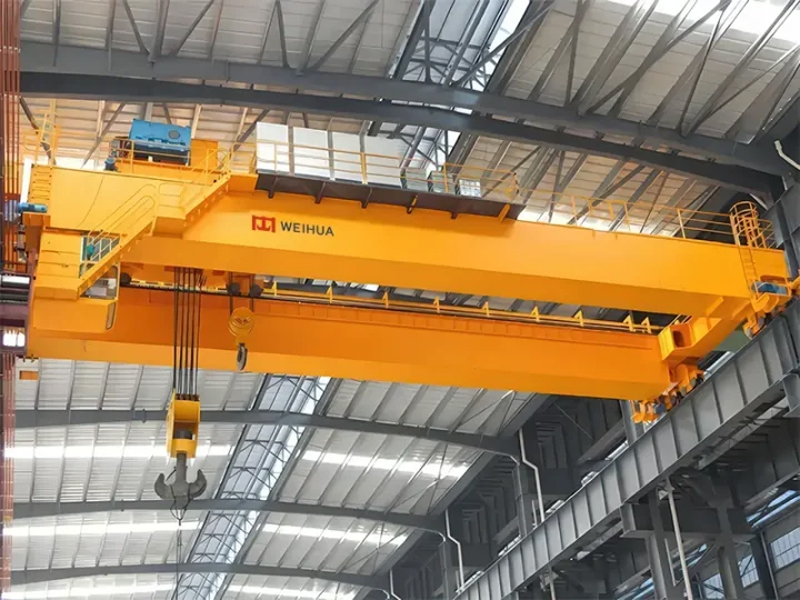
The electrical system of an overhead crane is responsible for powering motors, transmitting control signals, and ensuring safe operation. A faulty installation can lead to catastrophic consequences—from sudden load drops and equipment breakdowns to electrical fires or operator injuries. According to industry data, over 30% of crane-related accidents stem from electrical system failures, underscoring the importance of getting this process right the first time.
Beyond safety, proper installation and commissioning directly impact the crane’s lifespan and operational efficiency. A well-installed electrical system minimizes downtime, reduces maintenance costs, and ensures smooth, precise load handling—all of which contribute to better productivity in your facility.
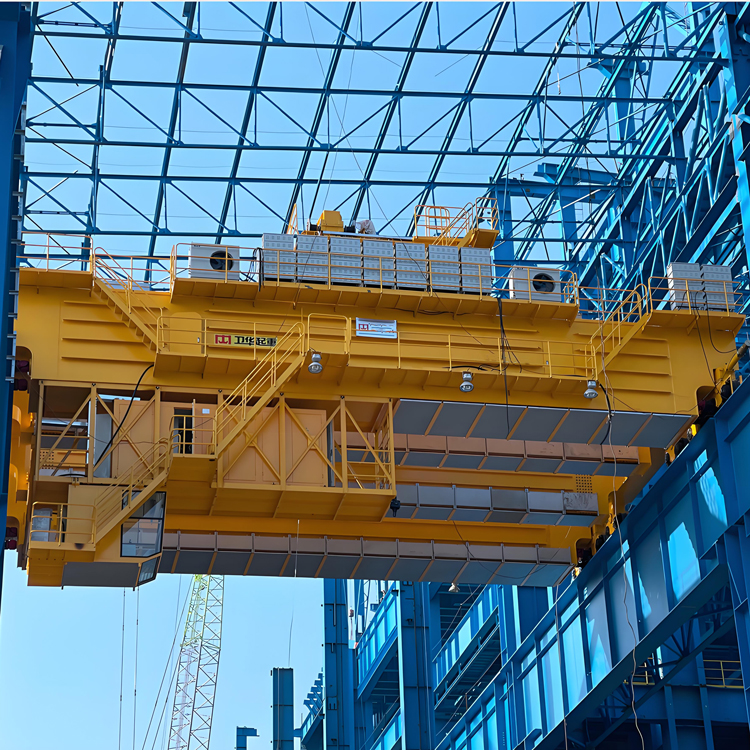
Before any wires are connected, thorough planning is essential. This includes reviewing the crane’s electrical schematic diagrams, verifying compatibility between components (chẳng hạn như động cơ, VFD, and control panels), and ensuring compliance with local safety standards (VÍ DỤ., IEC 60204, OSHA 1910.179). It’s also crucial to assess the site’s power supply—checking voltage stability, ampacity, and grounding to ensure it can support the crane’s electrical demands.
Wiring is a meticulous task that requires precision. All electrical cables must be rated for the crane’s operating environment (VÍ DỤ., heat, Độ ẩm, or dust) and properly routed to avoid damage from moving parts. Key components like control panels, công tắc giới hạn (which prevent overtravel or overloading), and contactors should be mounted securely in accessible locations for future maintenance. Grounding is another non-negotiable step—proper grounding protects against electrical shocks and ensures stable operation of sensitive electronics like PLCs.
Modern overhead cranes often use PLC (Bộ điều khiển logic lập trình) or VFD-based control systems for enhanced precision and efficiency. During installation, these systems must be integrated seamlessly with the crane’s motors and sensors. VFD, Ví dụ, allow for smooth acceleration and deceleration, reducing mechanical stress on the crane and improving load control. Programming the PLC to match the crane’s operational requirements—such as speed limits and safety interlocks—requires specialized expertise.
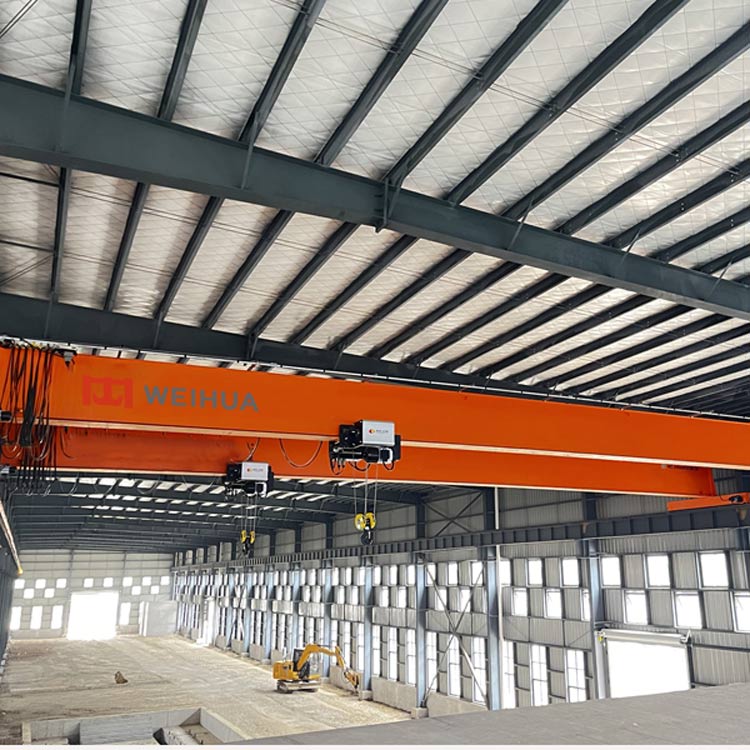
Commissioning is the final phase where the electrical system is tested, đã hiệu chuẩn, and validated to ensure it meets design specifications. This process typically involves several key steps:
Safety should be the top priority throughout installation and commissioning. Here are some must-follow practices:
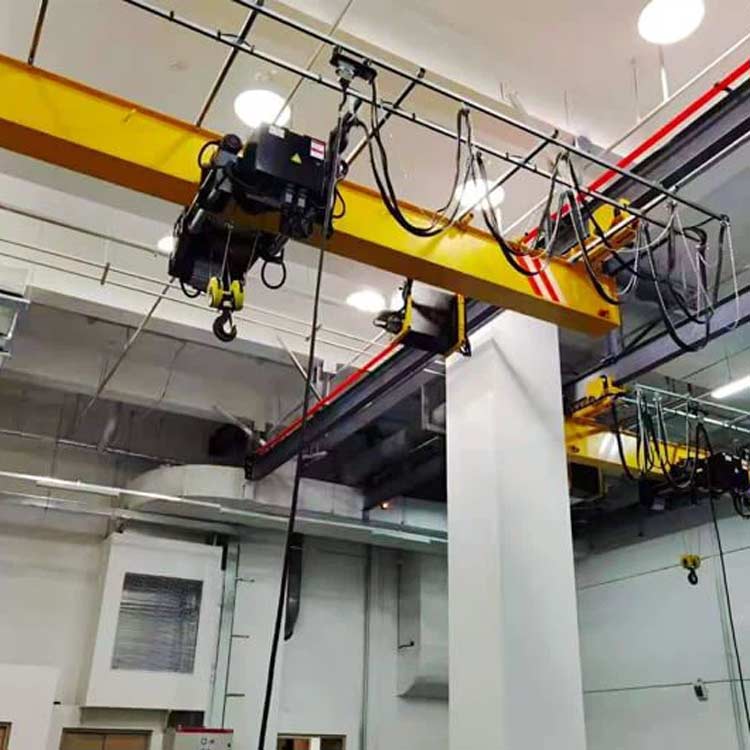
The future of overhead crane electrical systems is leaning toward smart technology. IoT-enabled sensors are being integrated into electrical systems to monitor real-time performance—tracking motor temperature, current draw, and control panel status. This data allows for predictive maintenance, where potential issues are identified before they lead to downtime. Ngoài ra, remote monitoring and control capabilities are becoming more common, enabling technicians to troubleshoot electrical problems from off-site, reducing response times.
Electrical installation and commissioning are make-or-break stages in the lifecycle of an cần cẩu trên cao. By following best practices, adhering to safety standards, and investing in quality components and expertise, you can ensure your crane operates safely, efficiently, and reliably for years to come. Whether you’re installing a new crane or upgrading an existing one, never underestimate the importance of this process—it’s the foundation of a productive and safe workplace.
Q1: How often should the electrical system of an overhead crane be inspected after installation?
A1: It’s recommended to conduct a routine electrical inspection at least quarterly, with a comprehensive annual inspection by a qualified technician. Ngoài ra, inspections should be performed after any major maintenance, equipment modifications, or incidents (such as power surges) to ensure the system remains safe and functional.
Q2: What are the main signs of electrical system issues in an overhead crane?
A2: Key red flags include erratic movement (VÍ DỤ., jerky lifting or traversing), unusual noises from motors, frequent tripping of circuit breakers, dim or flickering control panel lights, and unresponsive safety devices (like emergency stops or limit switches). If any of these signs appear, the crane should be taken out of service immediately for troubleshooting.
Q3: Can I use non-industrial grade electrical components for my overhead crane?
A3: KHÔNG. Overhead cranes operate in demanding industrial environments with factors like vibration, temperature fluctuations, và bụi. Using non-industrial grade components can lead to premature failure, safety hazards, and non-compliance with standards like IEC 60204. Always use components specifically rated for crane applications to ensure reliability and safety.
Q4: How long does the electrical installation and commissioning process typically take?
A4: The timeline varies depending on the crane’s size, complexity (VÍ DỤ., single-girder vs. double-girder, PLC/VFD integration), and site conditions. For a standard medium-sized overhead crane, installation may take 1-2 weeks, followed by 3-5 days of commissioning. Larger or more complex systems can take 3-4 weeks for installation and up to a week for commissioning.
Q5: What is the role of VFDs in overhead crane electrical systems?
A5: Variable Frequency Drives (VFD) control the speed of the crane’s motors by adjusting the frequency of the electrical power supplied. This allows for smooth acceleration and deceleration, reducing mechanical stress on the crane’s structure and components. VFDs also improve energy efficiency, enable precise load positioning, and help prevent load sway—enhancing both safety and operational performance.
Chia sẻ với PDF: Tải xuống


Chúng tôi coi trọng phản hồi của bạn! Vui lòng hoàn thành biểu mẫu bên dưới để chúng tôi có thể điều chỉnh các dịch vụ của mình theo nhu cầu cụ thể của bạn.


Nhấp vào nút để nhận thông tin sản phẩm và báo giá trên WhatsApp.
Nhận báo giá
Nhận xét mới nhất