Phân tích và giải pháp nguyên nhân gây ra hiện tượng gặm đường ray do cần trục
2025-12-10
Cầu trục là công cụ không thể thiếu trong các nhà máy sản xuất, Kho, và các công trường xây dựng, cho phép xử lý vật liệu hiệu quả trên không gian rộng lớn. Tuy nhiên, Một vấn đề dai dẳng và tốn kém gây khó khăn cho những người vận hành cần cẩu và đội bảo trì là sự gặm nhấm của đường ray—sự mài mòn bất thường, gãi, hoặc xói mòn đường ray của cần trục do tiếp xúc không đúng cách giữa bánh xe của cần cẩu và bề mặt đường ray. Không có địa chỉ, Gặm ray không chỉ làm giảm tuổi thọ của ray, bánh xe mà còn tiềm ẩn nhiều nguy cơ mất an toàn, kể cả trật bánh, hư hỏng cấu trúc, và thời gian ngừng hoạt động. Trong blog này, chúng ta sẽ đi sâu vào các nguyên nhân chính gây ra hiện tượng gặm nhấm đường ray và vạch ra các giải pháp thiết thực để giảm thiểu vấn đề này.
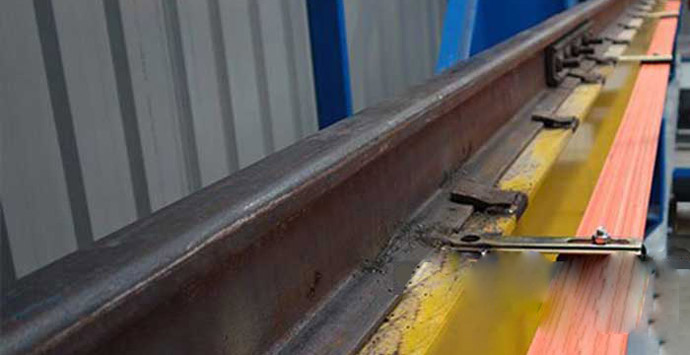
Hiểu biết về sự gặm nhấm đường ray của cần cẩu trên cao: Triệu chứng chính
Trước khi tìm hiểu nguyên nhân, Điều quan trọng là phải nhận biết các dấu hiệu bị cần trục gặm đường ray. Các chỉ số phổ biến bao gồm:
- 1. Có thể nhìn thấy sự mài mòn trên đầu đường ray (bề mặt không bằng phẳng, rãnh, hoặc sứt mẻ)
- 2. Vết xước hoặc vết lõm dọc theo mép bên của đường ray
- 3. Tiếng ồn quá mức (ré lên, mài) trong quá trình di chuyển cần cẩu
- 4. Bánh xe mòn không đều (VÍ DỤ., mặt bánh xe côn hoặc dẹt)
- 5. Độ lệch của cầu trục so với đường ray
- 6. Tiêu thụ điện năng tăng do ma sát giữa bánh xe và đường ray
Những triệu chứng này thường báo hiệu những vấn đề tiềm ẩn cần được điều tra một cách có hệ thống..
Nguyên nhân chính gây ra hiện tượng gặm đường ray do cần cẩu trên không

Gặm nhấm đường sắt hiếm khi xuất phát từ một yếu tố; nó thường là kết quả của sai lệch cơ học, lỗi vận hành, hoặc điều kiện môi trường. Dưới đây là những nguyên nhân phổ biến nhất:
Sai lệch cơ học
Độ lệch cơ khí là nguyên nhân hàng đầu gây ra hiện tượng gặm ray cầu trục, ảnh hưởng tới độ chính xác tiếp xúc giữa bánh xe và ray. Các yếu tố phụ chính bao gồm:
- 1. Cầu lệch: Nếu cầu cẩu (dầm ngang nối hai đầu xe tải) không vuông góc với đường ray, các bánh xe sẽ tạo áp lực ngang lên hai bên đường ray. Điều này thường xảy ra do bu lông bị lỏng, kết nối cầu bị mòn, hoặc cài đặt không đúng cách.
- 2. Độ lệch bánh xe: Bánh xe không được căn chỉnh đúng cách (VÍ DỤ., ngón chân vào hoặc ngón chân ra quá mức) buộc mặt bích bánh xe cọ sát vào mép ray. Sự sai lệch này có thể là do lỗi sản xuất, bảo trì không đúng cách, hoặc mòn theo thời gian.
- 3. Lắp đặt đường ray không đồng đều: Đường ray không bằng phẳng, song song, hoặc được neo đúng cách có thể khiến cần trục bị nghiêng hoặc dịch chuyển trong quá trình di chuyển. Chiều cao hoặc khoảng cách đường ray không đồng đều tạo ra sự phân bổ tải trọng không đồng đều, dẫn đến sự mài mòn tập trung trên các đoạn đường ray cụ thể.
- 4. Bánh xe bị mòn hoặc mặt bích: Theo thời gian, mặt bánh xe có thể bị xẹp, thon gọn, hoặc đọ sức, trong khi mặt bích có thể bị mòn hoặc trở nên tròn. Những bộ phận bị mòn này làm gián đoạn sự tiếp xúc trơn tru với đường ray, tăng ma sát và gặm nhấm.
Yếu tố hoạt động
Lỗi của con người và vận hành không đúng cách có thể làm trầm trọng thêm tình trạng gặm nhấm đường ray, ngay cả trong những cần cẩu được bảo trì tốt:
- 1. Quá tải: Việc vượt quá công suất định mức của cần cẩu sẽ gây áp lực quá lớn lên bánh xe và đường ray, gây ra sự mài mòn không đồng đều và làm tăng lực bên.
- 2. Bắt đầu/Dừng đột ngột hoặc Chuyển hướng đột ngột: Tăng tốc đột ngột, sự giảm tốc, hoặc quay (vì Cần cẩu Gantry) tạo ra lực quán tính đẩy bánh xe vào thành ray. Tác động lặp đi lặp lại này làm tăng tốc độ gặm nhấm.
- 3. Định vị cần cẩu không chính xác: Vận hành cần cẩu bằng móc hoặc tải trọng lệch tâm cầu có thể tạo ra tải trọng không cân bằng, dẫn đến sai lệch và tăng áp lực tiếp xúc đường ray.
- 4. Bỏ qua các dấu hiệu cảnh báo: Tiếp tục vận hành cần cẩu khi có dấu hiệu mòn ray, tiếng ồn, hoặc sai lệch khiến vấn đề trở nên trầm trọng hơn, dẫn đến thiệt hại nặng nề hơn.
Các yếu tố môi trường và cấu trúc
Các điều kiện bên ngoài và kết cấu cơ sở cũng có thể góp phần gây ra sự gặm nhấm đường ray của cần cẩu trên cao:
- 1. Sự ô nhiễm: Bụi, Mảnh vụn, dầu, hoặc độ ẩm trên bề mặt đường ray làm giảm ma sát giữa bánh xe và đường ray, làm cho bánh xe bị trượt hoặc trượt. Sự trượt này làm tăng chuyển động ngang và độ mòn.
- 2. Biến động nhiệt độ: Nhiệt độ cực nóng hoặc cực lạnh có thể khiến đường ray giãn nở hoặc co lại, dẫn đến sai lệch hoặc khoảng cách. Trong điều kiện đóng băng, băng trên đường ray cũng có thể làm gián đoạn sự tiếp xúc giữa bánh xe và đường ray.
- 3. Giải quyết kết cấu: Theo thời gian, Nền móng công trình có thể lún không đều, ảnh hưởng đến sự liên kết và độ phẳng của đường sắt. Điều này đặc biệt phổ biến ở các tòa nhà cũ hoặc khu vực có điều kiện đất kém..
Các giải pháp thiết thực để ngăn chặn và giảm thiểu hiện tượng gặm đường ray
Giải quyết vấn đề gặm nhấm đường sắt đòi hỏi một cách tiếp cận chủ động, kết hợp bảo trì định kỳ, hoạt động thích hợp, và điều chỉnh cơ cấu. Dưới đây là những giải pháp khả thi:
Tiến hành kiểm tra và bảo trì thường xuyên
- 1. Kiểm tra đường sắt: Kiểm tra đường ray hàng tuần xem có bị mòn không, sự lệch lạc, sự ô nhiễm, hoặc thiệt hại. Sử dụng các công cụ như thước thẳng, căn chỉnh laser, hoặc máy kiểm tra siêu âm để kiểm tra độ ngang của đường ray, sự song hành, và độ dày. Thay thế đường ray bị mòn hoặc hư hỏng kịp thời.
- 2. Bảo trì bánh xe: Kiểm tra bánh xe hàng tháng xem có bị mòn không, độ dày mặt bích, và căn chỉnh. Làm lại bề mặt hoặc thay thế các bánh xe bị mòn để đảm bảo tiếp xúc tốt với đường ray. Duy trì bôi trơn bánh xe thích hợp để giảm ma sát.
- 3. Kiểm tra cầu và cuối xe tải: Siết chặt các bu lông bị lỏng, kiểm tra kết nối cầu, và đảm bảo xe tải cuối cùng (các đơn vị chứa các bánh xe) được căn chỉnh đúng cách. Điều chỉnh hoặc thay thế vòng bi bị mòn, bánh răng, hoặc các trục ảnh hưởng đến độ chính xác của chuyển động.
- 4. Bôi trơn: Bôi chất bôi trơn thích hợp lên bề mặt đường ray và mặt bích bánh xe để giảm ma sát. Sử dụng chất bôi trơn khô (VÍ DỤ., than chì) trong môi trường bụi bặm và chất bôi trơn gốc dầu trong môi trường sạch sẽ. Tránh bôi trơn quá mức, có thể thu hút các mảnh vụn.
Cải thiện thực tiễn hoạt động
- 1. Người điều hành tàu: Cung cấp đào tạo toàn diện cho người vận hành cần cẩu về kỹ thuật xử lý thích hợp, bao gồm cả khởi động/dừng trơn tru, tránh quá tải, và tải trọng định tâm. Nhấn mạnh tầm quan trọng của việc báo cáo các dấu hiệu cảnh báo (tiếng ồn, mặc, sự lệch lạc) ngay lập tức.
- 2. Đặt giới hạn hoạt động: Thực hiện các quy định nghiêm ngặt chống quá tải và di chuyển đột ngột. Sử dụng thiết bị giám sát tải trọng và hệ thống chống va chạm để tránh căng thẳng quá mức lên cần trục và đường ray.
- 3. Bề mặt đường sắt sạch: Thường xuyên loại bỏ bụi, Mảnh vụn, dầu, hoặc băng từ đường ray bằng chổi, máy thổi, hoặc chất làm tan băng (trong thời tiết lạnh). Giữ khu vực xung quanh đường ray sạch sẽ để giảm thiểu ô nhiễm.
Các vấn đề về kết cấu và lắp đặt chính xác
- 1. Sắp xếp lại đường ray: Nếu đường ray bị lệch hoặc không đồng đều, thuê kỹ thuật viên chuyên nghiệp để sắp xếp lại, mức độ, hoặc tìm lại họ. Đảm bảo các đường ray song song và cách đều nhau đúng theo thông số kỹ thuật của cầu trục.
- 2. Giải quyết nền tảng địa chỉ: Nếu độ lún kết cấu gây ra sai lệch đường ray, tham khảo ý kiến của kỹ sư kết cấu để đánh giá và sửa chữa nền móng. Điều này có thể liên quan đến việc gia cố nền móng hoặc điều chỉnh các giá đỡ đường ray.
- 3. Nâng cấp thành phần: Đối với cần cẩu cũ, xem xét nâng cấp lên bánh xe và đường ray chất lượng cao được làm từ vật liệu chống mài mòn (VÍ DỤ., thép cứng). Các thành phần này có tuổi thọ cao hơn và khả năng chống gặm nhấm tốt hơn.
Triển khai hệ thống giám sát
- 1. Lắp đặt cảm biến rung, tế bào tải, hoặc các công cụ căn chỉnh bằng laser để theo dõi hoạt động của cầu trục trong thời gian thực. Các hệ thống này có thể phát hiện sự sai lệch, quá tải, hoặc mòn bất thường sớm, cho phép can thiệp kịp thời.
- 2. Lưu giữ hồ sơ bảo trì chi tiết để theo dõi tình trạng mòn của đường ray và bánh xe. Dữ liệu này có thể giúp xác định các sự cố định kỳ và tối ưu hóa lịch bảo trì.
Phần kết luận
Gặm đường ray là một vấn đề tốn kém và tiềm ẩn nguy hiểm đối với cần cẩu trên cao hoạt động, nhưng điều đó không thể tránh khỏi. Bằng cách hiểu rõ nguyên nhân gốc rễ—sự sai lệch cơ học, lỗi vận hành, và các yếu tố môi trường—và thực hiện các giải pháp chủ động như bảo trì thường xuyên, đào tạo người vận hành thích hợp, và điều chỉnh cơ cấu, bạn có thể giảm đáng kể sự mài mòn của đường ray, kéo dài tuổi thọ thiết bị, và đảm bảo an toàn, vận hành cần cẩu hiệu quả. Nhớ, Phòng ngừa luôn tiết kiệm chi phí hơn sửa chữa. Đầu tư vào việc kiểm tra thường xuyên và giải quyết kịp thời các dấu hiệu cảnh báo để giữ cho cần cẩu của bạn hoạt động trơn tru trong nhiều năm tới.
Chia sẻ với PDF:





Nhận xét mới nhất