
Меню навігації

Overhead cranes are the workhorses of many industries, from manufacturing and construction to warehouses and shipping yards. They play a crucial role in lifting and moving heavy loads efficiently, but like any piece of heavy machinery, they require regular maintenance to ensure safety, надійність, і довголіття. Knowing when to perform overhead crane maintenance is not just a matter of equipment upkeep—it’s a critical safety measure that protects workers, prevents costly downtime, and complies with regulatory standards. У цьому блозі, we’ll explore the different types of overhead cranes, provide a comprehensive maintenance checklist, and break down OSHA’s inspection requirements to keep your operations running smoothly.
Overhead cranes come in various configurations, each designed to meet specific application needs. Understanding the type of crane you have is essential for tailoring maintenance practices. Here are the most common types of bridge cranes:
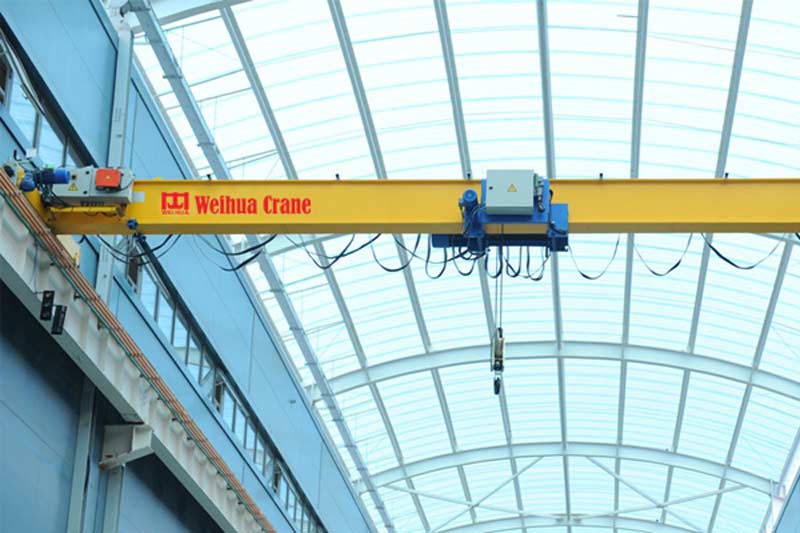
Single Girder Overhead Cranes
Single girder overhead cranes feature a single horizontal beam (балка) that spans the facility’s width, running along elevated tracks. They are equipped with a hoist that travels along the girder. These cranes are lightweight, економічно ефективним, and ideal for light to medium lifting capacities (зазвичай до 20 тонн). They are widely used in warehouses, майстерні, and manufacturing facilities for tasks like loading/unloading materials and moving components between workstations, where space and budget are considerations.

Double Girder Overhead Cranes
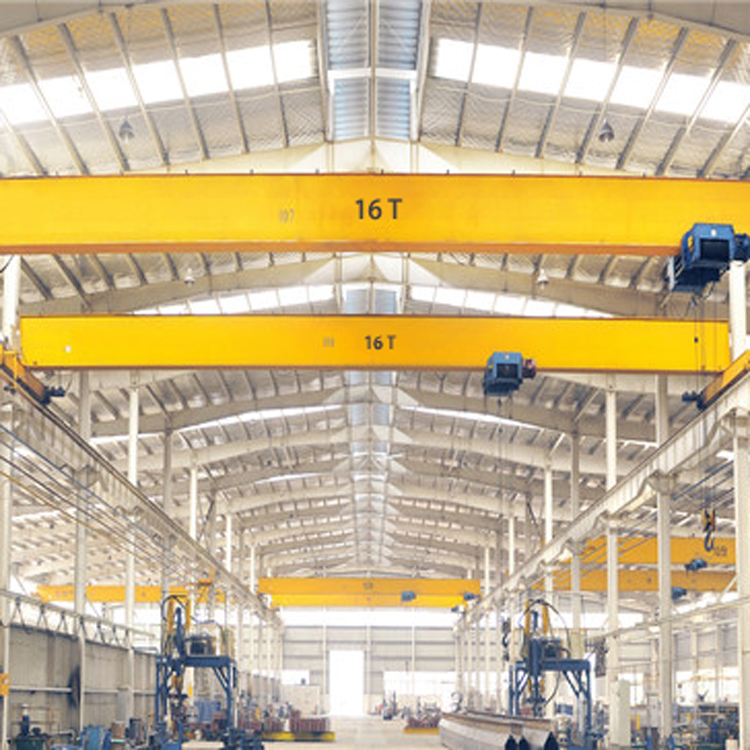
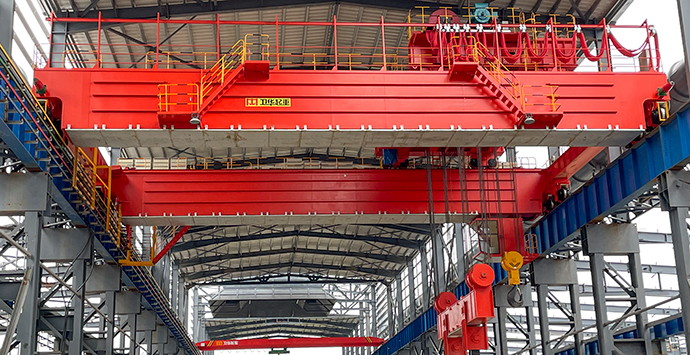
Double girder overhead cranes consist of two parallel horizontal girders, offering greater stability and higher lifting capacities compared to single girder models (часто в діапазоні від 10 tons to several hundred tons). The hoist is usually mounted on a trolley that runs between the two girders. They are suitable for heavy-duty applications in steel mills, ливарні, та будівельні майданчики, where lifting large, великі навантаження (such as machinery, сталеві пластини, or concrete structures) with precision is required.
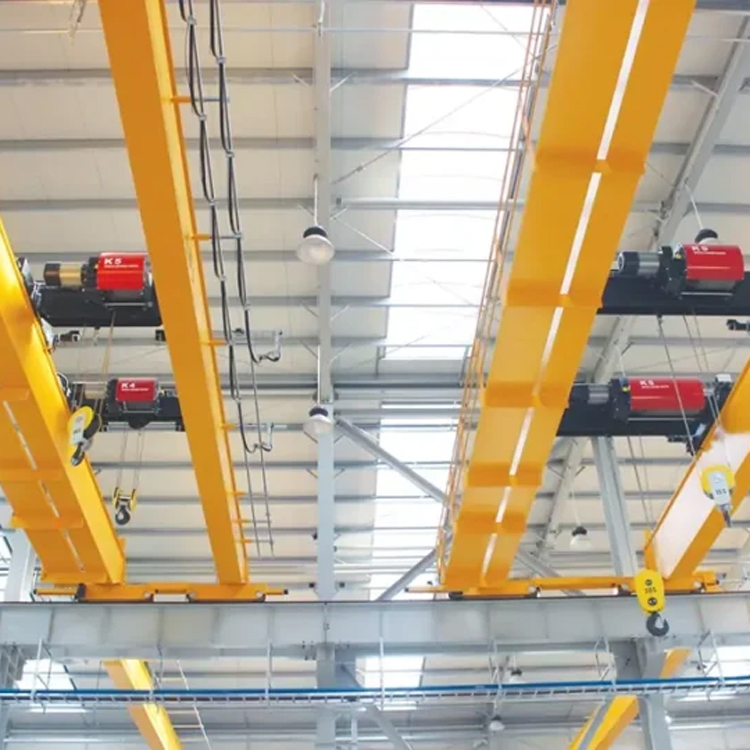
Low Headroom Overhead Cranes
Low headroom overhead cranes are specially designed for facilities with limited vertical space (low ceiling height). Their compact structure—with the hoist and trolley arranged to minimize the distance from the top of the crane to the load hook—maximizes the available lifting height. This makes them perfect for older buildings or warehouses where overhead space is restricted but efficient material handling is still needed, such as in small manufacturing shops or storage facilities.
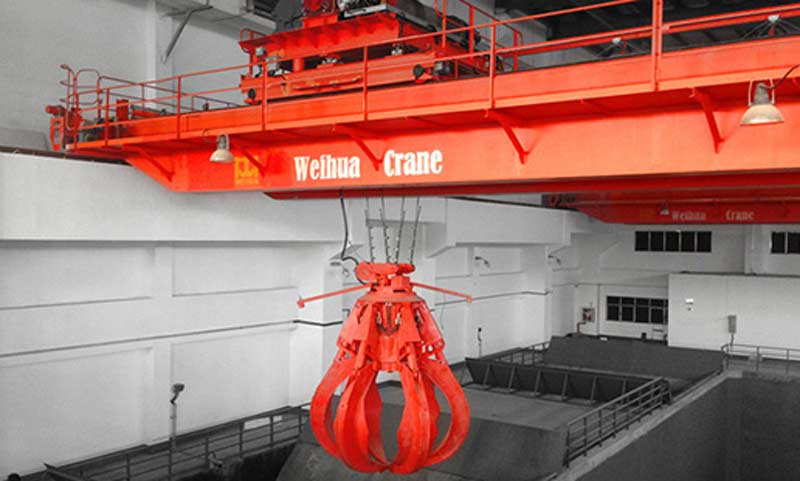
Grab Bucket Overhead Cranes
Grab bucket overhead cranes are equipped with a захопити відро (instead of a standard hook) as the lifting attachment. The grab bucket is used to handle bulk materials such as coal, gravel, sand, grain, or waste. It can open and close to clamp, ліфт, and discharge the materials efficiently. These cranes are commonly found in ports, електростанції, mines, and grain elevators, where bulk material handling is a primary operation.
Regular maintenance is key to preventing crane failures. Below is a comprehensive checklist to guide your maintenance efforts. Note that maintenance frequency may vary based on usage (Напр., heavy-duty vs. light-duty), середовище, and manufacturer recommendations.
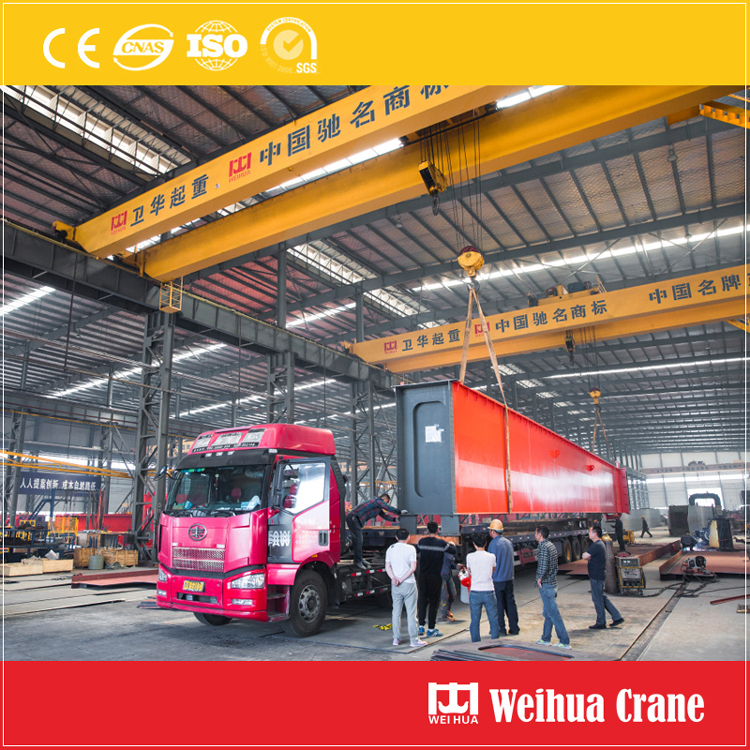
The Occupational Safety and Health Administration (OSHA) has strict regulations governing overhead crane inspections to ensure worker safety. OSHA’s primary standard for overhead cranes is 29 CFR 1910.179 (for general industry) і 29 CFR 1926.550 (for construction). Below are key OSHA requirements:
Before a new or modified overhead crane is put into service, it must undergo an initial inspection by a qualified person. This inspection verifies that the crane is installed correctly, meets design specifications, and is safe for operation.
Frequent inspections must be performed daily, weekly, or monthly, depending on the crane’s usage and environment. OSHA requires that these inspections be conducted by a competent person. The focus is on visible components that could affect safety, such as ropes, ланцюги, гачки, гальма, and controls—similar to the daily and monthly checklists outlined above.
Periodic inspections are more comprehensive and must be performed at intervals determined by the crane’s manufacturer or a qualified engineer, but at least every 1 до 12 місяці. For cranes in severe service (Напр., continuous heavy lifting), inspections may be required monthly; for moderate service, щоквартально; and for light service, annually. These inspections must be conducted by a qualified person and may include NDT, lubrication checks, and electrical system testing.
OSHA requires that all inspections be documented, including the date of the inspection, the name of the person who performed it, the crane’s identification number, and any defects found or corrective actions taken. These records must be kept for the life of the crane or until the next periodic inspection, whichever is longer.
Important: If a defect or unsafe condition is found during an inspection, the crane must be taken out of service immediately until the issue is repaired and the crane is re-inspected and deemed safe.
Knowing when to perform overhead crane maintenance is essential for safety, відповідність, and operational efficiency. By understanding the type of crane you have, following a regular maintenance checklist, and adhering to OSHA’s inspection requirements, you can minimize the risk of accidents, extend the life of your equipment, and keep your workplace running safely. Запам'ятати, maintenance is not just a task—it’s an investment in the well-being of your team and the success of your business.
Поділіться з PDF: Завантажити


Ми цінуємо ваш відгук! Будь ласка, заповніть форму нижче, щоб ми могли налаштувати наші послуги до ваших конкретних потреб.


Натисніть кнопку, щоб отримати інформацію та цитати продукту на WhatsApp.
Отримайте цитату
Останні коментарі