» 블로그 » 갠트리 크레인 부하 테스트 절차

갠트리 크레인 부하 테스트 절차

2026-06-08

갠트리 크레인 하중 테스트 절차

A rigorous gantry crane load test procedure is the most reliable way to verify structural integrity, mechanical performance, and overall operational safety. Aligned with key industry standards including OSHA 1910.179 and ANSI B30.2, regular load testing ensures your gantry crane operates within rated capacities, meets regulatory requirements, and protects workers and assets. 이 블로그에서는, we break down the full load testing process, including pre-test preparations, step-by-step test protocols, safety rules, and post-test documentation.

What Is a Gantry Crane Load Test, and Why Does It Matter?

A gantry crane load test is a standardized inspection process that validates whether a crane can safely lift, hold, and move specified loads without structural failure or mechanical errors. It covers three core test types: no-load testing, static load testing, and dynamic load testing, each targeting different operational performance metrics.

Load testing is not just a routine formality—it is a mandatory compliance and safety practice. It is required in critical scenarios: new crane installation, major mechanical repairs or component replacements, long-term idle periods, annual mandatory inspections, and after any incident that may damage the crane structure or mechanisms.

Key benefits of strict load testing include eliminating hidden structural defects, verifying brake and hoist system reliability, 완전한 규정 준수 보장, extending crane service life, and preventing fatal workplace lifting accidents. The industry-standard proof load test typically requires lifting 125% of the crane’s rated capacity for static validation, the universal benchmark for operational safety certification.

갠트리 크레인 하중 테스트 절차

시험 전 준비: Critical Checks Before Load Testing

Skipping pre-test inspections leads to inaccurate test results and unnecessary safety hazards. Before initiating any load test, complete the following comprehensive preparations to ensure a smooth, valid test process:

1. Site & Safety Preparation

Isolate the entire crane operating area with warning barriers and clear signage to prevent unauthorized personnel from entering the test zone. Remove all obstacles on the crane runway and working path to ensure unobstructed full-range movement. Prepare emergency equipment including first-aid kits and safety response tools, and confirm on-site emergency protocols for mechanical failure or load slippage.

2. Crane Visual & Mechanical Inspection

Conduct a full visual inspection of the crane’s core components. Check gantry girders, support legs, and connection bolts for cracks, 흉한 모습, or loose fasteners. Inspect wire ropes for fraying, 부식, or abnormal wear, and verify proper winding on drums and pulleys. Test the functionality of hoist brakes, trolley travel systems, and runway wheels to ensure smooth operation. All electrical systems, 리미트 스위치, and emergency stop devices must be fully functional before testing.

3. Test Equipment & Personnel Confirmation

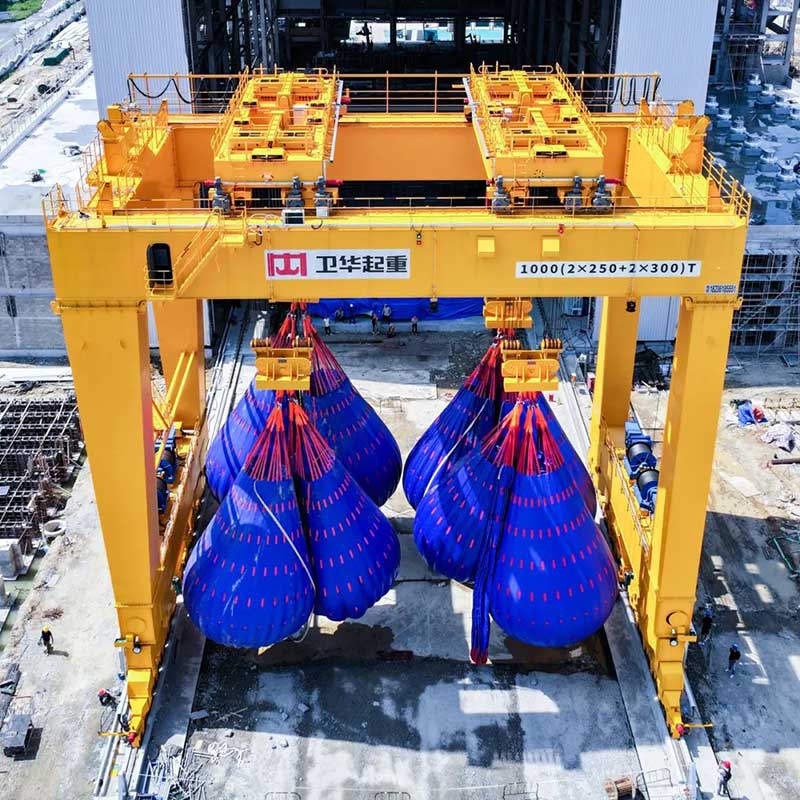
Use only certified, calibrated test weights or load cells with valid calibration certificates to guarantee accurate load measurement. All rigging equipment (슬링, 족쇄, 후크) must be rated for at least 125% of the test load to avoid rigging failure. Only qualified, certified crane operators and professional inspectors are allowed to perform and supervise load tests; untrained personnel are strictly prohibited from participating.

Step-by-Step Gantry Crane Load Test Procedure

A complete gantry crane load test follows a strict sequential order: no-load test → static load test → dynamic load test. This gradual testing process avoids sudden overload impact and accurately reflects real-world working conditions.

갠트리 크레인 하중 테스트 절차

단계 1: No-Load Functional Test

The no-load test is the foundation of all subsequent tests, designed to verify the basic mechanical and electrical functionality of the crane without any load applied. Start the crane power system and operate the hoist, 트롤리, and gantry travel mechanisms through their full range of motion. Run forward, reverse, and stop operations repeatedly to check for jitter, abnormal noise, or delayed response.

Test all safety devices thoroughly: upper and lower travel limit switches, 비상 정지 버튼, 과부하 보호 시스템. Confirm all safety mechanisms trigger accurately and reliably. The crane passes this phase only if all components operate smoothly with no malfunctions or abnormal conditions.

단계 2: Static Load Test (125% 정격 용량)

The static load test is the most critical step to validate the crane’s structural load-bearing capacity, following ANSI and OSHA standard requirements. 들어올리기 전, record baseline deflection data at the mid-span of the gantry girders for post-test comparison.

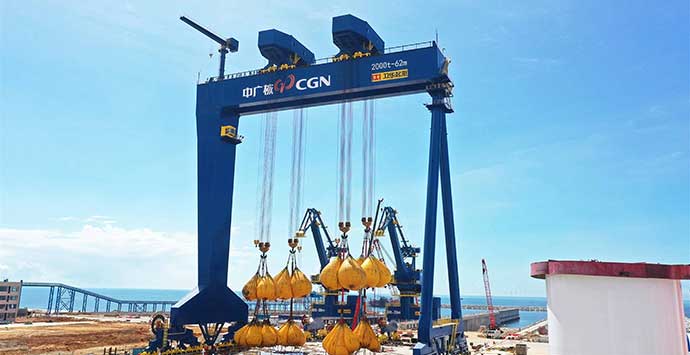
Gradually increase the test load in stages (25% 50% 70% 100% 125% 정격 부하의) to avoid sudden structural impact. After reaching the standard 125% 초과 적재, slowly lift the test load to 12–18 inches above the ground and hold the load steadily for10 minutes.

During the holding period, inspect continuously for key indicators: no visible structural deformation, 균열, or joint loosening; no load drift caused by brake failure; stable wire rope tension without slippage; and no abnormal vibration or noise. After lowering the load completely, re-measure girder deflection. Permanent deformation indicates a test failure, while full elastic recovery confirms structural stability.

단계 3: 동적 부하 테스트 (110% 정격 용량)

Different from static testing, the dynamic load test verifies the crane’s performance under simulated real working conditions with moving loads. The standard test load is 110% 정격 용량의.

Lift the 110% test load off the ground, then perform continuous combined operations: hoist lifting and lowering, trolley full-span travel, and gantry full-runway movement. Repeat these compound motions multiple times to simulate daily operational scenarios. Focus on monitoring brake responsiveness, system stability, and the coordination of mechanical components during dynamic movement.

The crane passes the dynamic test if all movements are smooth, safety devices function normally, no mechanical jams occur, and no signs of structural or component damage appear during the entire test process.

Key Safety Rules During Load Testing

Load testing involves high overload risks, so strict safety protocols must be enforced throughout the entire process:

테스트 후 검사 & 선적 서류 비치

Complete post-test validation and standardized documentation are essential for compliance certification and future maintenance reference. After all test phases are finished, conduct a comprehensive re-inspection of all crane components. Check for structural deformation, bolt loosening, wire rope damage, and brake wear. Confirm all safety devices reset to normal working status.

다음, organize detailed test records, including test date, crane model and rated capacity, test load weight, 환경 조건, real-time test data, deflection measurement records, and on-site inspection notes. All test results must be signed and confirmed by certified operators and inspectors.

If the crane passes all tests, issue an official load test certificate and update the crane’s operational label with valid capacity and certification information. If defects or failures are found, mark the crane as out of service immediately, complete targeted repairs, and re-perform the full load test before resuming operation. Most regional safety regulations require test reports to be filed and retained for at least five years for compliance audit purposes.

최종 생각

A standardized gantry crane load test procedure is the cornerstone of workplace safety, 장비 신뢰성, 규제 준수. From pre-test site preparation and staged load testing to strict safety control and complete documentation, every step directly impacts the safe service of your gantry crane and the protection of on-site workers.

Skipping or simplifying load tests may save short-term time and costs but will lead to huge hidden risks of equipment failure and safety accidents. By following OSHA and ANSI standards to conduct regular, rigorous load tests, you can maximize crane service life, minimize operational risks, and build a safe, compliant lifting operation environment.

FAQs About Gantry Crane Load Testing

Q1: How often should a gantry crane undergo load testing?

A1: Annual routine load testing is mandatory for most industrial gantry cranes. Additional tests are required after new installation, major repairs, long-term shutdowns, or any impact or accident that may damage crane structures.

Q2: What is the difference between static and dynamic load tests?

A2: Static load tests use 125% rated load with fixed holding time to verify structural bearing capacity. Dynamic load tests use 110% rated load with continuous moving operations to check mechanical coordination and operational stability under working conditions.

Q3: Can uncertified personnel perform crane load tests?

A3: 아니요. Load testing must be completed and supervised by professionally certified crane inspectors and operators to ensure test accuracy and operational safety, in line with OSHA regulatory requirements.

이전 기사:
더 이상, 이미 최신 기사입니다

Get Solution & Price Right Now!

우리는 귀하의 의견을 소중히 여깁니다! 귀하의 특정 요구에 맞게 서비스를 조정할 수 있도록 아래 양식을 작성하십시오..

이름:
* 이메일:
whatsapp / 전화 번호:
프로젝트 위치:
* 메시지:

최신 의견

HESHAM M FARGHALY 님이 말했습니다.:
Dear Sir Please send your quot. 다음 후크 블록의 경우: 후크 블록 45 tons Application: over head travelling crane Hook block type - four sheaves Hook type: 위조 크레인 후크 . 용량: 45 메트릭 톤 (SWL) 구성: 단일 생크 - swivel Design standard: EN 13001‑3‑5 Material: 단조 합금강 (큐&티) 안전 요인: ≥ 4:1 인증: 안에 / CE / 3.1 material certificate SIMILAR TO ATTACHED DRAWING (info@craneihua.com으로 이메일을 보내겠습니다.) NB. 1-가격: 그물 - 전직 2- 배송 중량 & 치수. 3- 테스트 인증서 4- 원산지 증명서
조셉 아이누는 말했다.:
3톤 오버헤드 크레인의 전기 회로도가 필요합니다. (웨이화) 아니요. 2000266711
유병호가 말했다.:
좋은 오후에요, ~에게, 아래와 같이 견적을 요청하고 싶습니다., 1. 헤비듀티 스틸 휠 2. 크기: 300mm OD x 80mm thickness x 50mm shaft hole 3.Material: 연강 4. 필요 수량: 192ea This requestions is for the investment plan. Please me know your estimate price Regards B.H.YOO
안나 블라스니타가 말했다.:
좋은 오후에요! 내 이름은 안나예요, 저는 루마니아 회사를 대표합니다. 우리는 다음 사양의 오버헤드 크레인을 구매하려고 합니다.: 2.5티. 경간 길이 50m, 경간 폭 18m - 4 단위. 8티. 경간 길이 60m, 경간 폭 18m - 3 단위. 25티. 경간 길이 50m, 경간 폭 18m - 1 단위. 모든 크레인에는 리모콘이 있어야 합니다.. 내 이메일로 가격을 알려주실 수 있나요??
사도 가니가 말했다.:
걸쇠, 볼트 유형, 절하다, G-2130 8.5T, Hot Dipped Galvanized 25Pcs Air Winch, Capacity-22000 LBS/10 TON 1Pcs Traveling Crane Hook Block Assembly ; Load Capacity-30 TON 1Pcs 6x19-IWRC, 직경-7/8인치/ 22 MM, 아연 도금, 1770MPa, MBL 305KN, Length 250M/Reel 1Reel Wire Rope Clip,7/8인치, 22mm, Hot dipped galvanized 10Pcs Grommet Sling, 지름 1 1/4 인치, 32 MM, 6 x37-FC, 아연 도금, 길이: 6 Ft per pcs 20Pcs 8 물가 폴리프로필렌 계류용 밧줄, 직경 80mm, 길이 220m/코일, 총 10코일

관련 사례

whatsapp

저희에게 연락하십시오

WhatsApp에서 제품 정보 및 따옴표를 얻으려면 버튼을 클릭하십시오..

견적을 얻으십시오
whatsapp
문의