
Menu navigasi

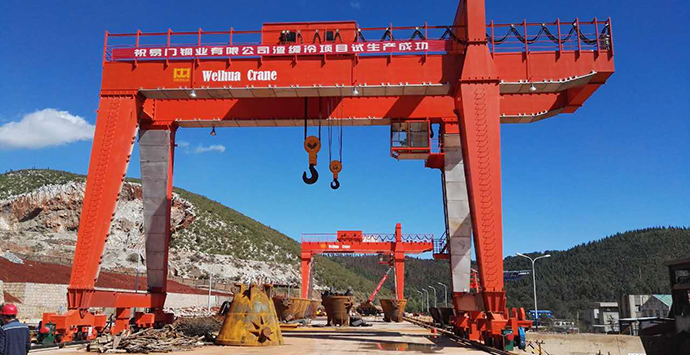
Jika Anda bekerja di bidang konstruksi, pengiriman, manufaktur, or any industry that involves lifting and moving heavy loads, you’ve likely encountered a gantry crane. This versatile, powerful machine—characterized by its bridge-like structure supported by upright legs—plays a critical role in streamlining heavy lifting tasks, from loading containers at ports to moving steel beams on construction sites. But operating a gantry crane isn’t just about flipping switches; it requires proper training, strict safety protocols, and a step-by-step approach to ensure both operator safety and equipment longevity. Di blog ini, we’ll break down everything you need to know about how to use a gantry crane safely and effectively.
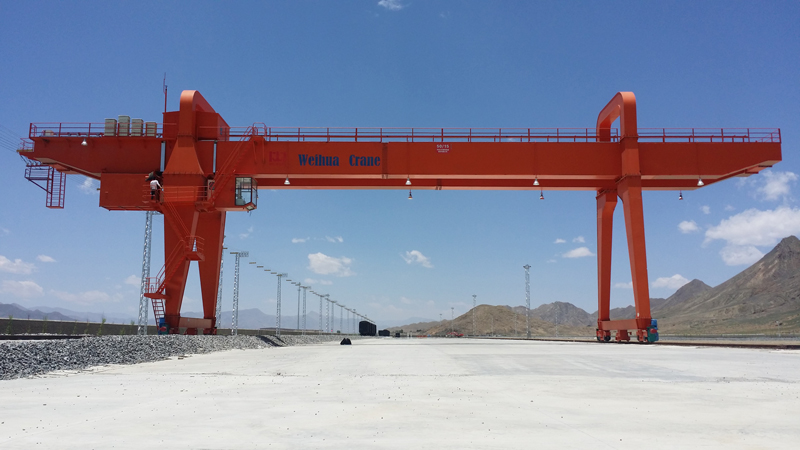
Before you start operating, it’s essential to familiarize yourself with the gantry crane’s core components and types—this knowledge will help you make informed decisions during operation. A typical gantry crane consists of a horizontal beam (known as the bridge), two vertical legs that support the bridge, a trolley that moves along the bridge, dan sebuah kerekan (the lifting mechanism) attached to the trolley. Unlike overhead cranes, which are fixed to a building’s ceiling, crane gantry are mounted on wheels or rails, making them mobile and adaptable to outdoor or large indoor spaces.
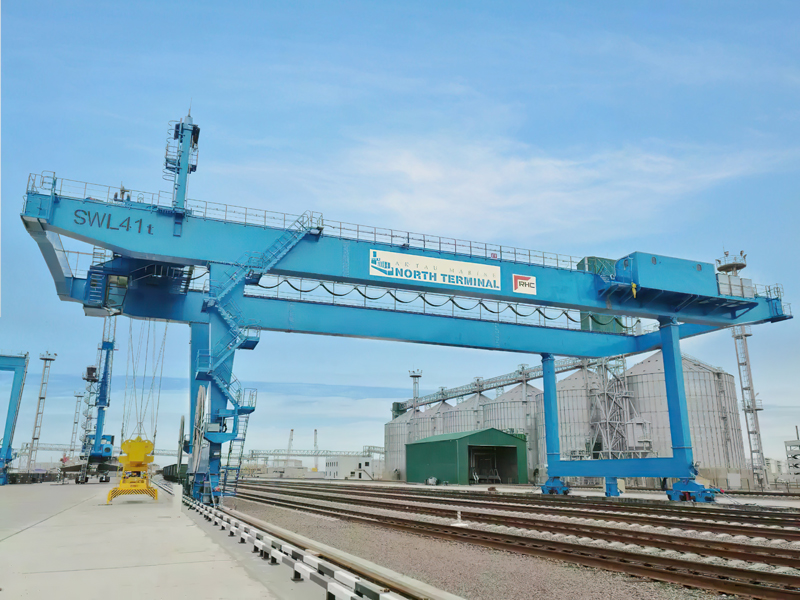
Common types include single-girder and double-girder gantry cranes (differentiated by the number of bridge beams), mobile and stationary models, and specialized variants like crane kapal-ke-pantai for ports or cantilever gantry cranes for specific lifting needs. Each type has unique capabilities, but the fundamental operating principles remain consistent.
Operating a gantry crane without proper pre-operation checks is a safety hazard and a violation of industry standards (such as GB 6067.1 and OSHA regulations). Before powering on the crane, take 10–15 minutes to complete these critical inspections:
Inspect the power cables for damage, berjumbai, or loose connections—exposed wires pose an electric shock risk. Ensure the crane’s grounding system is intact (ground resistance should not exceed 4Ω) and that all electrical components (circuit breakers, kontaktor) are in good condition. Check the control panel lights and gauges to confirm they’re working correctly, as they provide critical feedback on the crane’s status.
Verify that all safety devices are operational: pembatas beban berlebih (should alert at 90% of rated capacity and cut power at 110%), height limit switches (prevent the hoist from lifting too high), and wind speed indicators (critical for outdoor cranes—wind speeds above 6 mph can make lifting unstable). Untuk derek luar ruangan, check the wind-resistant devices (klem, anchors) to ensure they can secure the crane in strong winds.
Clear the work area of unauthorized personnel—establish a safe zone (marked with barriers or signs) to prevent anyone from standing under the load. Check for overhead obstacles (MISALNYA., power lines—maintain a safe distance: at least 1.5m for ≤10kV lines) and ensure the ground is level and stable, especially for mobile gantry cranes. Confirm that the crane operator is properly trained and certified, and that a designated signal person (if needed) is on-site with clear, standardized hand signals or a two-way radio.
Once all pre-operation checks are complete, follow these steps to operate the gantry crane safely:
Turn on the main power switch and wait for the system to initialize. Run a short test cycle to ensure all mechanisms work smoothly: move the trolley back and forth along the bridge, lift the hoist a few feet, and test the brakes. Listen for unusual noises (menggiling, cengking) or vibrations—if you notice anything abnormal, shut down the crane immediately and investigate the issue before proceeding.
Move the gantry crane (if mobile) to the location directly above the load, ensuring the legs are stable and aligned with the load’s center of gravity. Position the trolley so that the hook is directly above the load—this prevents side-loading, which can damage the crane or cause the load to swing dangerously. Never move the crane with the hoist lowered or the load hanging at an angle.
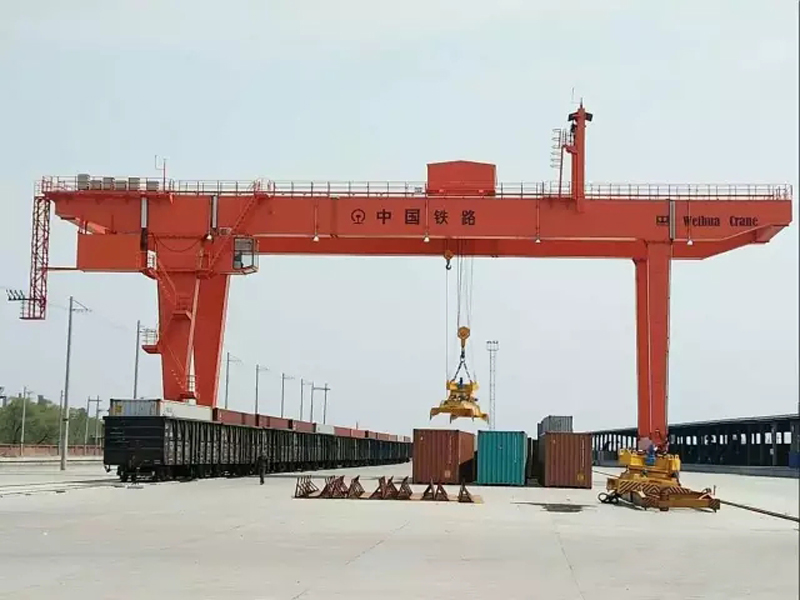
Use the appropriate lifting attachments (gendongan, kait, or spreaders) for the load type. For irregularly shaped or heavy loads, use multiple slings and ensure they’re evenly spaced to distribute weight. Pad sharp edges with soft materials (MISALNYA., rubber, wood) to prevent damage to the slings or load. Double-check that all attachments are secure—twisted or loose slings are a major safety risk. For container cranes, ensure the spreader is locked securely onto the container corners.
Engage the hoist and lift the load slowly—never rush this step. Lift the load 6–12 inches off the ground and pause to check for stability: ensure the load is balanced, the slings are not slipping, and the brakes are holding. This “test lift” is critical to catching any issues before lifting the load higher. If the load is unbalanced, lower it and readjust the attachments or trolley position.
Once the load is stable, move it to the target location using the trolley (for horizontal movement along the bridge) and the gantry crane’s wheels (for long-distance movement). Always move the load at a slow, steady speed—avoid sudden starts, berhenti, or turns, which can cause the load to swing. Keep the load at least 5 feet above the ground and clear of obstacles (dinding, peralatan, personil). Never move the load over people—if you need to reposition, stop and ensure the area below is clear before proceeding.
Position the load directly above the target location and lower it slowly. As the load approaches the ground or landing surface, reduce the speed to avoid impact. Ensure the landing surface is level and stable—use padding if the ground is soft to prevent the load from sinking. Once the load is securely placed, release the lifting attachments and confirm they’re free of the load before lifting the hoist back up.
Setelah menyelesaikan tugas pengangkatan, follow these steps to shut down the crane safely: Lower the hoist to its lowest position (or a safe height, at least 2m above the ground), move the trolley to the center of the bridge, and park the gantry crane in its designated area. Turn off the main power switch and secure the crane with wind-resistant devices (if outdoor). Conduct a quick post-operation inspection to note any damage or issues, and document the operation in the crane’s logbook (required by most safety regulations).
Operating a gantry crane is a serious responsibility—here are some non-negotiable safety rules to keep in mind:
Using a gantry crane safely and effectively requires a combination of proper training, careful preparation, dan kepatuhan yang ketat terhadap protokol keselamatan. By following the steps outlined in this blog—from pre-operation checks to post-operation shutdown—you can minimize risks, protect yourself and your team, and ensure the crane operates efficiently for years to come. Ingat: there’s no shortcut to safety when operating heavy machinery. If you’re unsure about any step, stop and consult a certified trainer or supervisor before proceeding.
Whether you’re a seasoned operator or new to gantry cranes, prioritizing safety and following best practices will make every lifting task smoother, safer, and more successful. Have questions about specific gantry crane types or operating scenarios? Leave a comment below—we’re here to help!
Kami menghargai tanggapan Anda! Harap lengkapi formulir di bawah ini sehingga kami dapat menyesuaikan layanan kami dengan kebutuhan spesifik Anda.


Klik tombol untuk mendapatkan informasi produk dan kutipan di whatsapp.
Dapatkan penawaran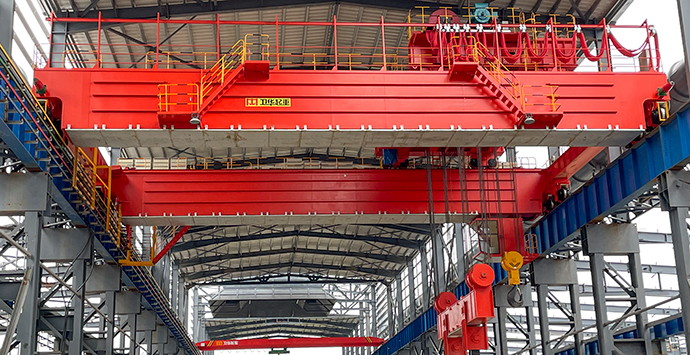

Komentar terbaru