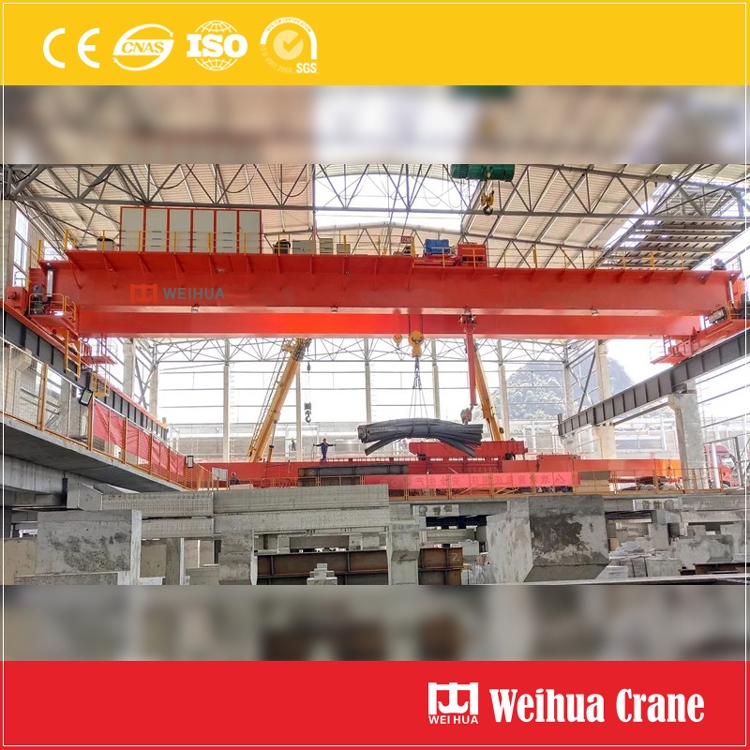
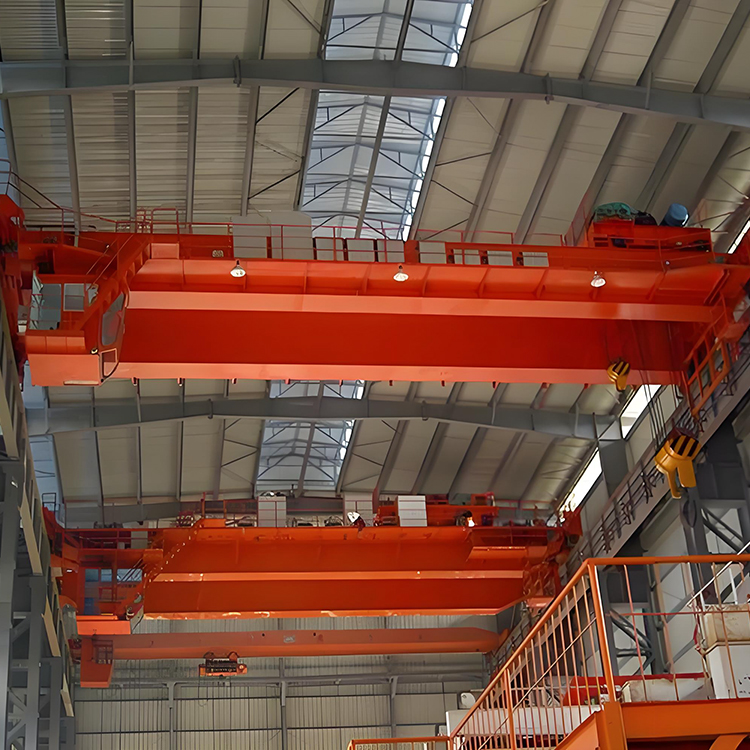
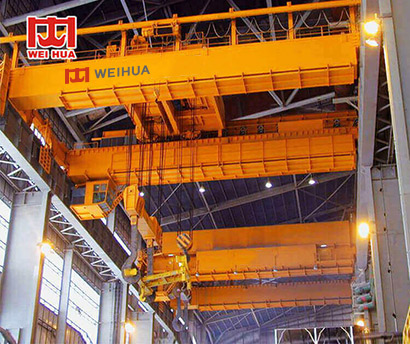
铝冶炼厂作业的特点是工作环境恶劣, high-temperature conditions, and heavy-duty material handling requirements. Overhead cranes for aluminium smelter are specifically engineered to meet these rigorous demands, serving as the backbone of material transportation and process coordination in smelting plants. Designed with advanced technology and robust structures, these cranes ensure safe, 高效的, 且运行可靠, directly contributing to the stability and productivity of aluminium smelting processes.
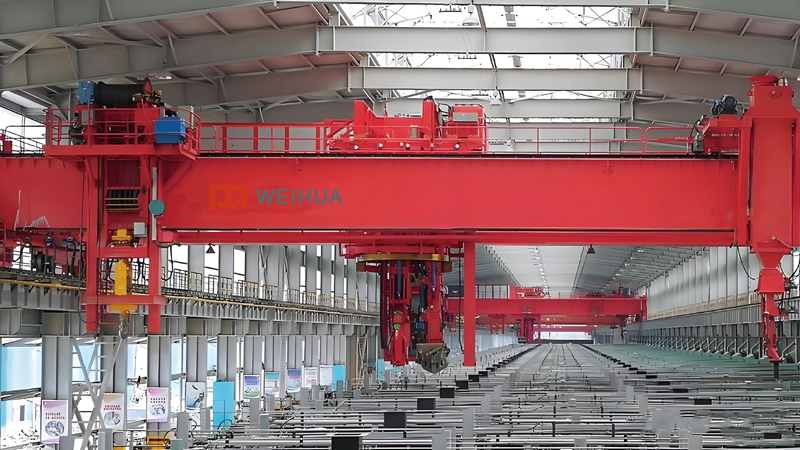
Technical Parameters of Overhead Cranes for Aluminium Smelter
|
范围
|
Standard Specification
|
Customization Notes
|
|
额定起重量
|
50吨 – 300吨
|
Available for higher capacity on demand
|
|
跨度
|
10米 – 30m
|
Customizable based on smelter plant layout
|
|
举升高度
|
8米 – 25m
|
Adjustable to match smelter workshop height
|
|
提升速度
|
0.5米/分钟 – 10m/分钟
|
Stepless speed regulation supported
|
|
小车行驶速度
|
5米/分钟 – 30m/分钟
|
Frequency conversion speed control optional
|
|
桥梁行驶速度
|
10米/分钟 – 45m/分钟
|
Frequency conversion speed control optional
|
|
工作级别
|
A6 – A8
|
Suitable for heavy/extra-heavy duty smelting conditions
|
|
Ambient Temperature Resistance
|
-20℃ – 600℃
|
Equipped with special high-temperature protection system
|
|
电源
|
380伏/50赫兹, 3-阶段
|
Customizable for 400V/50Hz, 480V/60Hz etc. per regional standards
|
Key Features of Overhead Cranes for Aluminium Smelter
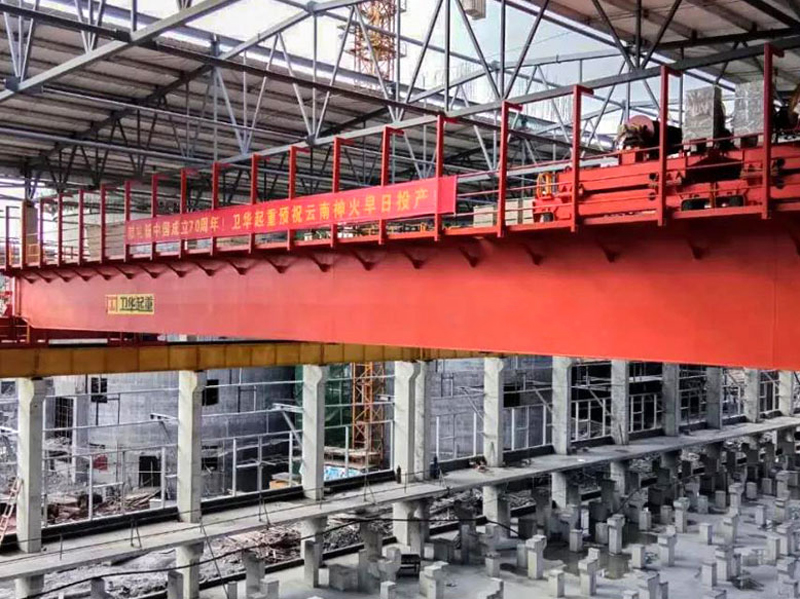
- 1. 耐高温: The cranes are equipped with high-temperature resistant materials and heat insulation components. Critical parts such as hoisting mechanisms, 电机, and electrical cabinets are protected by heat shields to withstand the high ambient temperatures (up to 600°C in some smelting zones) typical of aluminium smelters, ensuring long-term stable operation without performance degradation.
- 2. 腐蚀 & Dust Resistance: Aluminium smelting processes generate corrosive gases (such as fluoride gas) and large amounts of dust. The cranes adopt anti-corrosion coatings on the metal structure and sealed designs for electrical systems, effectively preventing corrosion and dust intrusion, thus extending the service life of components and reducing maintenance costs.
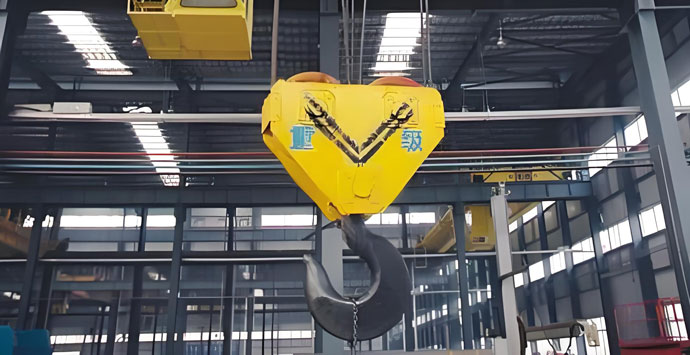
- 3. Heavy-Duty Lifting Capacity: Tailored for the heavy loads in aluminium smelters, 这些 桥式起重机 feature a high load-bearing capacity ranging from 50t to 300t. The hoisting mechanism uses high-strength steel wire ropes and large-tonnage reducers, ensuring stable lifting and lowering of heavy materials such as aluminium ingots, electrolytic cells, and anode blocks.
- 4. 精准控制: Equipped with advanced frequency conversion speed regulation systems, the cranes enable stepless speed adjustment of lifting, 电车行驶, 和桥梁旅行. This ensures precise positioning of materials, especially during delicate operations such as anode replacement and electrolytic cell maintenance, avoiding collisions and damage to equipment or materials.
- 5. Safety Enhancement: Multiple safety protection devices are integrated, 包括过载保护, overheating protection, 紧急停止按钮, 防碰撞系统, 以及用于提升和行驶的限位开关. These devices form a comprehensive safety network to prevent accidents and protect the safety of operators and equipment.
Applications of Overhead Cranes in Aluminium Smelter Operations
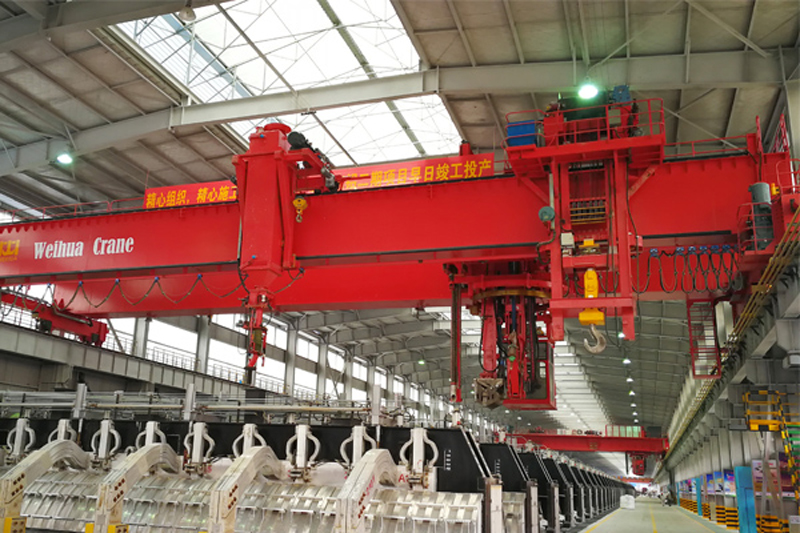
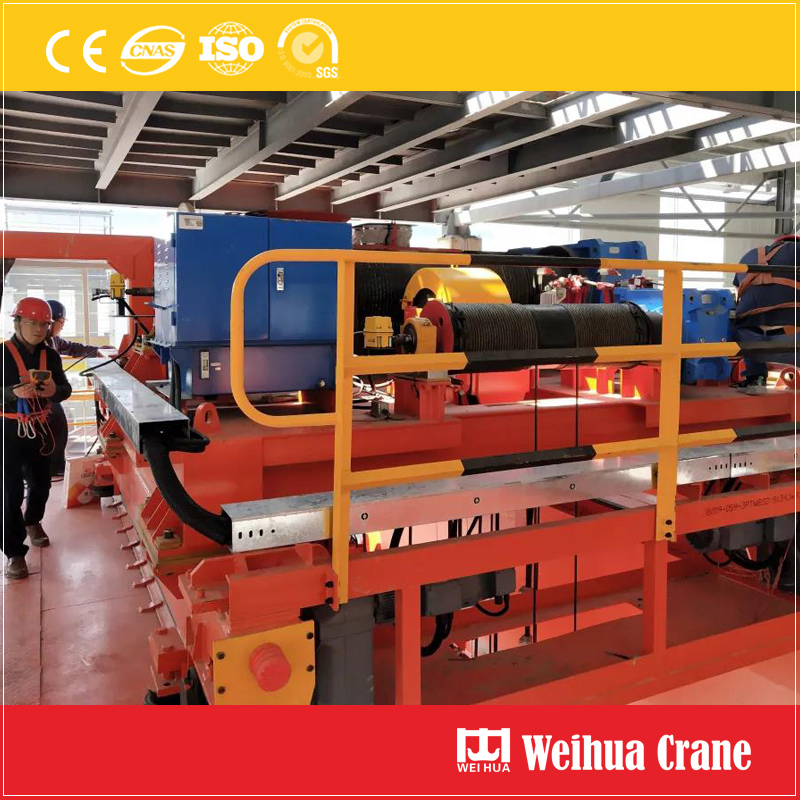
Overhead cranes for aluminium smelter play an indispensable role in various links of the aluminium smelting process, covering raw material handling, electrolysis production, and finished product processing. Their specific applications are as follows:
- 1. Raw Material Handling: In the initial stage of aluminium smelting, the cranes are used to lift and transport raw materials such as bauxite, 氧化铝, and cryolite from the storage yard to the feeding system. The heavy-duty lifting capacity ensures efficient transportation of large batches of raw materials, laying the foundation for continuous smelting production.
- 2. Anode and Cathode Handling: Anodes and cathodes are key components of electrolytic cells. The cranes are responsible for lifting and installing new anodes into the electrolytic cells and removing used anodes. With precise control capabilities, the cranes can accurately position the anodes and cathodes, ensuring the normal operation of the electrolysis reaction. 此外, they transport cathode blocks during the maintenance and replacement of electrolytic cells.
- 3. Electrolytic Cell Maintenance: During the maintenance of electrolytic cells (such as overhaul and replacement of internal components), the cranes lift heavy components such as electrolytic cell covers, busbars, and electrode holders. The high stability and safety protection devices of the cranes ensure the smooth progress of maintenance work, reducing downtime and improving production efficiency.
- 4. Aluminium Liquid and Ingot Handling: After the electrolysis reaction, the cranes lift and transport the molten aluminium (aluminium liquid) from the electrolytic cells to the casting workshop using special ladles. The high-temperature resistance of the cranes ensures safe transportation of aluminium liquid at high temperatures. Subsequently, they lift and stack the cast aluminium ingots, billets, or other finished products to the storage area or next processing line.
- 5. Auxiliary Equipment Handling: The cranes also assist in the transportation and installation of auxiliary equipment in the smelter, such as pumps, 粉丝, and heat exchangers. This facilitates the maintenance and upgrading of the smelter’s equipment system, ensuring the overall operational stability of the plant.
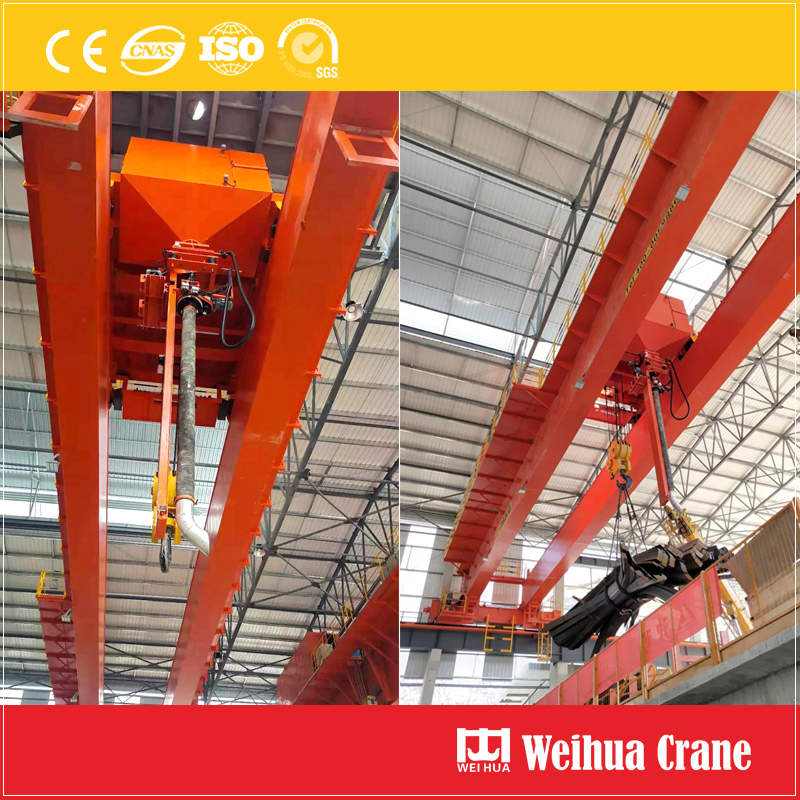
总之, overhead cranes for aluminium smelter are customized to adapt to the harsh and complex working conditions of aluminium smelters. With their unique features, precise parameters, and wide-ranging applications, they provide strong support for the efficient, 安全的, and continuous operation of aluminium smelting processes. Choosing the right overhead crane is crucial for improving the productivity and operational safety of aluminium smelters.
以 PDF 形式分享: 下载




最新评论