» 博客 » 桥式起重机是如何工作的?

桥式起重机是如何工作的?

2025-12-31

桥式起重机是如何工作的?

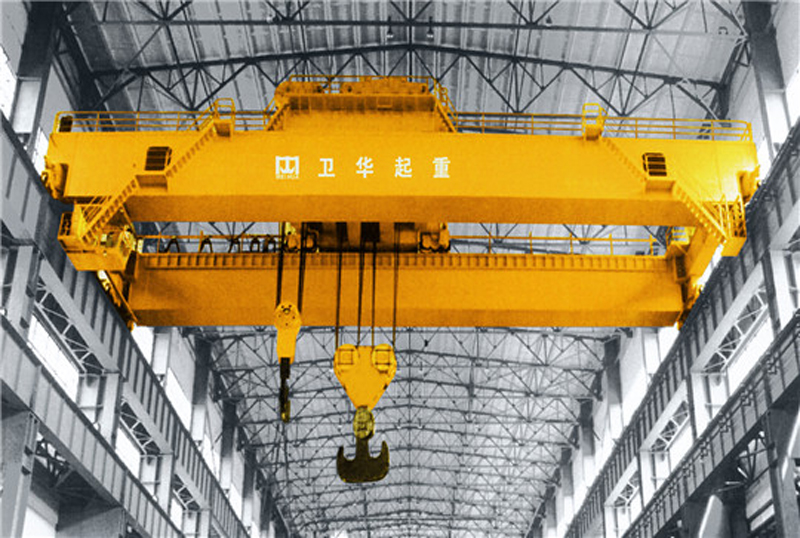
If you’ve ever stepped into a manufacturing plant, 仓库, or shipping yard, you’ve likely spotted a large, horizontal machine gliding above the workspace—this is an 桥式起重机. Also known as bridge cranes, these industrial workhorses play a crucial role in lifting, 移动, and positioning heavy loads that would be impossible for human labor or smaller equipment to handle. But have you ever wondered exactly how they operate? Let’s break down the mechanics, key components, and working principles of an overhead crane in simple terms.

The Core Components of an Overhead Crane

手推车

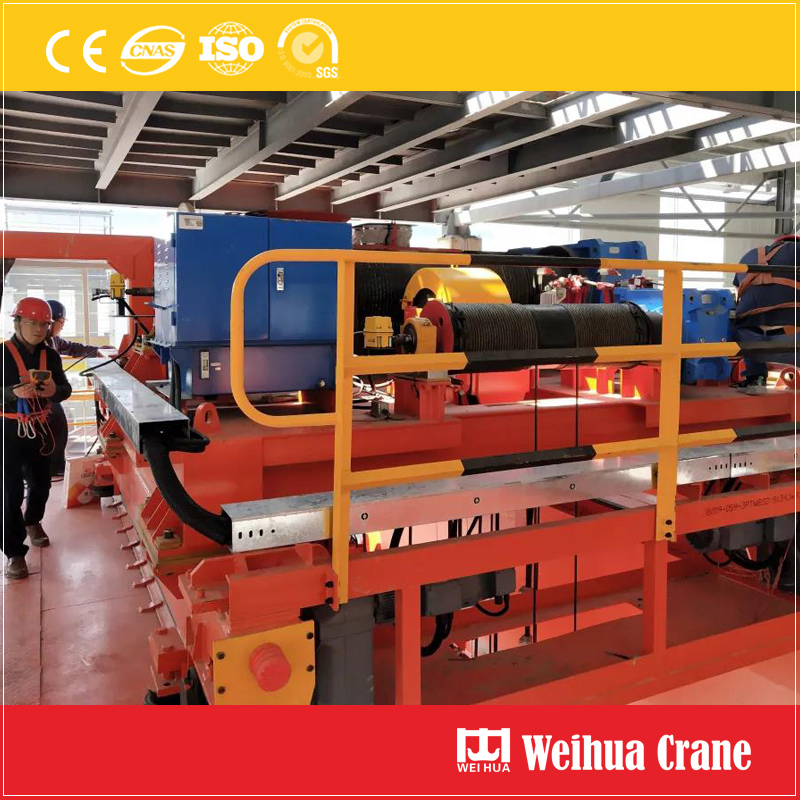
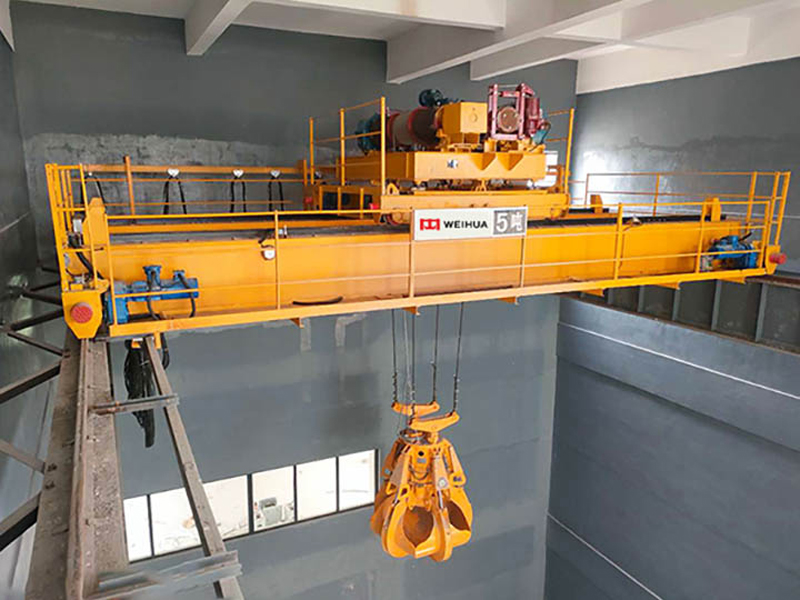
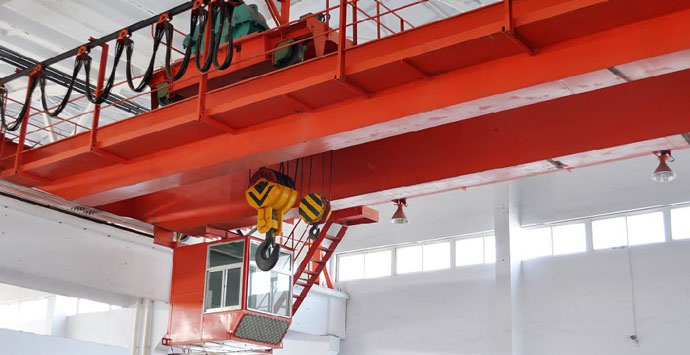
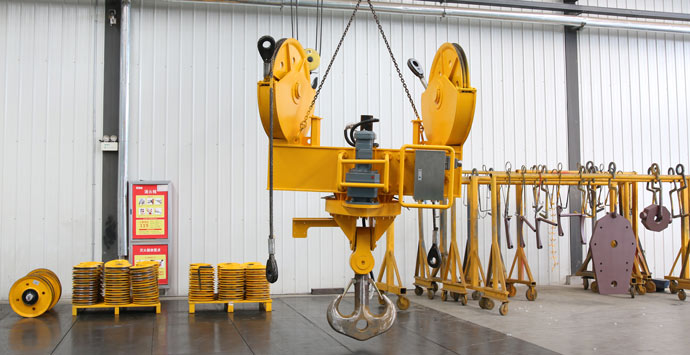
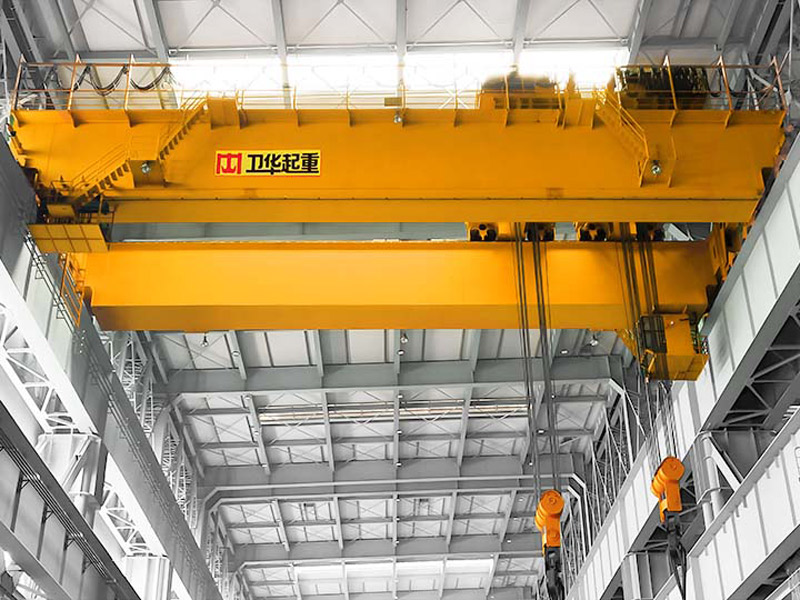
To understand how an overhead crane works, it’s essential to first familiarize yourself with its main parts. Every overhead crane has four fundamental components that work together seamlessly:

The Step-by-Step Working Process

桥式起重机是如何工作的?

Now that we know the parts, let’s walk through how an overhead crane operates to move a heavy load—from positioning to lifting to final placement:

1. Positioning the Crane (Bridge Movement)

第一的, the operator uses the control system to move the bridge along the runway rails. This adjusts the crane’s position along the length of the workspace. 例如, if the load is at the far end of the warehouse, the operator will drive the bridge to that location. The bridge is powered by electric motors that turn wheels, which roll smoothly along the runway rails (often with bearings to reduce friction).

2. Aligning the Trolley

Once the bridge is in the right longitudinal position, the operator moves the trolley along the bridge’s rails. This fine-tunes the position of the hoist so that its hook is directly above the load. This alignment is critical—lifting a load that’s off-center can cause the crane to tip or the load to swing dangerously.

3. Lifting the Load (Hoist Operation)

With the hook aligned, the operator activates the hoist. The hoist’s motor drives a drum (for cables) or a chain wheel (for chains). As the motor turns, the cable or chain is wound around the drum or wheel, lifting the load off the ground. Most hoists have a gear system that amplifies the motor’s force, allowing them to lift extremely heavy loads (some overhead cranes can lift hundreds of tons!).

To lower the load, the motor reverses, unwinding the cable or chain at a controlled speed. Modern cranes have braking systems (like electromagnetic brakes) that prevent the load from dropping accidentally if there’s a power outage or mechanical failure.

4. Moving the Load to the Target Location

Once the load is lifted to a safe height (clear of any obstacles), the operator moves it by combining bridge and trolley movements. 例如, to move the load from one corner of the warehouse to another, the operator might move the bridge forward while sliding the trolley to the side. The key here is smooth, gradual movements—sudden starts or stops can cause the load to swing, which is unsafe and hard to control.

5. Lowering and Placing the Load

When the load reaches the target position, the operator carefully lowers it using the hoist. They’ll slow down as the load approaches the desired height (例如, a pallet rack, a truck bed, or a workbench) to ensure precise placement. Once the load is securely set down, the hook is unlatched, and the operator can move the crane back to its resting position or prepare for the next lift.

Key Safety and Control Features

桥式起重机是如何工作的?

Overhead cranes aren’t just about lifting—they’re also designed with safety in mind, which is integrated into their working principle:

Why Overhead Cranes Are So Essential

The beauty of overhead cranes lies in their ability to cover a large workspace (they can move loads in three dimensions: 上/下, left/right, forward/backward) while keeping the floor clear of obstacles. Unlike forklifts or other ground-based equipment, they don’t take up valuable floor space, making them ideal for busy facilities. Their precision and lifting power also make them indispensable in industries like manufacturing (moving heavy machinery parts), 建造 (lifting steel beams), 船运 (loading/unloading containers), and automotive (assembling vehicles).

总结

In short, an overhead crane works by combining the movement of three main components—bridge, 手推车, and hoist—controlled by an operator to lift and move heavy loads with precision. Every part, from the sturdy bridge to the reliable hoist and safety features, plays a vital role in ensuring efficient, safe operation. Next time you see one in action, you’ll know exactly what’s happening behind the scenes!

Have you ever worked with or observed an overhead crane in action? Let us know your experience in the comments below!

卫华

上一篇文章:
不再, 这已经是最新文章

Get Solution & Price Right Now!

我们重视您的反馈! 请填写下面的表格,以便我们根据您的具体需求定制我们的服务.

姓名:
* 电子邮件:
WhatsApp / 电话号码:
项目地点:
* 信息:

最新评论

D M Shrivastav 说::
你好, 我们正在寻找柄型钩 - 30吨容量符合 ASME 标准 30.10 STD. Please share your Best Quotation for the HOOK and GA for HOOK Thanks & 看待.

相关案例

WhatsApp

联系我们

单击按钮即可在 WhatsApp 上获取产品信息和报价.

获取报价
WhatsApp
询价