
导航菜单

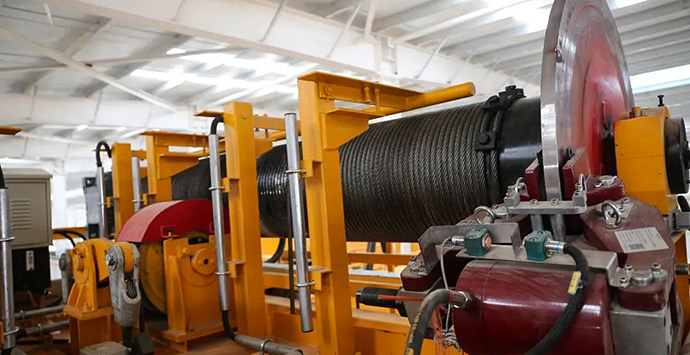
如果您在建筑中工作, 后勤, or any industry that relies on heavy lifting, you’ve likely heard the phrase: a crane has a cable with a breaking strain. But what does that actually mean? Is it just a technical detail, or is it a critical factor that can make or break (quite literally) your operations? 今天, we’re breaking down everything you need to know about crane cable breaking strain—from its definition and how it’s determined to the real-world consequences of ignoring it, plus practical tips to keep your team and equipment safe.
Let’s start with the basics. When we say a crane has a cable with a breaking strain, we’re referring to the maximum tensile force (或负载) that the crane’s cable can withstand before it snaps or fails structurally. It’s not a random number—it’s a carefully calculated value based on the cable’s material, 建造, 直径, 和设计, measured in units like newtons (N), kilonewtons (千牛), or kilograms-force (kgf) depending on regional standards.
Breaking strain is different from “working load limit” (wll), a common term you might confuse it with. The working load limit is the safe load the cable can handle during daily operations—typically a fraction of the breaking strain (经常 10-25%, depending on industry regulations). This gap, called the “safety factor,” is non-negotiable: it accounts for unexpected stresses like dynamic loads (例如, sudden lifts or jerks), wear and tear, and environmental factors that weaken the cable over time.
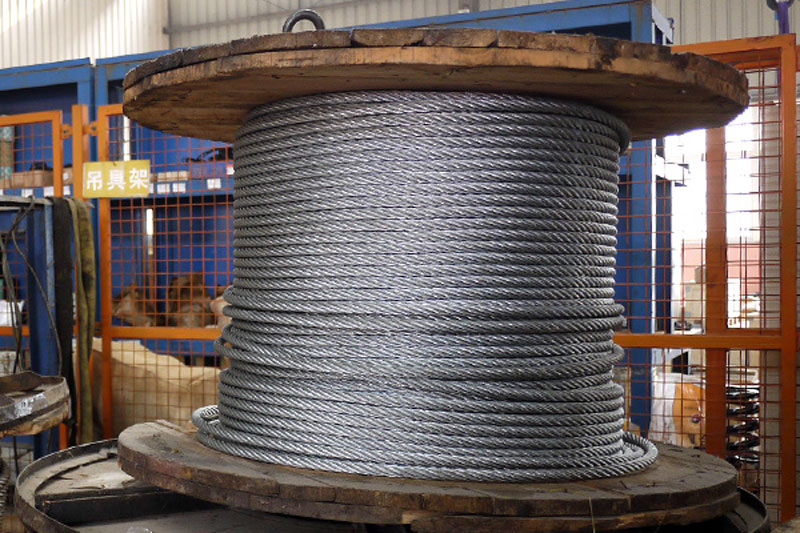
Not all crane cables are created equal, and their breaking strain varies widely based on several key factors. Understanding these will help you choose the right cable for your crane and avoid dangerous mismatches:
Modern crane cables are most commonly made of high-tensile steel wires, which offer exceptional strength and durability. The number of wires and strands in the cable directly impacts its breaking strain: a cable with more (更小) wires has greater fatigue resistance, allowing it to bend repeatedly over sheaves without weakening, while fewer, larger wires may have higher raw strength but less flexibility. 例如, 6-strand cables typically have greater crush resistance (a factor in overall durability) than 8-strand cables, while IWRC (独立钢丝绳芯) cables are more crush-resistant than fiber core cables.
It’s simple physics: the thicker the cable (larger cross-sectional area), the higher its breaking strain. A cable with a larger diameter has more material to distribute the load, reducing stress per unit area. 例如, a 10mm diameter steel cable will have a much lower breaking strain than a 20mm cable of the same material and construction. This is why calculating load limits based on diameter is a foundational safety step.
The core of the cable—either fiber (like hemp or synthetic) or steel—affects both strength and flexibility. Fiber core cables are lighter and more flexible, making them ideal for applications where the cable bends frequently, but they have a lower breaking strain than steel core cables. Steel core cables (like IWRC) are stiffer but can handle heavier loads, making them better for heavy-duty lifting tasks.
Even the strongest cable’s breaking strain will decrease over time if exposed to harsh conditions. Factors like corrosion (from saltwater or chemicals), 极端温度, UV radiation, and repeated bending (over sheaves or drums) all weaken the cable’s structure. 此外, dynamic loads—such as lifting a load too quickly, sudden stops, or side pressure—can temporarily exceed the cable’s safe working load, inching it closer to its breaking strain prematurely.
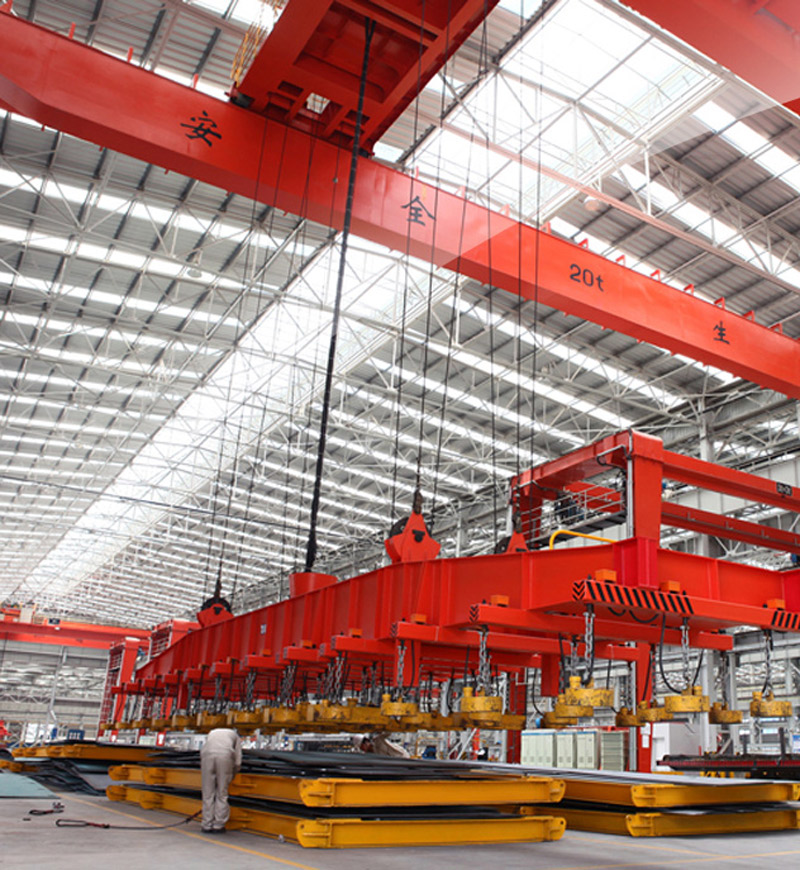
When you overlook the fact that a crane has a cable with a breaking strain, 结果可能是灾难性的. Let’s look at two real-world examples that highlight the danger:
在 2000, a Florida construction site experienced a fatal accident when a crane cable snapped while lifting a 73.3-ton concrete bridge girder. The cable used did not match the manufacturer’s recommended specifications—using a 6×26 construction instead of the required 6×36—reducing its breaking strain and leading to failure. The falling girder crushed and killed an employee, underscoring how even small deviations from standards can have deadly outcomes.
In another incident in 2022, a crawler crane toppled off a construction barge in Virginia after shifting position, resulting in a total loss of the $2 million crane and an oil spill. While the direct cause was load imbalance, the incident highlights how any stress that pushes a cable toward its breaking strain can trigger a chain reaction of failure, endangering lives, 设备, and the environment.
These accidents aren’t anomalies—they’re reminders that breaking strain isn’t just a technical specification; it’s a safety boundary that must never be crossed.
The good news is that most cable-related accidents are preventable. Here are actionable steps to keep your operations safe, aligned with industry best practices:
1. Always Check the Cable’s Rating
在任何电梯之前, confirm that the crane’s cable is rated for the load you’re lifting. Never exceed the working load limit, and always account for the safety factor. 例如, if a cable has a breaking strain of 6400 公斤 (measured to 2 significant figures), you’ll need to calculate the safe number of 90-kg crates it can lift—accounting for measurement tolerances—to avoid approaching the breaking strain.
2. Inspect Cables Regularly
Daily visual inspections and periodic formal inspections are non-negotiable. 寻找磨损的迹象: frayed wires, 纠结, 腐蚀, 压碎 (distorted cross-sections), or fatigue breaks (recognized by square ends perpendicular to the wire). Even small damage can significantly reduce breaking strain. If you spot any issues, replace the cable immediately—don’t try to repair it or “make it work” for one more lift.
3. 培训您的团队
Every operator and rigger should understand what breaking strain means, how to read cable ratings, and how to spot signs of damage. Proper training also includes learning how to avoid dynamic loads (例如, lifting slowly and smoothly) and how to respond if a cable shows signs of stress. A well-trained team is your first line of defense against accidents.
4. Choose the Right Cable for the Job
Match the cable to your application. 例如, if you’re lifting heavy loads in a marine environment (prone to corrosion), use a galvanized steel cable with a high breaking strain and corrosion resistance. If you’re using a crane with rotating components, opt for specialized rotary cables that can handle torsion without weakening. Using the wrong cable for the job is a recipe for failure.
5. Store & Maintain Cables Properly
When not in use, store cables in a dry, well-ventilated area away from direct sunlight, 化学物质, and sharp objects. Avoid over-bending or kinking cables during storage, as this can damage their structure and reduce breaking strain. For long-term storage, periodically inspect and test cables to ensure they’re still in good condition.
At the end of the day, the phrase a crane has a cable with a breaking strain is a reminder of responsibility—responsibility to your team, 您的设备, and the safety of everyone around you. Breaking strain isn’t a suggestion; it’s a hard limit that, when ignored, leads to tragedy.
By understanding what breaking strain is, how it’s determined, and how to protect your cables, you can ensure that every lift is safe, 高效的, and compliant. 记住: a strong cable is only as reliable as the people who use and maintain it. Don’t cut corners—respect the breaking strain, and keep your worksite safe.
Have you ever dealt with cable maintenance or load calculations for cranes? Share your tips or experiences in the comments below—we’d love to hear from you!
我们重视您的反馈! 请填写下面的表格,以便我们根据您的具体需求定制我们的服务.




最新评论