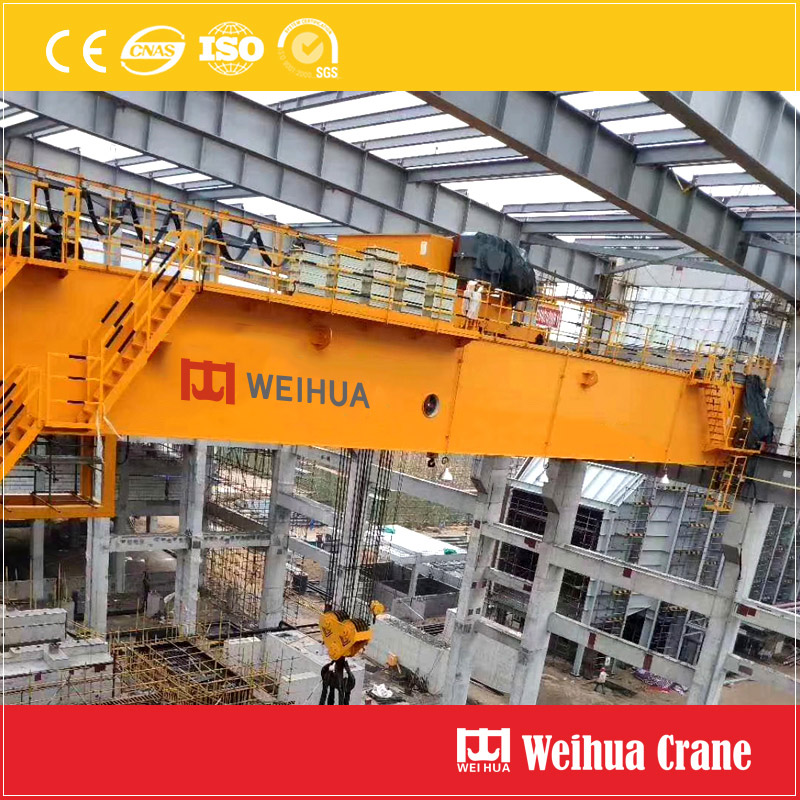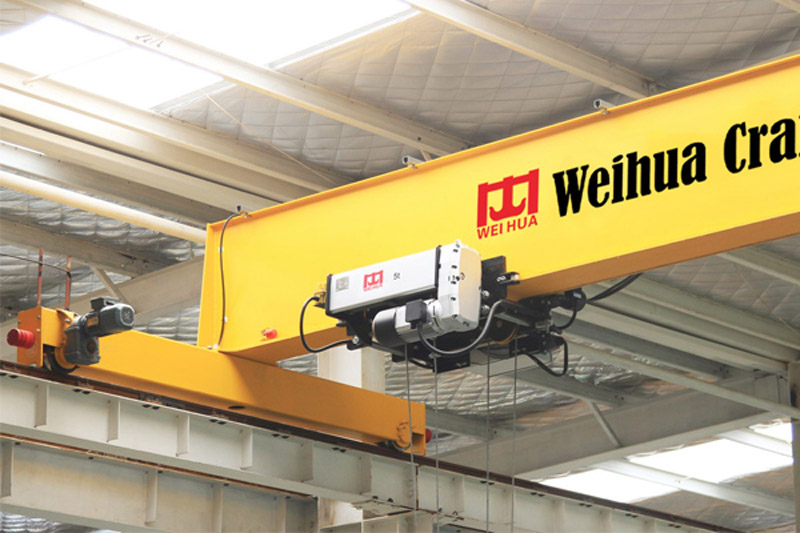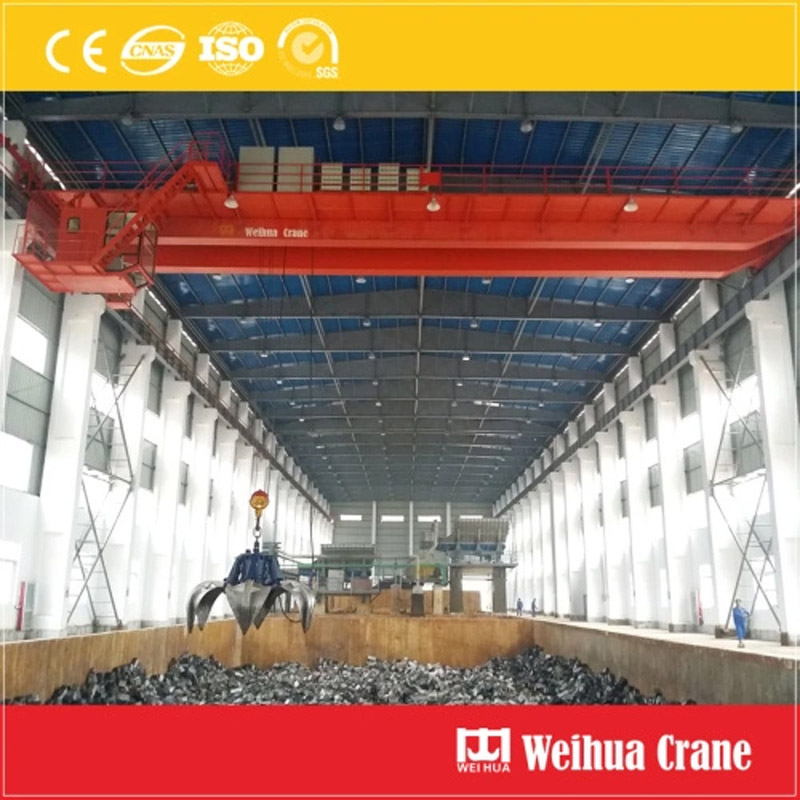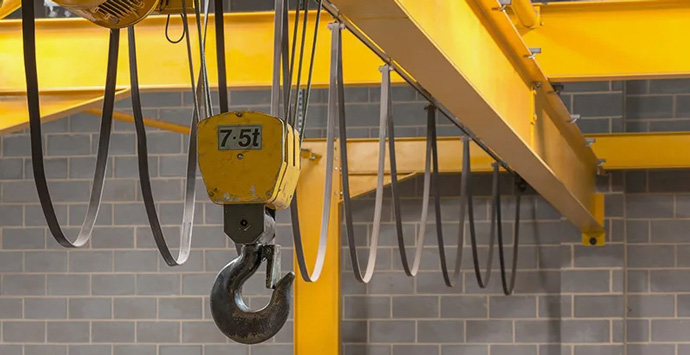
If you’ve ever stepped into a manufacturing plant, 倉庫, 或建築工地, you’ve likely spotted an overhead crane gliding along a runway system above the floor. But what exactly is an overhead crane used for? 簡單地說, these powerful machines are designed to lift, 移動, and position heavy or bulky loads with precision—tasks that would be nearly impossible (or extremely dangerous) for manual labor or smaller lifting equipment. 在這個博客中, we’ll break down the core applications, key industries, and critical benefits of overhead cranes, so you understand why they’re a backbone of industrial and commercial operations worldwide.

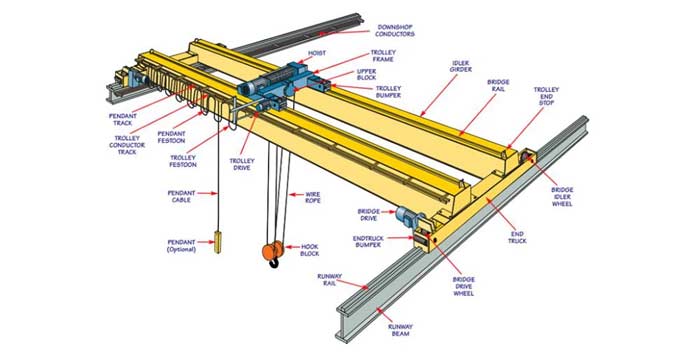
Overhead cranes aren’t one-trick ponies. Their design—featuring a bridge that spans a workspace, a trolley that moves along the bridge, and a hoist for lifting—makes them versatile for a range of tasks. Here are the most common uses:
The primary function of an overhead crane is to move heavy loads across a designated area. Unlike forklifts or manual carts, overhead cranes operate above the workspace, which means they don’t take up valuable floor space and can navigate around obstacles (like machinery, workstations, or storage racks) with ease. Common loads include:
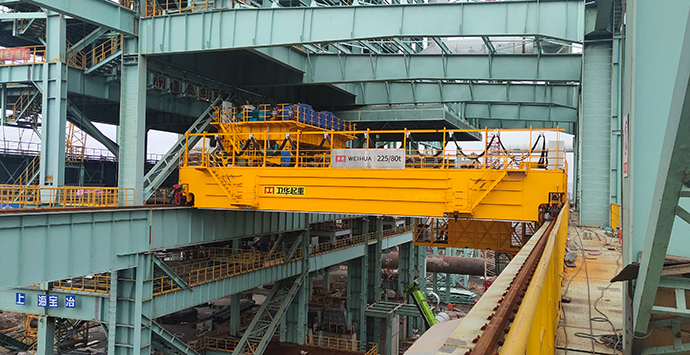
例如, in a steel mill, an overhead crane might move red-hot steel ingots from a furnace to a rolling mill—task that requires extreme precision and heat resistance.
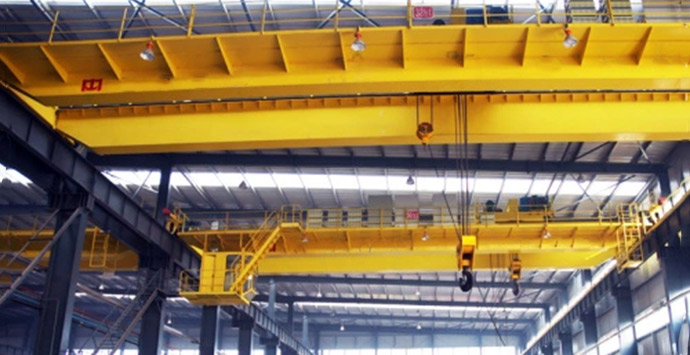
In manufacturing facilities (汽車, 航天, or heavy machinery), overhead cranes play a vital role in streamlining assembly processes. They lift and position components exactly where workers need them, reducing manual effort and speeding up production. For instance:
This integration not only boosts efficiency but also improves worker safety by eliminating the risk of strains or injuries from lifting heavy components.
Warehouses and distribution centers that handle large or heavy inventory rely on overhead cranes to maximize storage space and streamline order fulfillment. Unlike traditional forklifts, which are limited by aisle width, overhead cranes can access hard-to-reach areas (like high shelving or narrow gaps between racks). They’re used to:
在建築工地上, 橋式起重機 (often referred to as “bridge cranes” or “龍門起重機” in this context) are used to lift and place heavy construction materials. They’re particularly useful for projects in tight urban areas where ground space is limited. Common construction applications include:
Many industries require custom overhead crane solutions to handle unique challenges. 例如:

Overhead cranes are essential across a wide range of sectors. Here are the industries where they’re most commonly used:

At their core, overhead cranes are all about making heavy lifting safer, faster, and more efficient. From manufacturing plants to construction sites, warehouses to steel mills, they’re a critical tool that keeps industries running smoothly. If you’re considering an overhead crane for your business, it’s important to choose the right type (bridge crane, 龍門起重機, jib crane, ETC。) and configuration to match your specific lifting needs.
Need help determining which overhead crane is right for you? Contact a trusted overhead crane manufacturer or supplier to get expert advice tailored to your industry and application.


我們重視您的反饋! 請填寫下面的表格,以便我們可以根據您的特定需求來量身定制服務.
最新評論