
Menu điều hướng

MỘT cần cẩu cổng (còn được gọi là cần cẩu cổng cổng) là một thiết bị gắn trên đường ray, cần trục quay toàn vòng tròn được thiết kế dành riêng cho hoạt động tại cảng và bờ sông. Nó có một cơ sở cổng thông tin nổi bật (khung cổng bốn chân) trải dài trên đường ray xe lửa trên bờ hoặc đường xe tải, cho phép các phương tiện vận tải đường bộ đi trực tiếp bên dưới cần cẩu mà không gặp trở ngại.
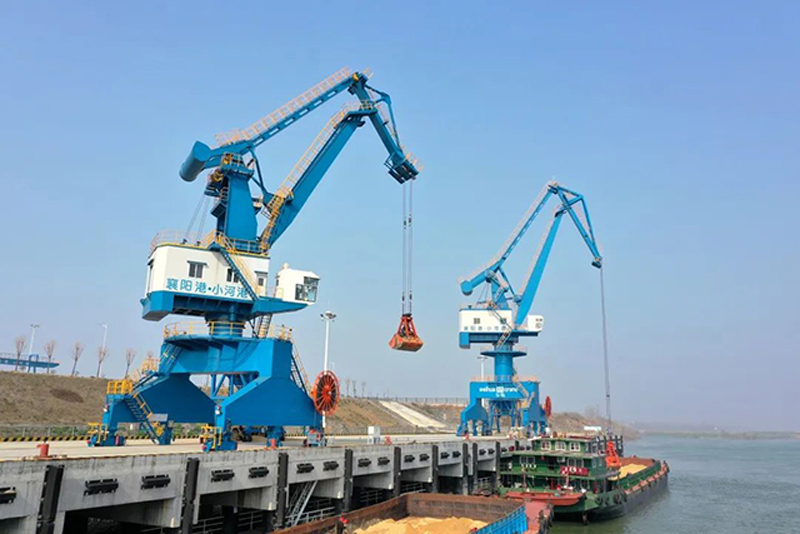
Khác với cần trục (di chuyển theo chiều ngang với một dầm thẳng) và cần cẩu giàn container, Đặc điểm tiêu biểu nhất của cần trục cổng là cơ cấu cần trục quay. Cấu trúc nâng phía trên của nó có thể xoay 360 độ tự do, phù hợp với nhu cầu xếp dỡ của tàu cập cảng. Nó chủ yếu được sử dụng để nâng hàng rời, cửa hàng tạp hóa tổng hợp, và container nhỏ giữa tàu và bến bờ, và là loại cẩu cổ điển và được sử dụng rộng rãi nhất tại các cảng nội địa và ven biển.
Cấu trúc hoàn chỉnh của cần trục cổng được chia thành cơ cấu di chuyển cổng phía dưới và cơ cấu nâng quay phía trên. Mỗi thành phần cốt lõi đảm nhận công việc độc lập và hợp tác để đảm bảo xử lý hàng hóa hiệu quả và an toàn:
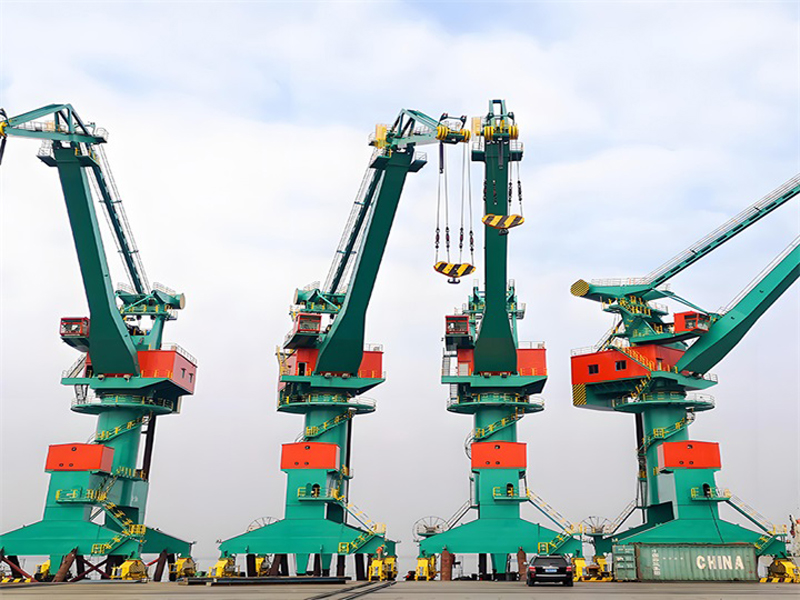
Cần cẩu cổng dựa vào ba hành động hợp tác cốt lõi để hoàn thành việc bốc dỡ hàng hóa trên bờ, với quy trình làm việc hoàn thiện và hiệu quả cao. Đầu tiên, theo vị trí neo đậu của tàu và việc phân bổ hàng hóa, cần cẩu di chuyển dọc theo ray bến tàu để khóa vị trí làm việc tối ưu. Thứ hai, bệ phía trên quay và cần trục xoay để điều chỉnh bán kính làm việc, nhắm móc nâng vào hàng hóa mục tiêu trên tàu.
Cuối cùng, hệ thống tời nâng hàng hóa ổn định, và các kết cấu quay và nâng phối hợp chuyển hàng từ boong tàu lên phương tiện vận tải bờ, hoặc hoàn thành công việc tải ngược. Sự kết hợp của việc đi bộ, sự xoay vòng, việc nâng và nâng cho phép cần cẩu cổng bao phủ các khu vực làm việc hình quạt và hình chữ nhật dọc theo cầu cảng, thích ứng hoàn hảo với việc phân phối hàng hóa không thường xuyên của các tàu cập cảng.
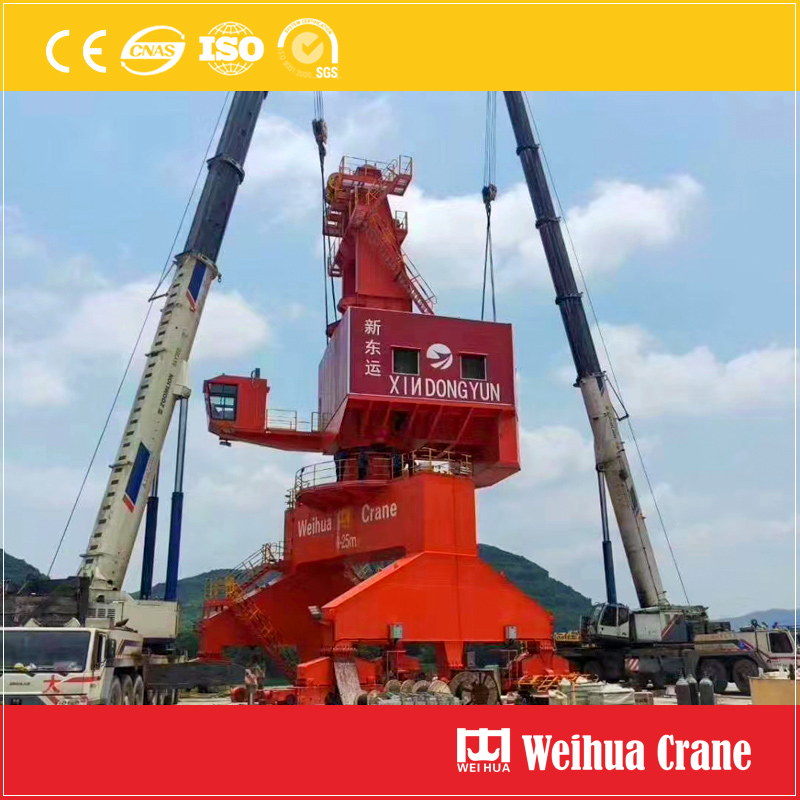
Cần cẩu cổng chủ yếu được phân loại theo hình thức kết cấu và hiệu suất làm việc, và các loại phổ biến trên thị trường như sau:
1. Cần cẩu cổng cố định
Loại cần cẩu này được cố định trên móng ụ không có chức năng di chuyển. Nó có cấu trúc đơn giản, chi phí thấp và hiệu suất ổn định, và phù hợp cho các thiết bị đầu cuối cố định nhỏ, bến hàng đơn và bến nước nông trên sông nội địa với phạm vi làm việc cố định.
2. Cần cẩu cổng di động gắn trên đường sắt
Cần cẩu cổng tiêu chuẩn được sử dụng rộng rãi nhất. Nó có thể di chuyển tự do dọc theo đường ray bến tàu, với phạm vi làm việc có thể điều chỉnh lớn và tính linh hoạt mạnh mẽ. Phù hợp cho các cảng vừa và lớn, nơi tàu cập bến thường xuyên và chủng loại hàng hóa đa dạng., và có thể xử lý hàng rời, hàng tạp hóa và hàng hóa nhẹ một cách hiệu quả.
3. Jib đơn & Cần cẩu cổng đôi
Cần trục cổng đơn có trọng lượng nhẹ và linh hoạt, thích hợp cho việc vận chuyển hàng hóa có trọng tải nhỏ. Model cần trục đôi có hiệu suất nâng cao hơn và khả năng chịu tải lớn hơn, có thể nhận ra hoạt động luân phiên của móc đôi, và chủ yếu được sử dụng cho các cảng lớn ven biển với lượng hàng hóa thông qua cao.
Là thiết bị nâng đặc biệt dành riêng cho cảng, cần cẩu cổng được nhắm mục tiêu cao trong các tình huống ứng dụng, tập trung vào các hoạt động xử lý tàu-bờ bờ sông:
Q1: Sự khác biệt lớn nhất giữa cần trục cổng và cần trục cổng là gì?
A1: Đây là điểm khó hiểu nhất đối với hầu hết mọi người. Cần cẩu cổng là cần cẩu quay để xử lý tàu tại cảng, với chức năng xoay và xoay 360°, đặc biệt cho hàng hóa tàu cập bến. Cần trục cổng là cần trục di chuyển tuyến tính dầm thẳng, chủ yếu được sử dụng cho các xưởng sản xuất, xếp hàng tại bãi và xử lý hàng hóa nội địa, không có chức năng xoay phạm vi lớn. Nguyên tắc làm việc của họ, cấu trúc và kịch bản ứng dụng hoàn toàn khác nhau.
Q2: Trọng tải nâng thông thường của cần trục cổng là bao nhiêu?
A2: Cần cẩu cổng thông thường dùng cho cảng tổng hợp có sức nâng là 5 tấn đến 50 tấn, đáp ứng nhu cầu xử lý hầu hết hàng hóa số lượng lớn và hàng tạp hóa. Các mô hình có trọng tải lớn được tùy chỉnh cho hoạt động của cảng hạng nặng có thể đạt tới 80–100 tấn, được sử dụng cho các thiết bị siêu nặng và xử lý các thành phần thép lớn.
Q3: Cần cẩu cổng có thể được sử dụng trong nhà?
A3: Hiếm khi. Cần cẩu cổng là thiết bị cảng chuyên nghiệp ngoài trời quy mô lớn với thân máy bay cao, phạm vi làm việc quay lớn và thiết kế kết cấu chống gió và chống ăn mòn, được thiết kế hoàn toàn cho môi trường bến tàu ngoài trời. Các xưởng trong nhà chủ yếu sử dụng cần cẩu trên không và cần trục nhỏ thay vì cần cẩu cổng.
Q4: Những hạn chế làm việc chính của cần cẩu cổng là gì?
A4: Cần cẩu cổng chỉ thích hợp cho các tình huống neo đậu tàu ven sông và không thể được sử dụng để xếp hàng trong đất liền có diện tích lớn. Ngoài ra, họ cần phải ngừng làm việc trong điều kiện thời tiết khắc nghiệt như gió mạnh trên mực nước 6, mưa lớn và bão để tránh tai nạn nghiêng thiết bị và rơi hàng hóa.
Q5: Cách bảo trì cầu trục cổng thường xuyên?
A5: Bảo trì hàng ngày bao gồm kiểm tra độ kín của dây thép, tính linh hoạt của cơ chế quay và luffing, và độ nhạy của thiết bị giới hạn an toàn. Kết cấu thép cần được xử lý chống ăn mòn thường xuyên để chống xói mòn do nước biển. Việc kiểm tra tổng thể và bôi trơn các bộ phận truyền động một cách chuyên nghiệp phải được thực hiện mỗi 6 tháng để đảm bảo hoạt động ổn định.
Q6: Tại sao cần cẩu cổng vẫn được sử dụng rộng rãi dù cần cẩu container?
A6: Cần cẩu container chỉ phù hợp để vận chuyển container tiêu chuẩn, trong khi cần cẩu cổng có tính linh hoạt mạnh mẽ hơn. Họ có thể xử lý hàng rời, cửa hàng tạp hóa, thép và hàng hóa có hình dáng đặc biệt mà cần cẩu container không thể đáp ứng được, là thiết bị cốt lõi thiết yếu cho các cảng hàng hóa hỗn hợp và bến sông nội địa.
Là một máy móc cảng chuyên nghiệp và cổ điển, cần cẩu cổng chiếm một vị trí không thể thay thế trong việc vận chuyển hàng hóa ven sông. Cấu trúc trục quay độc đáo và chế độ làm việc phù hợp với bờ biển khiến nó trở thành thiết bị được ưa chuộng để vận chuyển hàng rời và hàng tổng hợp ở nhiều cảng khác nhau trên thế giới. Hiểu được đặc điểm cấu trúc và kịch bản ứng dụng của nó có thể giúp chúng ta nhận biết rõ hơn logic vận hành hiệu quả của các hệ thống hậu cần cảng hiện đại.
Chúng tôi coi trọng phản hồi của bạn! Vui lòng hoàn thành biểu mẫu bên dưới để chúng tôi có thể điều chỉnh các dịch vụ của mình theo nhu cầu cụ thể của bạn.


Nhấp vào nút để nhận thông tin sản phẩm và báo giá trên WhatsApp.
Nhận báo giá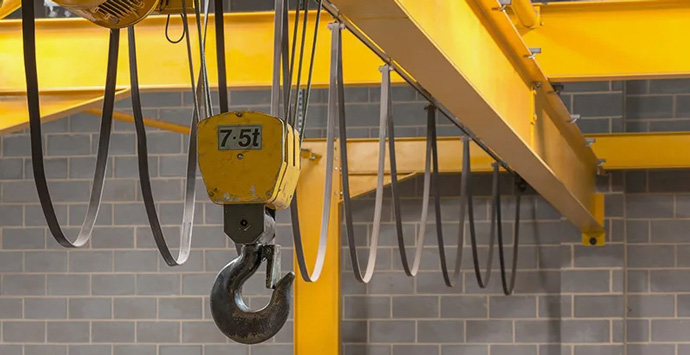
Nhận xét mới nhất