
Menu điều hướng

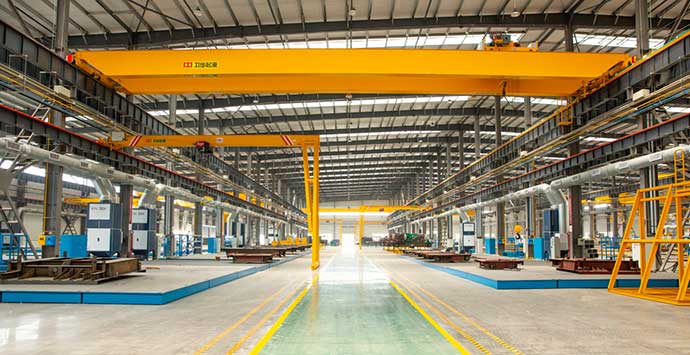
cần cẩu EOT
Du lịch trên cao bằng điện (EOT) cần cẩu là xương sống của hoạt động xử lý vật liệu trên khắp các cơ sở sản xuất của Ấn Độ, sự thi công, Thép, hậu cần, và các ngành công nghiệp kỹ thuật nặng. Từ cần trục dầm đơn nhà xưởng nhỏ đến các mô hình dầm đôi hạng nặng đang vận hành 24/7 trong các nhà máy công nghiệp, Cần cẩu EOT đảm bảo hiệu quả, chuyển động tải liền mạch. Tuy nhiên, thiết kế không được kiểm soát, chế tạo, và hoạt động của những cần cẩu này gây ra những mối nguy hiểm nghiêm trọng về an toàn, bao gồm cả những hư hỏng về cấu trúc, giảm tải, và tai nạn lao động. Để chuẩn hóa chất lượng, an toàn vận hành, độ tin cậy của cấu trúc, và các giao thức bảo trì, Ấn Độ tuân theo một bộ BIS được xác định rõ ràng (Cục Tiêu chuẩn Ấn Độ) mã và quy định pháp luật. Trong blog này, chúng tôi phá vỡ các tiêu chuẩn chính thức của Ấn Độ cho cần cẩu EOT, thông số kỹ thuật chính của họ, phân loại nhiệm vụ, và các yêu cầu tuân thủ đối với các nhà khai thác và sản xuất công nghiệp.
Tất cả các cần cẩu EOT được thiết kế, sản xuất, đã cài đặt, và hoạt động ở Ấn Độ phải tuân thủ IS chính (Tiêu chuẩn Ấn Độ) mã do BIS cấp. Các tiêu chuẩn này bao gồm mọi khía cạnh quan trọng, từ thiết kế kết cấu và lựa chọn vật liệu đến thử tải, an toàn vận hành, và tuổi thọ phục vụ. Dưới đây là các tiêu chuẩn cốt lõi không thể thương lượng dành cho cần cẩu EOT thông thường và chuyên dụng ở Ấn Độ.
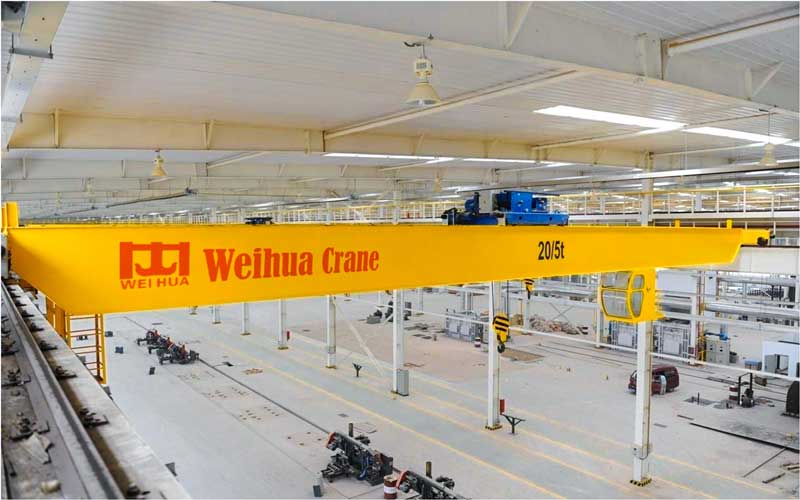
LÀ 3177 là tiêu chuẩn hàng đầu của Ấn Độ dành riêng cho thiết kế, sự thi công, phân loại, và hiệu suất của cần cẩu di chuyển trên cao và cần trục, không bao gồm cần cẩu dành riêng cho nhà máy thép. Đây là tiêu chuẩn tuân thủ cơ bản cho gần như tất cả các cần cẩu EOT công nghiệp nói chung trên toàn quốc.
Các điều khoản chính theo IS 3177 bao gồm:
Ứng dụng công nghiệp thực tế, M5 (nhiệm vụ trung bình) cấp độ phù hợp với các xưởng tổng hợp và cửa hàng máy móc, trong khi M7 và M8 (nhiệm vụ nặng nề) điểm là bắt buộc để liên tục 24/7 hoạt động trong nhà máy xi măng, nhà máy điện, và các đơn vị chế tạo nặng.
Trong khi LÀ 3177 chi phối việc thiết kế và sản xuất, LÀ 807 đóng vai trò là quy tắc vận hành và an toàn chung cho tất cả cần cẩu và vận thăng ở Ấn Độ. Nó đưa ra các hướng dẫn từ đầu đến cuối cho việc lắp đặt cần cẩu, cài đặt tại chỗ, kiểm tra chức năng, hoạt động thường lệ, và bảo trì kết cấu.
IS quan trọng 807 chuẩn mực tuân thủ:
Cần cẩu EOT công nghiệp tiêu chuẩn thuộc IS 3177, nhưng cần cẩu hạng nặng được triển khai tại các nhà máy thép, xưởng đúc, và môi trường công nghiệp nhiệt độ cao yêu cầu phải tuân thủ IS 4137. Tiêu chuẩn này được thiết kế riêng cho các điều kiện hoạt động khắc nghiệt, bao gồm tiếp xúc với nhiệt độ cao, đạp xe tải nặng thường xuyên, và môi trường công nghiệp mài mòn. Nó thực thi sự mạnh mẽ về cấu trúc nâng cao, linh kiện chịu nhiệt, và các tính năng an toàn tiên tiến cho hoạt động của cần cẩu nhà máy.
Ngoài mã BIS IS, Hoạt động của cần cẩu EOT ở Ấn Độ bị ràng buộc về mặt pháp lý bởi các quy định an toàn công nghiệp quốc gia để đảm bảo an toàn tại nơi làm việc và tuân thủ pháp luật.
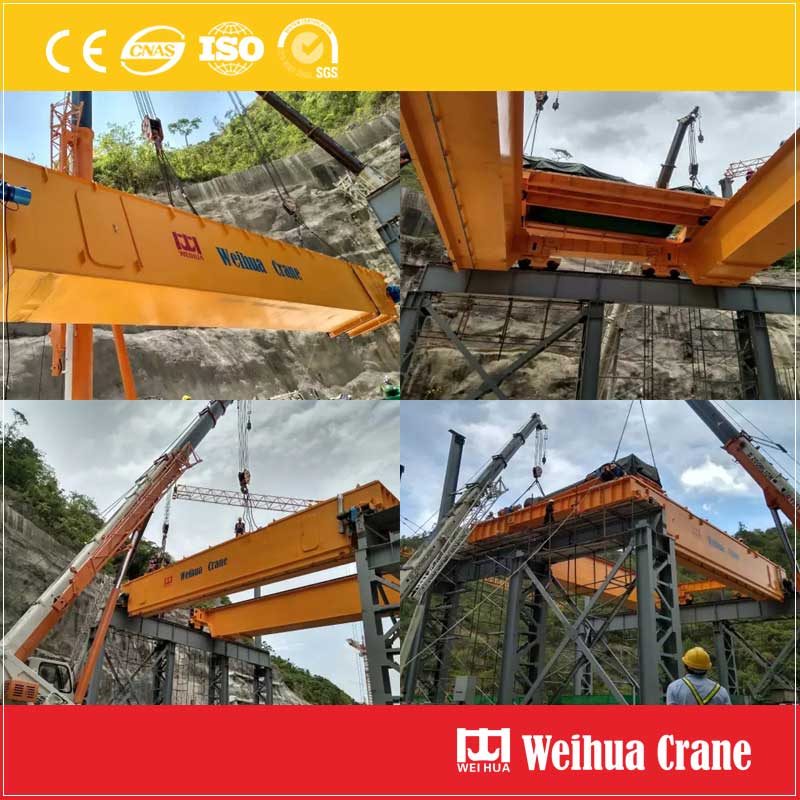
Đây là quy chế pháp lý cơ bản quản lý máy nâng trong các nhà máy ở Ấn Độ. Nó bắt buộc phải có sự kiểm tra bắt buộc của bên thứ ba, chứng nhận, và ủy quyền vận hành cho tất cả các cần cẩu EOT. Theo đạo luật này, mỗi cần cẩu EOT phải có giấy chứng nhận an toàn hợp lệ, trải qua kiểm tra bắt buộc hàng năm, và chỉ được vận hành bởi người được chứng nhận, chuyên gia được đào tạo để ngăn ngừa tai nạn lao động.
Trong khi mã IS của Ấn Độ là bắt buộc, hầu hết các đơn vị công nghiệp đều áp dụng tiêu chuẩn ISO quốc tế để nâng cao độ tin cậy, đặc biệt là cho các cơ sở đa quốc gia và định hướng xuất khẩu.ISO 4309 được theo dõi rộng rãi để kiểm tra dây cáp, BẢO TRÌ, và loại bỏ tiêu chí, đảm bảo các bộ phận nâng quan trọng của cần cẩu EOT đáp ứng các tiêu chuẩn an toàn toàn cầu.
Điểm nổi bật cốt lõi của tiêu chuẩn cần cẩu EOT của Ấn Độ là hệ thống phân loại nhiệm vụ rõ ràng, giúp loại bỏ việc lựa chọn cần trục không phù hợp và hỏng hóc thiết bị sớm. Phân loại dòng M được áp dụng rộng rãi theo IS 3177 như sau:
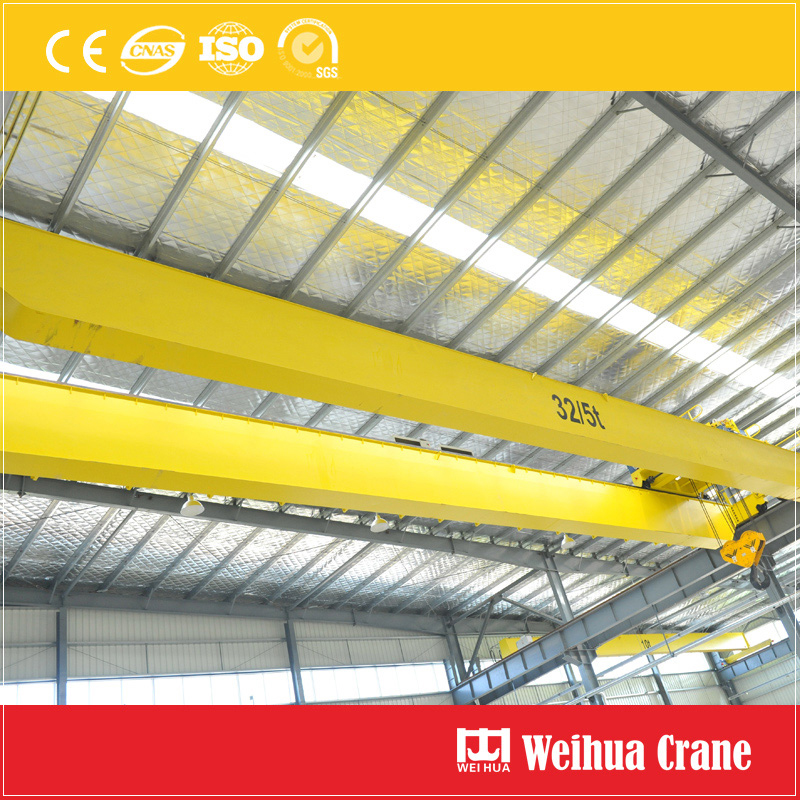
Nhiều nhà khai thác công nghiệp coi việc tuân thủ tiêu chuẩn là một hình thức, nhưng việc tuân thủ các quy tắc IS và các quy định pháp lý mang lại lợi ích lâu dài hữu hình:
Đối với bất kỳ doanh nghiệp công nghiệp nào sử dụng, chế tạo, hoặc lắp đặt cần cẩu EOT tại Ấn Độ, tuân thủ IS 3177, LÀ 807, và LÀ 4137 (cho các ứng dụng chuyên dụng) là không thể thương lượng. Kết hợp với các yêu cầu theo luật định của Đạo luật Nhà máy, 1948, những tiêu chuẩn này tạo ra một khuôn khổ chất lượng và an toàn toàn diện cho hoạt động cầu trục EOT đáng tin cậy. Cho dù bạn đang tìm nguồn cung ứng cần cẩu nhà xưởng dầm đơn mới hay triển khai cần cẩu EOT cấp nhà máy hạng nặng, xác minh việc tuân thủ tiêu chuẩn BIS là bước đầu tiên hướng tới sự an toàn, hợp pháp, và hoạt động xử lý vật liệu hiệu quả về mặt chi phí.
Chúng tôi coi trọng phản hồi của bạn! Vui lòng hoàn thành biểu mẫu bên dưới để chúng tôi có thể điều chỉnh các dịch vụ của mình theo nhu cầu cụ thể của bạn.


Nhấp vào nút để nhận thông tin sản phẩm và báo giá trên WhatsApp.
Nhận báo giá
Nhận xét mới nhất