
Menu điều hướng

Cầu trục là công cụ không thể thiếu trong các nhà máy sản xuất, Kho, và các công trường xây dựng, dựa vào việc nâng và di chuyển tải nặng một cách hiệu quả. Tuy nhiên, cầu trục mất điện là một vấn đề phổ biến và khó chịu có thể khiến hoạt động bị đình trệ, dẫn đến thời gian ngừng hoạt động tốn kém, dự án bị trì hoãn, và thậm chí cả những rủi ro về an toàn. Hiểu nguyên nhân cốt lõi của những lần mất điện này và có quy trình khắc phục sự cố rõ ràng là điều cần thiết để giảm thiểu sự gián đoạn và đảm bảo an toàn tại nơi làm việc. Trong blog này, chúng tôi sẽ đi sâu vào những nguyên nhân chính gây ra sự cố mất điện của cầu trục và cung cấp hướng dẫn từng bước để giải quyết chúng một cách hiệu quả.
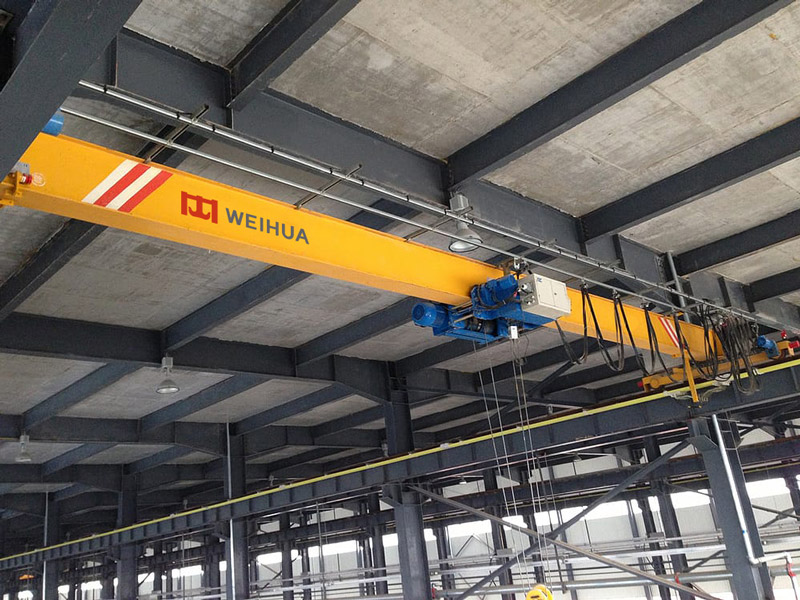
Để giải quyết sự cố mất điện, điều quan trọng đầu tiên là xác định nguồn gốc của nó. Các vấn đề về điện của cần cẩu thường xuất phát từ ba lĩnh vực cốt lõi: sự cố hệ thống điện, yếu tố môi trường, và lỗi vận hành.
Hệ thống điện là huyết mạch của cần cẩu, và bất kỳ lỗi nào bên trong nó đều có thể gây ra tình trạng mất điện. Một trong những thủ phạm thường gặp nhất là dây cáp điện hoặc dây dẫn bị hư hỏng. Theo thời gian, các dây cáp cung cấp điện cho cần cẩu (chẳng hạn như cáp dây hoa hoặc cáp kéo) có thể bị hao mòn do chuyển động liên tục, ma sát với kết cấu cần trục, hoặc tiếp xúc với tải nặng. Vết nứt, sờn, hoặc đứt lớp cách điện có thể gây đoản mạch hoặc mất điện hoàn toàn. Ngoài ra, các kết nối điện bị lỏng hoặc bị ăn mòn—bao gồm cả các thiết bị đầu cuối, đầu nối, và hộp nối—có thể làm gián đoạn dòng điện. Ăn mòn thường xảy ra do hơi ẩm xâm nhập, trong khi các kết nối lỏng lẻo có thể do rung động trong quá trình vận hành cầu trục.
Một vấn đề điện phổ biến khác là bảng điều khiển hoặc thành phần bị lỗi. Bảng điều khiển của cần cẩu có cầu dao, công tắc tơ, rơle, và cầu chì, tất cả đều dễ bị hao mòn. Bộ ngắt mạch bị vấp (do quá tải hoặc ngắn mạch) hoặc cầu chì bị đứt có thể cắt điện ngay lập tức. Công tắc tơ và rơle, điều chỉnh dòng điện đến động cơ của cần cẩu, có thể thất bại do quá nóng, tích tụ bụi, hoặc hao mòn cơ học.
Môi trường làm việc khắc nghiệt có thể ảnh hưởng đáng kể đến độ tin cậy của cần cẩu trên cao hệ thống điện. Nhiệt độ cực cao—dù là nắng nóng hay lạnh cóng—có thể làm hỏng các bộ phận điện. Nhiệt độ cao có thể làm lớp cách nhiệt bị nóng chảy, trong khi nhiệt độ thấp có thể làm cho dây cáp giòn và dễ bị nứt. Độ ẩm và độ ẩm cũng là mối đe dọa lớn: khi nước thấm vào vỏ điện, bảng điều khiển, hoặc kết nối cáp, nó có thể gây đoản mạch, Ăn mòn, hoặc rỉ sét trên các bộ phận kim loại, dẫn đến mất điện.
Bụi, Mảnh vụn, và các chất ô nhiễm công nghiệp là một mối nguy hiểm khác cho môi trường. Ở các nhà máy, công trường có nồng độ bụi cao, các hạt có thể tích tụ trên bảng mạch, công tắc tơ, và các linh kiện điện khác, can thiệp vào chức năng của họ. Đối với cần cẩu ngoài trời, thời tiết khắc nghiệt chẳng hạn như mưa, tuyết, tia sét, hoặc gió mạnh có thể làm hỏng đường dây điện, cáp, hoặc vỏ điện, dẫn đến mất điện đột ngột.
Lỗi của con người và thực hành bảo trì kém thường bị bỏ qua là nguyên nhân gây ra sự cố mất điện của cầu trục. Cần cẩu quá tải vượt quá công suất định mức là một lỗi vận hành phổ biến: Trọng lượng quá lớn làm căng động cơ và hệ thống điện của cần cẩu, dẫn đến quá nhiệt, bộ ngắt mạch bị vấp, hoặc thậm chí hư hỏng vĩnh viễn các bộ phận. Vận hành không đúng cách, chẳng hạn như sự khởi đầu đột ngột, dừng lại, hoặc thay đổi hướng, cũng có thể gây ra hiện tượng tăng điện áp làm gián đoạn nguồn điện.
Bỏ qua việc bảo trì thường xuyên cũng có vấn đề không kém. Không kiểm tra cáp, kết nối, và các thành phần điện để mặc, Ăn mòn, hoặc thiệt hại cho phép các sự cố nhỏ leo thang thành sự cố mất điện lớn. Ví dụ, nếu cáp bị sờn không được thay thế kịp thời, cuối cùng nó có thể bị hỏng, cắt điện giữa hoạt động. Tương tự, bỏ qua việc vệ sinh bảng điều khiển và vỏ điện định kỳ sẽ khiến bụi và mảnh vụn tích tụ, tăng nguy cơ đoản mạch.
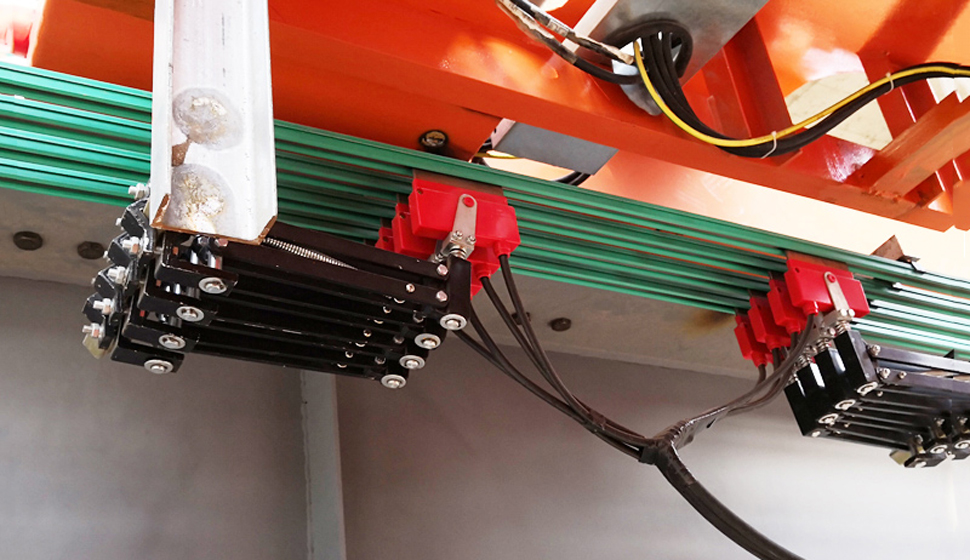
Khi cần cẩu bị mất điện, điều quan trọng là phải hành động nhanh chóng nhưng an toàn. Thực hiện theo quy trình khắc phục sự cố có cấu trúc này để xác định và giải quyết vấn đề:
Trước khi thử bất kỳ sự cố nào, ưu tiên an toàn để ngăn ngừa tai nạn hoặc thiệt hại thêm. Dừng mọi hoạt động của cần cẩu ngay lập tức và đảm bảo tải (nếu có thể) để tránh nó rơi. Tắt công tắc nguồn chính của cần trục và khóa nó lại (sử dụng thủ tục khóa-tagout) để ngăn chặn việc vô tình kết nối lại trong khi làm việc. Mang thiết bị bảo hộ cá nhân thích hợp (PPE), chẳng hạn như găng tay cách điện, kính an toàn, và giày chống trượt, để bảo vệ khỏi bị điện giật hoặc mảnh vụn rơi xuống. Nếu cần cẩu ở ngoài trời và điều kiện thời tiết nguy hiểm (VÍ DỤ., tia sét, mưa to), đợi cho đến khi thời tiết quang đãng trước khi kiểm tra.
Bắt đầu bằng việc kiểm tra trực quan cơ bản để xác định các vấn đề rõ ràng. Kiểm tra cáp điện và dây dẫn (cáp dây hoa, cáp kéo, và đường dây điện) tìm dấu hiệu hư hỏng—sờn rách, vết nứt, nghỉ giải lao, hoặc dây hở. Kiểm tra các kết nối cáp tại cần trục, nguồn điện, và hộp nối để nới lỏng, Ăn mòn, hoặc vết cháy (trong đó chỉ ra một mạch ngắn). Kiểm tra bảng điều khiển cho bộ ngắt mạch bị ngắt, cầu chì thổi, hoặc hư hỏng có thể nhìn thấy như lớp cách nhiệt bị nóng chảy hoặc cặn khói. Cũng, kiểm tra động cơ và vỏ điện của cần cẩu xem có dấu hiệu quá nóng không, Độ ẩm, hoặc tích tụ bụi.
Nếu kiểm tra trực quan không phát hiện ra vấn đề, xác minh rằng cần cẩu đang nhận điện từ nguồn. Sử dụng đồng hồ vạn năng để kiểm tra điện áp ở đầu vào nguồn chính của cầu trục—đảm bảo nó phù hợp với điện áp định mức của cầu trục (VÍ DỤ., 220V, 380V). Nếu không có điện áp, vấn đề có thể nằm ở nguồn điện bên ngoài, chẳng hạn như cầu dao chính bị ngắt trong tòa nhà, một đường dây điện bị hư hỏng, hoặc sự cố trong lưới điện. Liên hệ với đội điện của cơ sở để giải quyết các vấn đề về nguồn điện bên ngoài. Nếu điện áp quá thấp hoặc dao động, điều này có thể cho thấy có vấn đề với nguồn điện hoặc kết nối lỏng lẻo trong hệ thống dây điện chính.
Nếu nguồn điện hoạt động bình thường, tập trung vào bảng điều khiển của cần cẩu. Đặt lại bất kỳ bộ ngắt mạch nào bị ngắt và thay thế cầu chì bị đứt bằng cầu chì có định mức chính xác (không bao giờ sử dụng cầu chì được đánh giá cao hơn, vì điều này có thể gây ra nguy cơ quá nhiệt và hỏa hoạn). Kiểm tra công tắc tơ và rơle xem có dấu hiệu hao mòn không, chẳng hạn như các điểm tiếp xúc bị rỗ hoặc lò xo bị hỏng. Sử dụng đồng hồ vạn năng để kiểm tra xem các bộ phận này có đang nhận và truyền điện đúng cách hay không—nếu công tắc tơ không ăn khớp, nó có thể cần phải được làm sạch, sửa chữa, hoặc thay thế. Cũng, làm sạch bảng điều khiển khỏi bụi và mảnh vụn bằng vải khô hoặc khí nén (đảm bảo đã tắt nguồn trước khi vệ sinh).
Dây cáp lỏng lẻo hoặc hư hỏng thường là nguyên nhân gây ra sự cố mất điện. Thắt chặt mọi kết nối lỏng lẻo bằng các công cụ thích hợp (tránh thắt chặt quá mức, vì điều này có thể làm hỏng thiết bị đầu cuối). Nếu dây cáp bị sờn, nứt, hoặc bị hỏng, thay thế chúng ngay lập tức bằng các loại cáp tương tự thông số kỹ thuật (máy đo, loại cách nhiệt) để đảm bảo tính tương thích và an toàn. Đối với cáp dây hoa, kiểm tra hệ thống xe đẩy để đảm bảo dây cáp không bị vướng hoặc bị kẹp trong quá trình di chuyển—điều chỉnh hệ thống đỡ cáp nếu cần thiết.
Nếu sự cố mất điện là do yếu tố môi trường, thực hiện hành động khắc phục để ngăn ngừa tái diễn. Ví dụ, nếu hơi ẩm xâm nhập vào bảng điều khiển, lau khô thật kỹ và lắp vỏ hoặc gioăng chống thấm nước. Nếu nhiệt độ khắc nghiệt là một vấn đề, xem xét bổ sung hệ thống làm mát hoặc sưởi ấm cho các bộ phận điện. Đối với các lỗi vận hành, đào tạo lại người vận hành về cách sử dụng cần cẩu đúng cách—nhấn mạnh vào việc tránh quá tải, chuyển động đột ngột, và tuân theo các nguyên tắc về khả năng chịu tải.
Sau khi giải quyết vấn đề, bật công tắc nguồn chính (xóa thẻ khóa) và tiến hành chạy thử. Vận hành cần cẩu ở tốc độ thấp, đang test mọi chức năng (nâng, hạ thấp, di chuyển sang trái/phải) để đảm bảo nguồn điện ổn định và không có tiếng ồn hoặc rung động bất thường. Theo dõi tình trạng quá nhiệt của hệ thống điện trong quá trình chạy thử—nếu vấn đề vẫn tiếp diễn, lặp lại quy trình khắc phục sự cố hoặc liên hệ với kỹ thuật viên chuyên nghiệp.
Sự cố mất điện của cầu trục có thể gây gián đoạn, nhưng với sự hiểu biết rõ ràng về nguyên nhân và quy trình khắc phục sự cố có cấu trúc, bạn có thể giải quyết vấn đề một cách nhanh chóng và an toàn. Bảo trì thường xuyên—bao gồm kiểm tra cáp, kết nối, và linh kiện điện, làm sạch bảng điều khiển, và đào tạo người vận hành—là chìa khóa để ngăn chặn sự cố mất điện ngay từ đầu. Bằng cách ưu tiên an toàn, tiến hành kiểm tra kỹ lưỡng, và giải quyết kịp thời các vấn đề, bạn có thể giảm thiểu thời gian ngừng hoạt động, bảo vệ thiết bị của bạn, và đảm bảo hoạt động trơn tru. Nếu bạn không chắc chắn về bất kỳ bước nào trong quy trình khắc phục sự cố, đừng ngần ngại tham khảo ý kiến của kỹ thuật viên điện có trình độ hoặc chuyên gia bảo trì cầu trục.

Chúng tôi coi trọng phản hồi của bạn! Vui lòng hoàn thành biểu mẫu bên dưới để chúng tôi có thể điều chỉnh các dịch vụ của mình theo nhu cầu cụ thể của bạn.


Nhấp vào nút để nhận thông tin sản phẩm và báo giá trên WhatsApp.
Nhận báo giá
Nhận xét mới nhất