
Меню навігації

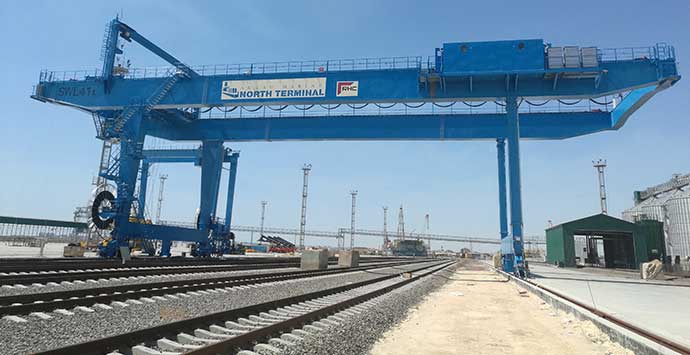
У важких промислових умовах — від верфей і будівельних майданчиків до виробничих цехів —козлові крани служать основою операцій з обробки матеріалів. Ці надійні машини повністю покладаються на стабільність, точні залізничні системи для забезпечення стабільної роботи, високопродуктивна підйомно-пересувна робота. Серед усіх процедур обслуговування та встановлення крана, Вирівнювання рейок портального крана є найважливішим, але часто забутим етапом. Точне вирівнювання рейок – це не просто технічна формальність; це основа безпеки експлуатації, довговічність обладнання, і економічно ефективне виробництво. У цьому блозі, ми розберемо, чому має значення вирівнювання рейок, поширені проблеми зі зміщенням, стандартні допуски, професійні методи калібрування, і дієві поради щодо обслуговування.
Багато промислових операторів недооцінюють вплив незначних перекосів рейок, відкидаючи невеликі відхилення як нешкідливі. Однак, козлові крани працюють в умовах великого навантаження та постійного лінійного руху, де навіть незначні помилки залізниці можуть з часом перерости в серйозні операційні ризики та економічні втрати. Правильне вирівнювання рейок забезпечує три основні переваги систем портальних кранів:
Невідповідність рейок є основною причиною сходження з рейок портального крана, прослизання колеса, і структурне тремтіння під час роботи. Коли рейки нерівні, непаралельний, або зсув на стиках, ходові колеса крана витримують нерівномірний бічний і вертикальний тиск, викликаючи раптові поштовхи, аномальне тремтіння, або навіть часткового сходу з рейок. Ці проблеми становлять серйозну загрозу для працівників на місці, збереження вантажу, і загальна стабільність роботи сайту. Стандартизоване вирівнювання також забезпечує плавну роботу крана без несподіваних механічних пошкоджень, спричинених аномаліями рейок.
Хронічне зміщення рейок створює постійне тертя та структурну напругу на ключових компонентах крана, включаючи ходові колеса, підшипники, коробки передач, і рейкові балки. Нерівномірний розподіл навантаження призводить до прискореного і одностороннього зносу протекторів коліс, часті пошкодження підшипників, і втомні тріщини на поверхнях рейок і опорних конструкціях кранів. Точне вирівнювання балансує розподіл сил між усіма рухомими частинами, різке зниження зносу компонентів, зниження частоти заміни, а також подовження загального терміну служби портального крана та залізничної системи.
Кранам, які рухаються по зміщених рейках, потрібна додаткова потужність для подолання тертя та опору конструкції, що призводить до більшого споживання енергії. Додатково, часті механічні несправності та незаплановані простої для ремонту серйозно порушують виробничі графіки та збільшують витрати на обслуговування. Точне вирівнювання рейок забезпечує плавність, стабільний хід крана, покращує ефективність підйому та пересування, скорочує витрати енергії, а також мінімізує час незапланованого технічного обслуговування для довгострокової економії витрат.
Для проведення ефективного калібрування вирівнювання, дуже важливо визначити типові проблеми зі зміщенням рейок та їх основні причини. Більшість відхилень рейок виникає через неправильне встановлення, осідок фундаменту, тривалий експлуатаційний знос, і зміни навколишнього середовища.
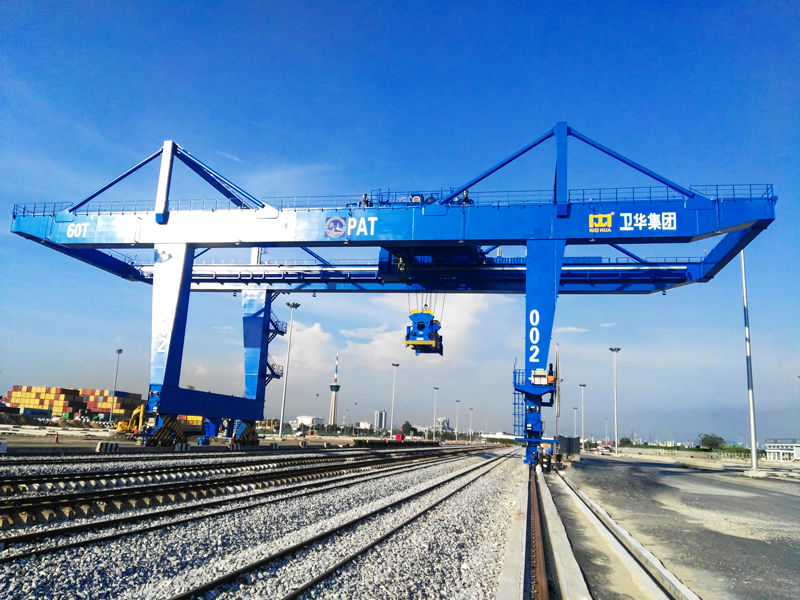
Це відноситься до горизонтальних відхилень осьової лінії рейки від стандартної базової лінії. Сукупні помилки при укладанні рейок, тривале бокове видавлювання від роботи крана, або деформація фундаменту може призвести до вигину або зміщення рейок. Надмірні помилки прямолінійності призводять до заклинювання коліс і бокового тертя під час руху крана.
Дві паралельні рейки не зберігають однакову відстань між прольотами. Змінна відстань між рейками на різних ділянках спричиняє нерівномірний тиск коліс, що призводить до одностороннього зносу коліс і нестабільної роботи крана. Ця проблема поширена в рейкових системах портальних кранів з великим прольотом через кумулятивні помилки встановлення.
Нерівна вертикальна висота між двома рейками або надмірний поздовжній нахил однієї рейки створює вертикальне коливання під час руху крана. Розрахунок фундаменту, нерівномірна прокладка, або тривале стиснення навантаження є основними винуватцями. Сильне відхилення висоти призведе до того, що кран трохи нахилиться під час роботи, привносячи приховані ризики для безпеки.
Зсув, перепад висоти, або необґрунтований зазор у стиках рейок є типовою проблемою на місці. Занадто великий зазор у з’єднанні викликає сильний удар і шум під час проходження коліс; занадто малий зазор не може зберегти простір для теплового розширення та звуження, що призводить до екструзії та деформації рейок. Зміщення шарнірів є одним із основних чинників пошкодження колеса від удару.
Професійне вирівнювання рейок має відповідати міжнародним і промисловим специфікаціям, таким як CMAA 70/74 і внутрішні стандарти встановлення кранів, з чіткими діапазонами допусків для різних показників для забезпечення робочої відповідності та безпеки:
Сучасне вирівнювання рейок відмовляється від традиційних ручних методів вимірювання з великими похибками та використовує високоточні інструменти для повного калібрування. Стандартизований робочий процес вирівнювання виглядає наступним чином:
перше, очистіть поверхню рейки та фундамент від сміття, іржа, та перешкоди, які впливають на вимірювання. Перевірте загальний стан рейкової системи, включаючи тріщини фундаменту, поселення, ослаблені анкерні болти, і деформація рейок, щоб усунути основні структурні проблеми перед вирівнюванням.
Використовуйте професійне вимірювальне обладнання, таке як лазерні трекери, тахеометри, і рівні точності для 3D повномасштабного вимірювання рейкової системи. Вимірюйте ключові показники, включаючи прямолінійність рейок, паралелізм, висота, проліт, та відхилення суглобів у кількох точках уздовж рейки, і записати всі дані для формування повного звіту про вимірювання. Лазерні інструменти забезпечують міліметрову точність вимірювань, значно перевищує традиційне ручне вимірювання лінійкою.
Відповідно до виміряних даних відхилення, проводити цілеспрямовані коригування: Для незначних нерівностей висоти, використовуйте точні прокладки під рейкою, щоб відрегулювати висоту; для місцевих нерівностей рейок, виконати шліфування рейок для згладжування дефектів поверхні та усунення перепадів висоти стиків; для відхилень прямолінійності та паралельності, точно налаштувати положення рейки та виправити сукупні помилки. Усі регулювання виконуються за принципом укладання з обох кінців до середини, щоб уникнути вторинних кумулятивних помилок.
Після регулювання вирівнювання, затягніть усі анкерні болти та рейкові кріплення до стандартних значень крутного моменту, щоб запобігти зсуву рейки під навантаженням. Проведіть повне повторне вимірювання всіх індикаторів вирівнювання, щоб підтвердити, що всі відхилення знаходяться в межах допустимого діапазону допуску, і встановити кінцеві упори на кінцях рейок, щоб запобігти сходженню крана.
Точне вирівнювання рейок — це не одноразовий проект, а потребує тривалого щоденного обслуговування для підтримки стабільності. Ось основні практики планового обслуговування:
Вирівнювання рейок портального крана є основною гарантією безпеки, стабільний, ефективна робота кранового обладнання. Це не лише ключовий процес у встановленні та введенні в експлуатацію, але й основна частина щоденного обслуговування обладнання. Багато промислових втрат викликано простоєм крана, пошкодження компонентів, і нещасних випадків, пов’язаних із безпекою, можна уникнути за допомогою стандартизованого точного вирівнювання та наукового щоденного технічного обслуговування.
Суворо дотримуючись промислових стандартів толерантності, застосування високоточних лазерних вимірювальних технологій, і дотримання регулярних процедур перевірки та технічного обслуговування, підприємства можуть максимізувати термін служби рейкових систем портальних кранів, знизити операційні ризики та витрати на обслуговування, і досягти стабільних і ефективних промислових операцій з обробки матеріалів.
Щоб вирішити типові сумніви операторів на місці, інженери з обслуговування, та керівники проектів, ми зібрали найпоширеніші запитання щодо вирівнювання рейок портального крана з професійними та практичними відповідями нижче.
Q1: Як часто слід перевіряти вирівнювання рейок портального крана?
A1: Періодичність перевірки залежить від інтенсивності експлуатації та умов праці. Для стандартних козлових кранів, що працюють у нормальних умовах, рекомендується проводити повну перевірку вирівнювання рейок кожні 3–6 місяців. Для великих навантажень, високочастотне робоче обладнання або крани, що працюють у суворих умовах, таких як порти, відкриті будівельні майданчики та запилені заводи, огляди проводити кожні 1–3 місяці. На додаток, повне калібрування вирівнювання має бути виконано одразу після осідання фундаменту, екстремальний вплив погоди, тривале відключення та перезавантаження, або випадкове зіткнення крана.
Q2: Які типові ознаки поганого вирівнювання рейок портального крана?
A2: Оператори можуть швидко оцінити зміщення рейок за очевидними явищами на місці. Загальні симптоми включають ненормальне тремтіння та тремтіння під час руху крана, гучне тертя або ударний шум під час руху крана, односторонній сильний знос ходових коліс крана, часта пробуксовка коліс, і явне відхилення від шляху руху крана. У важких випадках, під час підйому кран злегка нахиляється, і кріплення та рейкові накладки часто послаблюються. Як тільки ці проблеми виникають, необхідні своєчасне визначення та регулювання вирівнювання рейок.
Q3: Чи можна незначне зміщення рейки залишити без регулювання?
A3: Не можна ігнорувати незначні відхилення. Хоча незначні відхилення не спричиняють миттєвих нещасних випадків, козлові крани витримують циклічні великі навантаження і безперервний зворотно-поступальний рух під час роботи. Невеликі похибки рейок постійно посилюватимуть структурну напругу та тертя, поступово призводить до прискореного зносу компонентів, підвищене енергоспоживання, та сукупна деформація рейок. Тривале невиправлене незначне зміщення в кінцевому підсумку призведе до ризику сходу з рейок, пошкодження конструкції від втоми, і дороге обслуговування під час простою, що призводить до більших економічних втрат.
Q4: Які вимірювальні інструменти використовуються для професійного вирівнювання рейок?
A4: Сучасне професійне вирівнювання рейок портального крана відмовляється від традиційних ручних вимірювальних інструментів, таких як сталеві стрічки та рівнеміри з великими похибками. Точне вимірювальне обладнання, включаючи лазерні трекери, електронні тахеометри, високоточні цифрові нівеліри та лазерні прилади для вирівнювання широко використовуються в офіційних калібрувальних роботах. Ці пристрої можуть здійснювати тривимірне вимірювання прямолінійності рейок на міліметровому рівні, паралелізм, перепад висот і відхилення прольоту, забезпечення відповідності результатів узгодження міжнародним галузевим стандартам, таким як CMAA 70/74.
Q5: Яке продовження терміну служби після стандартного вирівнювання рейок?
A5: Суворо стандартизоване вирівнювання рейок і довгострокове стабільне обслуговування можуть ефективно продовжити термін служби основних компонентів крана та рейкових систем. За умови регулярного огляду та технічного обслуговування, кваліфіковане вирівнювання рейок може зменшити швидкість зносу ходових коліс, підшипників і редукторів більш ніж 40%, і подовжити загальний термін служби рейкових систем портальних кранів на 20%–30%. Тим часом, це може скоротити незапланований простой на технічне обслуговування більш ніж 35%, значно покращує загальну ефективність роботи обладнання.
Q6: Чи впливає зміна температури на вирівнювання рейок портального крана?
A6: Так, зміна температури є ключовим фактором, що впливає на точність вирівнювання рейок. Екстремально висока або низька температура спричинить теплове розширення та холодне стиснення сталевих рейок, що призводить до тимчасового зміщення рейок, зміни суглобової щілини і незначне відхилення прямолінійності. тому, професійне вирівнювання рейок зазвичай проводиться при постійній температурі. У щоденному обслуговуванні, необхідно зарезервувати стандартні зазори теплового розширення на стиках рейок і сезонно перевіряти стан вирівнювання, щоб усунути відхилення, спричинені змінами температури.
Ми цінуємо ваш відгук! Будь ласка, заповніть форму нижче, щоб ми могли налаштувати наші послуги до ваших конкретних потреб.


Натисніть кнопку, щоб отримати інформацію та цитати продукту на WhatsApp.
Отримайте цитату
Останні коментарі