
Меню навігації

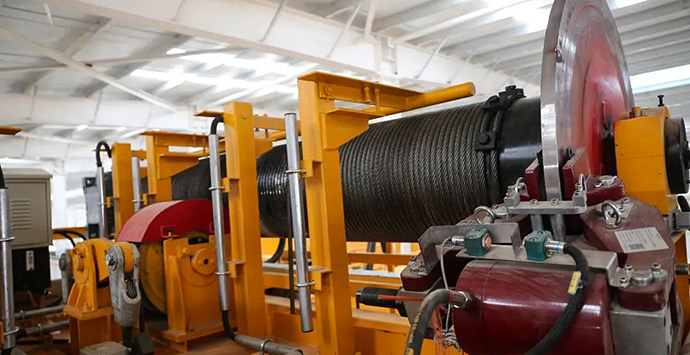
Якщо ви працюєте на будівництві, логістика, або будь-яка галузь, яка покладається на важку роботу, ви, напевно, чули цю фразу: кран має трос з розривною деформацією. Але що це насправді означає? Чи це просто технічна деталь, чи це критичний фактор, який може змінити або зламати (буквально) ваші операції? Сьогодні, ми розбираємо все, що вам потрібно знати про напругу розриву кабелю крана — від її визначення та способу визначення до реальних наслідків її ігнорування, а також практичні поради щодо безпеки вашої команди та обладнання.
Почнемо з основ. Коли ми говоримо, що кран має трос із розривною напругою, ми маємо на увазі максимальну силу розтягування (або навантаження) яку може витримати трос крана до того, як він розірветься або структурно не вийде з ладу. Це не випадкове число — це ретельно розраховане значення на основі матеріалу кабелю, будівництво, діаметр, та дизайн, вимірюється в таких одиницях, як ньютон (Н), кілоньютон (кН), або кілограм-сила (кгс) в залежності від регіональних стандартів.
Деформація розриву відрізняється від «межі робочого навантаження» (Wll), загальний термін, з яким його можна сплутати. Обмеження робочого навантаження - це безпечне навантаження, яке кабель може витримати під час щоденних операцій, зазвичай частка від напруги розриву (часто 10-25%, залежно від галузевих норм). Цей розрив, називають «фактором безпеки».,” не підлягає обговоренню: це пояснює несподівані стреси, такі як динамічні навантаження (Напр., різкі підйоми або ривки), знос, і фактори навколишнього середовища, які з часом послаблюють кабель.
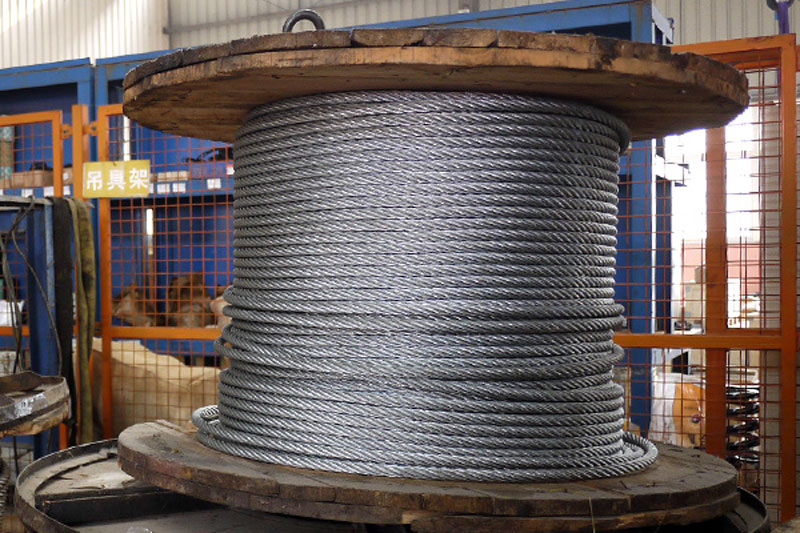
Не всі кранові кабелі однакові, і їх розривна деформація значно змінюється залежно від кількох ключових факторів. Розуміння цього допоможе вам вибрати правильний кабель для вашого крана та уникнути небезпечних невідповідностей:
Сучасні кранові троси найчастіше виготовляють із сталевих дротів високої міцності, які забезпечують виняткову міцність і довговічність. Кількість проводів і жил у кабелі безпосередньо впливає на його напругу на розрив: кабель з більш (і менше) дроти мають більшу стійкість до втоми, дозволяючи йому неодноразово згинатися над снопами без ослаблення, поки менше, великі дроти можуть мати вищу сиру міцність, але меншу гнучкість. Наприклад, 6-жилові кабелі зазвичай мають більшу стійкість до роздавлювання (фактор загальної довговічності) ніж 8-жильні кабелі, тоді як IWRC (Незалежний сердечник дротяного тросу) кабелі більш стійкі до роздавлювання, ніж кабелі з волоконно-жильною жилою.
Це проста фізика: тим товщі кабель (більша площа поперечного перерізу), тим вище його розривна деформація. Трос більшого діаметру має більше матеріалу для розподілу навантаження, зниження напруги на одиницю площі. Наприклад, сталевий трос діаметром 10 мм матиме набагато меншу деформацію на розрив, ніж 20 мм трос з того самого матеріалу та конструкції. Ось чому розрахунок обмежень навантаження на основі діаметра є основним кроком безпеки.
Серцевина кабелю—волокно (як конопляний або синтетичний) або сталь — впливає як на міцність, так і на гнучкість. Оптоволоконні кабелі легші та гнучкіші, що робить їх ідеальними для застосувань, де кабель часто згинається, але вони мають нижчу деформацію розриву, ніж кабелі зі сталевою жилою. Кабелі зі сталевими сердечниками (як IWRC) жорсткіші, але витримують більші навантаження, що робить їх кращими для важких завдань підйому.
Розривна напруга навіть найпотужнішого кабелю зменшується з часом, якщо він піддається впливу важких умов. Такі фактори, як корозія (від солоної води або хімікатів), екстремальні температури, УФ-випромінювання, і повторне згинання (над снопами або барабанами) все це послаблює структуру кабелю. Додатково, динамічні навантаження, такі як надто швидке підняття вантажу, раптові зупинки, або бічний тиск — може тимчасово перевищити безпечне робоче навантаження кабелю, передчасно наближаючи його до розривної напруги.
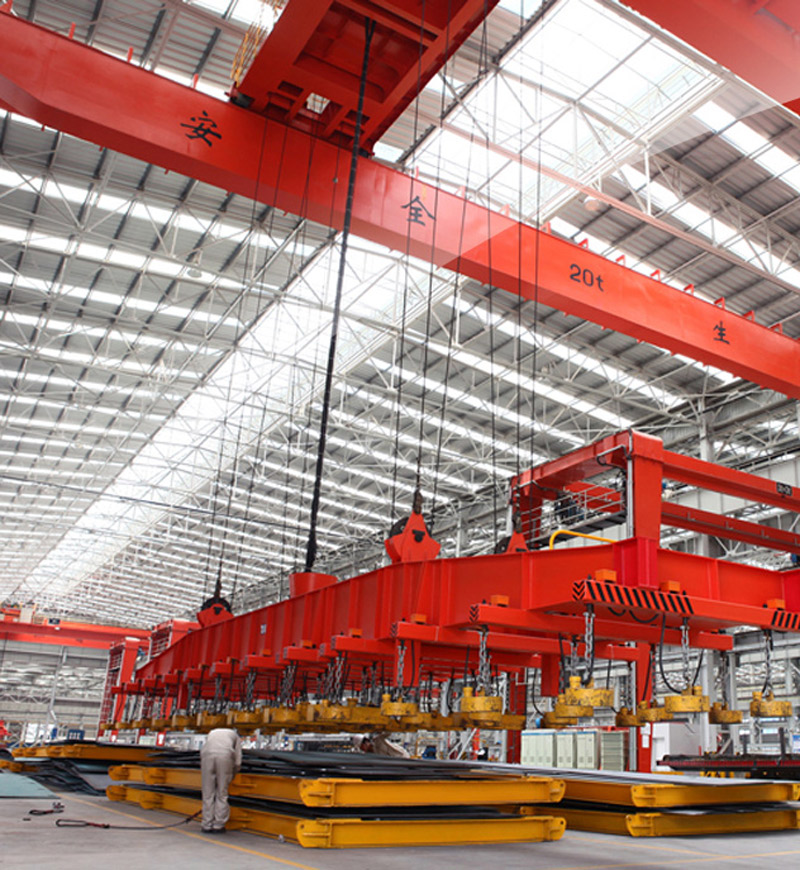
Коли ви не помічаєте того факту, що кран має трос із розривною напругою, результати можуть бути катастрофічними. Давайте розглянемо два приклади з реального світу, які підкреслюють небезпеку:
в 2000, на будівельному майданчику у Флориді сталася смертельна аварія, коли трос крана обірвався під час підйому 73,3-тонної бетонної балки мосту. Використаний кабель не відповідав рекомендованим виробником специфікаціям — використовувалась конструкція 6×26 замість необхідного 6×36, що зменшувало напругу розриву та призводило до поломки. Балка, що впала, розчавила та вбила працівника, підкреслюючи, що навіть невеликі відхилення від стандартів можуть мати летальні наслідки.
В іншому випадку в 2022, Гусеничний кран перекинувся з будівельної баржі у Вірджинії після зміни позиції, що призвело до повної втрати $2 мільйонний кран і розлив нафти. Тоді як безпосередньою причиною був дисбаланс навантаження, інцидент підкреслює, як будь-яка напруга, яка штовхає кабель до розривної напруги, може викликати ланцюгову реакцію відмови, під загрозою життя, обладнання, і навколишнє середовище.
Ці аварії не є аномаліями, вони нагадують, що розривна напруга — це не просто технічна специфікація; це межа безпеки, яку ніколи не можна перетинати.
Доброю новиною є те, що більшості аварій, пов’язаних із кабелем, можна запобігти. Ось дієві кроки, щоб забезпечити безпеку ваших операцій, узгоджується з найкращими галузевими практиками:
1. Завжди перевіряйте рейтинг кабелю
Перед будь-яким ліфтом, переконайтеся, що трос крана розрахований на вантаж, який ви піднімаєте. Ніколи не перевищуйте ліміт робочого навантаження, і завжди враховувати фактор безпеки. Наприклад, якщо кабель має напругу розриву 6400 кг (вимірюється до 2 значні цифри), вам потрібно буде розрахувати безпечну кількість ящиків вагою 90 кг, які він може підняти, враховуючи допуски вимірювання, щоб уникнути наближення до напруги розриву.
2. Регулярно перевіряйте кабелі
Щоденні візуальні перевірки та періодичні офіційні перевірки не підлягають обговоренню. Шукайте ознаки зносу: потерті дроти, перегини, корозія, дроблення (спотворені поперечні перерізи), або переривається втома (розпізнається квадратними кінцями, перпендикулярними до дроту). Навіть невелике пошкодження може значно зменшити навантаження на розрив. Якщо ви помітили будь-які проблеми, негайно замініть трос — не намагайтеся його відремонтувати або «примусити його працювати» для ще одного підйому.
3. Тренуйте свою команду
Кожен оператор і монтажник повинен розуміти, що означає розривна деформація, як читати рейтинг кабелю, і як виявити ознаки пошкодження. Правильне тренування також включає в себе навчання уникненню динамічних навантажень (Напр., піднімання повільно і плавно) і як реагувати, якщо кабель має ознаки стресу. Добре навчена команда — ваша перша лінія захисту від нещасних випадків.
4. Виберіть правильний кабель для роботи
Підберіть кабель до вашої програми. Наприклад, якщо ви піднімаєте важкі вантажі в морському середовищі (схильні до корозії), використовуйте оцинкований сталевий трос з високою міцністю на розрив і стійкістю до корозії. Якщо ви використовуєте кран з обертовими компонентами, вибирайте спеціалізовані поворотні троси, які витримують кручення без ослаблення. Використання невідповідного кабелю для роботи є рецептом невдачі.
5. Магазин & Доглядайте за кабелями належним чином
Коли не використовується, зберігайте кабелі в сухому місці, добре провітрюваному місці подалі від прямих сонячних променів, хімічні речовини, і гострі предмети. Уникайте надмірного згинання або згинання кабелів під час зберігання, оскільки це може пошкодити їх структуру та зменшити напругу розриву. Для тривалого зберігання, періодично перевіряйте та перевіряйте кабелі, щоб переконатися, що вони все ще в хорошому стані.
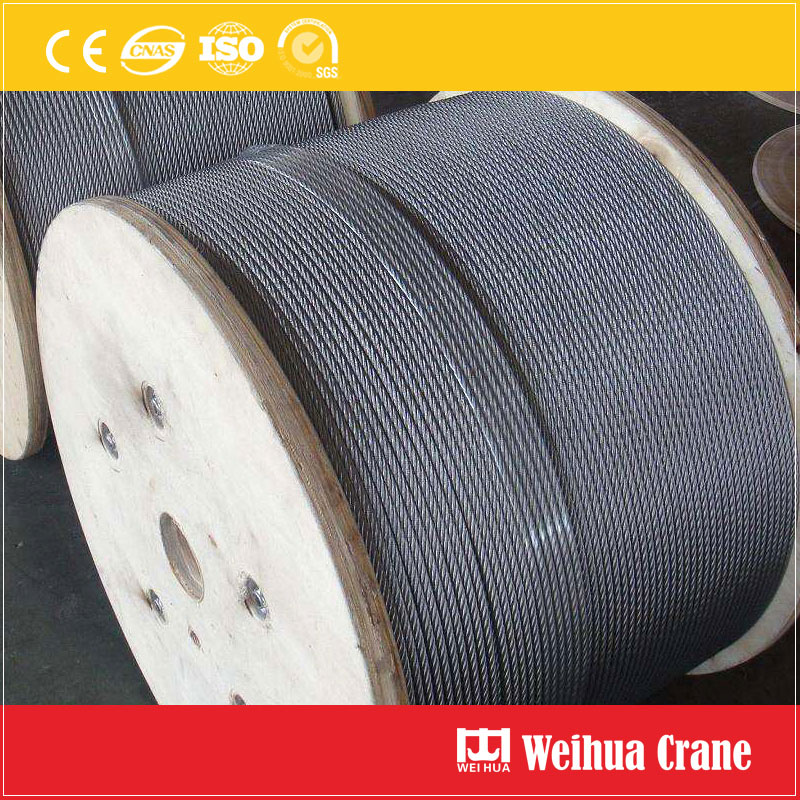
Наприкінці дня, Фраза кран має трос із розривною напругою є нагадуванням про відповідальність—відповідальність перед своєю командою, ваше обладнання, і безпека всіх навколо вас. Порушити деформацію – це не пропозиція; це жорстке обмеження, при ігноруванні, призводить до трагедії.
Розуміючи, що таке розривна деформація, як це визначається, і як захистити ваші кабелі, ви можете переконатися, що кожен ліфт безпечний, ефективний, і сумісний. Запам'ятати: міцний кабель настільки надійний, наскільки надійні люди, які його використовують і обслуговують. Не зрізайте кути — поважайте напругу розриву, і забезпечте безпеку свого робочого місця.
Ви коли-небудь мали справу з обслуговуванням кабелів або розрахунками навантаження для кранів? Поділіться своїми порадами чи досвідом у коментарях нижче — ми будемо раді почути від вас!
Ми цінуємо ваш відгук! Будь ласка, заповніть форму нижче, щоб ми могли налаштувати наші послуги до ваших конкретних потреб.


Натисніть кнопку, щоб отримати інформацію та цитати продукту на WhatsApp.
Отримайте цитату
Останні коментарі