
Gezinme Menüsü

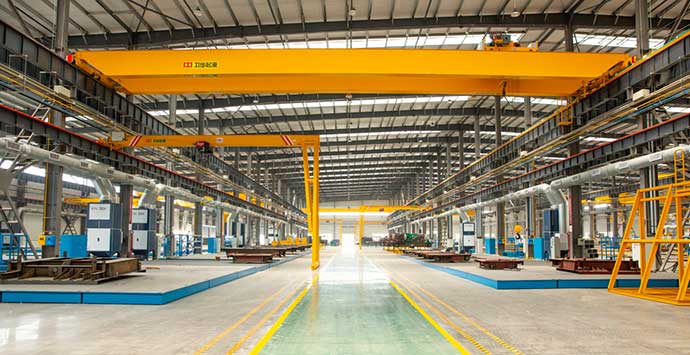
EOT vinci
Elektrikli Havai Seyahat (EOT) Vinçler, Hindistan'ın imalat sektöründeki malzeme taşıma operasyonlarının omurgasını oluşturuyor, yapı, çelik, lojistik, ve ağır mühendislik endüstrileri. Küçük atölye tek kirişli vinçlerden ağır hizmet tipi çift kirişli modellere kadar 24/7 endüstriyel tesislerde, EOT vinçleri verimliliği garanti eder, kesintisiz yük hareketi. Fakat, düzenlenmemiş tasarım, üretme, ve bu vinçlerin çalıştırılması ciddi güvenlik tehlikeleri oluşturmaktadır, yapısal hatalar dahil, yük düşüşleri, ve iş kazaları. Kaliteyi standartlaştırmak, operasyonel güvenlik, yapısal güvenilirlik, ve bakım protokolleri, Hindistan iyi tanımlanmış bir BIS dizisini takip ediyor (Hint Standartları Bürosu) kanunlar ve yasal düzenlemeler. Bu blogda, EOT vinçleri için resmi Hindistan standartlarını yıkıyoruz, temel özellikleri, görev sınıflandırmaları, endüstriyel operatörler ve üreticiler için uyumluluk gereklilikleri.
Tüm EOT vinçleri tasarlandı, üretilmiş, yüklü, ve Hindistan'da işletilen birincil IS'ye uymak zorundadır (Hint Standardı) BIS tarafından verilen kodlar. Bu standartlar her kritik hususu kapsar, yapısal tasarım ve malzeme seçiminden yük testine kadar, operasyonel güvenlik, ve servis ömrü. Aşağıda Hindistan'daki geleneksel ve özel EOT vinçlerine yönelik tartışılmaz temel standartlar yer almaktadır..
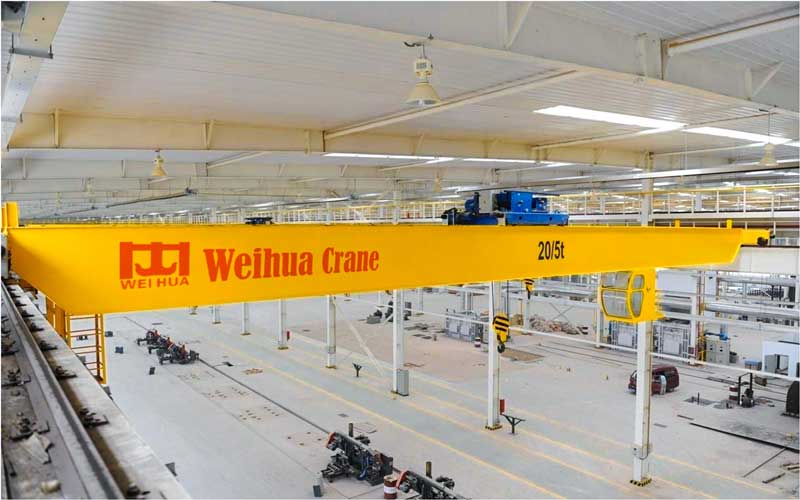
IS 3177 yalnızca tasarıma adanmış amiral gemisi Hint standardıdır, yapı, sınıflandırma, gezer ve gezer vinçlerin performansı, çelik fabrikasına özel vinçler hariç. Ülke genelindeki neredeyse tüm genel endüstriyel EOT vinçleri için temel uyumluluk kriteridir.
IS kapsamındaki temel hükümler 3177 katmak:
Pratik endüstriyel uygulama için, M5 (orta görev) kaliteler genel atölyelere ve makine atölyelerine uygundur, M7 ve M8 ise (ağır hizmet) süreklilik için notlar zorunludur 24/7 çimento fabrikalarında operasyon, enerji santralleri, ve ağır imalat üniteleri.
IS iken 3177 tasarım ve üretimi yönetir, IS 807 Hindistan'daki tüm vinçler ve yük asansörleri için evrensel güvenlik ve çalışma kodu görevi görür. Vinç montajı için uçtan uca yönergeleri ortaya koyuyor, yerinde kurulum, fonksiyonel test, rutin operasyon, ve yapısal bakım.
Kritik GP 807 uyumluluk normları:
Standart endüstriyel EOT vinçleri IS kapsamına girer 3177, ancak çelik fabrikalarında ağır hizmet tipi vinçler kullanıldı, dökümhaneler, ve yüksek sıcaklıktaki endüstriyel ortamlar IS ile uyumluluğu gerektirir 4137. Bu standart aşırı çalışma koşulları için özel olarak tasarlanmıştır, yüksek ısıya maruz kalma dahil, sık ağır yük bisikletine binme, ve aşındırıcı endüstriyel atmosferler. Gelişmiş yapısal sağlamlığı zorlar, ısıya dayanıklı bileşenler, ve değirmen tipi vinç operasyonları için gelişmiş güvenlik özellikleri.
BIS IS kodlarının ötesinde, Hindistan'daki EOT vinç operasyonları, işyeri güvenliğini ve yasal uyumluluğu sağlamak için yasal olarak ulusal endüstriyel güvenlik düzenlemelerine tabidir.
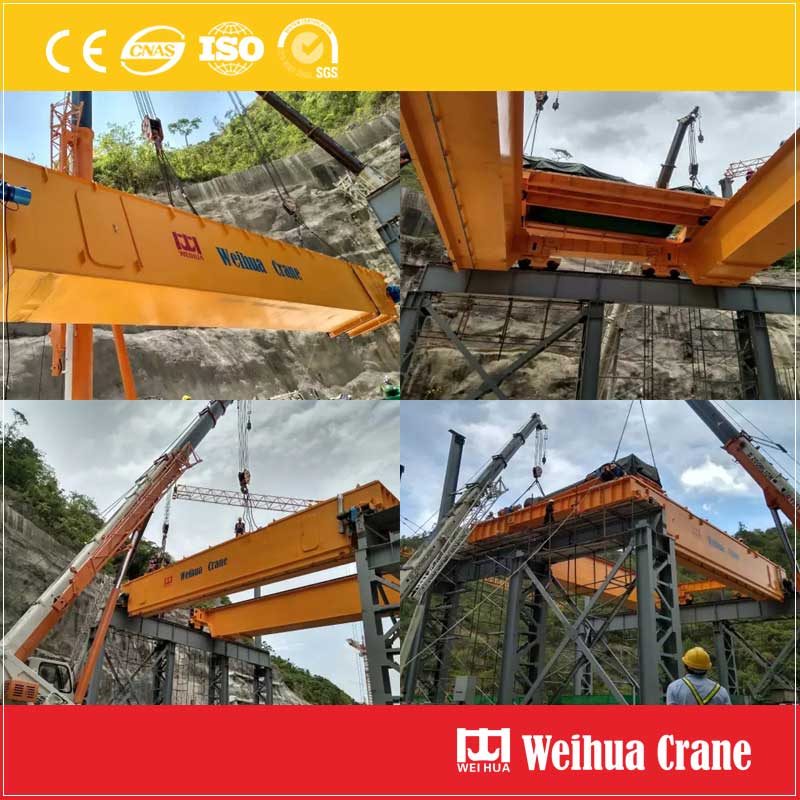
Bu, Hindistan fabrikalarındaki kaldırma makinelerini düzenleyen temel yasal mevzuattır.. Zorunlu üçüncü taraf denetimini zorunlu kılar, sertifikasyon, ve tüm EOT vinçleri için operasyonel yetkilendirme. Bu kanuna göre, Her EOT vinci geçerli bir güvenlik sertifikasına sahip olmalıdır, yıllık zorunlu denetimlerden geçmek, ve yalnızca sertifikalı kişiler tarafından çalıştırılabilir, İş kazalarını önlemek için eğitimli profesyoneller.
Hindistan IS kodları zorunlu olsa da, Çoğu endüstriyel ünite, gelişmiş güvenilirlik için uluslararası ISO standartlarını benimser, özellikle ihracata yönelik ve çok uluslu tesisler için. ISO 4309 tel halat muayenesi için yaygın olarak takip edilmektedir, Bakım, ve kriterleri sil, EOT vinçlerinin kritik kaldırma bileşenlerinin küresel güvenlik kriterlerini karşılamasını sağlamak.
Hindistan EOT vinç standartlarının en önemli özelliklerinden biri net görev sınıflandırma sistemidir, uyumsuz vinç seçimini ve erken ekipman arızasını ortadan kaldırır. IS kapsamında yaygın olarak benimsenen M serisi sınıflandırması 3177 aşağıdaki gibidir:
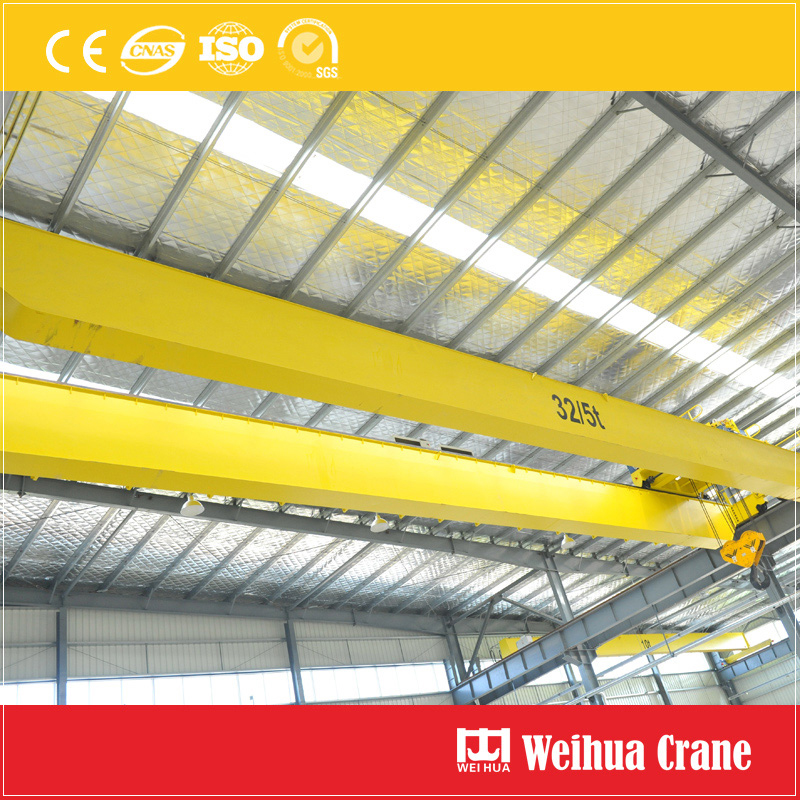
Birçok endüstriyel operatör standartlara uygunluğu bir formalite olarak görmezden geliyor, ancak IS kurallarına ve yasal düzenlemelere bağlılık, uzun vadeli somut faydalar sağlar:
Kullanan herhangi bir endüstriyel işletme için, üretme, veya Hindistan'da EOT vinçlerinin kurulması, IS'ye uygunluk 3177, IS 807, ve IS 4137 (özel uygulamalar için) pazarlık konusu olamaz. Fabrikalar Yasasının yasal gereklilikleriyle eşleştirildi, 1948, bu standartlar güvenilir EOT vinç operasyonları için kapsamlı bir güvenlik ve kalite çerçevesi oluşturur. İster yeni bir tek kirişli atölye vinci tedarik ediyor olun ister ağır hizmet tipi değirmen sınıfı EOT vinçleri kullanıyor olun, BIS standart uyumluluğunun doğrulanması güvenliğe yönelik ilk adımdır, yasal, ve uygun maliyetli malzeme taşıma operasyonları.
Geri bildiriminize değer veriyoruz! Hizmetlerimizi özel ihtiyaçlarınıza göre uyarlayabilmemiz için lütfen aşağıdaki formu doldurun.


Son Yorumlar