
Gezinme Menüsü

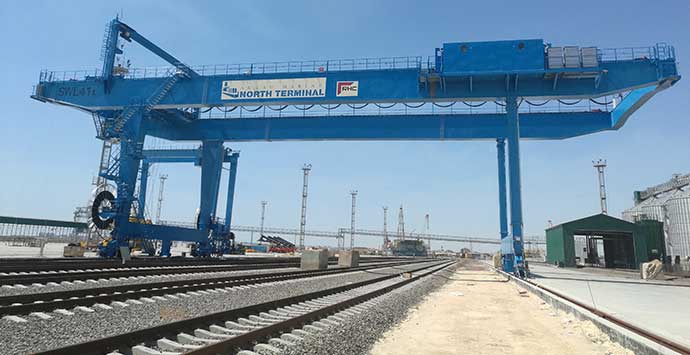
Nakliye tersaneleri ve şantiyelerden üretim atölyelerine kadar ağır endüstriyel ortamlarda -portal vinçler malzeme taşıma operasyonlarının omurgası olarak hizmet eder. Bu sağlam makineler tamamen stabil, tutarlı teslimat için doğru raylı sistemler, yüksek performanslı kaldırma ve seyahat çalışmaları. Tüm vinç bakımı ve kurulum prosedürleri arasında, Portal vinç rayı hizalaması en kritik ancak sıklıkla gözden kaçırılan adım olarak öne çıkıyor. Hassas ray hizalaması yalnızca teknik bir formalite değildir; operasyonel güvenliğin temelidir, ekipman dayanıklılığı, ve uygun maliyetli üretim. Bu blogda, demiryolu hizalamasının neden önemli olduğunu açıklayacağız, yaygın yanlış hizalama sorunları, endüstri standardı toleranslar, profesyonel kalibrasyon yöntemleri, ve uygulanabilir bakım ipuçları.
Birçok endüstriyel operatör küçük ray hizalamalarının etkisini hafife alıyor, küçük sapmaları zararsız olarak görmezden gelmek. Fakat, Portal vinçler ağır yük koşullarında ve sürekli doğrusal hareket altında çalışır, En küçük demiryolu hatalarının bile zamanla ciddi operasyonel risklere ve ekonomik kayıplara dönüşebileceği yerlerde. Doğru ray hizalaması, portal vinç sistemleri için üç temel fayda sağlar:
Yanlış hizalanmış raylar portal vincin raydan çıkmasının başlıca nedenidir, tekerlek kayması, ve çalışma sırasında yapısal titreşim. Raylar dengesiz olduğunda, benzersiz, veya eklemlerde ofset, vincin hareketli tekerlekleri eşit olmayan yanal ve dikey basınç taşır, ani sarsıntıları tetiklemek, anormal titreme, hatta kısmen raydan çıkma. Bu sorunlar sahadaki çalışanlar için ciddi tehditler oluşturmaktadır, kargo güvenliği, ve genel saha operasyonel istikrarı. Standartlaştırılmış hizalama ayrıca vincin ray anormalliklerinden kaynaklanan beklenmeyen mekanik arızalar olmadan sorunsuz çalışmasını sağlar.
Kronik ray yanlış hizalaması, ana vinç bileşenlerinde kalıcı sürtünme ve yapısal stres yaratır, seyahat tekerlekleri dahil, rulmanlar, vites kutuları, ve ray kirişleri. Eşit olmayan yük dağılımı, tekerlek dişlerinin daha hızlı ve tek taraflı aşınmasına neden olur, Rulmanların sık sık hasar görmesi, ray yüzeylerinde ve vinç destek yapılarında yorulma çatlakları. Hassas hizalama, tüm hareketli parçalar arasında kuvvet dağılımını dengeler, bileşen aşınmasını büyük ölçüde azaltır, değiştirme sıklığının azaltılması, portal vincin ve ray sisteminin genel hizmet ömrünün uzatılması.
Yanlış hizalanmış raylar üzerinde çalışan vinçler, sürtünmeyi ve yapısal direnci yenmek için ekstra güce ihtiyaç duyar, daha yüksek enerji tüketimine neden olur. Ek olarak, sık görülen mekanik arızalar ve onarımlar için planlanmamış duruşlar, üretim programlarını ciddi şekilde bozar ve bakım maliyetlerini artırır. Doğru ray hizalaması düzgünlüğü sağlar, istikrarlı vinç yolculuğu, kaldırma ve seyahat verimliliğini artırır, enerji israfını azaltır, ve uzun vadeli maliyet tasarrufu için plansız bakım kesintilerini en aza indirir.
Etkili hizalama kalibrasyonu gerçekleştirmek için, Tipik ray hizalama sorunlarının ve bunların altında yatan nedenlerin belirlenmesi önemlidir.. Ray sapmalarının çoğu yanlış kurulumdan kaynaklanmaktadır, temel yerleşimi, uzun süreli operasyonel aşınma, ve çevresel değişiklikler.
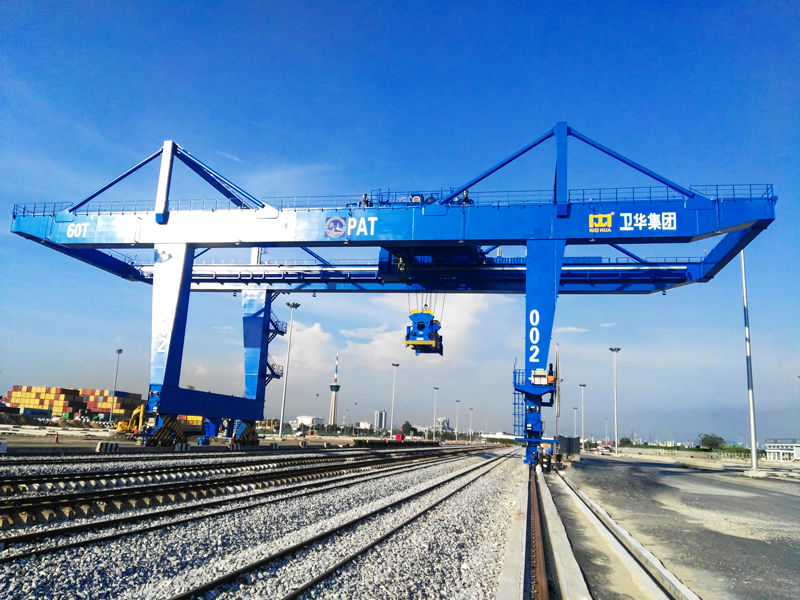
Bu, ray merkez hattının standart taban hattından yatay sapmalarını ifade eder.. Ray döşeme sırasında kümülatif hatalar, Vinç işleminden kaynaklanan uzun süreli yanal ekstrüzyon, veya temel deformasyonu rayların bükülmesine veya kaymasına neden olabilir. Aşırı doğrusallık hataları, vinç hareketi sırasında tekerlek sıkışmasına ve yanal sürtünmeye neden olur.
İki paralel ray düzgün bir açıklık mesafesini koruyamıyor. Farklı bölümlerdeki değişken ray aralığı eşit olmayan tekerlek basıncına neden olur, Tek taraflı tekerlek aşınmasına ve dengesiz vinç çalışmasına yol açan. Bu sorun, kümülatif kurulum hatalarından dolayı uzun açıklıklı portal vinç ray sistemlerinde yaygındır..
İki ray arasındaki eşit olmayan dikey yükseklik veya tek bir rayın aşırı uzunlamasına eğimi, vincin hareketi sırasında dikey titreşime neden olur. Temel yerleşimi, düzensiz parıltı, veya uzun vadeli yük sıkıştırması ana suçlulardır. Ciddi yükseklik sapması, çalışma sırasında vincin hafifçe eğilmesine neden olur, gizli güvenlik riskleri getiriyor.
Telafi etmek, yükseklik farkı, veya ray bağlantı noktalarındaki makul olmayan boşluklar sahadaki yaygın bir sorundur. Çok büyük bir bağlantı boşluğu, tekerlekler geçerken şiddetli darbeye ve gürültüye neden olur; çok küçük bir boşluk, termal genleşme ve büzülme için yer ayıramaz, rayın çıkması ve deformasyonuyla sonuçlanır. Eklem yanlış hizalaması, tekerlek darbe hasarının ana tetikleyicilerinden biridir.
Profesyonel ray hizalama, CMAA gibi uluslararası ve endüstriyel spesifikasyonlara uygun olmalıdır 70/74 ve ev tipi vinç kurulum standartları, Operasyonel uyumluluk ve güvenliği sağlamak amacıyla farklı göstergeler için net tolerans aralıkları:
Modern ray hizalama, büyük hatalar içeren geleneksel manuel ölçüm yöntemlerini terk eder ve tam kalibrasyon için yüksek hassasiyetli cihazları benimser. Standartlaştırılmış hizalama iş akışı aşağıdaki gibidir:
Birinci, döküntüleri gidermek için ray yüzeyini ve temelini temizleyin, pas, ve ölçümü etkileyen engeller. Raylı sistemin genel durumunu inceleyin, Temel çatlakları dahil, yerleşim, gevşek ankraj cıvataları, ve ray deformasyonu, Hizalamadan önce altta yatan yapısal sorunları ortadan kaldırmak için.
Lazer takip cihazları gibi profesyonel ölçüm ekipmanlarını kullanın, toplam istasyonlar, Raylı sistemin 3 boyutlu tam ölçekli ölçümü için hassas seviyeler. Ray düzlüğü dahil temel göstergeleri ölçün, paralellik, yükseklik, açıklık, ve ray boyunca birçok noktada eklem sapması, ve eksiksiz bir ölçüm raporu oluşturmak için tüm verileri kaydedin. Lazer tabanlı araçlar milimetrik düzeyde ölçüm doğruluğu sağlar, geleneksel manuel cetvel ölçümünü çok aşan.
Ölçülen sapma verilerine göre, hedefe yönelik ayarlamalar yapmak: Küçük yükseklik eşitsizlikleri için, Yüksekliği ayarlamak için rayın altında hassas ayar pulları kullanın; yerel demiryolu düzensizlikleri için, Yüzey kusurlarını düzeltmek ve bağlantı yüksekliği farklılıklarını ortadan kaldırmak için ray taşlama gerçekleştirin; Doğruluk ve paralellik sapmaları için, ray konumuna ince ayar yapın ve kümülatif hataları düzeltin. Tüm ayarlamalar, ikincil kümülatif hataları önlemek için her iki uçtan ortaya doğru döşeme prensibini takip eder.
Hizalama ayarından sonra, Rayın yük altında kaymasını önlemek için tüm ankraj cıvatalarını ve ray bağlantı elemanlarını standart tork değerlerine kadar sıkın. Tüm sapmaların izin verilen tolerans aralığında olduğunu doğrulamak için tüm hizalama göstergelerinin tam olarak yeniden ölçülmesini gerçekleştirin, ve vincin raydan çıkmasını önlemek için ray uçlarına uç durdurucular takın.
Hassas ray hizalaması tek seferlik bir proje değildir ancak stabiliteyi korumak için uzun vadeli günlük bakım gerektirir. İşte temel rutin bakım uygulamaları:
Portal vinç rayı hizalaması emniyet için temel bir garantidir, stabil, ve vinç ekipmanlarının verimli çalışması. Bu sadece kurulum ve devreye almada önemli bir süreç değil aynı zamanda günlük ekipman bakımının da temel bir parçasıdır.. Vinç aksama süresinden kaynaklanan birçok endüstriyel kayıp, bileşen hasarı, Standartlaştırılmış hassas hizalama ve bilimsel günlük bakım sayesinde güvenlik kazaları önlenebilir.
Endüstri tolerans standartlarını sıkı bir şekilde takip ederek, Yüksek hassasiyetli lazer ölçüm teknolojisinin benimsenmesi, ve düzenli denetim ve bakım rutinlerine bağlı kalmak, işletmeler portal vinç ray sistemlerinin servis ömrünü maksimuma çıkarabilir, operasyonel riskleri ve bakım maliyetlerini azaltın, istikrarlı ve verimli endüstriyel malzeme taşıma operasyonlarına ulaşmak.
Saha operatörlerinin ortak şüphelerini çözmek için, bakım mühendisleri, ve proje yöneticileri, Portal vinç ray hizalaması hakkında en sık sorulan soruları profesyonel ve pratik cevaplarıyla aşağıda derledik.
Çeyrek: Portal vinç rayı hizalaması ne sıklıkta kontrol edilmelidir??
A1: Denetim sıklığı çalışma yoğunluğuna ve çalışma koşullarına bağlıdır. Normal ortamlarda çalışan standart hizmet tipi portal vinçler için, her 3-6 ayda bir tam ray hizalama muayenesi tavsiye edilir. Ağır yük için, limanlar gibi zorlu ortamlarda çalışan yüksek frekanslı işletim ekipmanları veya vinçler, açık hava şantiyeleri ve tozlu fabrikalar, Denetimler 1-3 ayda bir yapılmalı. Ek olarak, Temel yerleşiminden hemen sonra tam bir hizalama kalibrasyonu yapılmalıdır, aşırı hava etkisi, uzun süreli kapatma ve yeniden başlatma, veya vincin kazara çarpışması.
Çubuk: Portal vinç rayı hizalamasının kötü olduğunun tipik belirtileri nelerdir??
A2: Operatörler, sahadaki bariz olaylar aracılığıyla rayın yanlış hizalanmasını hızlı bir şekilde değerlendirebilir. Yaygın semptomlar arasında vincin hareketi sırasında anormal titreme ve titreme yer alır, Vinç hareket ettiğinde yüksek sürtünme veya darbe sesi, Vinç hareket tekerleklerinin tek taraflı şiddetli aşınması, sık tekerlek kayması, ve vincin hareket yolunda belirgin sapma. Ağır vakalarda, kaldırma işlemleri sırasında vinç hafifçe eğilmiş gibi görünecektir, ve bağlantı elemanları ve ray pedleri sık sık gevşeyecektir. Bu sorunlar ortaya çıktıktan sonra, Ray hizalama tespiti ve ayarının zamanında yapılması gerekiyor.
Çeyrek: Küçük ray yanlış hizalaması ayarlanmadan bırakılabilir mi??
A3: Hiçbir küçük yanlış hizalama göz ardı edilmemelidir. Küçük sapmalar ani güvenlik kazalarına neden olmasa da, Portal vinçler, çalışma sırasında döngüsel ağır yükleri ve sürekli ileri geri hareketi taşır. Küçük ray hataları yapısal gerilimi ve sürtünmeyi sürekli olarak artıracaktır, kademeli olarak hızlandırılmış bileşen aşınmasına yol açar, artan enerji tüketimi, ve kümülatif ray deformasyonu. Uzun vadeli düzeltilmeyen küçük yanlış hizalama, sonunda raydan çıkma risklerine neden olacaktır, yapısal yorulma hasarı, ve masraflı kesinti bakımı, daha büyük ekonomik kayıplara neden olur.
Çeyrek: Profesyonel ray hizalaması için hangi ölçüm araçları kullanılır??
A4: Modern profesyonel portal vinç ray hizalaması, çelik bantlar ve seviye göstergeleri gibi büyük hatalarla geleneksel manuel ölçüm araçlarını terk eder. Lazer takip cihazları dahil hassas ölçüm ekipmanları, elektronik toplam istasyonlar, yüksek hassasiyetli dijital seviyeler ve lazer hizalama cihazları resmi kalibrasyon çalışmalarında yaygın olarak kullanılmaktadır. Bu cihazlar, ray düzlüğünün milimetre düzeyinde 3 boyutlu doğru ölçümünü gerçekleştirebilir, paralellik, yükseklik farkı ve açıklık sapması, Hizalama sonuçlarının CMAA gibi uluslararası endüstri standartlarını karşılamasını sağlamak 70/74.
Q5: Standart ray hizalamasından sonra servis ömrünün uzaması nedir??
A5: Kesinlikle standartlaştırılmış ray hizalaması ve uzun vadeli istikrarlı bakım, ana vinç bileşenlerinin ve ray sistemlerinin hizmet ömrünü etkili bir şekilde uzatabilir. Düzenli denetim ve bakım temelinde, Nitelikli ray hizalaması, hareketli tekerleklerin aşınma hızını azaltabilir, rulmanlar ve dişli kutuları 40%, ve portal vinç ray sistemlerinin genel hizmet ömrünü ila 0 oranında uzatır. Bu sırada, planlanmamış bakım kesintilerini çok daha fazla azaltabilir 35%, Ekipmanın genel operasyonel verimliliğini büyük ölçüde artırır.
S6: Sıcaklık değişimi portal vinç rayı hizalamasını etkiler mi??
A6: Evet, sıcaklık değişimi ray hizalama doğruluğunu etkileyen önemli bir faktördür. Aşırı yüksek veya düşük sıcaklık, çelik rayların termal genleşmesine ve soğuk büzülmesine neden olur, demiryolunun geçici olarak yer değiştirmesine neden olur, eklem boşluğu değişiklikleri ve hafif doğrusallık sapması. Öyleyse, profesyonel ray hizalama inşaatı genellikle sabit sıcaklıkta gerçekleştirilir. Günlük bakımda, sıcaklık değişimlerinden kaynaklanan sapmaları ortadan kaldırmak için ray bağlantı noktalarında standart termal genleşme boşluklarının ayrılması ve hizalama durumunun mevsimsel olarak kontrol edilmesi gerekir.
Geri bildiriminize değer veriyoruz! Hizmetlerimizi özel ihtiyaçlarınıza göre uyarlayabilmemiz için lütfen aşağıdaki formu doldurun.


Son Yorumlar