Normy bezpečnostných faktorov žeriavového háku
2025-08-21
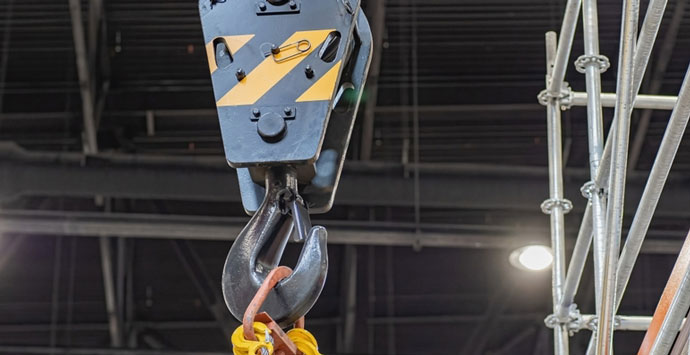
In the world of material handling and heavy lifting, a žeriavový hák is a deceptively simple component. It is the crucial final link between the crane and the load, bearing the immense stress of thousands of kilograms suspended in the air. The integrity of this single piece of forged or cast metal is non-negotiable. This is where the concept of the safety factor becomes paramount. Adherence to rigorous crane hook safety factor standards is not merely a regulatory formality; it is the fundamental engineering principle that prevents catastrophic failures and ensures the protection of life, limb, and property.
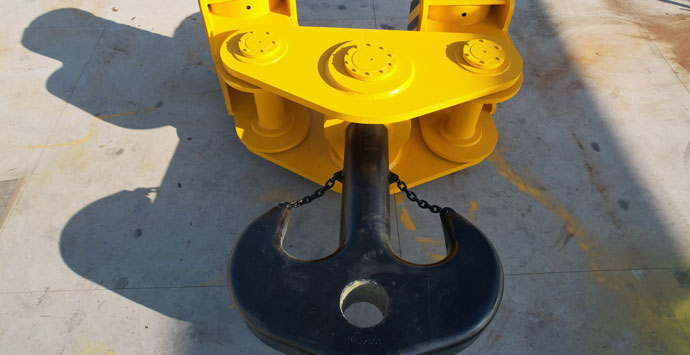
Čo je bezpečnostný faktor?
Bezpečnostný faktor (also known as factor of safety – FoS) is a numerical multiplier applied to the maximum intended load a component is designed to handle. It represents the ratio between the component’s ultimate failure strength (the point at which it breaks) and its maximum working load limit (WLL).
Formula: Bezpečnostný faktor (FoS) = Ultimate Failure Load / Limit pracovného zaťaženia (WLL)
Napríklad, if a hook has a WLL of 10 tons and is designed with a safety factor of 4:1, it means the hook is manufactured from material and to dimensions that would only fail under a load of至少 40 ton. This built-in margin accounts for uncertainties that are impossible to eliminate completely in real-world operations.
Why are High Safety Factors Necessary for Crane Hooks?
The loads on a crane hook are never perfectly predictable. The safety factor is a critical buffer against a host of dynamic and often unforeseen conditions:
- 1. Dynamic Loads: The greatest stress on a hook occurs not during static holding, but during lifting, spúšťanie, or stopping. The inertia of a moving load can instantaneously multiply the force exerted on the hook (a phenomenon known as “hoist shock loading”).
- 2. Side Loading and Sling Angles: Hooks are designed primarily for vertical in-line tension. Any side pull or load applied from an angle creates bending stresses for which the hook is not optimally designed, significantly increasing the risk of failure.
- 3. Material Flaws and Fatigue: Postupom času, metal can develop micro-fractures due to repeated loading and unloading (únava). A high safety factor ensures the hook can withstand these cycles long before a crack becomes critical.
- 4. Environmental Factors: Korózia, extreme temperatures, and wear can degrade the hook’s material properties, effectively reducing its strength over its lifespan.
- 5. Human Error and Unauthorized Modifications: The safety factor provides a vital margin for error in cases of accidental overload or improper use.
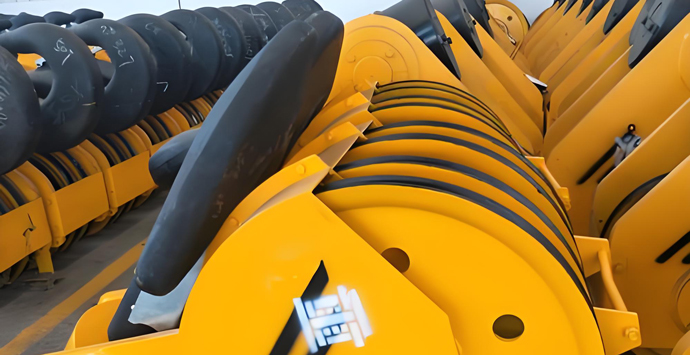
Key International Crane Hook Safety Factor Standards
Globally, several prominent organizations set the standards for crane and hook design. While the numerical values are similar, they can vary based on the crane type, service class, and material.
1. ISO (International Organization for Standardization)
- ISO 4301 (Cranes — Classification) a ISO 17096 (Cranes — Safety — Hoists) provide the overarching framework. They classify cranes into different duty groups (napr., M1 to M8) based on their number of operating cycles and load spectra.
- The required safety factor for hooks increases with the duty group. For the most common hooks on general-purpose cranes (typically made of forged steel), the minimum safety factor on the WLL is 4:1.
2. FEM (Fédération Européenne de la Manutention – European Materials Handling Federation)
- FEM 1.001: This standard is a cornerstone in European crane design. It clearly stipulates that all load-bearing components, including hooks, must have a minimum safety factor relative to the yield strength of the material.
- For hooks, FEM typically requires a minimum safety factor of 2:1 on yield strength and, ešte dôležitejšie, a minimum of 4:1 (often higher) on the ultimate tensile strength relative to the WLL. This ensures the hook will not deform (yield) under normal use and will not fracture under extreme overloads.
3. ASME (American Society of Mechanical Engineers)
- ASME B30.10 (Háčiky) is the primary standard in the United States governing the design, inšpekcia, and use of hooks.
- Similar to international standards, ASME B30.10 mandates that new hooks shall have a minimum design safety factor of 3:1 on yield strength and 5:1 on ultimate strength for alloy steel hooks. For other materials, the factor may be different. This often results in an effective safety factor on WLL of 4:1 or higher, aligning with global norms.
4. OD (Deutsches Institut für Normung – German Institute for Standardization)
- OD 15400 is a specific German standard for hook design. It is highly respected and often referenced. It specifies detailed requirements for materials, výroby (forging), testovanie, and marking.
- OD 15400 also enforces a minimum safety factor of 4:1 on the WLL for standard hooks.
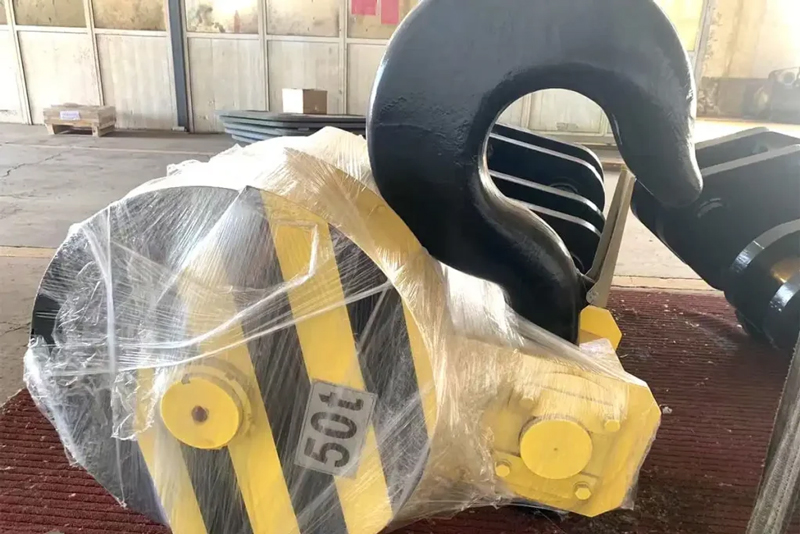
Dizajn, Inšpekcia, and Maintenance
A standard is only as good as its implementation. The safety factor is engineered into the hook through:
- 1. Material Selection: High-quality, traceable alloy steels with known tensile properties.
- 2. Výrobný proces: Precision forging to create a continuous grain flow that follows the hook’s shape, maximizing strength and resistance to cracking.
- 3. Proof Testing: New hooks are often subjected to a proof load test (zvyčajne 125% do 200% of WLL) to verify their integrity without causing permanent deformation.
- 4. Regular Inspection: Standards like ASME B30.10 require frequent and periodic inspections by qualified personnel. Inspectors look for wear, praskliny, deformácia, and throat opening distortion. Any hook that has lost 15% of its original dimension or is twisted by more than 10 degrees must be removed from service immediately.
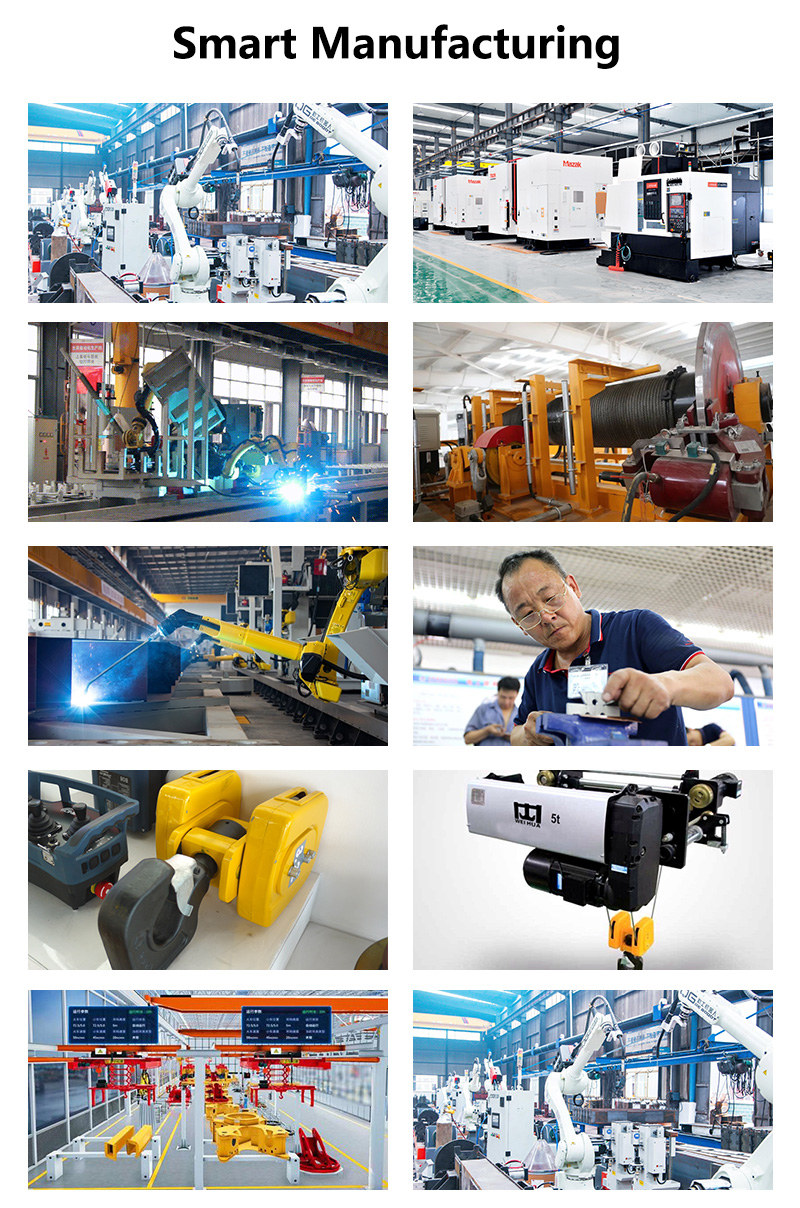
Crane hook safety factor standards are the bedrock of safe lifting operations. The ubiquitous 4:1 or higher factor is not an arbitrary number but a carefully calculated margin born from decades of engineering experience, failure analysis, a neochvejný záväzok k bezpečnosti. It is a holistic system encompassing design, material science, manufacturing quality control, and rigorous inspection protocols. Understanding and respecting these standards is a fundamental responsibility for everyone involved in the chain of lifting—from the design engineer and manufacturer to the crane operator and site safety manager. Ultimately, that extra margin built into every hook is a margin for life.





Najnovšie komentáre