
Меню навигации

Американское общество инженеров-механиков (АСМЭ) has long been a trusted authority in establishing safety and performance benchmarks for industrial equipment, and cranes are no exception. For decades, ASME’s crane standards have served as a universal framework to govern the entire lifecycle of lifting machinery—from design and manufacturing to operation and retirement. At the core of these guidelines is the ASME B30 series, a modular collection of standards tailored to different crane types and lifting scenarios. В этом блоге, we’ll unpack the structure of ASME’s crane standards, their key components, and why they’re indispensable for anyone working with or around cranes.
The ASME B30 series stands as the cornerstone of crane safety, officially designated to regulate “Cableways, Краны, Derricks, Hoists, Крюки для кранов, Jacks, and Slings.” Unlike a single comprehensive document, the B30 series is organized into individual volumes, each focusing on a specific category of lifting equipment. This modular approach allows for targeted guidelines that address the unique risks and operational needs of different crane types. Developed through a collaborative process involving engineers, safety experts, equipment manufacturers, and industry stakeholders, these standards balance technical feasibility with practical safety requirements.
Core objectives of the B30 series include:
Who relies on these standards? Manufacturers use them to engineer compliant equipment; facility managers and employers implement them to maintain safe work environments; operators follow them to minimize on-the-job risks; and regulatory bodies reference them to enforce safety compliance.
Each volume of the B30 series is designed to address the distinct characteristics of specific crane types. Below are the most widely applicable standards for common crane categories:
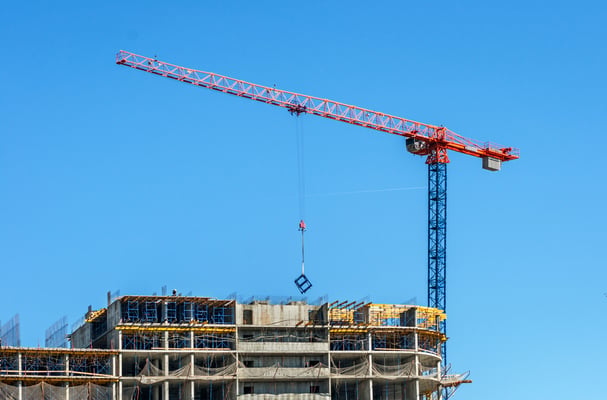
Tower cranes are iconic in construction, known for their tall vertical masts and long horizontal booms that enable lifting heavy loads at height. ASME B30.3 governs both temporary construction tower cranes and permanent tower cranes used in industrial settings. The standard covers cranes mounted on fixed bases, traveling rails, or climbing systems that rise with building structures. It outlines requirements for structural integrity, boom operation (luffing and trolley movement), load capacity calculations, and safety systems like anti-collision devices. Notably, it excludes self-erecting tower cranes (covered in B30.29) and mobile cranes modified with tower attachments (addressed in B30.5).
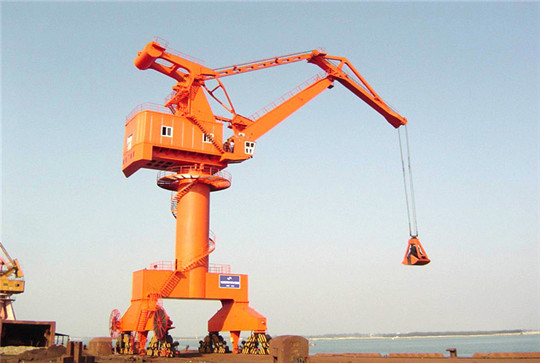
Portal cranes—characterized by their ability to travel on tracks or wheels—and pedestal cranes (fixed to a stable base) are commonly used in ports, верфи, и производственные предприятия. ASME B30.4 sets guidelines for their installation, including site preparation to ensure stable foundations, structural design to withstand dynamic loads, and load rating systems that account for variable operating radii. Key focus areas include rope inspection, brake maintenance, and stability controls, as these cranes often operate in harsh environments with heavy, repetitive loads.
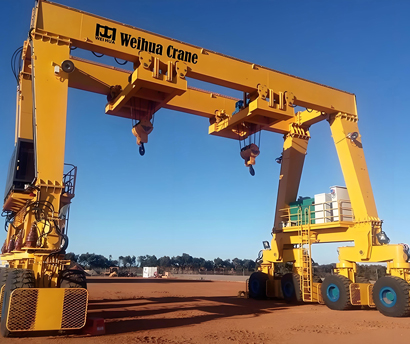
Regarded as one of the most critical standards in the B30 series, ASME B30.5 applies to mobile cranes (including crawler cranes, wheeled mobile cranes) and locomotive cranes—versatile equipment used across construction, добыча полезных ископаемых, and industrial sectors. The standard covers every phase of the crane’s lifecycle: from manufacturing quality control to operational safety protocols, and from routine maintenance to decommissioning. It addresses critical factors like load capacity charts, stability in different terrains, wind speed restrictions, and electrical safety to prevent sparks in hazardous environments. Exclusions include specialized equipment like side boom tractors and small cranes with a lifting capacity under 1 ton.
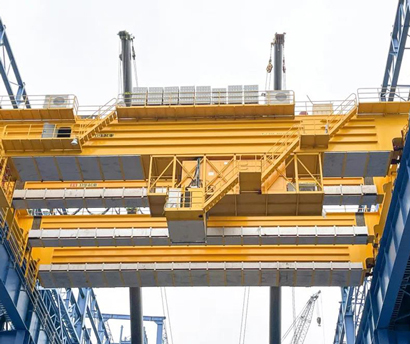
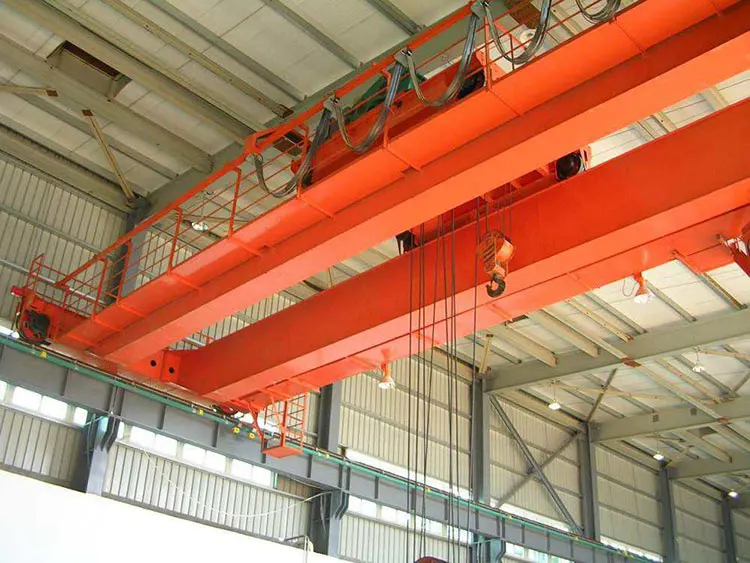
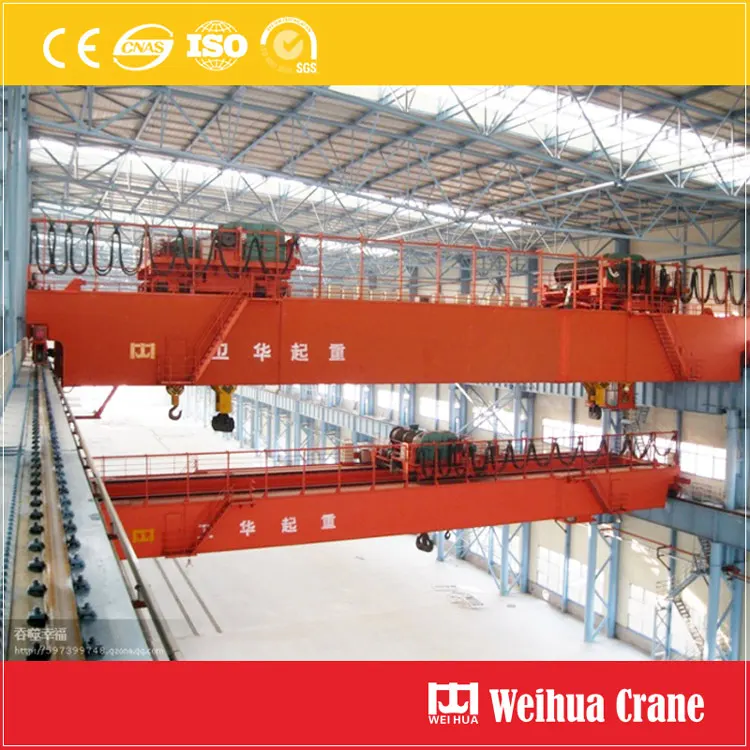
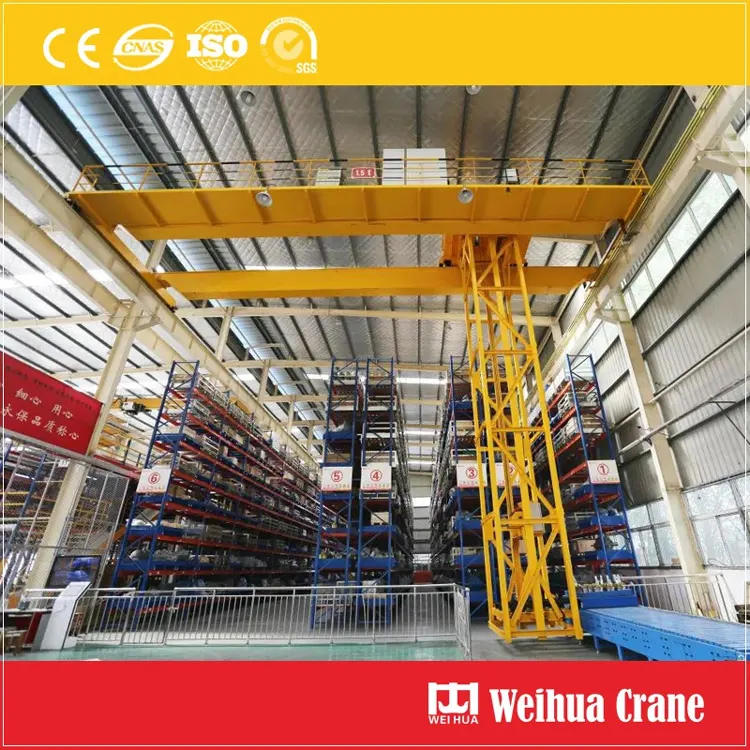
Мостовые краны и Гарновые краны are staples in warehouses, заводы, и сборочные линии, where they lift and move loads horizontally along beams. ASME B30.17 regulates both hand-operated and power-driven models, including top-running single-girder cranes, underhung hoists, and cantilever gantry cranes. The standard focuses on safe vertical lifting of unguided loads, outlining requirements for beam strength, hoist operation, движение троллейбуса, и системы аварийной остановки. It excludes specialized applications like personnel lifting or non-vertical load handling, which require additional safety measures.
Articulating boom cranes (also called “knuckle boom cranes”) are valued for their flexibility, using hydraulic joints to bend and maneuver in tight spaces—making them ideal for truck-mounted applications, строительные площадки, и промышленные объекты. ASME B30.22 governs their design, установка, and operation, with specific guidelines for load capacity, boom articulation limits, stability controls, and hydraulic system maintenance. Importantly, the standard only applies when the crane is used for lifting; non-lifting functions (НАПРИМЕР., material positioning without vertical lift) require adherence to manufacturer guidelines or qualified professional recommendations.
While the B30 series forms the core of ASME’s crane guidelines, additional complementary standards enhance overall safety by addressing specific aspects of lifting operations:
Adhering to ASME crane standards is not just a regulatory obligation—it’s a fundamental commitment to safety, эффективность, and long-term operational success. Here’s why compliance is non-negotiable:
Maintaining compliance with ASME crane standards requires a proactive, systematic approach. Here are key steps to ensure adherence:
ASME crane standards—anchored by the B30 series—provide a clear, actionable roadmap for safe, reliable lifting operations. By addressing the unique needs of different crane types, from tower cranes to articulating boom cranes, these standards ensure consistency across industries and protect workers, оборудование, and assets. Complementary standards like P30.1 and BTH-1 further strengthen safety by covering planning and load attachment, creating a holistic framework for risk mitigation.
In an industry where safety and efficiency are inseparable, compliance with ASME standards is more than a box-ticking exercise—it’s a strategic investment. Whether you’re a manufacturer building cranes, an employer overseeing operations, or an operator at the controls, understanding and implementing these standards is essential to fostering a safe, productive workplace. As technology evolves and lifting challenges grow more complex, ASME’s commitment to updating its standards ensures that crane operations remain safe, надежный, and compliant for years to come.
Поделиться в формате PDF: Скачать
Мы ценим ваши отзывы! Пожалуйста, заполните форму ниже, чтобы мы могли адаптировать наши услуги к вашим конкретным потребностям.


Нажмите кнопку, чтобы получить информацию о продукте и цитаты на WhatsApp.
Получите цитату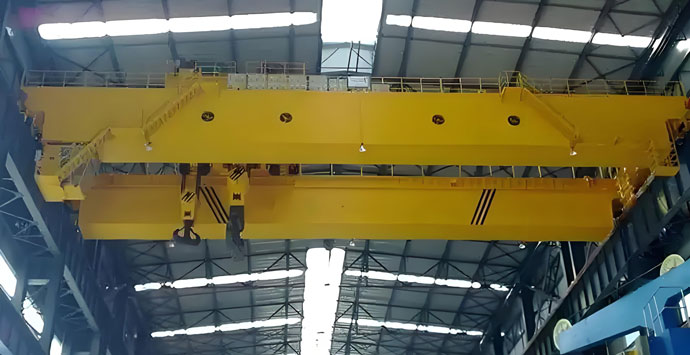
Последние комментарии