Правила техники безопасности на мостовых кранах
2025-12-12
Мостовые краны – незаменимые рабочие лошадки на производственных предприятиях., строительные площадки, склады, и логистические центры. Эти мощные машины упрощают выполнение тяжелых задач по подъему грузов., повысить производительность, и обеспечить перемещение грузов, которые в противном случае были бы невозможны для ручного труда. Однако, их огромная мощность и сложность также создают значительные риски для безопасности — от падения груза и структурных разрушений до столкновений и травм оператора — если эксплуатация ведется без строгого соблюдения протоколов безопасности.. В этом блоге, мы разберем основные правила безопасной эксплуатации мостовых кранов, предназначен для защиты операторов, прохожие, оборудование, и ценные активы.
Предоперационный осмотр: Заложите фундамент безопасности

Прежде чем включать питание мостовой кран, тщательный предпусковой осмотр не подлежит обсуждению. На этом этапе потенциальные опасности выявляются на ранней стадии., предотвращение несчастных случаев до того, как они произойдут. Вот что операторы должны проверить:
- 1. Визуальные и физические проверки: Осмотрите конструкцию крана, включая мост, тележка, подъемник, и рельсы взлетно-посадочной полосы, на признаки повреждения (НАПРИМЕР., трещины, изогнутые компоненты, или коррозия). Убедитесь, что все крепления, болты, и штифты надежно закреплены и не болтаются.
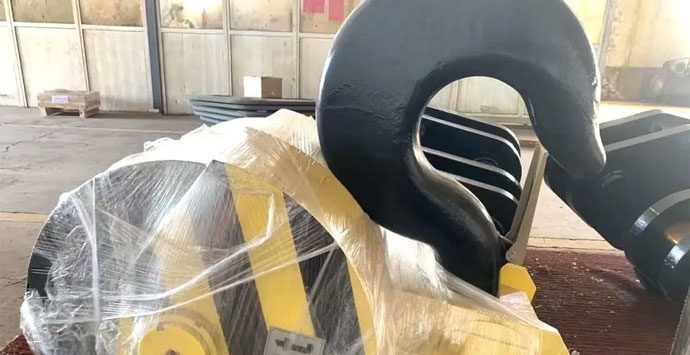
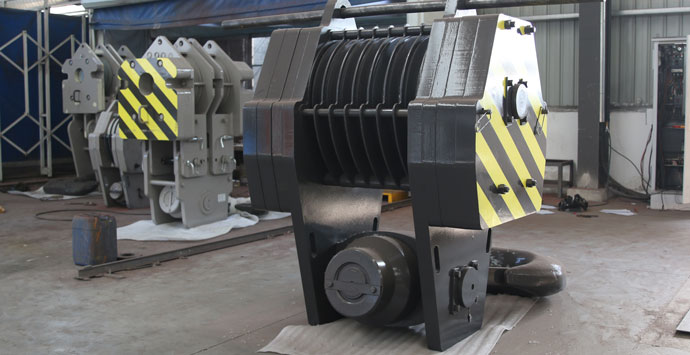
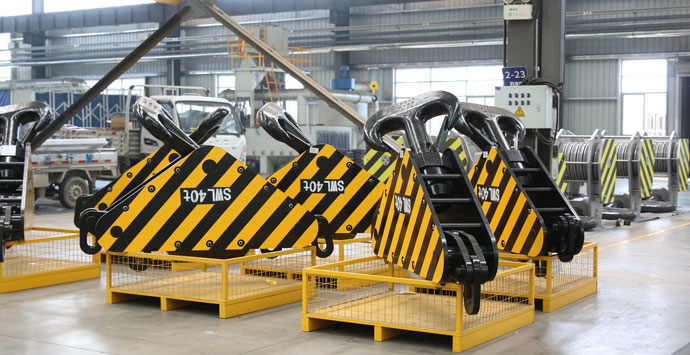
- 2. Несущие компоненты: Осмотрите тросы или цепи на предмет износа., изнашивание, перегибы, или сломанные пряди. Проверьте крючки на предмет деформации., трещины, или чрезмерный износ — никогда не используйте крючок с поврежденной защелкой.. Убедитесь, что шкивы и барабаны находятся в хорошем состоянии., без канавок и повреждений, которые могли бы поставить под угрозу веревку.
- 3. Механические и электрические системы: Проверьте тормоза крана (как подъемные, так и ходовые тормоза) чтобы обеспечить плавное зацепление и надежное удержание груза.. Проверьте гидравлическую или пневматическую систему на предмет утечек.. Проверьте электрические соединения, кабели, и контроль (НАПРИМЕР., кулон, удаленный, или органы управления кабиной) за ущерб, изнашивание, или неисправности. Убедитесь, что кнопки аварийной остановки функционируют и легко доступны.
- 4. Устройства безопасности: Убедитесь, что все функции безопасности работают., включая концевые выключатели перегрузки (предотвращает подъем грузов, превышающих возможности крана), системы предотвращения столкновений (для работы несколькими кранами), ограниченные переключатели (предотвратить передвижение тележки или моста), и сигнальные устройства (рога, огни, или сигналы тревоги).
- 5. Оценка рабочей зоны: Осмотрите зону подъема на предмет устранения препятствий, убрать пешеходов, и отметить безопасную зону (при необходимости используйте барьеры или предупреждающую ленту). Проверьте наличие воздушных линий электропередачи — соблюдайте минимальное безопасное расстояние, как того требуют местные правила. (обычно 10 футов и более для низковольтных линий). Убедитесь, что груз сбалансирован и надежно закреплен стропами или скобами.
Во время работы: Следуйте рекомендациям по безопасному подъему
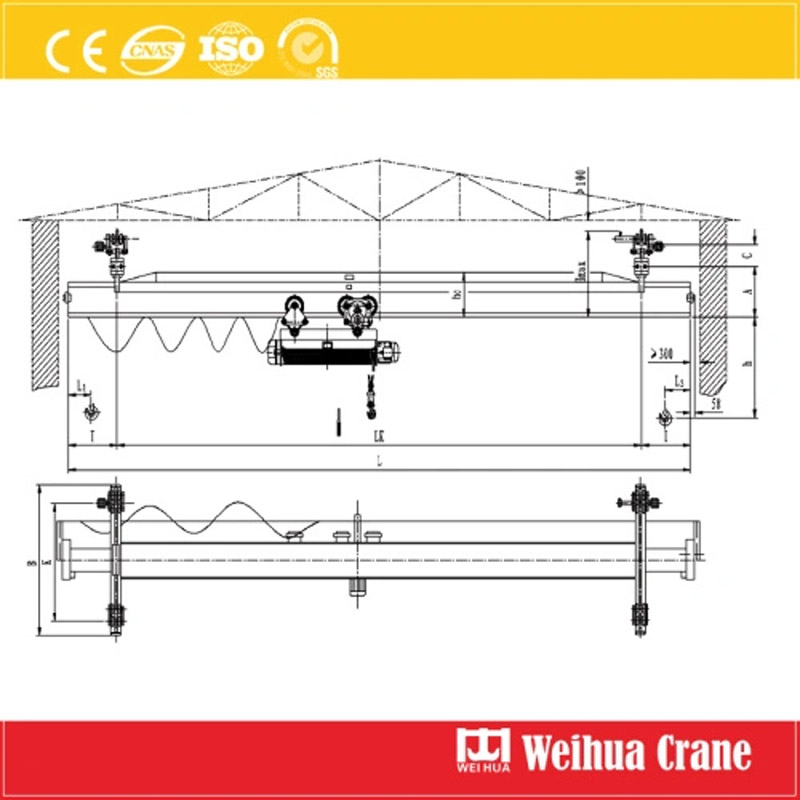
После завершения предоперационной проверки и обеспечения безопасности рабочей зоны, операторы должны соблюдать эти важные процедуры во время использования крана:
- 1. Компетентность оператора: Только обученные и сертифицированные операторы могут управлять мостовым краном.. Никогда не позволяйте неавторизованному персоналу использовать элементы управления., и избегайте отвлекающих факторов (НАПРИМЕР., телефонные звонки, разговоры) во время работы краном.
- 2. Плавные движения: Избегайте внезапных запусков, останавливается, или изменения направления — это может привести к раскачиванию или смещению груза., увеличение риска несчастных случаев. Используйте постепенно, контролируемые движения для подъема, ниже, и расположите груз.
- 3. Обработка грузов: Никогда не превышайте номинальную грузоподъемность крана.. Если вес груза неизвестен, сначала воспользуйся весами, чтобы взвесить. Во время движения держите груз как можно ниже, чтобы свести к минимуму его раскачивание., и никогда не тяните и не тяните застрявший груз — это может привести к перегрузке крана или повреждению троса.. Избегайте поднятия грузов над людьми, и никогда не стойте под подвешенным грузом (хотя бы на мгновение).
- 4. Коммуникация: Установите четкую связь с корректировщиками или наземным персоналом, используя стандартные сигналы руками. (НАПРИМЕР., поднимать, ниже, останавливаться, качать) или двусторонняя радиосвязь. Убедитесь, что все стороны понимают сигналы, чтобы избежать недопонимания.. Если видимость плохая (НАПРИМЕР., из-за пыли, темнота, или препятствия), используйте корректировщика для руководства операцией.
- 5. Оборудование для мониторинга: Постоянно контролировать производительность крана во время работы.. Если вы заметили необычные шумы (НАПРИМЕР., шлифование, визг), вибрации, или неисправности (НАПРИМЕР., тормоза выходят из строя, управление не отвечает), немедленно прекратить операцию, безопасно опустите груз (если возможно), и отключить питание. Прежде чем возобновить использование, сообщите о проблеме руководителю.
- 6. Погодные соображения: Избегайте эксплуатации крана в экстремальных погодных условиях. (НАПРИМЕР., сильный ветер, сильный дождь, молния) если кран не предназначен для таких условий и не приняты надлежащие меры безопасности.. Сильный ветер может привести к неконтролируемому раскачиванию груза., а молния представляет опасность поражения электрическим током.
Послеоперационный период: Обеспечение безопасности крана и проверка документов
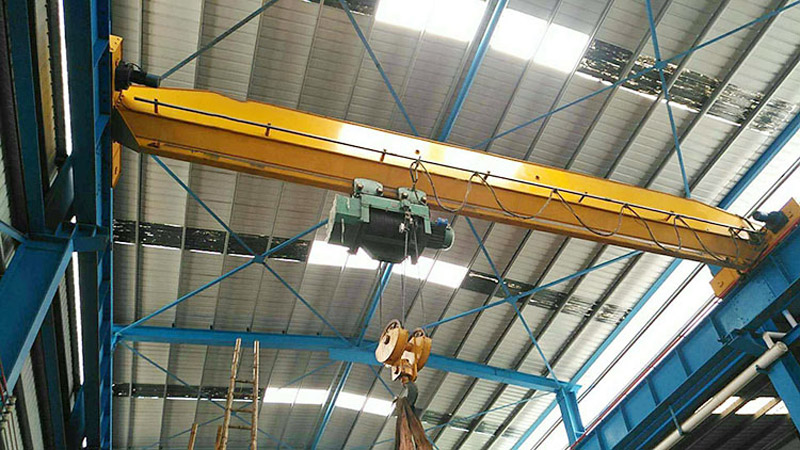
После выполнения подъемной задачи, операторы должны выполнить следующие действия, чтобы убедиться, что кран надежно закреплен и готов к следующему использованию.:
- 1. Паркуйте кран правильно: Переместите кран в специально отведенное место для парковки., вдали от рабочих зон и пешеходного движения. Опустите крюк подъемника в самое нижнее положение. (или согласно политике компании) и задействовать тормоза. Отключите питание крана и заблокируйте панель управления, чтобы предотвратить несанкционированное использование.
- 2. Обезопасьте зону погрузки: Снимите стропы, кандалы, или другие подъемные приспособления и храните их в специально отведенном месте.. Очистите рабочую зону от мусора и препятствий.
- 3. Проверка документов и проблемы: Зафиксируйте результаты предэксплуатационного осмотра., любые проблемы, возникающие в процессе эксплуатации, и потребности в техническом обслуживании в журнале крана. Эта документация помогает отслеживать состояние крана с течением времени., выявить повторяющиеся проблемы, и обеспечить соблюдение правил техники безопасности.
- 4. Сообщить об инцидентах: Если несчастный случай, почти промах, или во время работы оборудования произошел сбой, немедленно сообщите об этом начальству. Укажите такие детали, как дата, время, расположение, характер происшествия, и любые травмы или повреждения. Проведите анализ первопричин, чтобы предотвратить подобные инциденты в будущем.
Регулярное техническое обслуживание: Продлите срок службы оборудования и обеспечьте безопасность

Помимо пред- и послеоперационных осмотров, регулярное техническое обслуживание имеет решающее значение для обеспечения безопасности и надежности мостовых кранов.. Работодатели должны установить график профилактического технического обслуживания, основанный на рекомендациях производителя и местных нормах.. К основным задачам технического обслуживания относятся:
- 1. Смазка: Регулярно смазывайте движущиеся части. (НАПРИМЕР., подшипники, шестерни, снопы) для уменьшения трения и износа.
- 2. Обслуживание каната/цепи: Замените изношенный, потертый, или поврежденные тросы или цепи немедленно. Проверьте веревки на правильность натяжения и выравнивания.
- 3. Проверка тормозной системы и системы управления: Тестовые тормоза, моторы, и системы контроля периодически, чтобы убедиться, что они работают правильно. При необходимости отрегулируйте или замените компоненты.
- 4. Структурные проверки: Проводить ежегодные или двухгодичные структурные проверки (квалифицированным специалистом) чтобы проверить наличие трещин, коррозия, или усталость рамы крана, мост, и взлетно-посадочная полоса.
- 5. Калибровка: Регулярно калибруйте концевые выключатели перегрузки и другие устройства безопасности, чтобы обеспечить точность.
Заключение: Безопасность — это коллективная ответственность
Безопасная эксплуатация мостового крана требует большего, чем просто соблюдение процедур — она требует культуры безопасности, при которой операторы, супервайзеры, и работодатели работают вместе, чтобы определить приоритетность снижения рисков. Проведя тщательные предэксплуатационные проверки, соблюдение безопасных методов подъема, проведение послеоперационных проверок, и инвестируем в регулярное обслуживание, вы можете значительно снизить риск несчастных случаев и создать более безопасное рабочее место для всех.
Помнить, когда речь идет о безопасности мостового крана, нет места для ярлыков. Каждый этап процесса — от проверки до эксплуатации и технического обслуживания — играет жизненно важную роль в защите жизней и активов.. Сохраняя бдительность, следуя лучшим практикам, и постоянное обучение операторов, Вы можете быть уверены, что ваши мостовые краны будут работать безопасно и эффективно долгие годы..




Последние комментарии