Мостовые краны — рабочие лошадки в промышленных условиях, точный подъем и перемещение тяжелых грузов. Однако, как и любая тяжелая техника, они требуют регулярного осмотра для обеспечения безопасности, предотвратить поломки, и продлить срок их службы. Единственная оплошность во время проверки может привести к катастрофическим авариям., дорогостоящие простои, или повреждение ценного оборудования. В этом блоге, мы познакомим вас с пошаговым руководством по проверке мостовой кран эффективно.
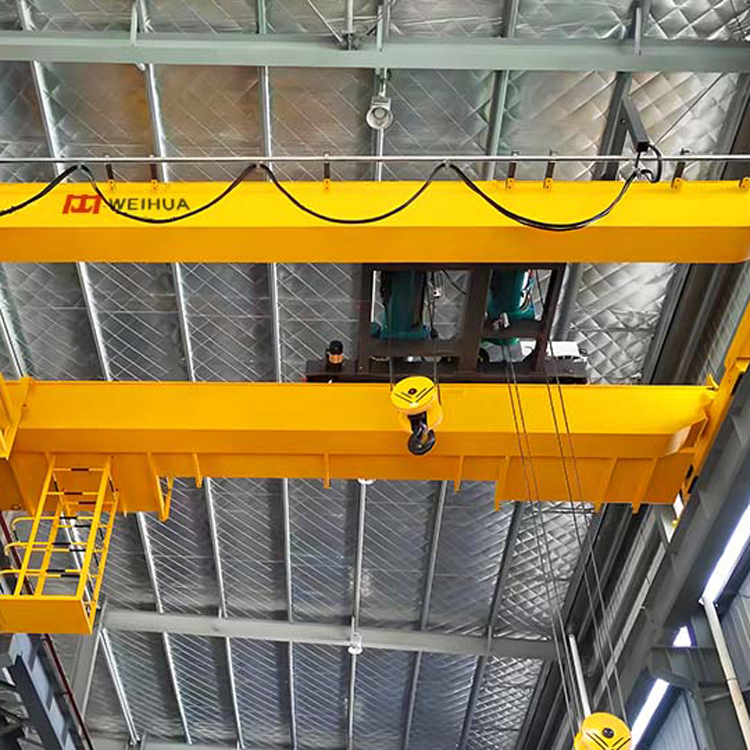
Предпроверочная подготовка
Прежде чем начать проверку, Крайне важно подготовиться должным образом, чтобы обеспечить безопасность и тщательность процесса..
- 1. Безопасность в первую очередь: Обезопасьте территорию вокруг крана предупреждающими знаками и барьерами для предотвращения несанкционированного доступа.. Носите соответствующие средства индивидуальной защиты (Ст), включая каску, защитные очки, ботинки со стальным носком, и яркая одежда. Убедитесь, что кран выключен и заблокирован/маркирован. (Сердце) во избежание случайного включения во время проверки.
- 2. Соберите инструменты и документы: Соберите необходимые инструменты, такие как фонарик., измерительная лента, динамометрический ключ, контрольный список проверок, и руководство по эксплуатации и техническому обслуживанию крана.. Просмотрите историю технического обслуживания крана и отчеты о предыдущих проверках, чтобы выявить любые повторяющиеся проблемы..
Контрольный список ежедневных проверок
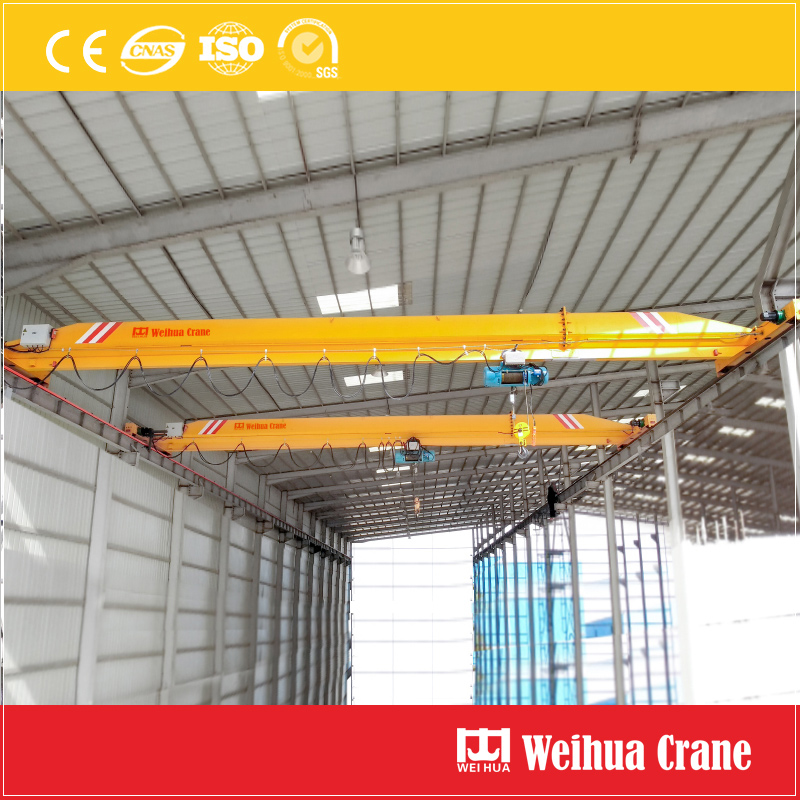
Ежедневные проверки — это быстрые проверки, выполняемые каждый день перед вводом крана в эксплуатацию.. Они сосредоточены на видимых компонентах и базовой функциональности..
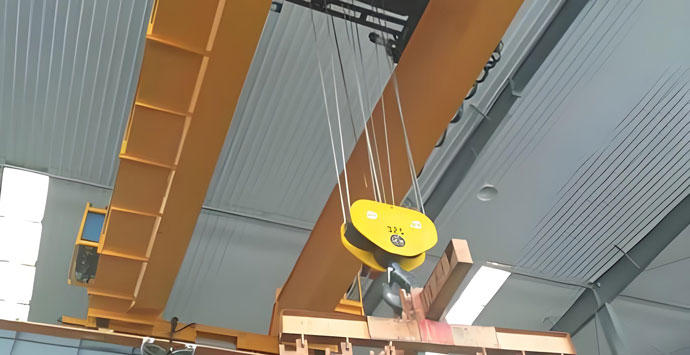
- 1. Крюк и подъемные аксессуары: Осмотрите крючок на наличие трещин, носить, или деформация. Проверьте защелка крюка крана чтобы убедиться, что он закрывается правильно и надежно. Осмотреть стропы, цепочки, или кабели для изнашивания, перегибы, коррозия, или чрезмерный износ. Убедитесь, что все подъемные приспособления рассчитаны на предполагаемую нагрузку..
- 2. Элементы управления: Проверьте все подвесные органы управления или органы управления кабиной., включая подъем/опускание, тележка влево/вправо, и мост вперед/назад. Убедитесь, что элементы управления реагируют, и нет никаких необычных шумов или задержек в работе. Убедитесь, что кнопки аварийной остановки работают правильно..
- 3. Визуальные проверки: Ищите незакрепленные болты, орехи, или крепеж на конструкции крана, тележка, или подъемник. Осмотрите рельсы взлетно-посадочной полосы на наличие мусора., повреждать, или перекос. Проверьте отсутствие утечек масла из двигателей подъемника или тележки..
Периодическая проверка (Ежемесячно/Ежеквартально/Ежегодно)
Периодические проверки более детальны и проводятся через более длительные промежутки времени. (ежемесячно, ежеквартальный, или ежегодно, в зависимости от использования и правил). Они требуют более пристального внимания к критически важным компонентам и могут включать в себя тестирование и измерения..
Ежемесячные/ежеквартальные проверки
- 1. Подъемная система: Проверка двигателя подъемника на предмет перегрева, необычные шумы, или вибрация. Проверьте тормозную систему, чтобы убедиться, что она надежно удерживает груз при остановке.. Осмотрите коробку передач на предмет уровня и качества масла.. Осмотр барабана на наличие трещин, носить, или повреждение кабельных канавок.
- 2. Троллейбус и мост: Проверьте колеса тележки на предмет износа, трещины, или перекос. Осмотреть механизмы привода тележки и моста., включая шестерни, подшипники, и муфты, для правильной смазки и функциональности. Убедитесь, что концевые упоры моста находятся в хорошем состоянии и функционируют по назначению..
Ежегодные проверки
- 1. Структурные компоненты: Тщательно осмотрите крановый мост, балка, и концевые тележки для трещин, коррозия, или деформация. Проверьте сварные швы на наличие признаков усталости или разрушения.. Измерьте прогиб моста под испытательной нагрузкой, чтобы убедиться, что он соответствует проектным характеристикам..
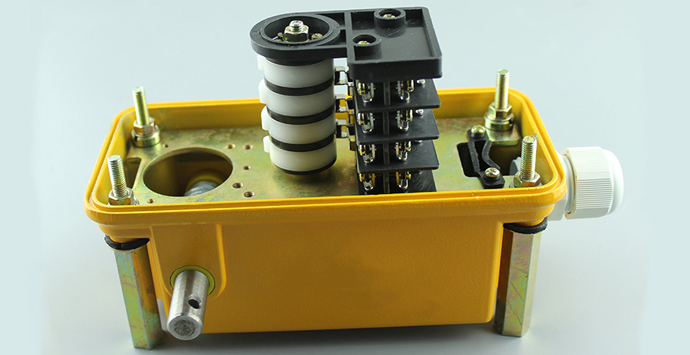
- 2. Электрическая система: Проверьте все электрические соединения, провода, и кабели для изнашивания, коррозия, или ослабленные соединения. Проверьте концевые выключатели (верхний/нижний предел подъема, ограничения на проезд троллейбусов и мостов) чтобы гарантировать, что они останавливают кран при активации. Проверьте источник питания и напряжение, чтобы убедиться, что оно находится в рекомендуемом диапазоне..
- 3. Нагрузочное тестирование: Выполните нагрузочное испытание с номинальной нагрузкой и перегрузкой. (если это разрешено правилами) для проверки грузоподъемности и устойчивости крана. Контролируйте работу крана во время испытания на предмет необычного поведения..
Рекомендации по частоте проверок
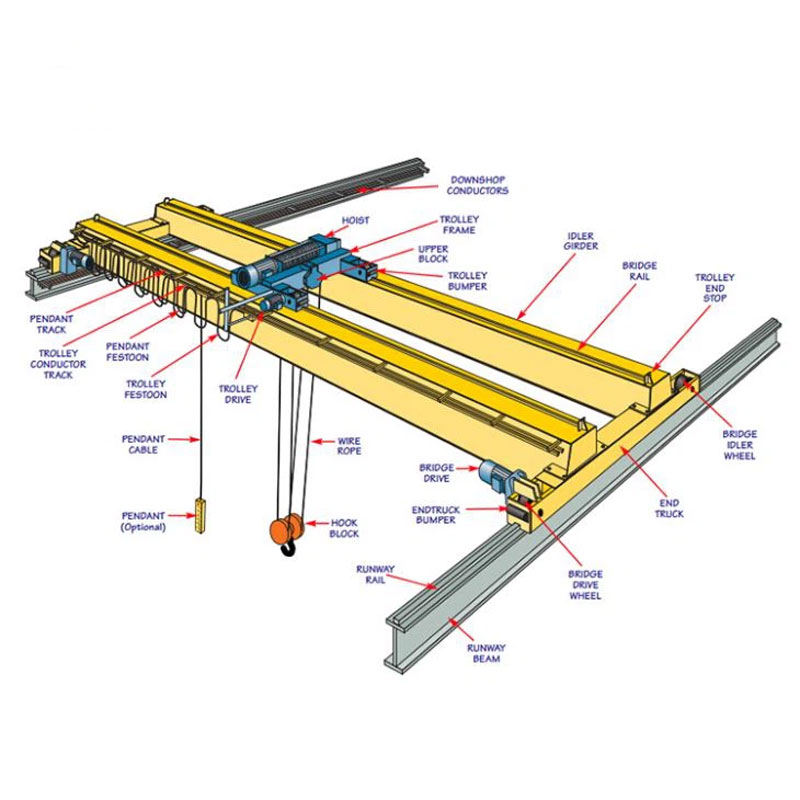
Частота проверок зависит от нескольких факторов, включая использование крана (количество часов работы в день), окружающая среда (жесткий, коррозийный, или пыльный), и местные правила техники безопасности (например, OSHA в США или LOLER в Великобритании.). Вот общие рекомендации:
- 1. Ежедневно: Перед каждой сменой (быстрая визуальная и функциональная проверка).
- 2. Ежемесячно/Ежеквартально: Для кранов, используемых регулярно (детальные проверки критических компонентов).
- 3. Ежегодный: Комплексная проверка, включая нагрузочное тестирование (требуется большинством правил).
- 4. После капитального ремонта или аварии: Тщательно осмотрите кран перед повторным вводом его в эксплуатацию..
Действия после проверки
После завершения проверки, выполните следующие действия, чтобы обеспечить безопасную эксплуатацию крана:
- 1. Результаты документа: Запишите все результаты проверки, включая любые обнаруженные дефекты или проблемы, в подробном отчете о проверке. Обратите внимание на дату, имя инспектора, и любые предпринятые корректирующие действия.
- 2. Своевременно устраняйте дефекты: Если обнаружены серьезные дефекты (например, трещины в крюке или конструктивных элементах), немедленно вывести кран из эксплуатации. Запланируйте ремонт с помощью квалифицированных технических специалистов и повторно осмотрите кран после завершения ремонта..
- 3. Ведение записей: Сохраняйте все отчеты об инспекциях и записи о техническом обслуживании для дальнейшего использования и соблюдения нормативных требований..
Помнить, регулярная проверка — это не просто нормативное требование, это важный шаг в обеспечении безопасности вашей рабочей силы и эффективности вашей деятельности.. Следуя этому руководству, вы можете поддерживать свой мостовой кран в отличном состоянии и минимизировать риск несчастных случаев.
Поделиться в формате PDF: Скачать





Последние комментарии