
Menu de navegação

In industrial settings—from manufacturing plants and construction sites to warehouses and shipping yards—overhead cranes are workhorses that streamline heavy lifting operations. Ainda, their power and utility come with significant risks: improper use can lead to catastrophic accidents, resulting in injuries, fatalidades, damaged equipment, e tempo de inatividade dispendioso. This is where overhead crane safety training becomes not just a regulatory requirement, but a cornerstone of a responsible and productive workplace. Neste blog, we’ll explore why this training is non-negotiable, what it should cover, and how it transforms safety cultures for the better.
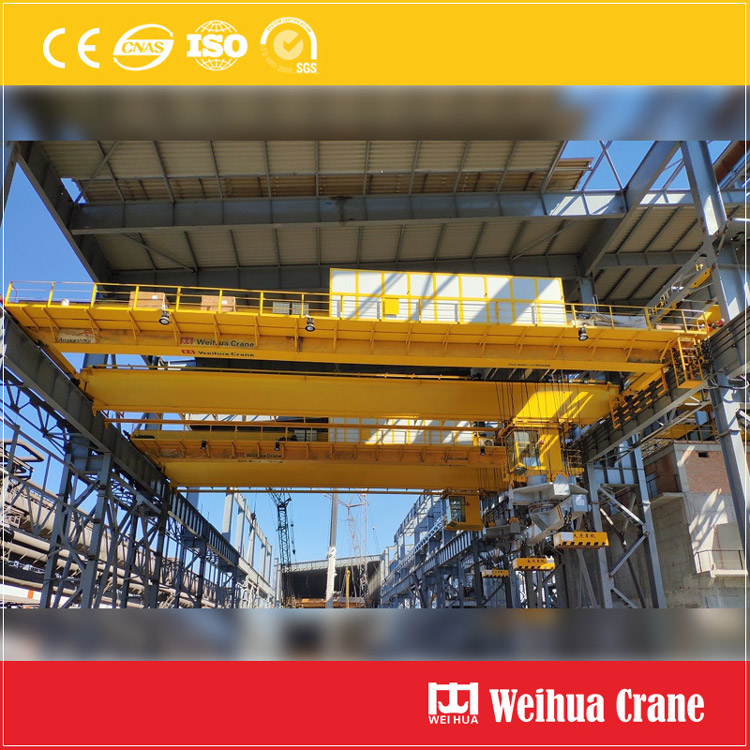
The numbers speak for themselves: according to the Occupational Safety and Health Administration (Osha), crane-related accidents cause an average of 44 fatalities and hundreds of injuries annually in the U.S. alone. Many of these incidents stem from preventable factors—untrained operators, inadequate inspections, or complacency. Beyond the human cost, accidents lead to operational disruptions: a single crane malfunction can halt production for days, costing companies thousands (or even millions) in lost revenue and repair costs.
Regulatory compliance is another critical driver. OSHA’s Standard 1910.179 for overhead and gantry cranes mandates that only qualified and trained personnel operate these machines. Failure to comply can result in hefty fines, legal penalties, and reputational damage. But training isn’t just about checking a box—it’s about equipping teams with the knowledge and skills to identify hazards, make safe decisions, and protect themselves and their colleagues.
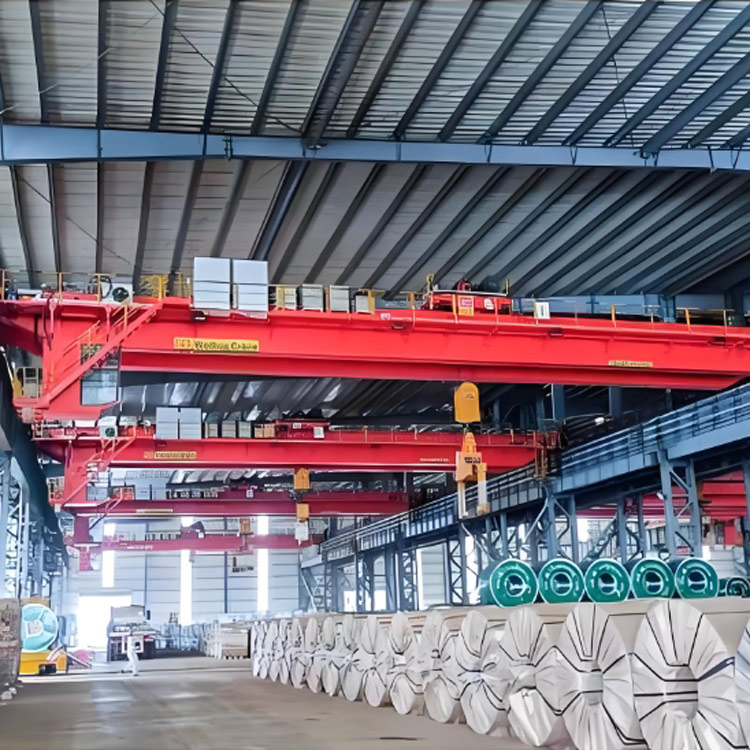
Not all safety training is created equal. A high-quality program should be comprehensive, hands-on, and tailored to the specific needs of your workplace. Here are the key modules that every overhead crane safety training should include:
Operators can’t use a crane safely if they don’t understand how it works. This module covers the basic anatomy of overhead cranes—including hoists, carrinhos, bridges, runways, and controls—and how each component interacts. Trainees learn to distinguish between different crane types (Por exemplo, pontes rolantes, guindastes de pórtico, guindastes de lança) and their intended uses, as well as load capacity limits and the dangers of overloading.
Daily pre-operation checks are the first line of defense against accidents. Trainees learn to perform thorough inspections of critical components: checking for worn cables, damaged hooks, malfunctioning controls, and proper lubrication. They also learn to document inspections and report any defects immediately—before the crane is put into use. OSHA requires these checks, but more importantly, they prevent mechanical failures mid-operation.
This is the hands-on heart of the training. Trainees practice essential skills like:
Simulators and on-the-job training (under supervision) are invaluable here—they let trainees practice in a low-risk environment before handling real loads.
Overhead crane operations involve numerous hazards, from electrical hazards (contact with power lines) to ground hazards (tripping or falling objects). Training teaches trainees to identify these risks and take proactive steps to mitigate them. Por exemplo, they learn to calculate safe working distances from power lines, use spotters when visibility is limited, and secure work zones to keep pedestrians away.
Trainees must understand their legal responsibilities under OSHA and other relevant standards. This module covers record-keeping requirements (inspection logs, training certificates), reporting obligations for accidents or near-misses, and the consequences of non-compliance. It also emphasizes that safety is a shared responsibility—everyone on the worksite, not just operators, plays a role in maintaining a safe environment.
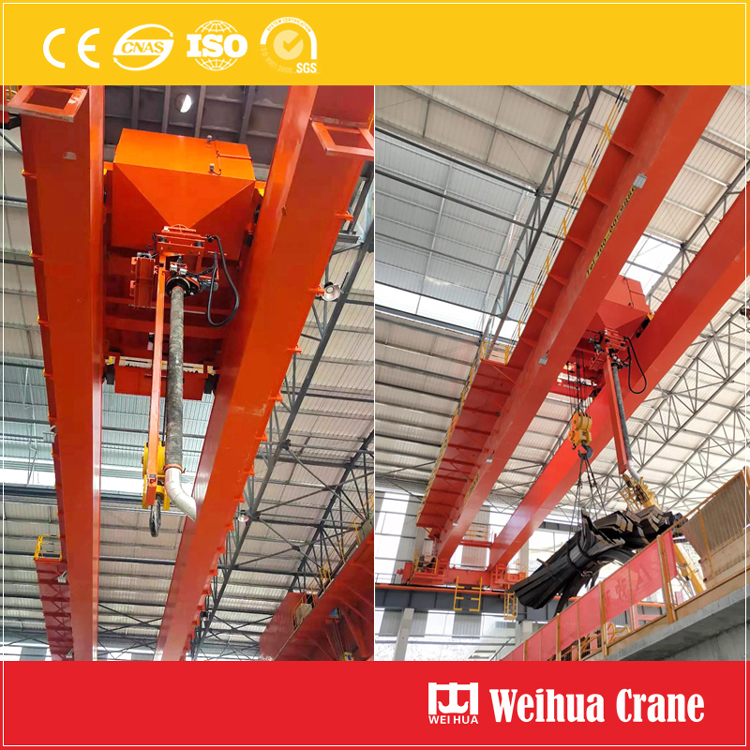
Even well-intentioned training programs can fall short if they make these common errors:
Investing in overhead crane safety training delivers tangible benefits beyond accident prevention. Trained operators are more efficient: they handle loads faster and with fewer mistakes, reducing downtime from rework or equipment damage. A strong safety culture also boosts employee morale—workers feel valued when their employer prioritizes their well-being, leading to lower turnover and higher productivity.
Para dica: Use a mix of training methods (e-learning, in-person demos, hands-on practice) to cater to different learning styles. This keeps trainees engaged and improves knowledge retention.
Overhead cranes are essential tools in modern industry, but their safe operation depends entirely on the people who use them. Overhead crane safety training is not just a cost—it’s an investment in your team, your equipment, and your business’s long-term success. By prioritizing comprehensive, ongoing training, you create a workplace where accidents are rare, efficiency is high, and everyone goes home safe at the end of the day.
Ready to take your crane safety program to the next level? Evaluate your current training to ensure it covers all the core components outlined here, and consider partnering with a qualified safety training provider to tailor it to your needs. Lembrar: safety isn’t a destination—it’s a continuous journey.
Compartilhar com PDF: Download
Valorizamos seu feedback! Preencha o formulário abaixo para que possamos adaptar nossos serviços às suas necessidades específicas.


Clique no botão para obter informações e citações do produto no WhatsApp.
Obtenha cotação
Últimos comentários