
Menu de navegação

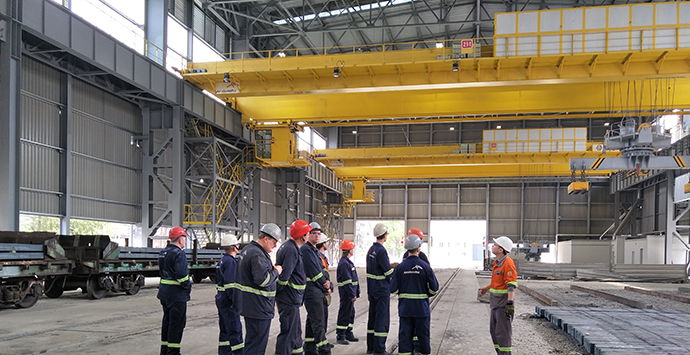
A inspeção de pontes rolantes é uma das práticas mais críticas para a segurança no local de trabalho, conformidade regulatória, e longevidade do equipamento. Quer você administre uma fábrica, armazém, canteiro de obras, ou centro logístico, saber o cronograma de inspeção correto protege sua equipe, reduz o tempo de inatividade, e evita violações dispendiosas. Nesta postagem, detalhamos a frequência com que as pontes rolantes devem ser inspecionadas com base nos padrões e melhores práticas do setor.
Pontes rolantes lidar com cargas pesadas em ambientes exigentes. Vestir, fadiga, corrosão, e a falha mecânica pode evoluir lentamente, mas levar a acidentes graves. Inspeção regular de pontes rolantes:
Não importa quão novo ou confiável seu guindaste pareça, pular inspeções cria riscos desnecessários.
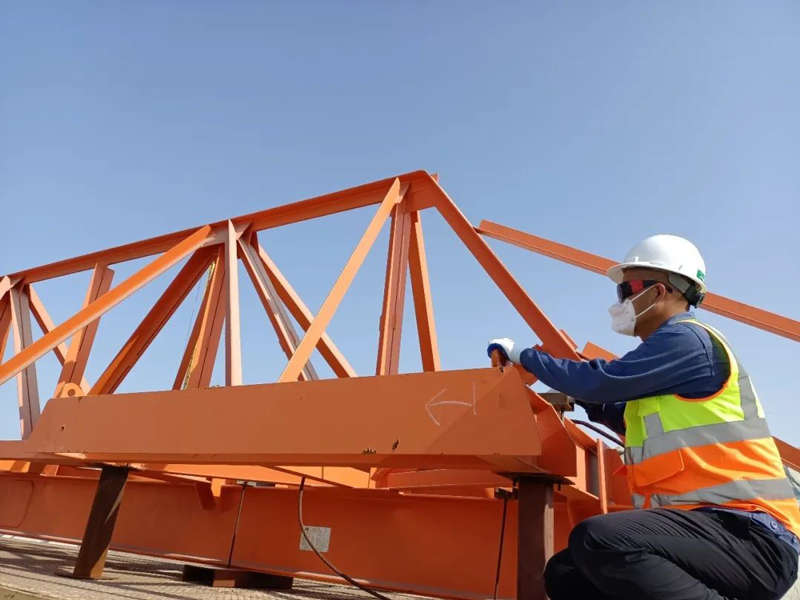
Diretrizes da indústria (Osha, ASME B30.2, CMAA) dividir a inspeção de pontes rolantes em duas categorias principais: inspeções frequentes e inspeções periódicas.
Estas são verificações visuais e funcionais realizadas por operadores ou pessoal de manutenção treinado.
Estas são inspeções abrangentes realizadas por uma pessoa qualificada ou técnico certificado. A frequência depende da gravidade do uso:
Todos os guindastes exigem pelo menos uma inspeção periódica completa por ano.
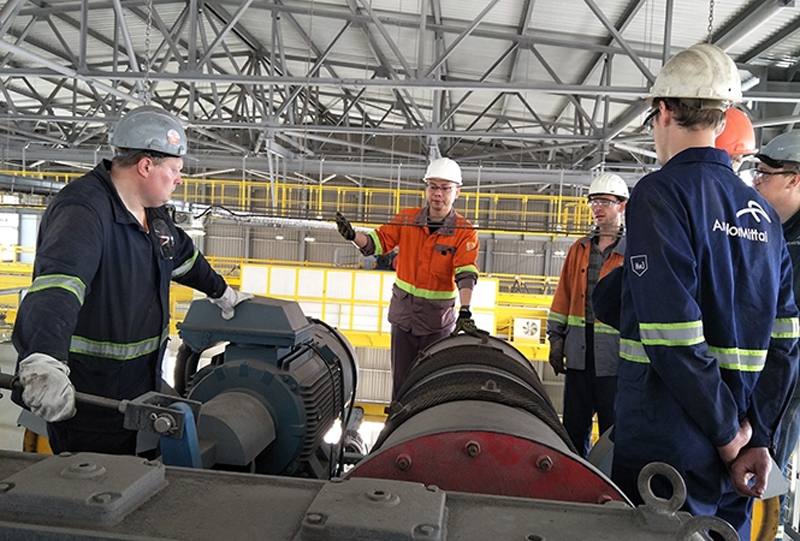
Você deve realizar uma inspeção imediata da ponte rolante se:
Nunca opere um guindaste que falhe em qualquer etapa de inspeção.
Uma inspeção completa cobre todo o sistema:
A documentação é obrigatória para conformidade.
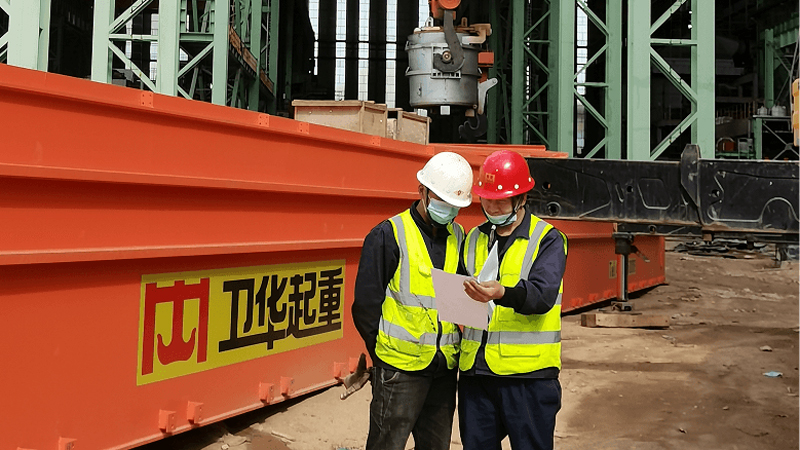

Com que frequência as pontes rolantes devem ser inspecionadas? A resposta curta: diariamente pelas operadoras, mensalmente em detalhes, e pelo menos anualmente por um inspetor qualificado — com verificações mais frequentes para equipamentos de uso pesado.
A inspeção de pontes rolantes não é apenas uma caixa regulamentar a ser verificada; é uma prática de segurança fundamental. Um consistente, um programa de inspeção bem documentado mantém sua operação segura, eficiente, e confiável.
Valorizamos seu feedback! Preencha o formulário abaixo para que possamos adaptar nossos serviços às suas necessidades específicas.


Clique no botão para obter informações e citações do produto no WhatsApp.
Obtenha cotação
Últimos comentários