
Menu nawigacyjne

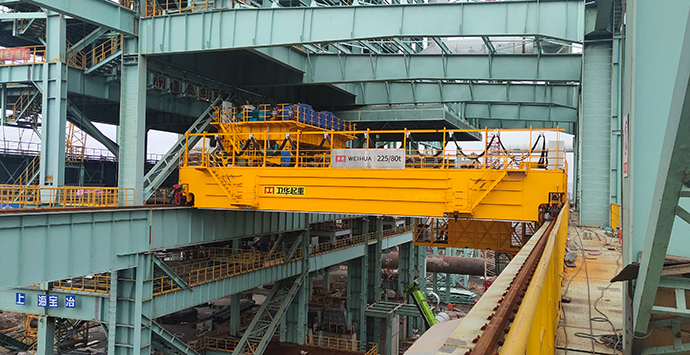
When it comes to overhead crane operations—whether in manufacturing facilities, magazyny, or heavy industrial plants—the runway system is the unsung hero that ensures safe, smooth, and reliable load movement. Overhead crane runway design standards are not just arbitrary guidelines; they are critical frameworks that protect workers, prevent equipment failure, and optimize operational performance. Na tym blogu, we’ll break down the key standards, core design considerations, and common pitfalls to avoid, helping you navigate the complexities of compliant and effective runway design.
Overhead crane runways bear the full weight of the crane, its trolley, and the loads being lifted—often ranging from a few tons to over 300 mnóstwo. A poorly designed runway can lead to catastrophic consequences: excessive deflection, rail misalignment, structural fatigue, and even crane derailment. These issues not only result in costly downtime and equipment repairs but also pose severe safety risks to personnel on the floor.
Design standards exist to mitigate these risks by establishing minimum requirements for strength, rigidity, alignment, and material quality. They ensure that runways can withstand dynamic loads, repeated use, and environmental stressors while maintaining operational integrity. Compliance with these standards is not just a legal obligation in most regions—it’s a fundamental investment in workplace safety and long-term operational efficiency.
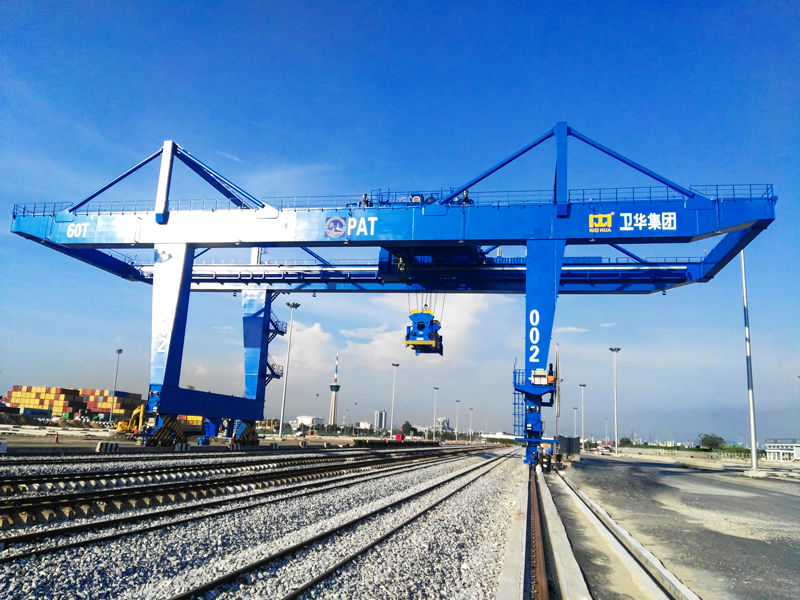
Overhead crane runway design is governed by a set of authoritative standards, varying slightly by region but sharing core principles. Below are the most widely recognized standards that guide industry professionals:
Administracja Bezpieczeństwa i Higieny Pracy (OSHA) sets forth critical requirements for overhead and gantry cranes in the U.S. Specifically, 29 CFR Part 1910.179 defines key terms, safety criteria, and design parameters for runway systems. It mandates that runways must be designed to support the maximum load (including the crane’s weight and any lifted load) without excessive deflection or structural failure. OSHA also requires regular inspections to ensure runways remain compliant over time.
The CMAA is a leading authority on crane design, and its Specification 74-2004 provides detailed guidelines for runway design. It differentiates between top-running and under-running runways, outlining specific requirements for rail alignment, splices, fasteners, and deflection limits. Na przykład, CMAA specifies that lateral deflection should not exceed LR/400 (based on 10% of maximum wheel load) and vertical deflection should not exceed LR/600 for top-running runways—critical limits to prevent crane instability.
This standard, adopted in Singapore and European countries, focuses on the structural design of crane supporting structures, including overhead crane runways. It covers both indoor and outdoor runways, addressing top-running and underhung crane configurations, as well as monorail systems. It must be used in conjunction with national annexes to align with local building codes and industry practices.
The AISC provides additional guidance on steel structure design for crane runways, emphasizing the importance of accounting for fatigue, torsion, and dynamic loads. AISC resources highlight that crane runways experience extreme stress ranges and frequent maximum loadings, requiring careful material selection and structural analysis to avoid premature failure.
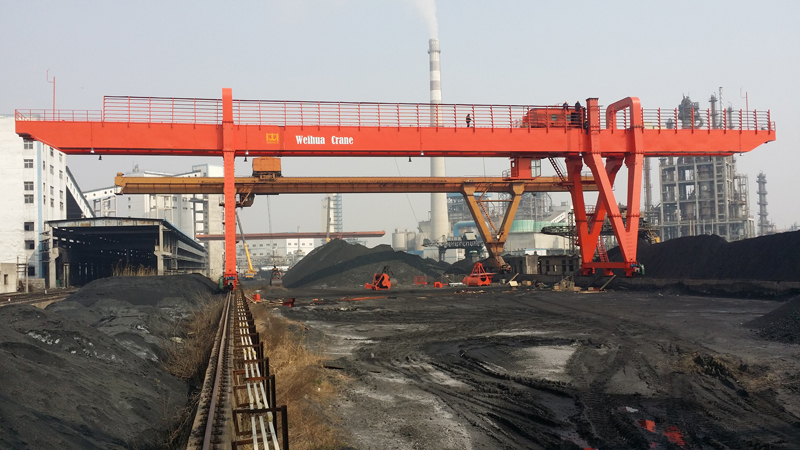
Compliance with standards requires attention to several critical design elements. Below are the key factors that define a safe and effective overhead crane runway:
1. Pojemność ładowania & Structural Strength
Runways must be designed to support the maximum expected load, including the crane’s dead weight, the trolley weight, and the lifted load—plus dynamic forces from acceleration, zmniejszenie prędkości, and load swinging. Engineers must account for service classifications (per CMAA, ranging from A for infrequent use to F for continuous service) to determine the required strength and fatigue resistance. Na przykład, heavy-duty cranes (Class E/F) require runways with higher load-bearing capacity and better fatigue resistance than standby cranes (Klasa a).
2. Deflection Limits
Excessive deflection (vertical or lateral) can cause crane misalignment, wheel wear, and even structural damage. Standards like CMAA 74-2004 set strict deflection limits: vertical deflection for top-running runways should not exceed LR/600 (LR = runway girder span), while under-running runways have a stricter limit of LR/450. Lateral deflection must not exceed LR/400 to prevent the crane from derailing or experiencing excessive stress.
Rails must be straight, parallel, and level to ensure smooth crane movement. CMAA specifies that rail separation at joints should not exceed 1/16 inch, and rails must be aligned within tight elevation and center-to-center distance tolerances. Misaligned rails—even by small margins—can cause uneven wheel wear, noise, and premature runway failure. For under-running runways, the wheel running surface must be free of transverse tilt and aligned at joints to prevent jamming.
4. Material Selection
Runway rails and girders are typically made from structural steel (NP., W-shapes, S-shapes, or standard rail sections) with sufficient strength and durability. Rails must be commercial-grade or equivalent, with no cracks, korozja, or defects that could compromise performance. Fasteners (NP., hold-downs, splices) must be designed to secure rails firmly and withstand dynamic loads—floating rails are not recommended due to stability risks.
5. Torsion & Fatigue Considerations
A common cause of runway failure is improper handling of torsion—a force that occurs when the crane’s load creates an unbalanced moment on the runway girders. Engineers must correctly locate the shear center (SC) of runway girders to avoid torsional stress, as miscalculating the SC can lead to incorrect stress analysis and premature failure. Dodatkowo, runways must be designed to resist fatigue from repeated load cycles, especially in high-use applications.
6. Runway Configurations
Runways are available in two main configurations: top-running and under-running. Top-running runways are the most common, with the crane running on top of runway beams and maximizing headroom. Under-running runways are ideal for low-headroom applications, with the crane running beneath the beams. Free-standing and semi-free-standing configurations are also available, depending on building structure and load requirements—free-standing runways require a concrete foundation of at least 6 Cale, while semi-free-standing runways attach to the building structure for added support.
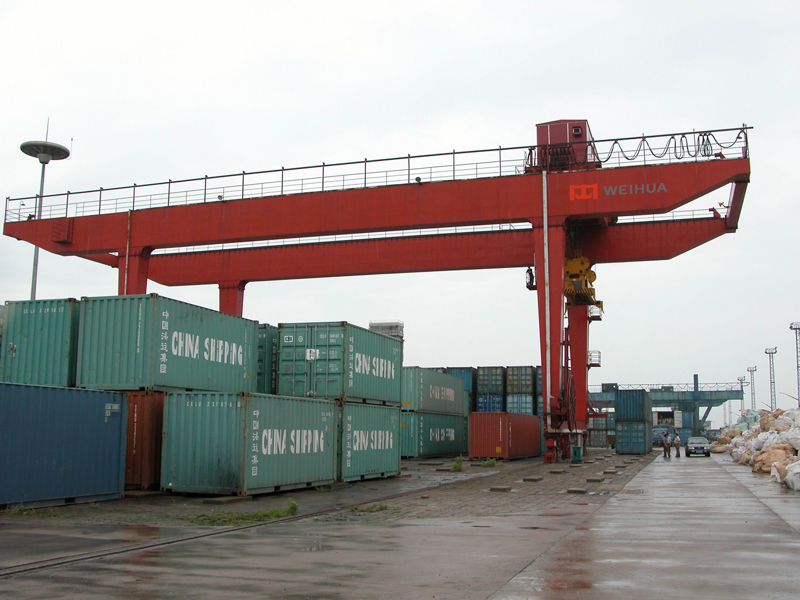
Even with strict standards in place, many runway design failures stem from avoidable mistakes. Here are the most common pitfalls to watch for:
Overhead crane runway design standards are not just red tape—they are proven frameworks that protect workers, sprzęt, and operations. By adhering to OSHA, CMAA, AISC, and regional standards, you can ensure your runway system is safe, wytrzymały, and efficient.
Whether you’re designing a new runway or upgrading an existing one, partnering with a qualified structural engineer who specializes in crane systems is critical. They can help you navigate the complexities of standards, conduct detailed load analysis, and avoid common pitfalls—ultimately saving you time, money, and potential safety incidents.
Pamiętać: a well-designed runway is the foundation of safe and efficient overhead crane operations. Invest in compliance today, and you’ll reap the benefits of reduced downtime, extended equipment life, and a safer workplace for years to come.
Cenimy twoją opinię! Wypełnij poniższy formularz, abyśmy mogli dostosować nasze usługi do twoich konkretnych potrzeb.


Kliknij przycisk, aby uzyskać informacje o produkcie i cytaty na WhatsApp.
Zdobądź wycenę
Najnowsze komentarze