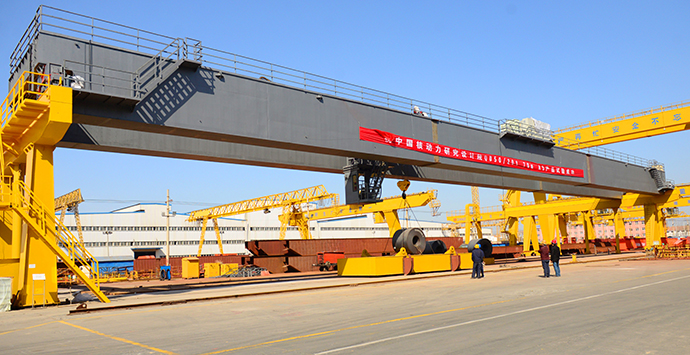
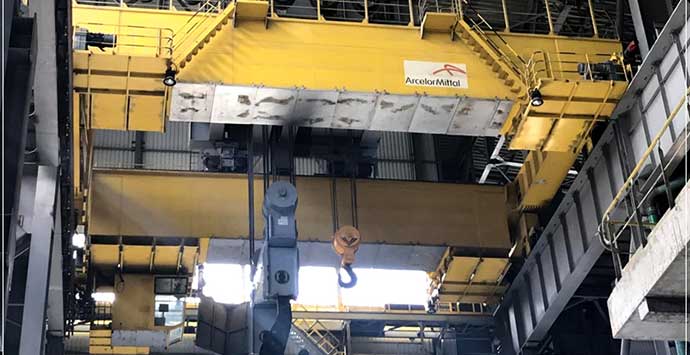
badanie obciążenia suwnicy
Suwnice pomostowe stanowią podstawę transportu materiałów w magazynach, zakłady produkcyjne, place budowy, i obiekty przemysłowe — polegając na nich w zakresie podnoszenia, przenosić, i bezpiecznie ustawiaj ciężkie ładunki dzień po dniu. Jednak nawet najtrwalszy dźwig może z czasem ujawnić ukryte słabości: zużyte elementy, stres strukturalny, awaria hamulca, lub niewspółosiowość może zmienić rutynowe podnoszenie w katastrofalne ryzyko. Właśnie dlatego testowanie obciążenia suwnicą to nie tylko najlepsza praktyka – to niepodlegający negocjacjom krok w kierunku zapewnienia zgodności, bezpieczeństwo pracowników, and equipment longevity.
W tym przewodniku, omawiamy wszystko, co musisz wiedzieć o badaniu obciążenia suwnicy: dlaczego to ma znaczenie, kiedy testować, kluczowe standardy, których należy przestrzegać, procedury krok po kroku, i krytyczne protokoły bezpieczeństwa, aby chronić swój zespół i sprzęt.
Dlaczego testowanie obciążenia suwnicy pomostowej nie podlega negocjacjom
Testy obciążeniowe sprawdzają, czy dźwig wytrzyma swój udźwig znamionowy (i poza nią) bez uszkodzeń konstrukcji, awaria mechaniczna, lub niebezpieczny ruch. Pomijanie lub przyspieszanie tego procesu naraża pracowników na niebezpieczeństwo, spis, i obiekt są narażone na poważne ryzyko i często naruszają standardy regulacyjne.
- ◆ Zapewnij integralność strukturalną: Testy wykrywają zginanie, wypaczenie, lub trwałe odkształcenie mostu, dźwigary, wciągnik, i wózek, których same oględziny mogą nie zauważyć.
- ◆ Sprawdź wydajność mechaniczną: Potwierdza hamulce, podnośniki, wyłączniki krańcowe, sterownica, i układy napędowe pracują płynnie pod obciążeniem.
- ◆ Spełnij zgodność z przepisami: Należy do OSHA, ISO 4310, ANSI B30.20, i lokalne przepisy bezpieczeństwa (większość norm wymaga testowania nowych, zmodyfikowany, lub naprawionych dźwigów).
- ◆ Zapobiegaj kosztownym przestojom & Wypadki: Wcześnie wykrywa defekty, aby uniknąć awarii podnośnika, urazy w miejscu pracy, i kosztowne naprawy awaryjne.
- ◆ Wydłuż żywotność żurawia: Identyfikuje punkty stresu, zanim się one nasilą, i zachowanie inwestycji w sprzęt na lata.
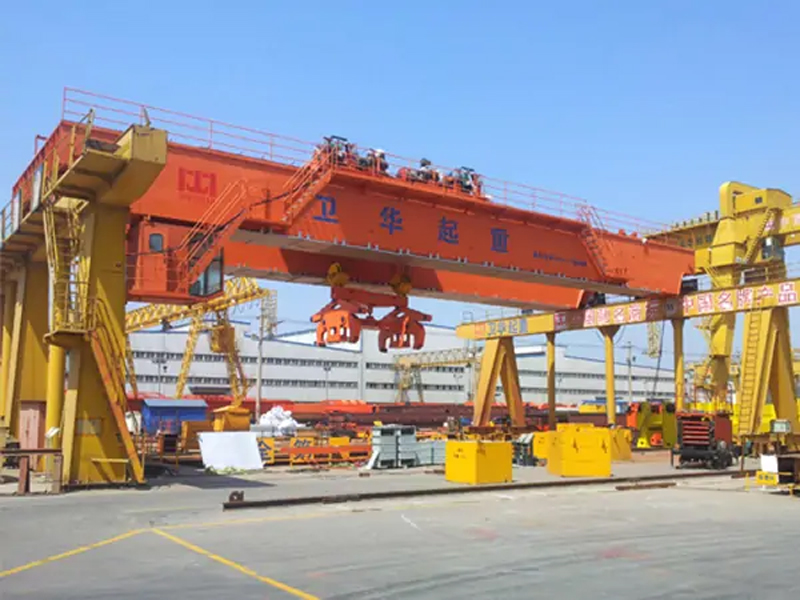
badanie obciążenia suwnicy
Kiedy wykonać próbę obciążenia suwnicy
Testowanie obciążenia nie jest zadaniem jednorazowym. Zaplanuj testy w tych krytycznych scenariuszach, aby zachować zgodność i bezpieczeństwo:
- ◆ Instalacja nowego dźwigu: Przed pierwszym użyciem, aby potwierdzić działanie fabryczne i prawidłową konfigurację.
- ◆ Ważniejsze naprawy/modyfikacje: Po naprawie konstrukcyjnej, wymiany podnośników, ulepszenia pojemności, lub zmiany pasa startowego.
- ◆ Okresowe rutynowe testy: Postępuj zgodnie z zaleceniami producenta (zazwyczaj co 1–4 lata, w zależności od intensywności użytkowania).
- ◆ Po incydencie krytycznym: Po kolizji, zdarzenie przeciążenia, lub awarię mechaniczną, aby wykluczyć ukryte uszkodzenia.
- ◆ Zmiana warunków pracy: Jeśli dźwig zostanie przeniesiony, stosowany do cięższych ładunków, lub pracować w trudniejszych warunkach.
Kluczowe typy testów obciążenia dla suwnic
Większość protokołów testowania obciążenia suwnic pomostowych obejmuje trzy podstawowe fazy testowe, każdy służy wyjątkowemu celowi. Zawsze postępuj zgodnie ze specyfikacjami producenta i wytycznymi regulacyjnymi dotyczącymi wartości procentowych obciążenia i czasu trwania.
1. Bez obciążenia (Funkcjonalny) Test
Podstawowa kontrola przed zastosowaniem jakiegokolwiek ciężaru: uruchomić dźwig pusty, aby sprawdzić wszystkie ruchy i zabezpieczenia.
- ◆ Przetestuj wciągnik w górę/w dół, przejazd wózkiem, i mostem na całej długości pasa startowego.
- ◆ Sprawdź wyłączniki krańcowe, zatrzymania awaryjne, hamulce, i elementy sterujące działają prawidłowo.
- ◆ Sprawdź, czy nie występują nietypowe dźwięki, wibracja, lub niewspółosiowość.
2. Test obciążenia znamionowego (100% Pojemność)
Podnieś i przytrzymaj pełne obciążenie znamionowe dźwigu, aby symulować rzeczywiste warunki pracy.
- ◆ Podnieś ładunek na wysokość 6–12 cali nad ziemię i przytrzymaj przez wyznaczony czas (zwykle 5–10 minut).
- ◆ Przetestuj wszystkie ruchy żurawia pod obciążeniem: wciągnik, wózek, i ruch mostu.
- ◆ Monitoruj pod kątem ugięcia, potknięcie się, lub zanik hamulców; zmierzyć ugięcie dźwigara, aby upewnić się, że mieści się ono w dopuszczalnych granicach.
3. Przeciążać (Dowód) Test
Najbardziej rygorystyczny test, zaprojektowany do testowania obciążenia żurawia przekraczającego jego udźwig znamionowy w celu potwierdzenia marginesów bezpieczeństwa. Zazwyczaj wymagają tego normy OSHA i ISO 125% obciążenia znamionowego (chyba że producent określi inny procent).
- ◆ Zastosuj 125% obciążenia znamionowego stopniowo (nigdy nagle).
- ◆ Podnieś ładunek nieco nad ziemię i przytrzymaj przez 10–20 minut (postępuj zgodnie z harmonogramem producenta/przepisów).
- ◆ Sprawdź pod kątem trwałych odkształceń, spękanie, lub awaria elementu — żadne trwałe uszkodzenie nie jest dopuszczalne.
- ◆ Uwaga: Niektóre protokoły obejmują także test obciążenia dynamicznego (110% obciążenie znamionowe) do testowania ruchu i hamowania w warunkach aktywnego obciążenia.
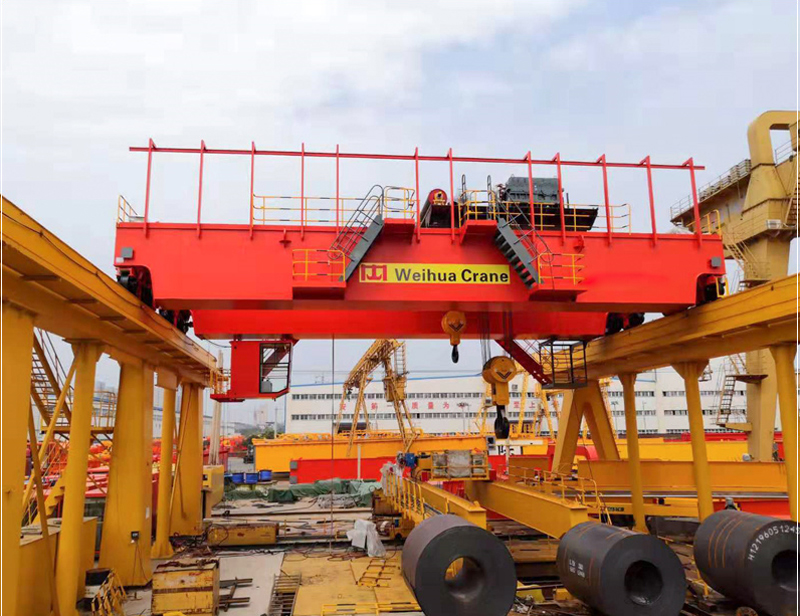
Przygotowanie do testu: Przygotuj się na sukces
Pomijanie prac przygotowawczych prowadzi do niedokładnych wyników, zagrożenia bezpieczeństwa, i luki w przestrzeganiu przepisów. Wykonaj poniższe kroki przed rozpoczęciem jakichkolwiek testów obciążenia suwnicy:
- 1. Przypisz wykwalifikowany zespół: Tylko przeszkolony, certyfikowani technicy lub inżynierowie powinni przeprowadzać testy – nieprzeszkolony personel stwarza ogromne ryzyko.
- 2. Sprawdź dokładnie dźwig: Przeprowadzić pełną kontrolę wzrokową: sprawdź liny, Haczyki, namiar, śruby, hamulce, i układów elektrycznych pod kątem zużycia lub uszkodzenia. Napraw defekty przed testowaniem.
- 3. Kalibracja odważników testowych: Używaj certyfikowanych, skalibrowane odważniki testowe (worki na wodę, obciążniki stalowe, lub bloki betonowe) aby zapewnić dokładny pomiar obciążenia. Nigdy nie oceniaj ciężaru ładunku.
- 4. Zabezpiecz obszar testowy: Zablokuj strefę testową barierami i znakami ostrzegawczymi; Trzymaj nieupoważniony personel z dala od ścieżki windy i strefy lądowania.
- 5. Przejrzyj dokumentację: Zbierz instrukcję dźwigu, dane dotyczące pojemności znamionowej, raporty z poprzednich testów, oraz regulacyjne listy kontrolne umożliwiające zachowanie zgodności ze standardami.
- 6. Przygotuj sprzęt ochronny: Wyposaż drużynę w kaski, kamizelki ochronne, rękawice, i zabezpieczenie przed upadkiem (jeśli pracujesz na wysokości).
Procedura testowania obciążenia suwnicy krok po kroku
Postępuj zgodnie z tym zorganizowanym przepływem pracy, aby wykonać bezpieczne wykonanie, za każdym razem zgodne testy obciążenia:
- 1. Wykonaj test działania bez obciążenia. Uruchom żuraw pełnymi ruchami bez obciążenia, aby upewnić się, że wszystkie systemy działają. Przed kontynuowaniem udokumentuj wszelkie awarie i rozwiąż je.
- 2. Bezpiecznie przymocuj obciążenie testowe. Użyj odpowiednich zawiesi, kajdany, oraz haki do mocowania skalibrowanego obciążenia. Zapewnij równomierne rozłożenie ciężaru, aby zapobiec kołysaniu się lub podnoszeniu przy braku równowagi.
- 3. Wykonaj test obciążenia znamionowego. Stopniowo podnoś 100% obciążenie znamionowe na bezpieczną wysokość, przytrzymaj przez wymagany czas, i przetestuj wszystkie ruchy dźwigu. Zmierz ugięcie dźwigara i zapisz obserwacje.
- 4. Przeprowadź test odporności na przeciążenie. Powoli zwiększaj obciążenie do 125% o pojemności znamionowej (lub specyfikacje producenta). Podnieś lekko, trzymaj się stabilnie, i sprawdzić naprężenia strukturalne, przecieki, lub awaria hamulca. Nie poruszaj nadmiernie dźwigiem podczas testów przeciążeniowych.
- 5. Niżej & Bezpiecznie usuń ładunek Opuść ładunek powoli i płynnie na ziemię, następnie odłącz olinowanie. Sprawdź ładunek i żuraw pod kątem uszkodzeń po podniesieniu.
- 6. Kontrola po teście & Dokumentacja Po testach należy przeprowadzić pełną kontrolę wizualną i mechaniczną. Dokumentuj wszystkie wyniki: pomiary ugięcia, obciążniki, czas trwania testu, oraz wszelkie znalezione wady.
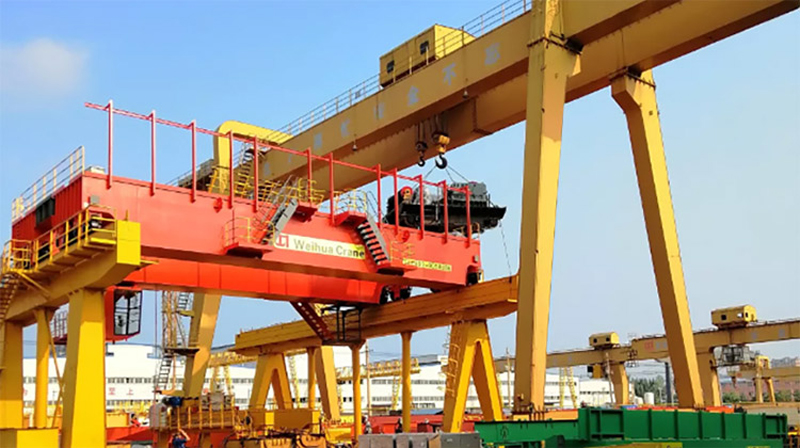
Krytyczne zasady bezpieczeństwa dotyczące testowania obciążenia suwnicy
- ◆ Nigdy nie przekraczaj zalecanych wartości procentowych obciążenia: Przeciążanie dalej 125% (lub specyfikacje producenta) może spowodować nieodwracalne uszkodzenie żurawia.
- ◆ Unikaj gwałtownych ruchów: Winda, niżej, i przesuwaj powoli, aby zapobiec wahaniom ładunku i wstrząsom konstrukcyjnym.
- ◆ Monitoruj w sposób ciągły: Wyznacz dedykowanego obserwatora, który będzie obserwował defekty, hałas, lub niestabilność podczas testowania.
- ◆ Zatrzymaj się natychmiast, jeśli zauważysz czerwone flagi: Zatrzymaj testowanie, jeśli usłyszysz trzaski, patrz zginanie, lub zauważysz awarię hamulców – nie wznawiaj pracy, dopóki naprawa nie zostanie zakończona.
- ◆ Prawidłowo przechowuj odważniki testowe: Zabezpiecz ciężarki, gdy nie są używane, aby zapobiec przewróceniu się lub obrażeniom.
Dalsze kroki po teście: Dokumentacja & Zgodność
Pomyślny test obciążenia nie jest kompletny bez dokładnego prowadzenia rejestrów. OSHA i większość organów regulacyjnych wymagają udokumentowanych raportów z testów znajdujących się w aktach na potrzeby audytów.
- ◆ Utwórz szczegółowy raport z testów, zawierający: identyfikator żurawia, data, nazwiska techników, obciążniki, czas trwania testów, dane dotyczące ugięcia, i wyniki kontroli.
- ◆ Oznacz dźwig aktualnym udźwigiem znamionowym i datą zakończenia testu.
- ◆ Zaplanuj dalsze inspekcje lub rutynowe testy w oparciu o wyniki.
- ◆ Natychmiast napraw wszelkie usterki — nie zwracaj żurawia do użytku, dopóki naprawa nie zostanie zweryfikowana.
Ostatnie przemyślenia
Testowanie obciążenia suwnicą to inwestycja w bezpieczeństwo, zgodność, i niezawodność działania. Ograniczanie testów nie tylko wiąże się z ryzykiem kar regulacyjnych, ale także zagraża życiu. Postępując zgodnie ze standardowymi procedurami, priorytetem jest bezpieczeństwo, i dokumentowanie każdego kroku, zapewniasz swoje suwnica działa niezawodnie przez długie lata.
Zawsze konsultuj się z producentem dźwigu, certyfikowanego inżyniera podnoszenia, lub lokalne organy regulacyjne w celu dostosowania testów do konkretnego sprzętu i potrzeb branżowych. W razie wątpliwości, zaufaj profesjonalistom — bezpieczne podnoszenie zaczyna się od dokładnych testów.





Najnowsze komentarze