Overhead cranes are workhorses in industrial settings, lifting and moving heavy loads with precision. Jednakże, like any heavy machinery, they require regular inspection to ensure safety, prevent breakdowns, and extend their service life. A single oversight during inspection could lead to catastrophic accidents, kosztowne przestoje, or damage to valuable equipment. Na tym blogu, we’ll walk you through a step-by-step guide on how to inspect an suwnica effectively.
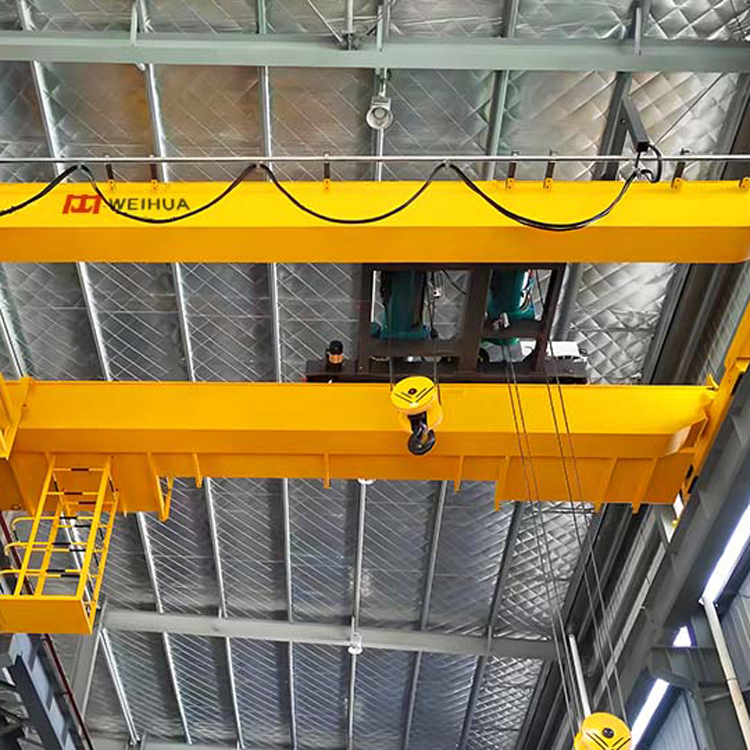
Przygotowanie przed inspekcją
Przed rozpoczęciem kontroli, it’s crucial to prepare adequately to ensure the process is safe and thorough.
- 1. Bezpieczeństwo przede wszystkim: Secure the area around the crane with warning signs and barriers to prevent unauthorized access. Nosić odpowiedni sprzęt ochrony osobistej (ŚOI), including a hard hat, okulary ochronne, steel-toed boots, and high-visibility clothing. Ensure the crane is powered off and locked out/tagged out (SERCE) to avoid accidental activation during inspection.
- 2. Gather Tools and Documents: Collect necessary tools such as a flashlight, taśma miernicza, klucz dynamometryczny, inspection checklist, and the crane’s operation and maintenance manual. Review the crane’s maintenance history and previous inspection reports to identify any recurring issues.
Daily Inspection Checklist
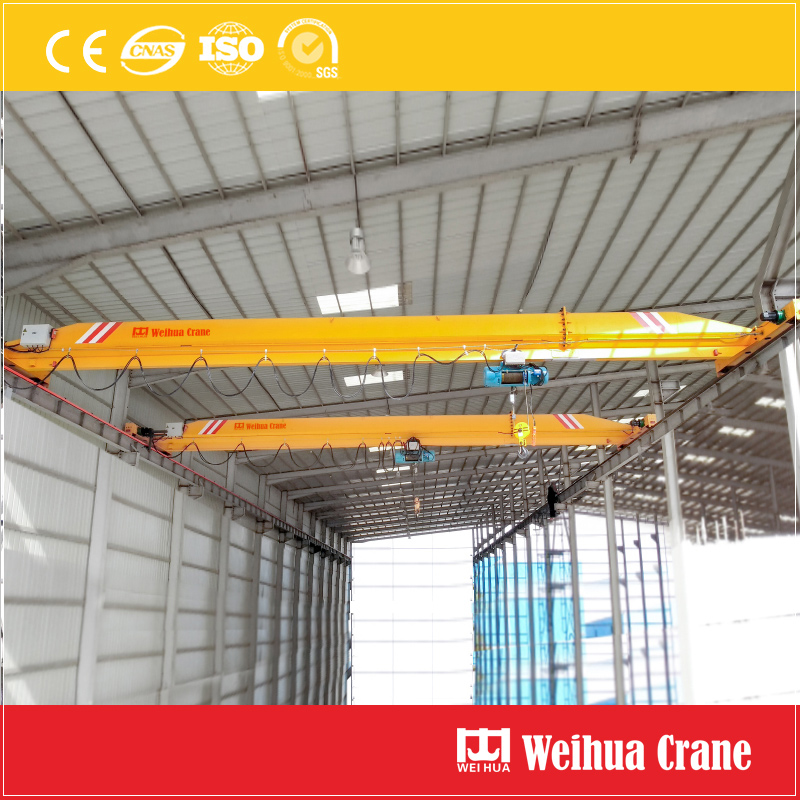
Daily inspections are quick checks performed before the crane is put into operation each day. They focus on visible components and basic functionality.
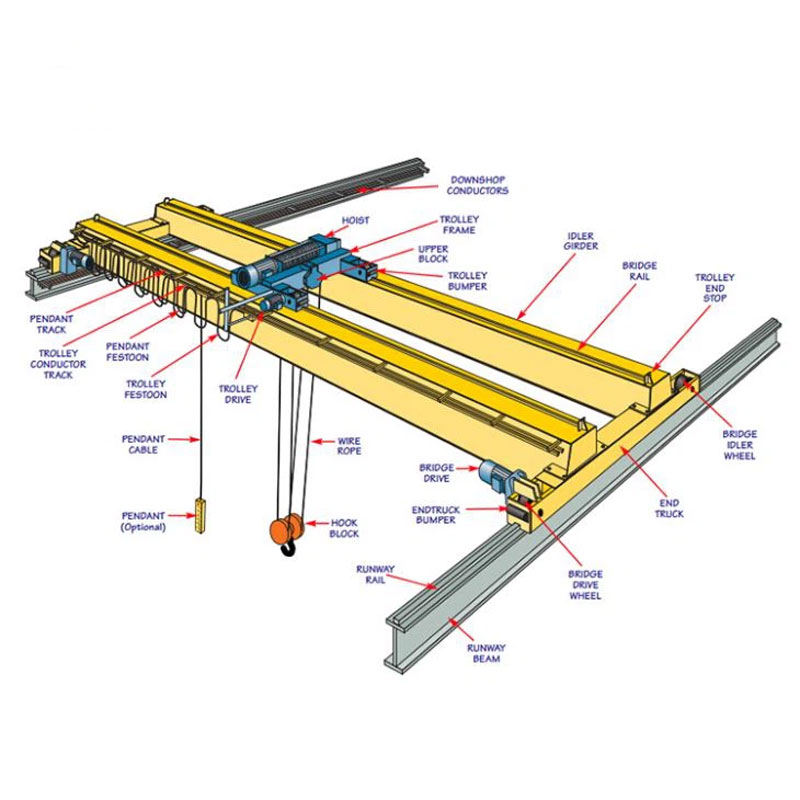
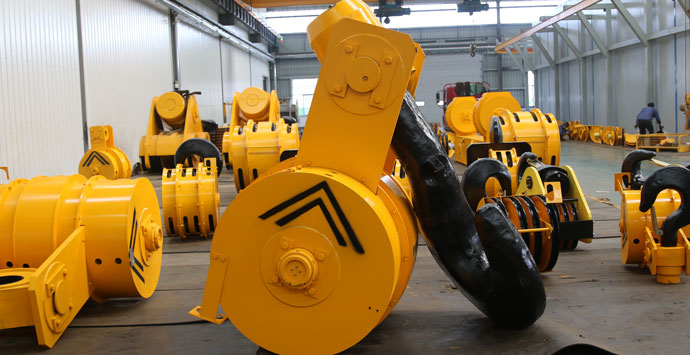
- 1. Hook and Lifting Accessories: Inspect the hook for cracks, nosić , lub deformacja. Check the crane hook latch to ensure it closes properly and securely. Examine slings, więzy, or cables for fraying, załamania, korozja, or excessive wear. Verify that all lifting accessories are rated for the intended load.
- 2. Sterownica: Test all pendant or cab controls, including hoist up/down, trolley left/right, and bridge forward/backward. Ensure controls are responsive, and there are no unusual noises or delays in operation. Check that emergency stop buttons function correctly.
- 3. Visual Checks: Look for any loose bolts, orzechy, or fasteners on the crane structure, wózek, or hoist. Inspect the runway rails for debris, szkoda, or misalignment. Check for oil leaks from the hoist or trolley motors.
Przegląd okresowy (Monthly/Quarterly/Annual)
Periodic inspections are more detailed and conducted at longer intervals (miesięczny, kwartalny, lub rocznie, depending on usage and regulations). They require a closer look at critical components and may involve testing and measurements.
Przeglądy miesięczne/kwartalne
- 1. System podnoszenia: Inspect the hoist motor for overheating, niezwykłe odgłosy, or vibration. Check the brake system to ensure it holds the load securely when stopped. Examine the gearbox for oil level and quality. Inspect the drum for cracks, nosić , or damage to the cable grooves.
- 2. Trolley and Bridge: Check the trolley wheels for wear, spękanie, or misalignment. Inspect the trolley and bridge drive mechanisms, including gears, namiar, and couplings, for proper lubrication and functionality. Verify that the bridge end stops are in good condition and function as intended.
Coroczne przeglądy
- 1. Structural Components: Thoroughly inspect the crane bridge, girder, and end trucks for cracks, korozja, lub deformacja. Check welds for signs of fatigue or failure. Measure the deflection of the bridge under a test load to ensure it meets design specifications.
- 2. Układ elektryczny: Inspect all electrical connections, wires, and cables for fraying, korozja, or loose connections. Test the limit switches (hoist upper/lower limit, trolley and bridge travel limits) to ensure they stop the crane when activated. Check the power supply and voltage to ensure it’s within the recommended range.
- 3. Testowanie obciążenia: Perform a load test with a rated load and an overload (if allowed by regulations) to verify the crane’s lifting capacity and stability. Monitor the crane’s performance during the test for any unusual behavior.
Inspection Frequency Guidelines
The frequency of inspections depends on several factors, including the crane’s usage (number of hours operated per day), the environment (harsh, żrący, or dusty), and local safety regulations (such as OSHA in the United States or LOLER in the United Kingdom). Oto ogólne wytyczne:
- 1. Codziennie: Before each shift (quick visual and functional checks).
- 2. Monthly/Quarterly: For cranes used regularly (detailed checks of critical components).
- 3. Annual: Comprehensive inspection, łącznie z testami obciążeniowymi (required by most regulations).
- 4. Po większych naprawach lub wypadkach: Inspect the crane thoroughly before putting it back into service.
Post-Inspection Actions
After completing the inspection, take the following actions to ensure the crane is safe to operate:
- 1. Document Findings: Record all inspection results, including any defects or issues found, in a detailed inspection report. Note the date, nazwisko inspektora, and any corrective actions taken.
- 2. Address Defects Promptly: If any serious defects are found (such as cracks in the hook or structural components), take the crane out of service immediately. Schedule repairs with qualified technicians and re-inspect the crane after repairs are completed.
- 3. Maintain Records: Keep all inspection reports and maintenance records on file for future reference and to comply with regulatory requirements.
Pamiętać, regular inspection is not just a regulatory requirement—it’s a critical step in ensuring the safety of your workforce and the efficiency of your operations. By following this guide, you can keep your overhead crane in top condition and minimize the risk of accidents.


Udostępnij w formacie PDF: Pobierać






Najnowsze komentarze