» 블로그 » 오버헤드 크레인 구성 요소 및 기능

오버헤드 크레인 구성 요소 및 기능

2026-01-09

오버헤드 크레인 구성 요소 및 기능

In the bustling world of manufacturing, 창고, 건설 현장, 및 포트, 오버헤드 크레인은 없어서는 안 될 일꾼입니다.. These heavy-duty machines streamline material handling, lift massive loads, and enhance operational efficiency. But have you ever wondered what makes these cranes so reliable and versatile? The answer lies in their well-designed components, each playing a unique and critical role. 이 블로그에서는, we’ll break down the key 오버헤드 크레인 components and their essential functions, helping you gain a deeper understanding of how these industrial giants operate.

Overhead Crane Parts

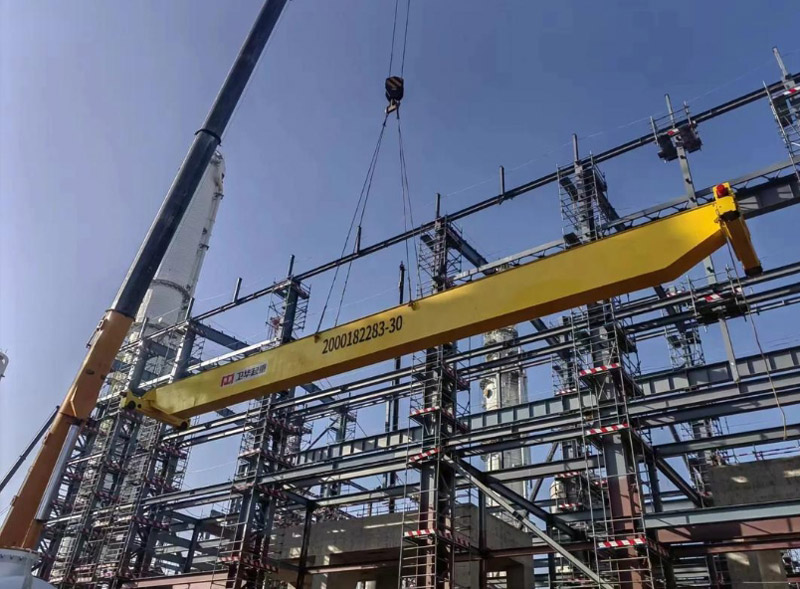
교량 대들보 (메인빔)

메인빔

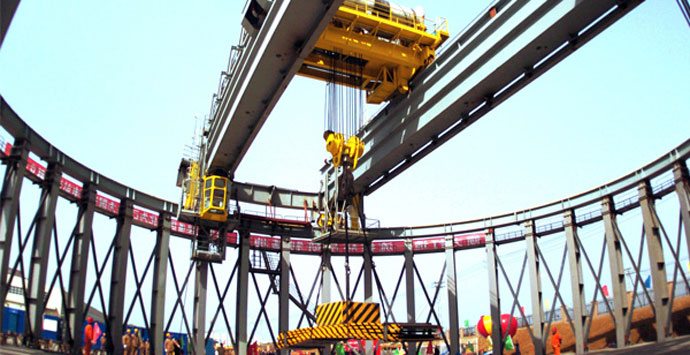
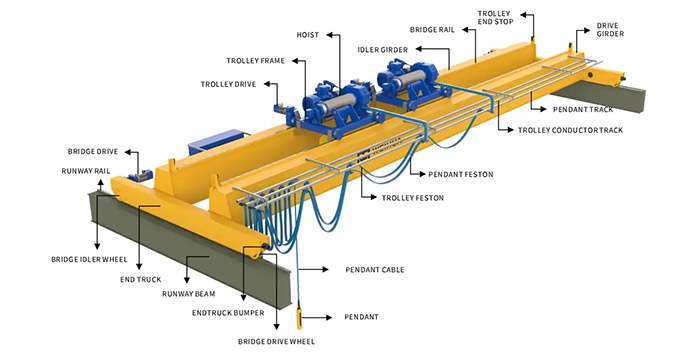
The bridge girder, often referred to as the main beam, is the backbone of an overhead crane. It’s the horizontal structure that spans the width of the workspace (예를 들어, between two crane runways) and bears the weight of the load, 트롤리, and other components.

Functions:

Bridge girders are typically made of high-strength steel to withstand extreme loads. Common designs include single-girder (더 가벼운 짐을 위해) and double-girder (for heavier, more demanding applications) configurations.

엔드 트럭 (엔드 캐리지)

엔드 트럭

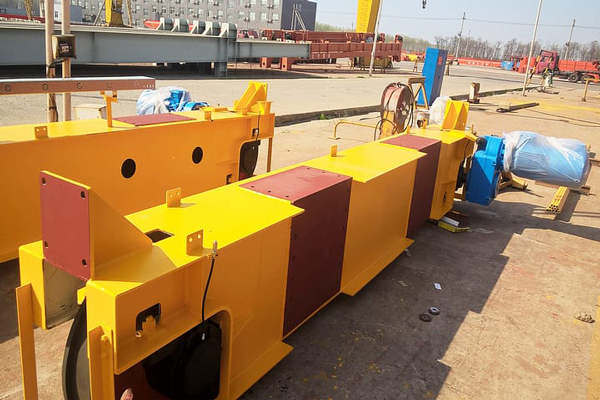
End trucks are mounted at both ends of the bridge girder. They house the overhead crane wheels, 차축, and drive mechanisms that enable the entire crane to move along the runway rails installed on the building’s walls or columns.

Functions:

The design of end trucks varies based on the crane’s capacity and speed requirements. Some end trucks use motorized drives for automated movement, while others may be manually operated for lighter-duty cranes.

트롤리

트롤리

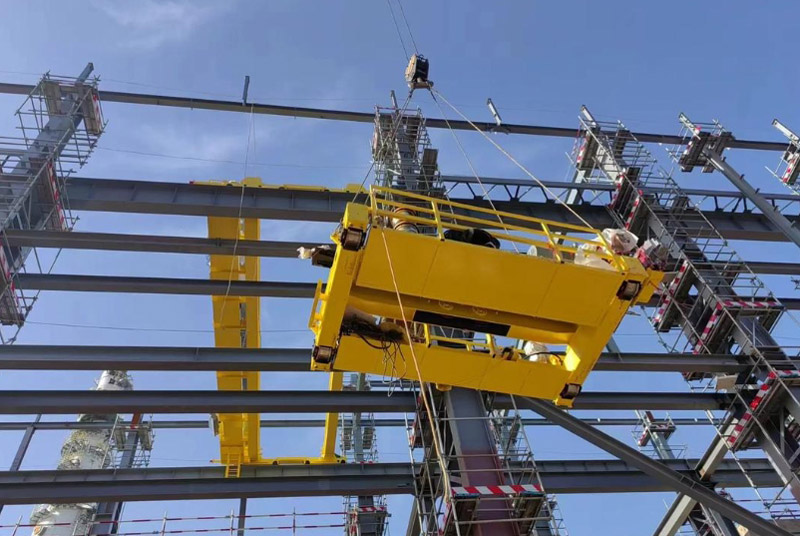
The trolley is a movable unit that travels along the top or bottom of the bridge girder. It carries the hoisting mechanism (the part that lifts the load) and allows for lateral movement (좌우로) of the load within the crane’s coverage area.

Functions:

Trolleys are classified into different types, such as top-running (travels on top of the bridge girder) and under-running (travels beneath the bridge girder), depending on the crane’s design and application.

호이스팅 메커니즘

호이스팅 메커니즘

The hoisting mechanism is the heart of the overhead crane, responsible for lifting and lowering the load. It consists of several sub-components, including a motor, 변속 장치, 크레인 와이어 로프 드럼, 와이어 로프 또는 체인, 후크, 그리고 브레이크.

Functions:

The capacity of the hoisting mechanism determines the maximum load the crane can lift. 예를 들어, a crane with a 10-ton hoisting mechanism can safely lift loads up to 10 톤.

크레인 후크

크레인 후크

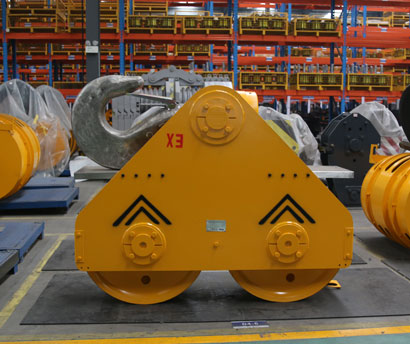
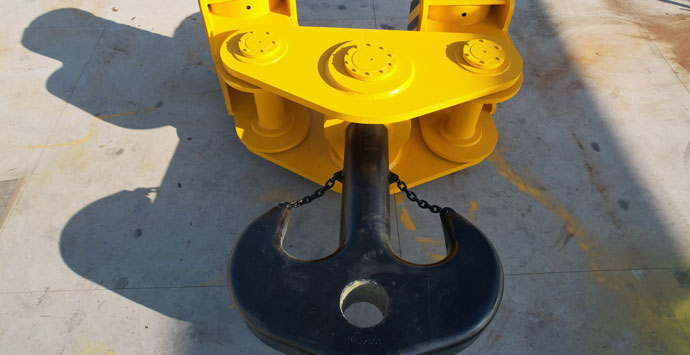
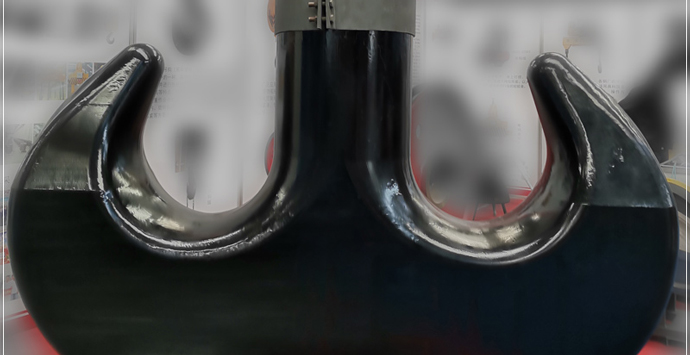
그만큼 크레인 후크 is the component that directly attaches to the load. It’s suspended from the hoisting mechanism via wire ropes or chains and comes in various designs to accommodate different types of loads.

Functions:

Crane hooks are made of high-strength alloy steel to withstand heavy loads and are regularly inspected for wear, 균열, or deformation to ensure safety.

Operator Cab (or Control Pendant/Radio Remote)

Operator Cab (or Control Pendant/Radio Remote)

Operator Cab (or Control Pendant/Radio Remote)

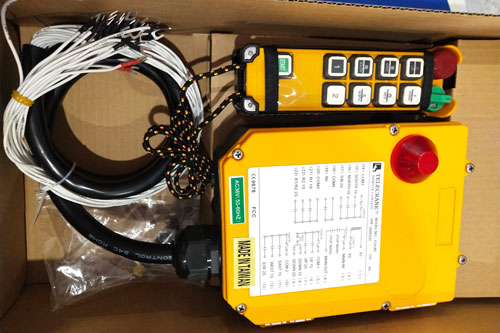
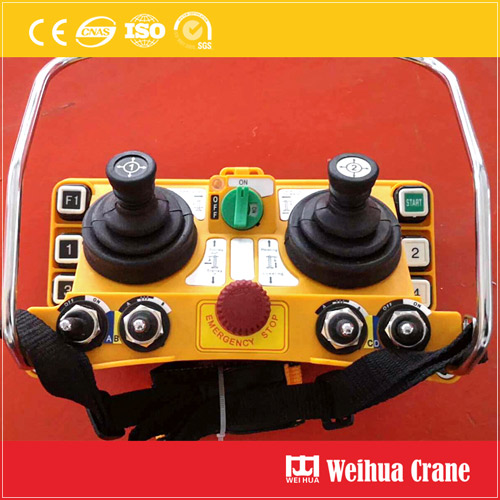
The operator cab is the control center of the overhead crane, where the operator sits to manipulate the crane’s movements. For smaller cranes or those used in tight spaces, control pendants (handheld push-button controls) or radio remote controls are often used instead.

Functions:

Radio remote controls offer added flexibility, allowing the operator to stand in the optimal position to monitor the load without being confined to the cab.

전기 시스템

전기 시스템

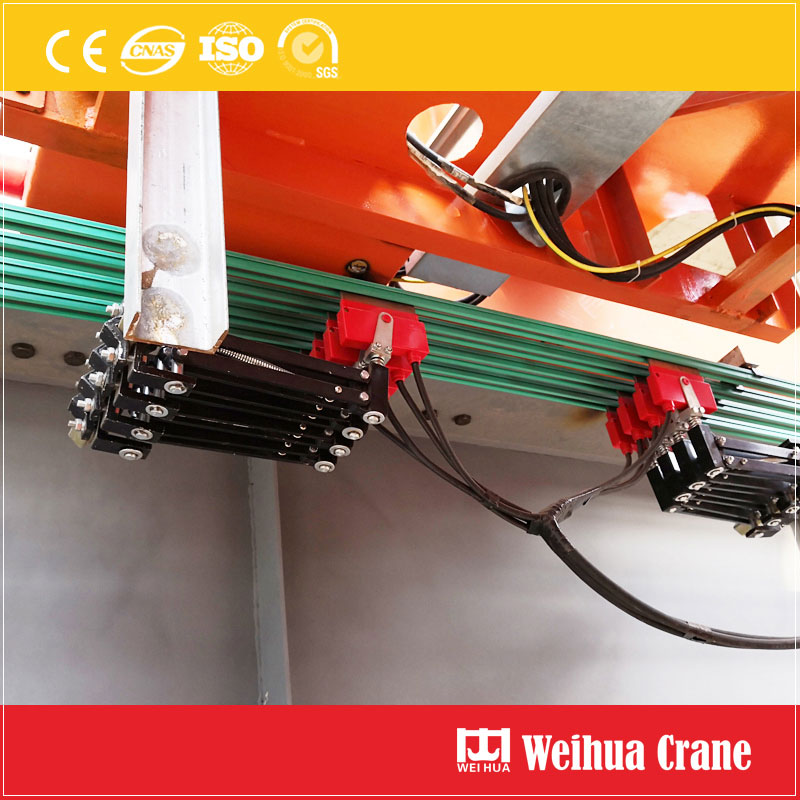
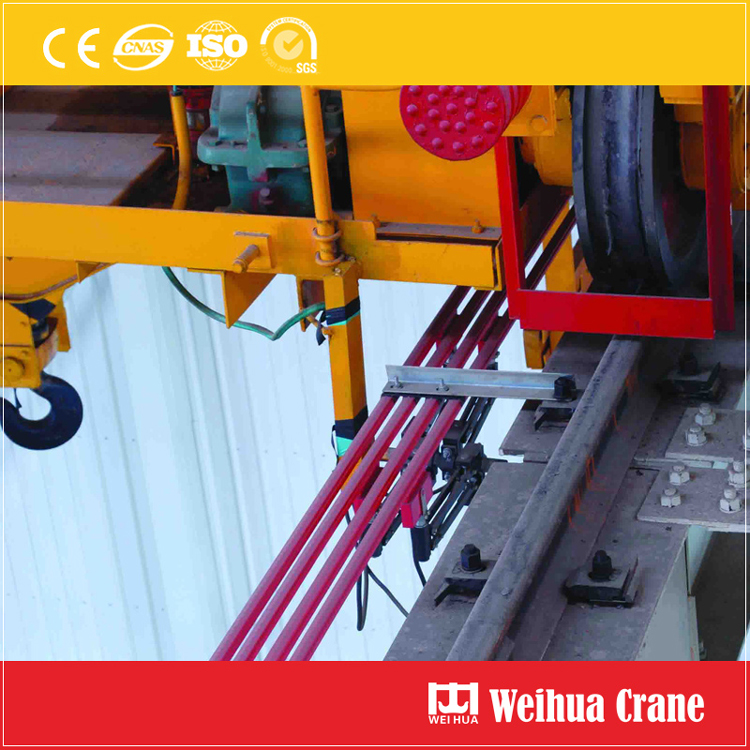
The electrical system powers and controls all the crane’s components, including the hoisting motor, trolley motor, travel motors, 브레이크, 및 제어 시스템. It consists of a power supply, 모터, inverters, controllers, 케이블, 그리고 안전장치.

Functions:

Modern overhead cranes often use variable frequency drives (VFD) in their electrical systems to optimize energy efficiency and improve control over movement speed.

활주로 레일

활주로 레일

While not always considered part of the crane itself, runway rails are essential for the crane’s operation. They are installed along the length of the workspace (usually on the building’s columns or support structures) and provide a track for the crane’s end trucks to travel on.

Functions:

Runway rails must be properly aligned and leveled to prevent excessive wear on the crane’s wheels and ensure safe operation.

FAQ: Common Questions About Overhead Crane Components

Q1: How often should overhead crane components be inspected?

A1: The inspection frequency depends on the component and usage intensity. Critical load-bearing components (like bridge girders, 후크, and wire ropes) should undergo daily visual inspections by the operator before use. Comprehensive inspections by qualified technicians are recommended quarterly, and annual thorough examinations (including non-destructive testing for high-wear parts) are required to ensure compliance with safety standards. For cranes used in harsh environments (예를 들어, high temperature, 부식), inspections should be more frequent.

Q2: What are the main signs that a crane component needs replacement?

A2: Key warning signs include visible cracks, 흉한 모습, or excessive wear on bridge girders and hooks; 닳아 해어짐, broken strands, or corrosion on wire ropes; abnormal noises or vibration from motors, gearboxes, or end trucks; inconsistent braking performance; and failure of safety devices (예를 들어, 리미트 스위치, overload protectors) to function properly. Any component showing these signs should be replaced immediately to avoid accidents.

Q3: Can different brands of overhead crane components be mixed and matched?

A3: It is not recommended to mix and match components from different brands unless explicitly approved by the crane manufacturer. Crane components are engineered to work synergistically, and mismatched parts may not meet the original load-bearing, 안전, or operational requirements. This can lead to reduced performance, increased wear, and potential safety hazards. If a component needs replacement, it is best to use the manufacturer’s original parts or authorized equivalents.

Q4: How does the working environment affect the lifespan of overhead crane components?

A4: Harsh environments significantly shorten component lifespans. High temperatures can degrade lubricants and weaken metal structures; humid or corrosive environments (예를 들어, 포트, 화학공장) cause rust and corrosion on metal components like end truck wheels and electrical systems; dusty environments can clog motors and gearboxes, leading to overheating and premature failure. To mitigate these effects, protective measures such as corrosion-resistant coatings, dust covers, and high-temperature lubricants should be used, and regular maintenance should be enhanced.

결론: The Synergy of Components

An overhead crane’s performance relies on the seamless collaboration of all its components. From the bridge girder (the backbone) to the hoisting mechanism (the heart) and the operator cab (the brain), each part plays a vital role in ensuring safe, 효율적인, and reliable material handling. Understanding these components and their functions is not only useful for crane operators and maintenance teams but also for business owners looking to invest in or optimize their material handling equipment.

Whether you’re operating a small single-girder crane in a workshop or a large double-girder crane in a port, proper maintenance of each component is key to extending the crane’s lifespan and ensuring workplace safety. 정기점검, 매끄럽게 하기, and repairs will keep your overhead crane running smoothly for years to come.

Have questions about overhead crane components or need advice on choosing the right crane for your application? Feel free to leave a comment below!

와이하

웨이화그룹

이전 기사:
다음 기사:

Get Solution & Price Right Now!

우리는 귀하의 의견을 소중히 여깁니다! 귀하의 특정 요구에 맞게 서비스를 조정할 수 있도록 아래 양식을 작성하십시오..

이름:
* 이메일:
whatsapp / 전화 번호:
프로젝트 위치:
* 메시지:

최신 의견

DM Shrivastav가 말했다.:
안녕, 우리는 SHANK TYPE HOOK을 찾고 있습니다 - 30ASME에 따른 톤 용량 30.10 성병. Please share your Best Quotation for the HOOK and GA for HOOK Thanks & 관심.

관련 사례

whatsapp

저희에게 연락하십시오

WhatsApp에서 제품 정보 및 따옴표를 얻으려면 버튼을 클릭하십시오..

견적을 얻으십시오
whatsapp
문의