Overhead cranes are workhorses in industrial settings, lifting and moving heavy loads with precision. 하지만, like any heavy machinery, they require regular inspection to ensure safety, prevent breakdowns, and extend their service life. A single oversight during inspection could lead to catastrophic accidents, 비용이 많이 드는 가동 중지 시간, or damage to valuable equipment. 이 블로그에서는, we’ll walk you through a step-by-step guide on how to inspect an 오버헤드 크레인 effectively.
검사 전 준비
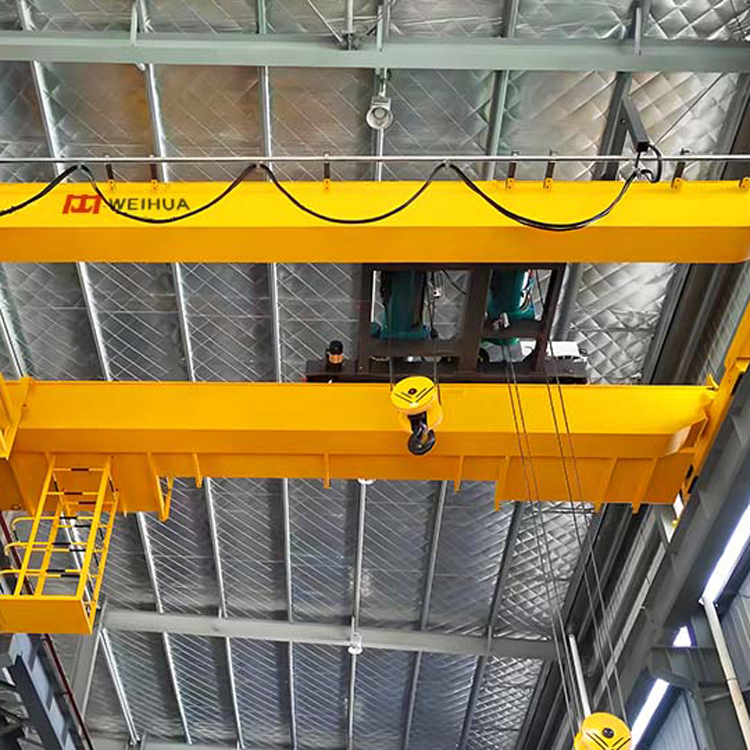
검사를 시작하기 전에, it’s crucial to prepare adequately to ensure the process is safe and thorough.
- 1. 안전한 안전: Secure the area around the crane with warning signs and barriers to prevent unauthorized access. Wear appropriate personal protective equipment (PPE), including a hard hat, 안전 안경, steel-toed boots, and high-visibility clothing. Ensure the crane is powered off and locked out/tagged out (마음) to avoid accidental activation during inspection.
- 2. Gather Tools and Documents: Collect necessary tools such as a flashlight, 줄자를 측정하다, 토크 렌치, inspection checklist, and the crane’s operation and maintenance manual. Review the crane’s maintenance history and previous inspection reports to identify any recurring issues.
Daily Inspection Checklist
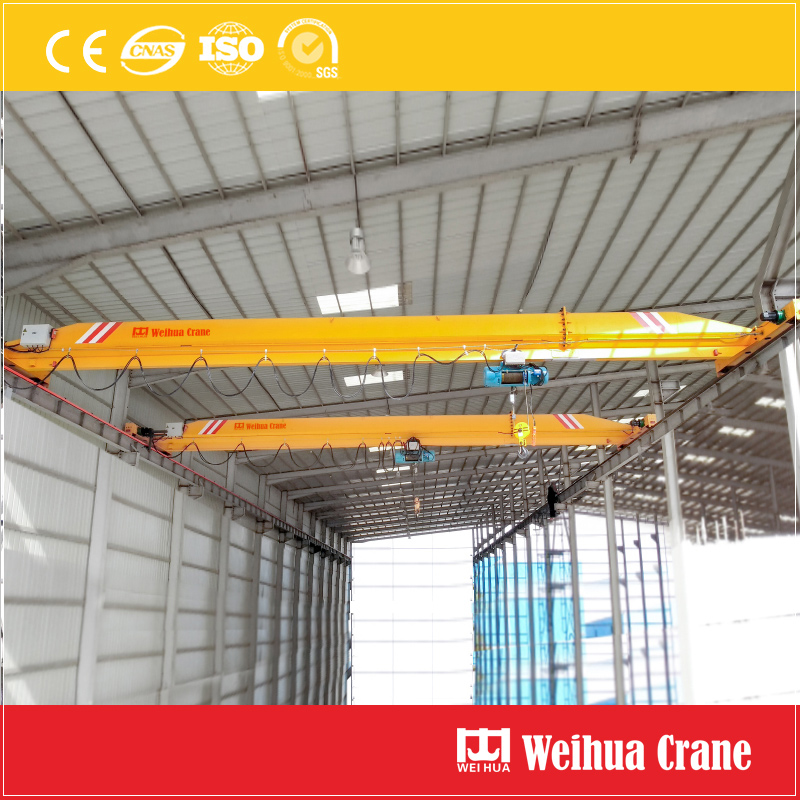
Daily inspections are quick checks performed before the crane is put into operation each day. They focus on visible components and basic functionality.
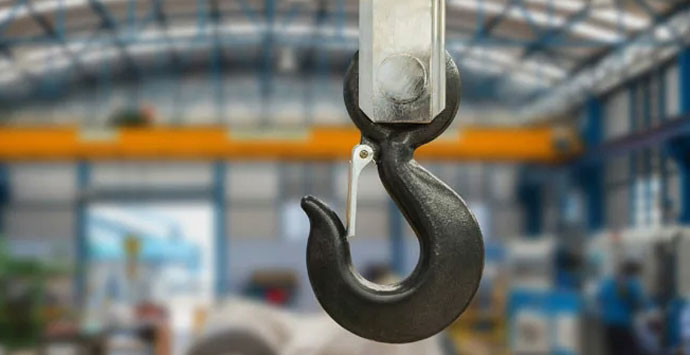
- 1. Hook and Lifting Accessories: Inspect the hook for cracks, 입다, 또는 변형. Check the crane hook latch to ensure it closes properly and securely. Examine slings, 쇠사슬, or cables for fraying, 꼬임, 부식, 또는 과도한 마모. Verify that all lifting accessories are rated for the intended load.
- 2. Controls: Test all pendant or cab controls, including hoist up/down, trolley left/right, and bridge forward/backward. Ensure controls are responsive, and there are no unusual noises or delays in operation. Check that emergency stop buttons function correctly.
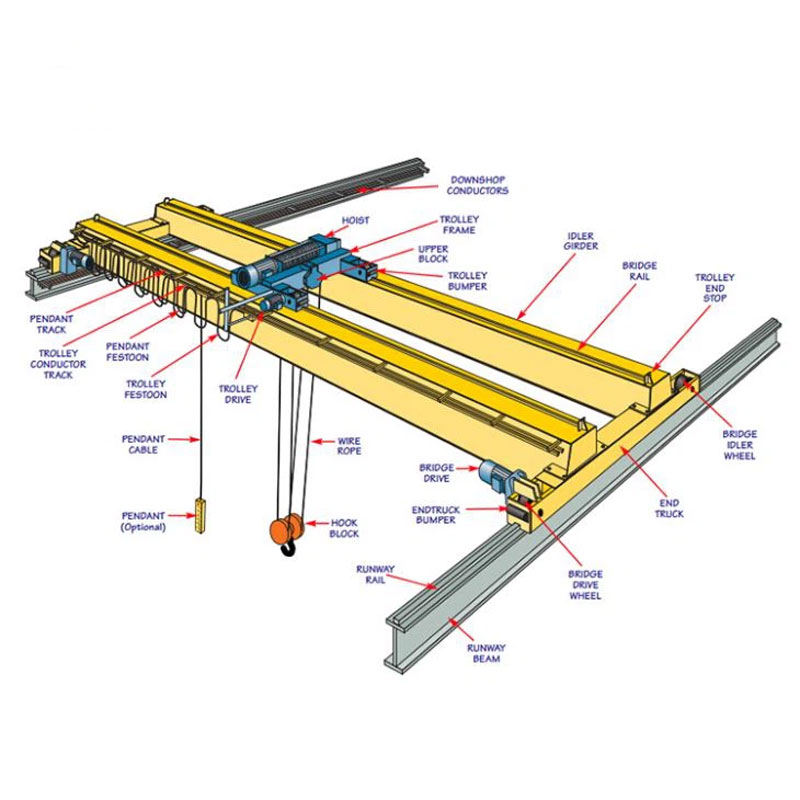
- 3. Visual Checks: 헐거운 볼트가 있는지 찾아보세요, 견과류, or fasteners on the crane structure, 트롤리, or hoist. Inspect the runway rails for debris, 손상, 또는 정렬 불량. Check for oil leaks from the hoist or trolley motors.
정기 검사 (Monthly/Quarterly/Annual)
Periodic inspections are more detailed and conducted at longer intervals (월간 간행물, 계간지, 또는 매년, depending on usage and regulations). They require a closer look at critical components and may involve testing and measurements.
월간/분기별 점검
- 1. 호이스트 시스템: Inspect the hoist motor for overheating, 이상한 소음, or vibration. Check the brake system to ensure it holds the load securely when stopped. Examine the gearbox for oil level and quality. Inspect the drum for cracks, 입다, or damage to the cable grooves.
- 2. Trolley and Bridge: Check the trolley wheels for wear, 균열, 또는 정렬 불량. Inspect the trolley and bridge drive mechanisms, including gears, 문장, and couplings, for proper lubrication and functionality. Verify that the bridge end stops are in good condition and function as intended.
연간 검사
- 1. Structural Components: Thoroughly inspect the crane bridge, 도리, and end trucks for cracks, 부식, 또는 변형. Check welds for signs of fatigue or failure. Measure the deflection of the bridge under a test load to ensure it meets design specifications.
- 2. 전기 시스템: Inspect all electrical connections, 전선, and cables for fraying, 부식, 또는 느슨한 연결. Test the limit switches (hoist upper/lower limit, trolley and bridge travel limits) to ensure they stop the crane when activated. Check the power supply and voltage to ensure it’s within the recommended range.
- 3. 로드 테스트: Perform a load test with a rated load and an overload (if allowed by regulations) to verify the crane’s lifting capacity and stability. Monitor the crane’s performance during the test for any unusual behavior.
Inspection Frequency Guidelines
The frequency of inspections depends on several factors, including the crane’s usage (number of hours operated per day), the environment (harsh, 신랄한, or dusty), 및 현지 안전 규정 (such as OSHA in the United States or LOLER in the United Kingdom). 다음은 일반적인 지침입니다.:
- 1. 일일: Before each shift (quick visual and functional checks).
- 2. 월/분기 별: For cranes used regularly (detailed checks of critical components).
- 3. 연간: Comprehensive inspection, 부하 테스트 포함 (required by most regulations).
- 4. 주요 수리 또는 사고 후: Inspect the crane thoroughly before putting it back into service.
Post-Inspection Actions
After completing the inspection, take the following actions to ensure the crane is safe to operate:
- 1. Document Findings: Record all inspection results, including any defects or issues found, in a detailed inspection report. Note the date, 검사관의 이름, 그리고 취해진 모든 시정 조치.
- 2. Address Defects Promptly: If any serious defects are found (such as cracks in the hook or structural components), take the crane out of service immediately. Schedule repairs with qualified technicians and re-inspect the crane after repairs are completed.
- 3. Maintain Records: Keep all inspection reports and maintenance records on file for future reference and to comply with regulatory requirements.
기억하다, regular inspection is not just a regulatory requirement—it’s a critical step in ensuring the safety of your workforce and the efficiency of your operations. By following this guide, you can keep your overhead crane in top condition and minimize the risk of accidents.
PDF로 공유: 다운로드





최신 의견