
탐색 메뉴

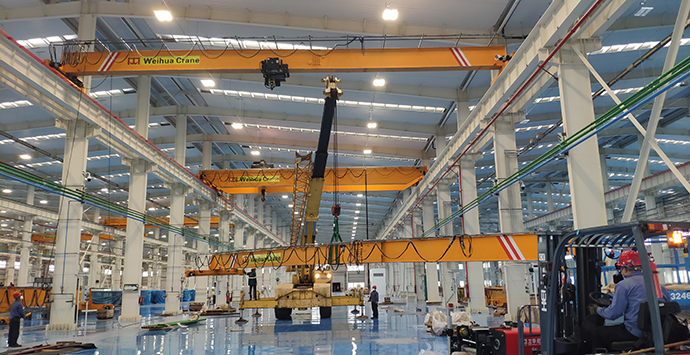
When it comes to selecting the right overhead crane for your industrial operation, understanding duty classifications is non-negotiable. The Crane Manufacturers Association of America (CMAA) has established a standardized classification system—ranging from Class A to Class F—that defines the operational demands a crane is designed to handle. This system ensures that cranes are matched to their intended applications, optimizing safety, 능률, and equipment lifespan. Whether you’re operating a small repair shop or a heavy-duty manufacturing plant, knowing the differences between CMAA classes will help you avoid costly over-specification or dangerous under-specification. Let’s break down each class in detail.
CMAA classifications are based on two core factors: load spectrum (the average weight of loads relative to the crane’s rated capacity) and load cycles (the number of lifts the crane performs over its lifetime). These classifications apply specifically to bridge cranes (not hoists alone) and are designed to ensure that crane components—from structural beams to hoists—can withstand the demands of their intended use. Choosing the right class isn’t just a matter of cost; it’s a critical safety measure. A crane rated for light service (예를 들어, 클래스 A) used in a heavy-duty application (예를 들어, F급) will suffer premature wear, increased maintenance costs, and even pose safety risks. Conversely, an over-specified crane (예를 들어, Class F for a light-duty shop) will waste resources on unnecessary features.
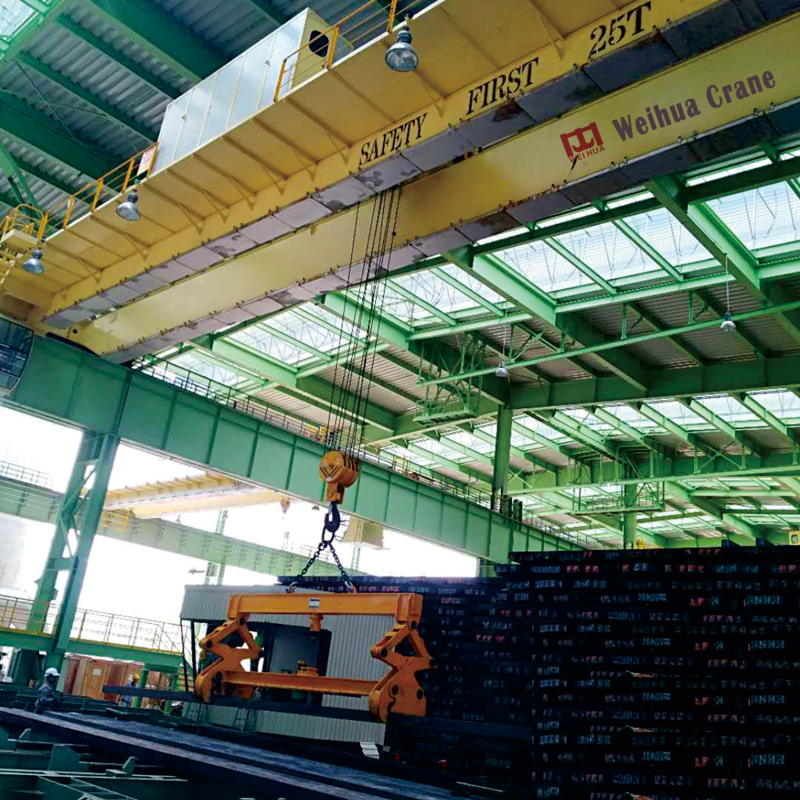
Each CMAA class is tailored to specific operational needs, with Class A being the lightest duty and Class F the heaviest. Below is a comprehensive overview of each class, including typical applications, 부하 특성, and key specifications.
Class A cranes are designed for infrequent, standby use—think of them as “backup” cranes or tools for occasional maintenance. They operate at slow speeds to ensure precise handling, with long idle periods between lifts. While they may occasionally need to lift maximum capacity loads (예를 들어, during equipment installation), their primary role is to support non-regular lifting tasks.
일반적인 응용 프로그램: 발전소, utility facilities, turbine rooms, motor rooms, and transformer stations. These cranes are often used to maintain or install heavy equipment that requires minimal movement once in place.
주요 특징: 0–2 lifts per hour, average lift height of 10 피트, single-shift operation, and slow speeds. They typically pair with H1 hoists and are designed for precision over frequency.
Class B cranes are step up from Class A, designed for light, intermittent use in environments where lifting demands are low but consistent. Loads vary from none to occasional full capacity, and the crane operates at slow speeds to prioritize control over speed.
일반적인 응용 프로그램: Repair shops, light assembly operations, service buildings, and light warehousing. 예를 들어, an auto repair shop might use a Class B crane to lift engines or small components, or a light manufacturing facility for occasional part movement.
주요 특징: 2–5 lifts per hour, average lift height of 10 피트, single-shift operation, and loads that rarely reach full capacity. They pair with H2 hoists and have simple mechanical structures that require minimal maintenance.
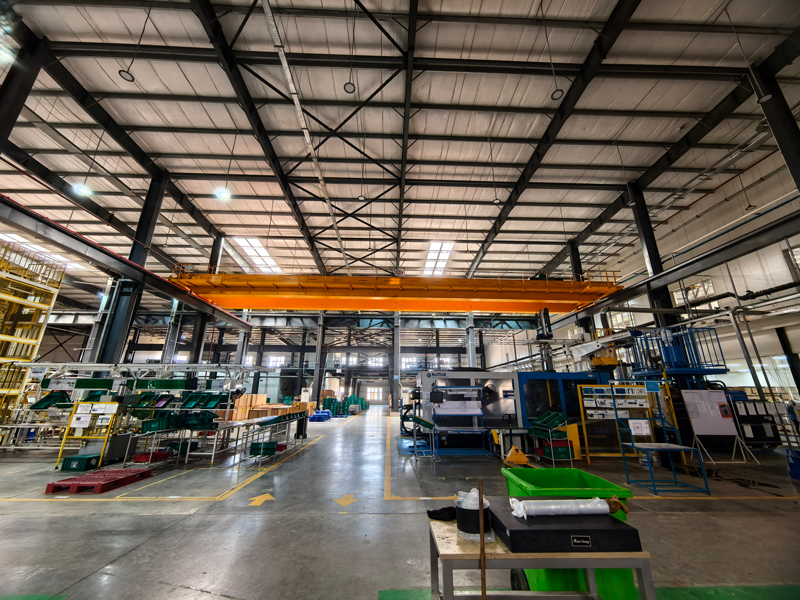
Class C is the most common CMAA classification, designed for regular, moderate use in general industrial settings. These cranes handle loads that average 50% 그들의 정격 용량, with frequent but not constant lifting activity.
일반적인 응용 프로그램: 기계 상점, paper mill machine rooms, and medium-sized manufacturing facilities. They’re ideal for tasks like moving machine parts, loading/unloading workstations, or supporting continuous but not heavy production processes.
주요 특징: 5–10 lifts per hour, average lift height of 15 피트, single-shift operation, 그리고 그 이상은 50% of lifts at rated capacity. They pair with H3 hoists, have a minimum 1.15 service factor on bridge motion, and a 5,000 L-10 bearing life.
Class D cranes are built for heavy, continuous use in demanding industrial environments. They handle loads approaching 50% of their rated capacity consistently during operation, with higher speeds to keep up with production demands.
일반적인 응용 프로그램: Heavy machine shops, 주조소, fabricating plants, steel warehouses, 컨테이너 야드, and lumbermills. They’re also used for standard-duty bucket and magnet operations where heavy production is required.
주요 특징: 10–20 lifts per hour, average lift height of 15 피트, 1–2 shift operation, 그리고 그 이상은 65% of lifts at rated capacity. They pair with H4 hoists, have a minimum 1.3 service factor on bridge motion, and a 10,000 L-10 bearing life. Faster speeds and built-up hoists are common to handle demanding cycles.
Class E cranes are designed for severe, near-constant use, handling loads at or near their rated capacity throughout their lifespan. They are reserved for top-riding bridge and gantry-type multiple girder electric overhead traveling cranes, built to withstand harsh operating conditions.
일반적인 응용 프로그램: Scrap yards, cement mills, 비료 공장, and container handling facilities. They’re often used with magnet, bucket, or magnet/bucket combination systems for continuous material handling.
주요 특징: 20+ lifts per hour, average lift height of 20+ 피트, 24/7 작업, and loads consistently at or near rated capacity. They pair with H4+ hoists, have a minimum 1.75 service factor on bridge motion, and a 20,000 L-10 bearing life. Faster speeds and rugged components are essential to handle continuous severe demands.
Class F is the highest CMAA classification, reserved for non-stop, severe service in the most demanding industrial environments. These are custom-designed specialty cranes that handle loads approaching rated capacity around the clock, with no significant idle time.
일반적인 응용 프로그램: Critical industrial processes where crane downtime would halt production, such as large-scale steel mills, heavy-duty foundries, and custom industrial applications. They are purpose-built to meet unique, high-intensity lifting needs.
주요 특징: 20+ lifts per hour (non-stop), 24/7 작업, and loads consistently at or near rated capacity. They require the most robust components, including heavy-duty hoists, reinforced structural beams, and advanced cooling systems to prevent overheating. Like Class E, they use H4+ hoists and have strict durability requirements to withstand constant use.
Choosing the right CMAA class is critical for three key reasons: 안전, cost-efficiency, 그리고 장비 수명. Using a crane outside its intended classification can lead to catastrophic equipment failure, putting workers at risk and causing costly downtime. 예를 들어, a Class A crane used in a Class F application will experience excessive wear on its hoist, 모터, 및 구조적 구성 요소, leading to premature breakdowns and potential accidents.
Conversely, over-specifying (예를 들어, using a Class F crane for a Class B application) wastes money on unnecessary features and higher maintenance costs. CMAA classifications provide a standardized framework that helps manufacturers design cranes for specific demands and helps users select equipment that aligns with their operational needs—no more, no less.
추가적으로, CMAA classifications are often referenced in industry regulations and safety standards, ensuring compliance with best practices. By selecting a crane that meets the appropriate class, you demonstrate a commitment to safety and operational excellence.
When choosing a CMAA-classified overhead crane, consider the following questions to ensure the right fit:
If you’re unsure which class is right for your operation, consult with a CMAA-certified crane manufacturer or industry expert. They can help you assess your lifting needs and select a crane that balances safety, 능률, 그리고 비용 효율성.
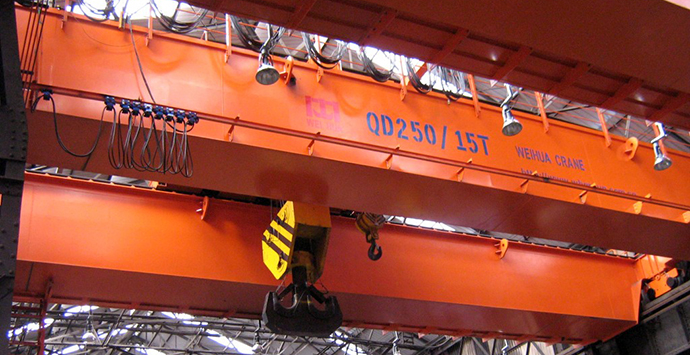
CMAA overhead crane classifications are the backbone of safe, efficient industrial lifting. From the standby Class A to the continuous severe service Class F, each classification is designed to match specific operational demands, ensuring that cranes perform reliably and safely for their intended use. By understanding these classes, you can make informed decisions about crane selection, avoid costly mistakes, and protect your workers and equipment.
기억하다: The right crane class isn’t just about lifting capacity—it’s about matching the crane’s design to your daily operations. Whether you’re running a small repair shop or a large manufacturing plant, CMAA classifications help you find the perfect crane for the job.
우리는 귀하의 의견을 소중히 여깁니다! 귀하의 특정 요구에 맞게 서비스를 조정할 수 있도록 아래 양식을 작성하십시오..


최신 의견