
ナビゲーションメニュー

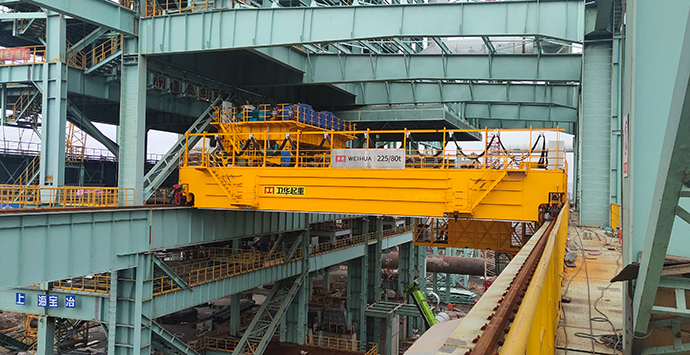
When it comes to overhead crane operations—whether in manufacturing facilities, 倉庫, or heavy industrial plants—the runway system is the unsung hero that ensures safe, スムーズ, 信頼性の高い荷重移動. Overhead crane runway design standards are not just arbitrary guidelines; they are critical frameworks that protect workers, 機器の故障を防ぐ, 運用パフォーマンスを最適化します. このブログでは, 主要な基準を詳しく説明します, 主要な設計上の考慮事項, 避けるべきよくある落とし穴, コンプライアンスに準拠した効果的な滑走路設計の複雑さを乗り越えるのに役立ちます.
天井クレーンの滑走路はクレーンの全重量を支えます, そのトロリー, 持ち上げられる荷物は、多くの場合数トンからそれ以上に及びます 300 トン. 不適切に設計された滑走路は壊滅的な結果を引き起こす可能性があります: 過度のたわみ, レールの位置ずれ, 構造疲労, そしてクレーン脱線も. これらの問題は、ダウンタイムや機器の修理に多額の費用がかかるだけでなく、フロアの従業員に重大な安全上のリスクをもたらすことになります。.
強度の最小要件を確立することで、これらのリスクを軽減する設計基準が存在します。, 剛性, アライメント, そして素材の品質. 滑走路が動的荷重に耐えられることを保証します。, 繰り返し使用する, 運用の完全性を維持しながら環境ストレス要因を排除. これらの基準への準拠は、ほとんどの地域で単なる法的義務ではなく、職場の安全と長期的な業務効率への基本的な投資です。.
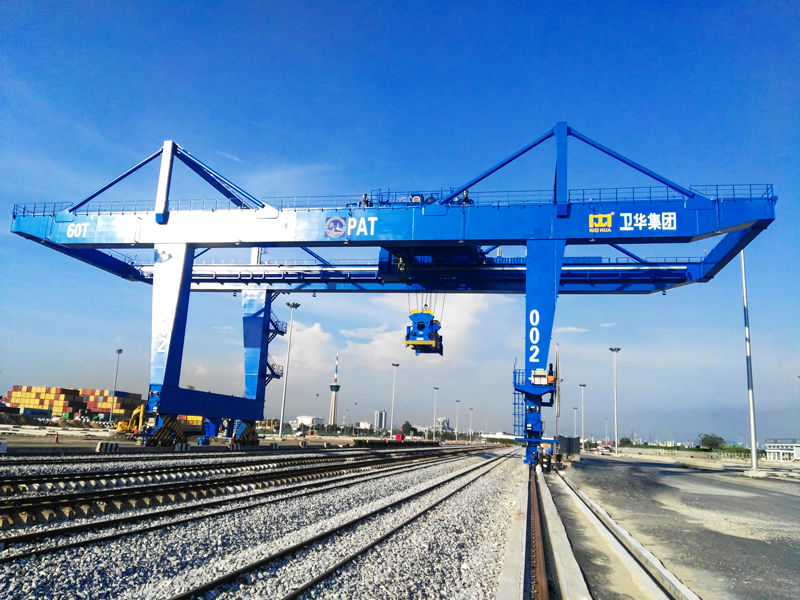
Overhead crane runway design is governed by a set of authoritative standards, varying slightly by region but sharing core principles. Below are the most widely recognized standards that guide industry professionals:
労働安全衛生局 (オシャ) sets forth critical requirements for overhead and gantry cranes in the U.S. 具体的には, 29 CFRパート 1910.179 重要な用語を定義します, 安全基準, 滑走路システムの設計パラメータ. It mandates that runways must be designed to support the maximum load (including the crane’s weight and any lifted load) without excessive deflection or structural failure. OSHA also requires regular inspections to ensure runways remain compliant over time.
CMAA はクレーン設計の第一人者です, とその仕様 74-2004 滑走路設計の詳細なガイドラインを提供します. It differentiates between top-running and under-running runways, outlining specific requirements for rail alignment, スプライス, ファスナー, たわみ限界と. 例えば, CMAA specifies that lateral deflection should not exceed LR/400 (に基づく 10% 最大輪重) and vertical deflection should not exceed LR/600 for top-running runways—critical limits to prevent crane instability.
この規格は, シンガポールやヨーロッパ諸国で採用されている, focuses on the structural design of crane supporting structures, 天井クレーン滑走路を含む. 屋内と屋外の両方の滑走路をカバーします, addressing top-running and underhung crane configurations, モノレールシステムと同様に. It must be used in conjunction with national annexes to align with local building codes and industry practices.
The AISC provides additional guidance on steel structure design for crane runways, emphasizing the importance of accounting for fatigue, ねじれ, および動的荷重. AISC resources highlight that crane runways experience extreme stress ranges and frequent maximum loadings, requiring careful material selection and structural analysis to avoid premature failure.
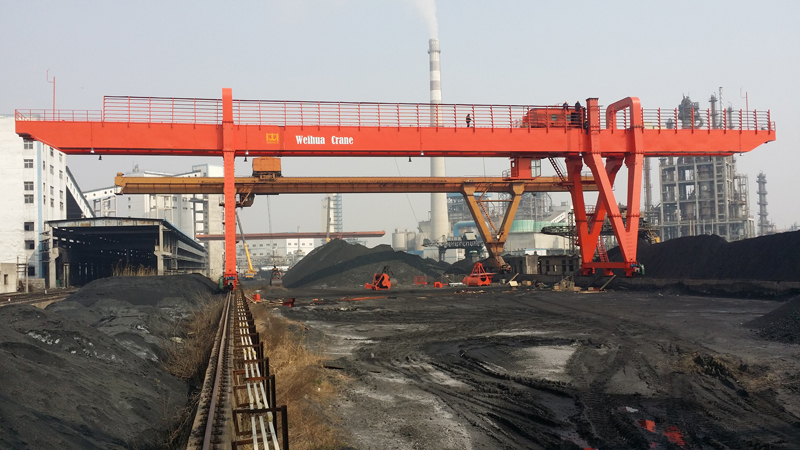
Compliance with standards requires attention to several critical design elements. Below are the key factors that define a safe and effective overhead crane runway:
1. 負荷容量 & 構造強度
Runways must be designed to support the maximum expected load, クレーンの自重を含む, トロリーの重量, 持ち上げられた荷重と加速による動的力を加えたもの, 減速, そして負荷の揺れ. エンジニアはサービス分類を考慮する必要がある (CMAA用, 使用頻度の低い A から継続的なサービスの F までの範囲) 必要な強度と疲労耐性を決定するため. 例えば, 大型クレーン (クラスE/F) スタンバイクレーンよりも高い耐荷重能力と優れた耐疲労性を備えた滑走路が必要 (クラスA).
2. たわみ限界
過度のたわみ (縦か横か) クレーンの位置ずれの原因となる可能性があります, ホイールの摩耗, さらには構造的損傷も. CMAAなどの規格 74-2004 厳格なたわみ制限を設定する: トップランニング滑走路の垂直偏向は LR/600 を超えてはなりません (LR = 滑走路の桁スパン), 一方、アンダーランの滑走路には LR/450 というより厳しい制限があります。. クレーンの脱線や過剰なストレスを防ぐために、横方向のたわみは LR/400 を超えてはなりません.
レールは真っ直ぐでなければなりません, 平行, クレーンのスムーズな動きを確保するためのレベルとレベル. CMAA specifies that rail separation at joints should not exceed 1/16 インチ, and rails must be aligned within tight elevation and center-to-center distance tolerances. Misaligned rails—even by small margins—can cause uneven wheel wear, ノイズ, そして滑走路の早期故障. アンダーラン滑走路用, the wheel running surface must be free of transverse tilt and aligned at joints to prevent jamming.
4. 材料の選択
Runway rails and girders are typically made from structural steel (例えば。, W型, S字型, または標準レールセクション) 十分な強度と耐久性を備えた. レールは商用グレードまたは同等のものでなければなりません, 亀裂なし, 腐食, またはパフォーマンスを損なう可能性のある欠陥. ファスナー (例えば。, ホールドダウン, スプライス) must be designed to secure rails firmly and withstand dynamic loads—floating rails are not recommended due to stability risks.
5. ねじれ & 疲労に関する考慮事項
滑走路の故障の一般的な原因は、クレーンの荷重によって滑走路の桁に不均衡なモーメントが生じるときに発生する力であるねじれの処理が不適切であることです。. エンジニアはせん断中心を正確に特定する必要があります (SC) ねじり応力を避けるための滑走路桁の調整, as miscalculating the SC can lead to incorrect stress analysis and premature failure. さらに, runways must be designed to resist fatigue from repeated load cycles, 特に使用頻度の高いアプリケーションでは.
6. 滑走路の構成
滑走路は 2 つの主な構成で利用できます: トップランナーとアンダーラン. トップランニング滑走路が最も一般的です, クレーンが滑走路の梁の上で稼働し、ヘッドルームを最大化. アンダーラン滑走路はヘッドルームの低い用途に最適です, クレーンが梁の下を走っているところ. 自立型および半自立型の構成も可能です, 建物の構造と荷重要件に応じて、自立式滑走路には少なくとも 6 インチ, 一方、半自立型の滑走路は建物の構造に取り付けられ、サポートが強化されています。.
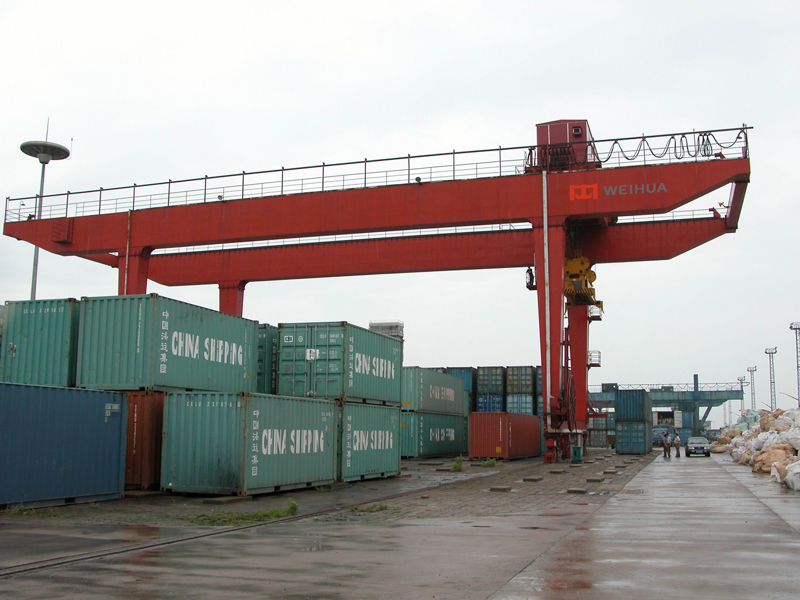
たとえ厳しい基準が設けられていたとしても, 滑走路設計の失敗の多くは避けられるミスから生じている. 注意すべき最も一般的な落とし穴は次のとおりです:
Overhead crane runway design standards are not just red tape—they are proven frameworks that protect workers, 装置, と操作. OSHAを遵守することで, CMAA, AISC, および地域の基準, 滑走路システムの安全を確保できます, 耐久性のある, そして効率的.
Whether you’re designing a new runway or upgrading an existing one, partnering with a qualified structural engineer who specializes in crane systems is critical. They can help you navigate the complexities of standards, 詳細な負荷分析を実施する, and avoid common pitfalls—ultimately saving you time, お金, 潜在的な安全上のインシデント.
覚えて: a well-designed runway is the foundation of safe and efficient overhead crane operations. 今すぐコンプライアンスに投資しましょう, and you’ll reap the benefits of reduced downtime, 機器の寿命を延ばす, そして今後何年にもわたってより安全な職場を.
私たちはあなたのフィードバックを大切にします! あなたの特定のニーズに合わせてサービスを調整できるように、以下のフォームに記入してください.


最新のコメント