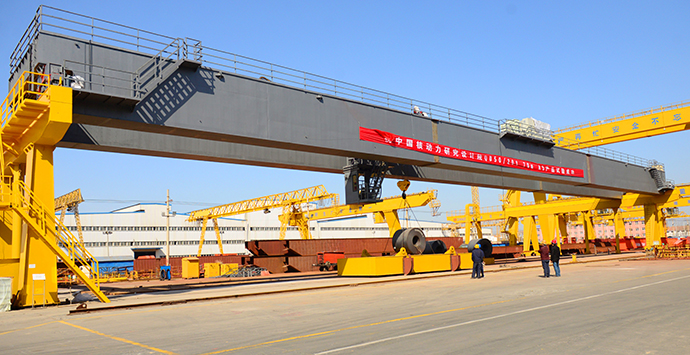
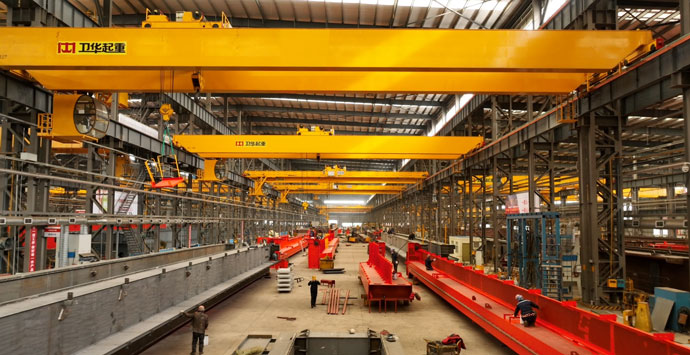
overhead crane load testing
Overhead cranes are the backbone of material handling in warehouses, pabrik manufaktur, construction yards, and industrial facilities—relying on them to lift, bergerak, and position heavy loads safely day in and day out. But even the most durable crane can develop hidden weaknesses over time: worn components, structural stress, brake failure, or misalignment can turn routine lifting into a catastrophic hazard. That’s why overhead crane load testing isn’t just a best practice—it’s a non-negotiable step for compliance, worker safety, and equipment longevity.
Dalam panduan ini, we break down everything you need to know about load testing an overhead crane: why it matters, when to test, key standards to follow, step-by-step procedures, and critical safety protocols to keep your team and equipment protected.
Why Overhead Crane Load Testing Is Non-Negotiable
Load testing verifies that your crane can handle its rated capacity (dan seterusnya) without structural damage, mechanical failure, or unsafe movement. Skipping or rushing this process puts your workforce, inventory, and facility at severe risk—and often violates regulatory standards.
- ◆ Ensure Structural Integrity: Tests detect bending, warping, or permanent deformation in the bridge, balok penopang, kerekan, and trolley that visual inspections alone might miss.
- ◆ Validate Mechanical Performance: Confirms brakes, kerekan, saklar batas, kontrol, and drive systems operate smoothly under load.
- ◆ Meet Regulatory Compliance: Adheres to OSHA, Iso 4310, ANSI B30.20, and local safety codes (most standards mandate testing for new, dimodifikasi, or repaired cranes).
- ◆ Prevent Costly Downtime & Accidents: Catches defects early to avoid lift failures, workplace injuries, and expensive emergency repairs.
- ◆ Extend Crane Lifespan: Identifies stress points before they escalate, preserving your equipment investment for years.
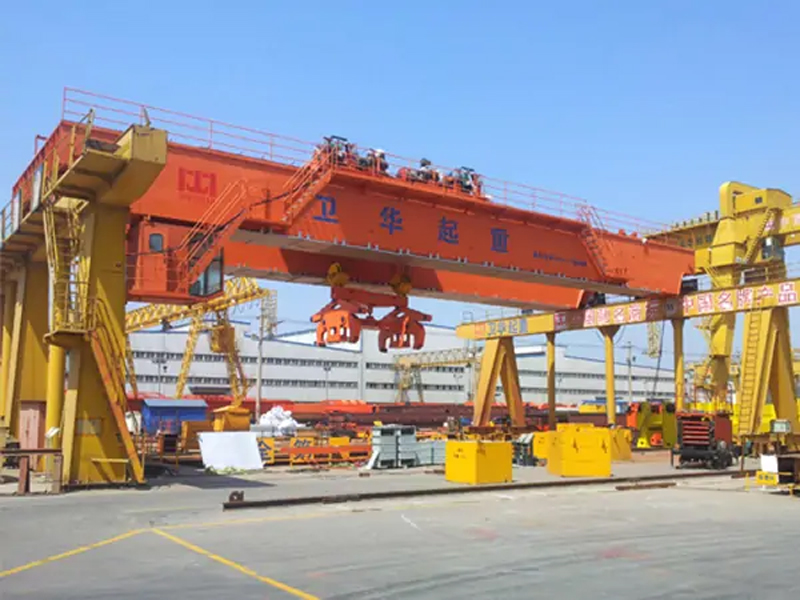
overhead crane load testing
When to Perform Overhead Crane Load Testing
Load testing isn’t a one-and-done task. Schedule testing in these critical scenarios to maintain compliance and safety:
- ◆ New Crane Installation: Before initial use to confirm factory performance and proper setup.
- ◆ Major Repairs/Modifications: After structural repairs, hoist replacements, capacity upgrades, or runway alterations.
- ◆ Periodic Routine Testing: Follow manufacturer recommendations (typically every 1–4 years, depending on usage intensity).
- ◆ After a Critical Incident: Post-collision, overload event, or mechanical failure to rule out hidden damage.
- ◆ Change in Operating Conditions: If the crane is relocated, used for heavier loads, or operated in harsher environments.
Key Load Test Types for Overhead Cranes
Most overhead crane load testing protocols include three core test phases, each serving a unique purpose. Always follow manufacturer specs and regulatory guidelines for load percentages and durations.
1. No-Load (Fungsional) Tes
The foundational check before applying any weight: run the crane empty to validate all movements and safety features.
- ◆ Test hoist up/down, trolley traverse, and bridge travel across the full runway length.
- ◆ Verify limit switches, pemberhentian darurat, rem, and controls function correctly.
- ◆ Check for unusual noises, getaran, atau ketidaksejajaran.
2. Rated Load Test (100% Kapasitas)
Lift and hold the crane’s full rated load to simulate real-world operating conditions.
- ◆ Lift the load 6–12 inches off the ground and hold for a designated time (usually 5–10 minutes).
- ◆ Test all crane motions while loaded: kerekan, troli, and bridge movement.
- ◆ Monitor for sagging, slipping, or brake fade; measure girder deflection to ensure it stays within acceptable limits.
3. Overload (Proof) Tes
The most rigorous test, designed to stress-test the crane beyond its rated capacity to confirm safety margins. OSHA and ISO standards typically require 125% of rated load (unless the manufacturer specifies a different percentage).
- ◆ Apply 125% of the rated load gradually (never sudden).
- ◆ Lift the load slightly off the ground and hold for 10–20 minutes (follow manufacturer/regulatory timing).
- ◆ Inspect for permanent deformation, celah, or component failure—no lasting damage is acceptable.
- ◆ Note: Some protocols also include a dynamic load test (110% rated load) to test movement and braking under active load conditions.
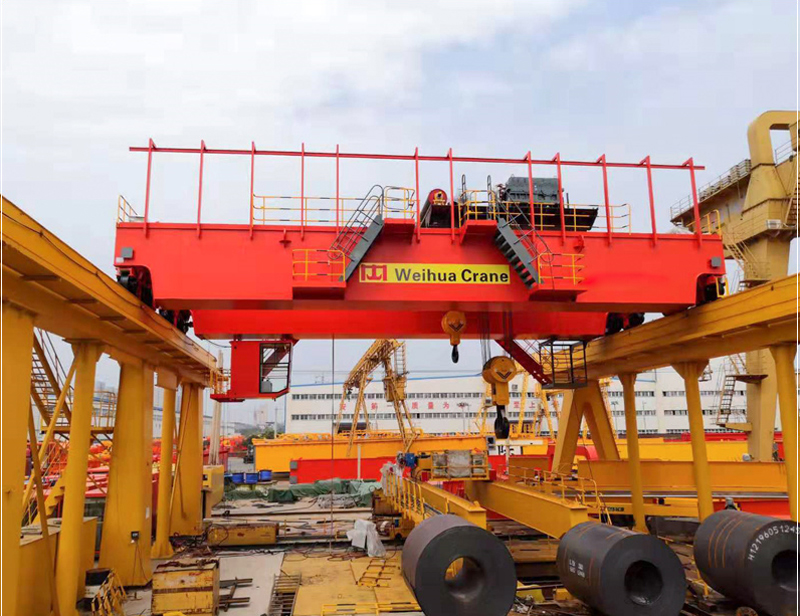
Pre-Test Preparation: Set Yourself Up for Success
Skipping prep work leads to inaccurate results, bahaya keselamatan, and compliance gaps. Follow these steps before starting any overhead crane load testing:
- 1. Assign a Qualified Team: Only trained, certified technicians or engineers should conduct testing—untrained personnel pose extreme risks.
- 2. Inspect the Crane Thoroughly: Conduct a full visual inspection: check ropes, kait, bantalan, baut, rem, and electrical systems for wear or damage. Repair defects before testing.
- 3. Calibrate Test Weights: Use certified, calibrated test weights (water bags, steel weights, or concrete blocks) to ensure accurate load measurement. Never estimate load weight.
- 4. Secure the Test Area: Block off the testing zone with barriers and warning signs; keep all unauthorized personnel clear of the lift path and landing zone.
- 5. Tinjau Dokumentasi: Gather the crane manual, rated capacity data, previous test reports, and regulatory checklists to stay aligned with standards.
- 6. Prepare Safety Gear: Equip the team with hard hats, safety vests, sarung tangan, and fall protection (if working at height).
Step-by-Step Overhead Crane Load Testing Procedure
Follow this structured workflow to execute safe, compliant load testing every time:
- 1. Perform the No-Load Functional Test Run the crane through full motions without load to confirm all systems are operational. Document any malfunctions and resolve before proceeding.
- 2. Attach the Test Load Securely Use rated slings, belenggu, and hooks to attach the calibrated load. Ensure even weight distribution to prevent swinging or off-balance lifting.
- 3. Execute Rated Load Testing Gradually lift the 100% rated load to a safe height, hold for the required duration, and test all crane movements. Measure girder deflection and record observations.
- 4. Conduct Overload Proof Testing Slowly increase the load to 125% dari kapasitas terukur (or manufacturer specs). Lift slightly, hold steady, and inspect for structural stress, leaks, or brake failure. Do not move the crane excessively during overload testing.
- 5. Lower & Remove the Load Safely Lower the load slowly and smoothly to the ground, then detach rigging gear. Inspect the load and crane for damage post-lift.
- 6. Post-Test Inspection & Documentation Conduct a full visual and mechanical inspection after testing. Document all results: deflection measurements, load weights, test duration, and any defects found.
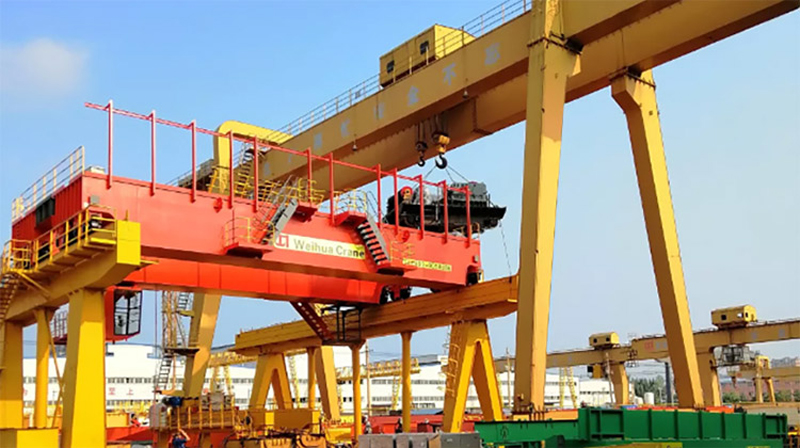
Critical Safety Rules for Overhead Crane Load Testing
- ◆ Never Exceed Recommended Load Percentages: Overloading beyond 125% (or manufacturer specs) can cause irreversible crane damage.
- ◆ Avoid Sudden Movements: Lift, lebih rendah, and traverse slowly to prevent load swinging and structural shock.
- ◆ Monitor Continuously: Assign a dedicated observer to watch for defects, kebisingan, or instability during testing.
- ◆ Stop Immediately for Red Flags: Halt testing if you hear cracking, see bending, or notice brake failure—do not resume until repairs are complete.
- ◆ Store Test Weights Properly: Secure weights when not in use to prevent tipping or injury.
Post-Test Next Steps: Dokumentasi & Kepatuhan
A successful load test isn’t complete without thorough record-keeping. OSHA and most regulators require documented test reports on file for audits.
- ◆ Create a detailed test report including: id crane, tanggal, technician names, load weights, test durations, deflection data, and inspection results.
- ◆ Label the crane with its current rated capacity and test completion date.
- ◆ Schedule follow-up inspections or routine testing based on the results.
- ◆ Address any defects immediately—do not return the crane to service until repairs are verified.
Pikiran Terakhir
Overhead crane load testing is an investment in safety, kepatuhan, and operational reliability. Cutting corners on testing doesn’t just risk regulatory penalties—it puts lives at stake. By following standardized procedures, prioritizing safety, and documenting every step, you ensure your derek di atas kepala performs reliably for years to come.
Always consult your crane manufacturer, a certified lifting engineer, or local regulatory bodies to tailor testing to your specific equipment and industry needs. Ketika ragu, trust the pros—safe lifting starts with thorough testing.




Komentar terbaru