क्रेन हुक ऊंचाई समायोजन की महत्वपूर्ण भूमिका
2025-08-18
In the intricate ballet of construction sites, शिपिंग यार्ड, and industrial facilities, क्रेन सर्वोच्च शासन करती है. Its ability to hoist immense loads with precision is fundamental to progress. While raw lifting capacity often grabs headlines, a more nuanced and equally vital aspect of crane operation is frequently overlooked: crane hook height adjustment. This precise control over the vertical position of the load hook is not merely a convenience; it is a cornerstone of safety, क्षमता, और परिचालन सफलता.
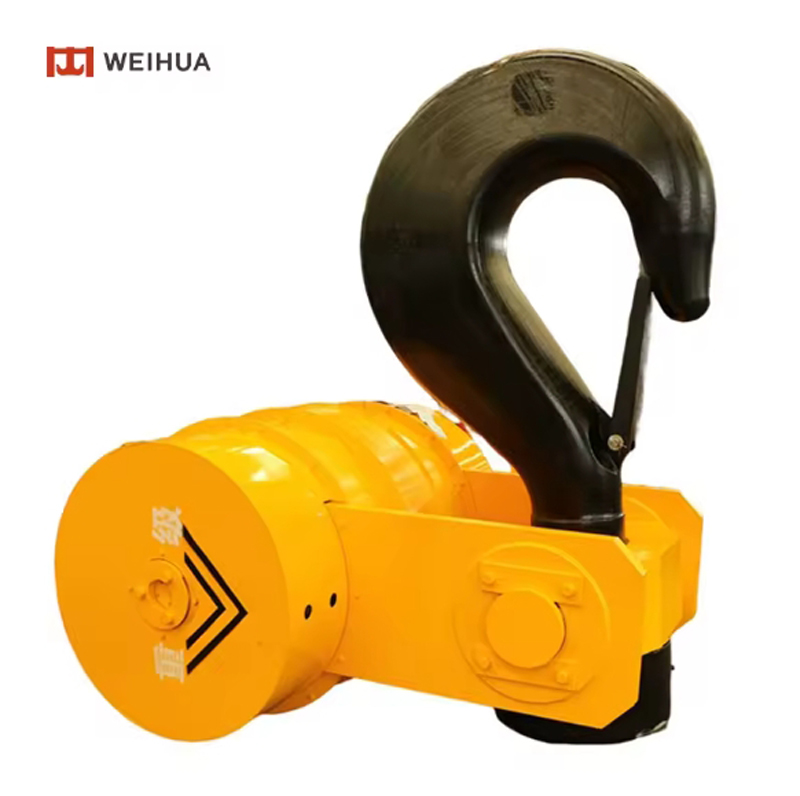
हुक की ऊंचाई क्यों मायने रखती है
शुद्ध crane hook height adjustment impacts nearly every phase of a lifting operation:
-
1. सुरक्षा सर्वोपरि: This is the foremost concern.
- निकासी: Ensuring sufficient clearance above obstacles (छतों, पाइप, अन्य उपकरण) और नीचे (कार्मिक, संरचनाएं, existing installations) is critical. अपर्याप्त ऊंचाई से भयावह टकराव का खतरा रहता है. अत्यधिक ऊंचाई के कारण लोड का उतार-चढ़ाव अस्थिर हो सकता है या बिजली लाइनों जैसे ओवरहेड खतरों के साथ संपर्क हो सकता है.
- स्थिरता: Precise height control during lifting, आगे बढ़ने वाला, and lowering minimizes pendulum motion (बोलबाला). Uncontrolled sway endangers personnel, damages the load, and risks destabilizing the crane itself, especially when operating near capacity.
- Controlled Placement: Lowering a multi-ton load into a confined space (उदा।, placing machinery on a foundation, loading a ship’s hold) demands millimeter-perfect final positioning. इस नाजुक कार्य के लिए सटीक क्रेन हुक ऊंचाई समायोजन आवश्यक है.
-
2. परिचालन दक्षता: Time is money on any project.
- Faster Cycles: जो ऑपरेटर जल्दी और सटीक रूप से सही हुक ऊंचाई प्राप्त कर सकते हैं, वे अनावश्यक रूप से पैंतरेबाज़ी करने या स्थिति त्रुटियों को ठीक करने में लगने वाले समय को कम करते हैं.
- री-हैंडलिंग में कमी: उचित क्रेन हुक ऊंचाई समायोजन के कारण सटीक प्रारंभिक प्लेसमेंट समय लेने वाली और संभावित रूप से खतरनाक पुनः उठाने और पुनर्स्थापन की आवश्यकता को समाप्त करता है.
- अनुकूलित वर्कफ़्लो: चिकनी ऊंचाई परिवर्तन अन्य साइट गतिविधियों के साथ सहज एकीकरण की अनुमति देते हैं, जैसे कि दरवाजे के माध्यम से भार का मार्गदर्शन करना या हेराफेरी और प्लेसमेंट के लिए ग्राउंड क्रू के साथ समन्वय करना.
-
3. भार संरक्षण: उठाए जा रहे मूल्यवान माल की सुरक्षा करना महत्वपूर्ण है.
- सौम्य हैंडलिंग: नियंत्रित, सटीक निचलाकरण अचानक होने वाले प्रभावों या झंझटों को रोकता है जो संवेदनशील उपकरणों को नुकसान पहुंचा सकते हैं, सरंचनात्मक घटक, या पूर्वनिर्मित मॉड्यूल.
- खींचें से बचना: ट्रैवर्सल के दौरान पर्याप्त ऊंचाई बनाए रखने से भार को जमीन पर घसीटने या बाधाओं पर फंसने से रोका जा सकता है.
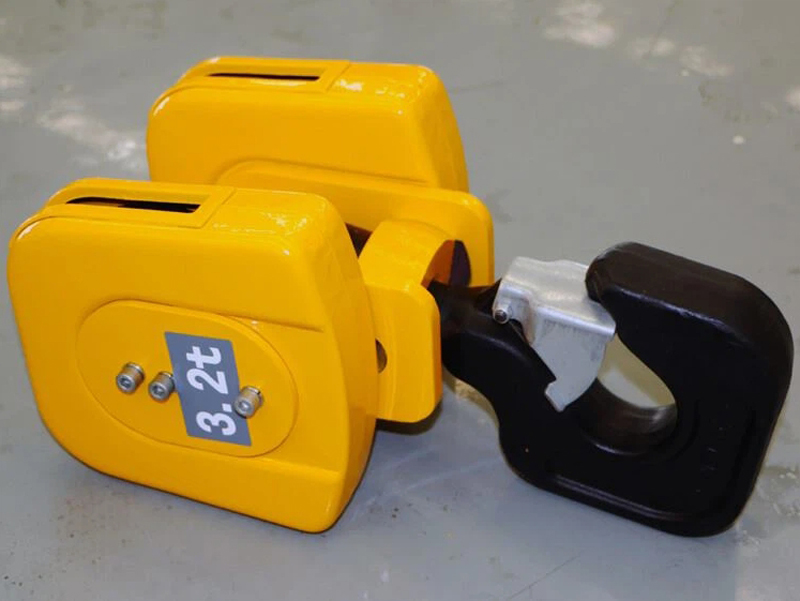
Methods of Crane Hook Height Adjustment
The technology and methods for crane hook height adjustment vary based on crane type and sophistication:
- 1. मैनुअल होइस्ट नियंत्रण (सामान्य): The operator uses joysticks, लीवर, or pedals in the cab to control the hoist motor, को ऊपर उठाना या कम करना क्रेन हुक और ब्लॉक. Skill and experience are vital for smooth, सटीक समायोजन.
- 2. रिमोट कंट्रोल ऑपरेशन: कई आधुनिक क्रेन, especially overhead and gantry types, feature wireless remote controls. This allows the operator to move with the load, सटीक क्रेन हुक ऊंचाई समायोजन के लिए बेहतर दृश्य प्रदान करना, particularly during final placement.
- 3. क्षण संकेतक लोड करें (एलएमआई) and Anti-Collision Systems: While not direct height control, these advanced systems inform height adjustment. एलएमआई त्रिज्या और भार भार के साथ हुक की ऊंचाई प्रदर्शित करते हैं. टक्कर-रोधी प्रणालियाँ ऑपरेटरों को चेतावनी देने के लिए सेंसर का उपयोग करती हैं या यदि हुक की ऊंचाई और स्थिति के आधार पर संभावित टक्कर का पता चलता है तो स्वचालित रूप से गति को रोक देती हैं।.
- 4. स्वचालित उत्थापन (उभरते): Sophisticated crane systems incorporate programmable logic controllers (पीएलसी) और सेंसर. They can perform pre-programmed lifting/lowering cycles with precise height targets, or even use laser/LiDAR guidance for fully automated crane hook height adjustment relative to a target point.
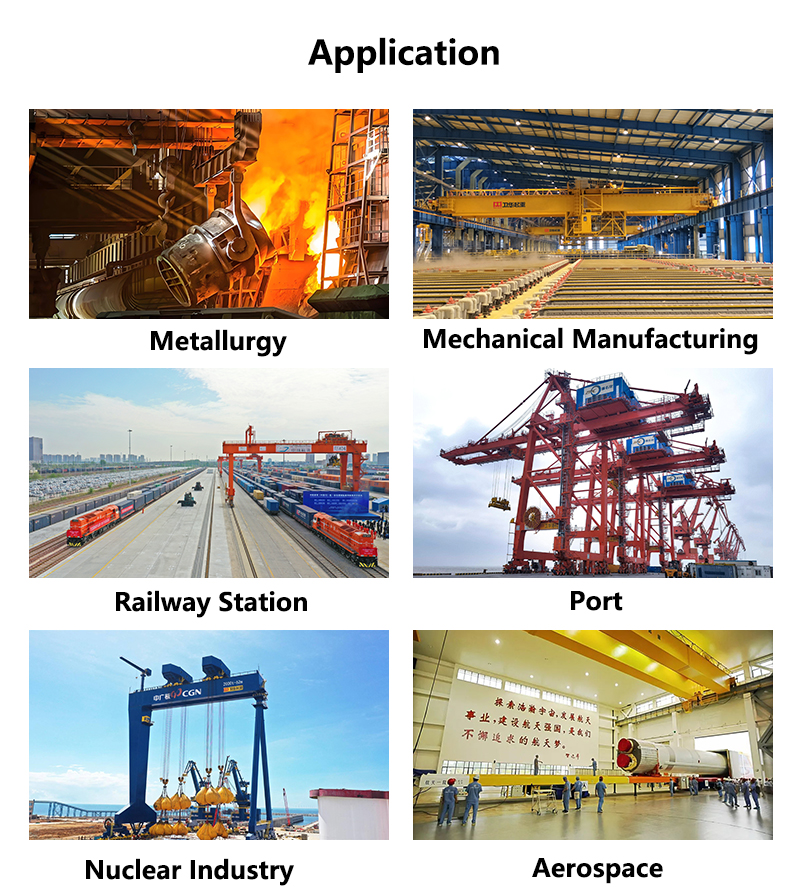
परिशुद्धता प्राप्त करना
मास्टरिंग crane hook height adjustment requires more than just technology:
- 1. संचालक कौशल: Experience is irreplaceable. Skilled operators develop a feel for the crane’s response, लोड स्विंग का पूर्वानुमान लगाएं, and make micro-adjustments effortlessly.
- 2. स्पष्ट संचार: Rigorous communication protocols (हाथ के संकेत, रेडियो) ऑपरेटर के बीच, संकेत व्यक्ति, and riggers are essential, especially when the operator’s view is obstructed.
- 3. उचित योजना: Lift plans should explicitly consider required क्रेन हुक heights at different stages of the operation, identifying clearance points and potential obstacles.
- 4. गतिशीलता को समझना: Operators must account for factors like hook block weight, stretch in wire ropes under load, और हवा का प्रभाव, which can all subtly influence the effective hook height during the lift.
The Future of Height Control
Technology continues to refine crane hook height adjustment. Integration with Building Information Modeling (बीआईएम) could allow cranes to “know” the exact 3D environment, automatically calculating optimal hook paths and heights. उन्नत सेंसर फ़्यूज़न (कैमरा, LIDAR का, inertial measurement units) promises even greater precision and automation in real-time height management.
क्रेन हुक ऊंचाई समायोजन is far more than just moving the hook up and down. It is a fundamental skill and technological capability underpinning safe, कुशल, and precise lifting operations. From preventing catastrophic accidents to ensuring delicate placements and optimizing workflow, the precise control of the hook’s vertical position is indispensable. As crane technology evolves, so too will the sophistication of crane hook height adjustment, but the core principle remains: mastering this essential function is key to unlocking the full potential of any crane and ensuring the success of any lift. Investing in the right technology, प्रशिक्षण, and procedures for accurate height control is an investment in safety, उत्पादकता, and overall project success.





नवीनतम टिप्पणियां