
Menu de navigation

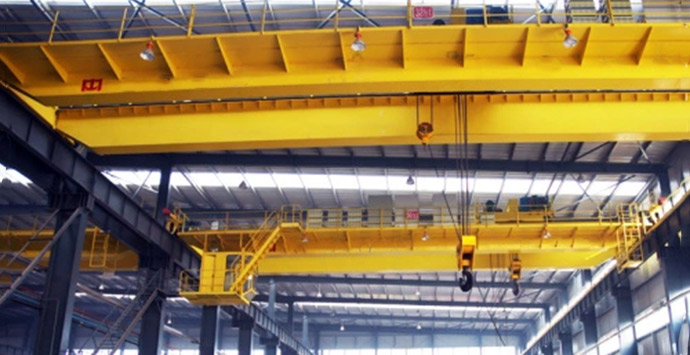
Si vous êtes déjà entré dans une usine de fabrication, entrepôt, ou chantier, vous avez probablement repéré un pont roulant glissant le long d'un système de piste au-dessus du sol. Mais à quoi sert exactement un pont roulant ?? En termes simples, ces machines puissantes sont conçues pour soulever, se déplacer, et positionner des charges lourdes ou volumineuses avec précision, des tâches qui seraient presque impossibles (ou extrêmement dangereux) pour le travail manuel ou les petits équipements de levage. Dans ce blog, nous allons décomposer les applications principales, secteurs clés, et les avantages essentiels des ponts roulants, vous comprenez donc pourquoi ils constituent l’épine dorsale des opérations industrielles et commerciales dans le monde entier.
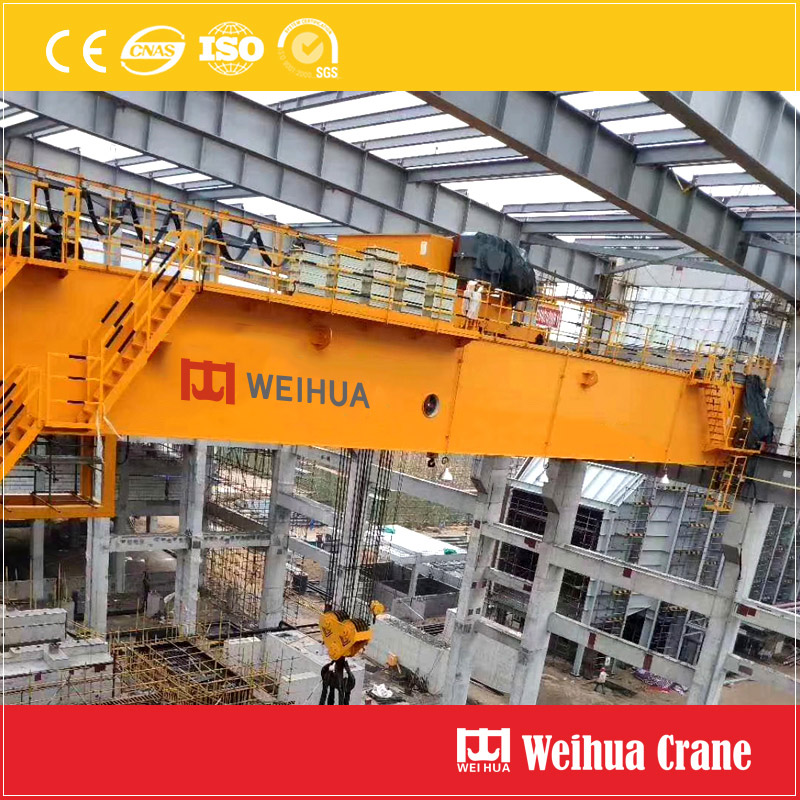
Les ponts roulants ne sont pas des poneys à un seul tour. Leur conception : comportant un pont qui enjambe un espace de travail, un chariot qui se déplace le long du pont, et un palan pour le levage, ce qui les rend polyvalents pour une gamme de tâches. Voici les utilisations les plus courantes:
La fonction principale d'un pont roulant est de déplacer des charges lourdes dans une zone désignée.. Contrairement aux chariots élévateurs ou aux chariots manuels, les ponts roulants fonctionnent au-dessus de l'espace de travail, ce qui signifie qu'ils n'occupent pas d'espace au sol précieux et peuvent contourner les obstacles (comme des machines, postes de travail, ou des supports de stockage) en toute simplicité. Les charges courantes incluent:
Par exemple, dans une aciérie, un pont roulant peut déplacer des lingots d'acier chauffés au rouge d'un four à un laminoir - tâche qui nécessite une précision et une résistance à la chaleur extrêmes.
Dans les installations de fabrication (automobile, aérospatial, ou machinerie lourde), les ponts roulants jouent un rôle essentiel dans la rationalisation des processus d'assemblage. Ils soulèvent et positionnent les composants exactement là où les travailleurs en ont besoin, réduisant l'effort manuel et accélérant la production. Par exemple:
Cette intégration augmente non seulement l'efficacité, mais améliore également la sécurité des travailleurs en éliminant le risque de tensions ou de blessures liées au levage de composants lourds..
Les entrepôts et les centres de distribution qui gèrent des stocks volumineux ou lourds s'appuient sur des ponts roulants pour maximiser l'espace de stockage et rationaliser l'exécution des commandes.. Contrairement aux chariots élévateurs traditionnels, qui sont limités par la largeur des allées, les ponts roulants peuvent accéder aux zones difficiles d'accès (comme des étagères hautes ou des espaces étroits entre les étagères). Ils sont habitués à:
Sur les chantiers, ponts roulants (souvent appelés « ponts roulants » ou «grues à portique» dans ce contexte) sont utilisés pour soulever et placer des matériaux de construction lourds. Ils sont particulièrement utiles pour les projets dans les zones urbaines restreintes où l’espace au sol est limité.. Les applications de construction courantes incluent:
De nombreuses industries nécessitent des solutions de ponts roulants personnalisées pour relever des défis uniques. Par exemple:
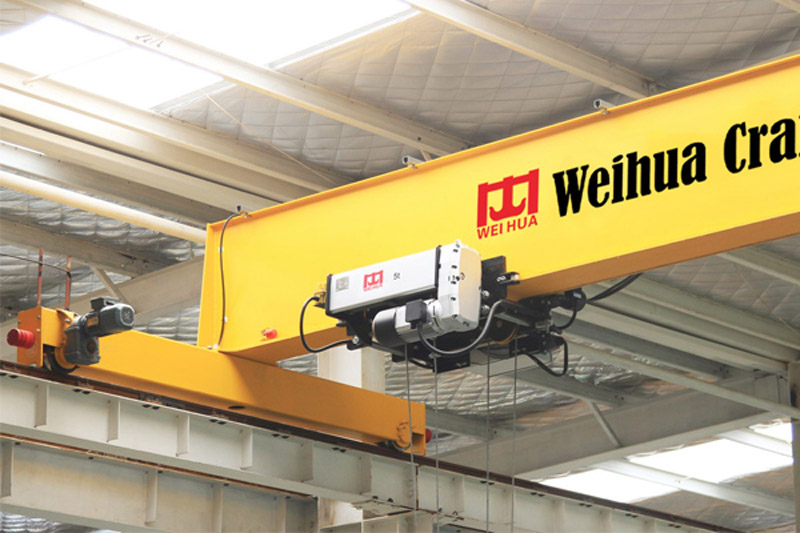
Les ponts roulants sont essentiels dans un large éventail de secteurs. Voici les secteurs dans lesquels ils sont le plus couramment utilisés:
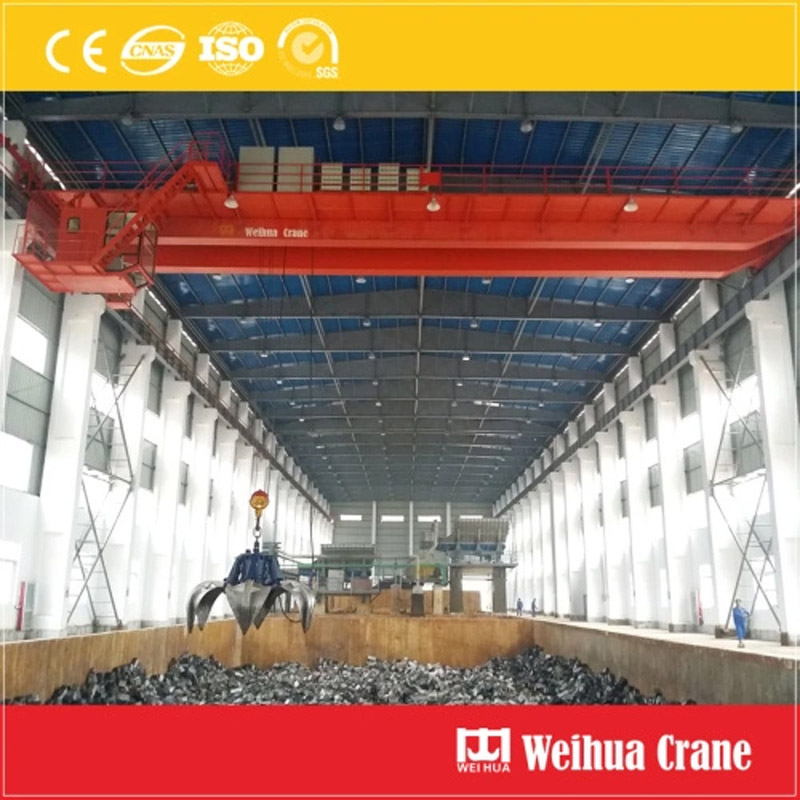
À leur base, les ponts roulants ont pour objectif de rendre le levage de charges lourdes plus sûr, plus rapide, et plus efficace. Des usines de fabrication aux chantiers de construction, des entrepôts aux aciéries, ils constituent un outil essentiel au bon fonctionnement des industries. Si vous envisagez un pont roulant pour votre entreprise, il est important de choisir le bon type (pont roulant, portique, grue à flèche, etc.) et configuration pour répondre à vos besoins de levage spécifiques.
Besoin d'aide pour déterminer quel pont roulant vous convient le mieux? Contactez un fabricant ou un fournisseur de ponts roulants de confiance pour obtenir des conseils d'experts adaptés à votre secteur et à votre application..
Nous apprécions vos commentaires! Veuillez remplir le formulaire ci-dessous afin que nous puissions adapter nos services à vos besoins spécifiques.


Cliquez sur le bouton pour obtenir des informations et des citations de produits sur WhatsApp.
Obtenez un devis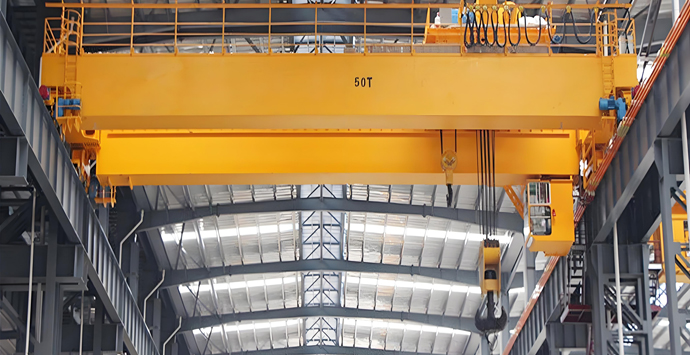
Dernières commentaires