
Menu de navigation

Les ponts roulants sont les bêtes de somme des installations industrielles, permettant le déplacement efficace de charges lourdes dans les entrepôts, usines de fabrication, et chantiers. Même si leurs composants mécaniques sont cruciaux, le système électrique sert de « système nerveux » qui contrôle chaque mouvement, du levage et de l'abaissement au déplacement et au pivotement.. Une installation et une mise en service électriques appropriées ne consistent pas seulement à garantir la fonctionnalité; ils sont la pierre angulaire de la sécurité, fiabilité, et des performances à long terme. Dans ce blog, nous allons plonger dans les aspects clés de ce processus, mettre en avant les bonnes pratiques, étapes critiques, et pourquoi faire des économies ici n'est jamais une option.
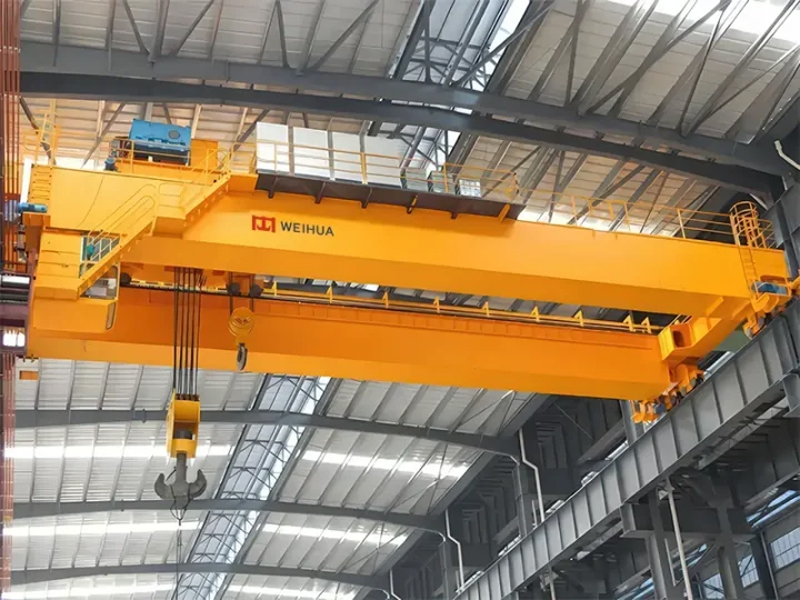
Le système électrique d’un pont roulant est responsable de l’alimentation des moteurs, transmettre des signaux de commande, et garantir un fonctionnement sûr. Une installation défectueuse peut entraîner des conséquences catastrophiques : des chutes de charge soudaines et des pannes d'équipement aux incendies électriques ou aux blessures des opérateurs.. Selon les données de l'industrie, sur 30% des accidents liés aux grues sont dus à des pannes du système électrique, soulignant l'importance de réussir ce processus du premier coup.
Au-delà de la sécurité, une installation et une mise en service appropriées ont un impact direct sur la durée de vie et l’efficacité opérationnelle de la grue. Un système électrique bien installé minimise les temps d’arrêt, réduit les coûts de maintenance, et assure une douceur, manutention précise des charges, qui contribuent toutes à une meilleure productivité dans votre installation.
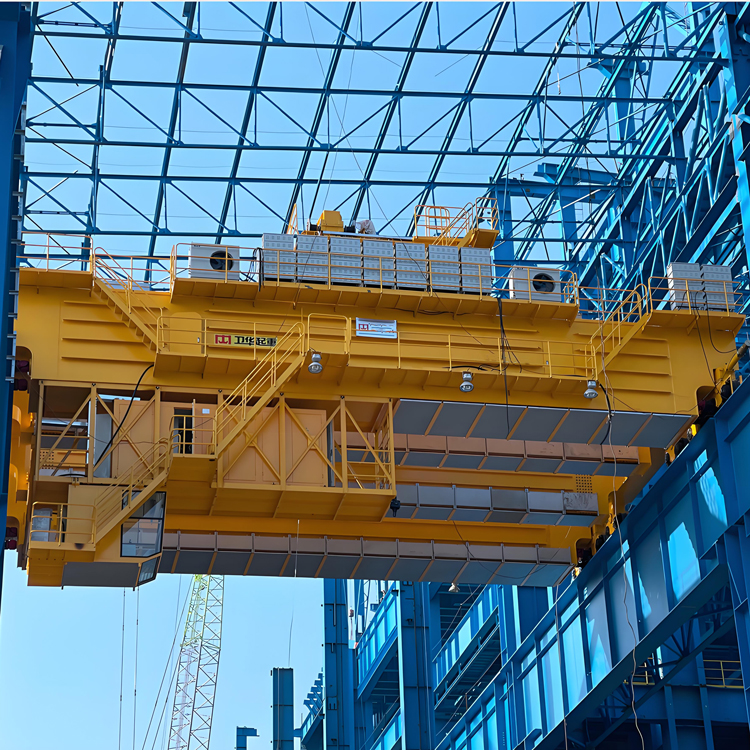
Avant que des fils ne soient connectés, une planification minutieuse est essentielle. Cela comprend l’examen des schémas électriques de la grue, vérifier la compatibilité entre les composants (comme les moteurs, VFD, et panneaux de contrôle), et assurer le respect des normes de sécurité locales (Par exemple, CEI 60204, OSHA 1910.179). Il est également crucial d’évaluer l’alimentation électrique du site en vérifiant la stabilité de la tension., intensité admissible, et mise à la terre pour garantir qu'il peut répondre aux demandes électriques de la grue.
Le câblage est une tâche minutieuse qui demande de la précision. Tous les câbles électriques doivent être adaptés à l’environnement d’exploitation de la grue (Par exemple, chaleur, humidité, ou de la poussière) et correctement acheminé pour éviter les dommages causés par les pièces mobiles. Composants clés comme les panneaux de contrôle, interrupteurs de fin de course (qui empêchent les dépassements ou les surcharges), et les contacteurs doivent être montés en toute sécurité dans des endroits accessibles pour une maintenance future. La mise à la terre est une autre étape non négociable : une mise à la terre appropriée protège contre les chocs électriques et garantit un fonctionnement stable des composants électroniques sensibles tels que les automates programmables..
Les ponts roulants modernes utilisent souvent un PLC (Contrôleur logique programmable) ou des systèmes de contrôle basés sur VFD pour une précision et une efficacité améliorées. Pendant l'installation, ces systèmes doivent être intégrés de manière transparente aux moteurs et capteurs de la grue. VFD, Par exemple, permettre une accélération et une décélération en douceur, réduisant les contraintes mécaniques sur la grue et améliorant le contrôle de la charge. La programmation du PLC pour qu'il corresponde aux exigences opérationnelles de la grue, telles que les limites de vitesse et les verrouillages de sécurité, nécessite une expertise spécialisée..
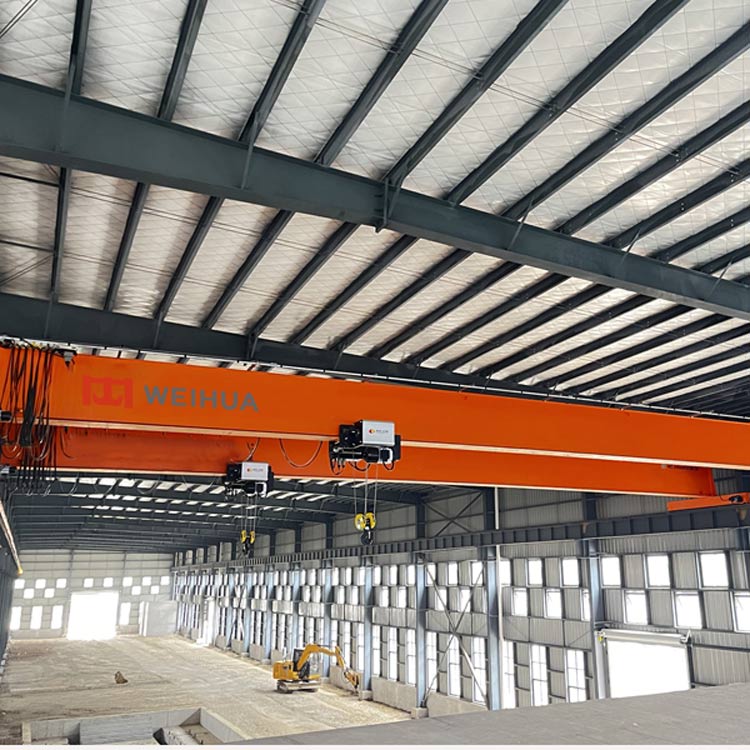
La mise en service est la phase finale où le système électrique est testé, calibré, et validé pour garantir qu'il répond aux spécifications de conception. Ce processus implique généralement plusieurs étapes clés:
La sécurité doit être la priorité absolue tout au long de l'installation et de la mise en service. Voici quelques pratiques incontournables:
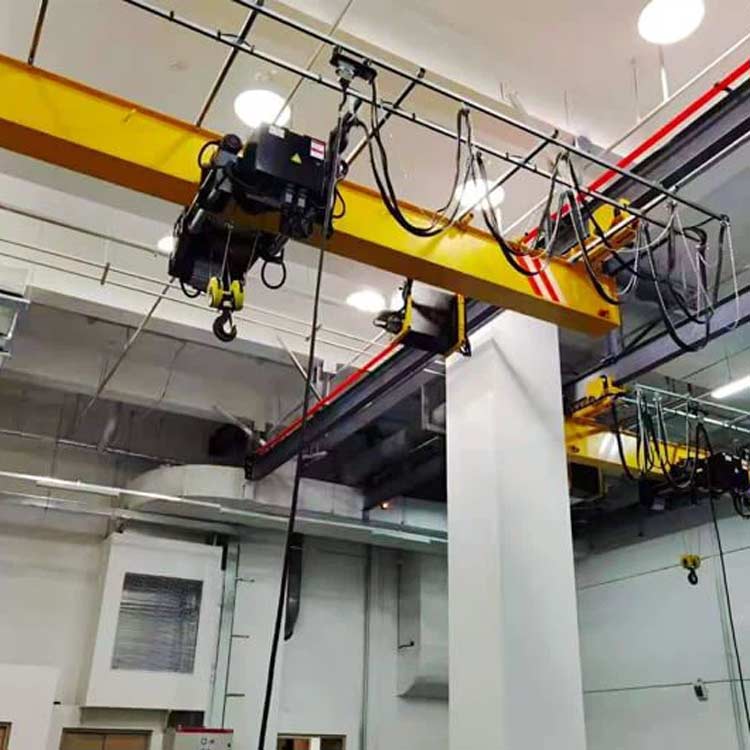
L’avenir des systèmes électriques de ponts roulants s’oriente vers une technologie intelligente. Des capteurs compatibles IoT sont intégrés aux systèmes électriques pour surveiller les performances en temps réel, en suivant la température du moteur., tirage actuel, et état du panneau de commande. Ces données permettent une maintenance prédictive, où les problèmes potentiels sont identifiés avant qu'ils n'entraînent des temps d'arrêt. En plus, les capacités de surveillance et de contrôle à distance sont de plus en plus courantes, permettant aux techniciens de résoudre les problèmes électriques depuis l'extérieur du site, réduire les temps de réponse.
L'installation électrique et la mise en service sont des étapes décisives dans le cycle de vie d'un pont roulant. En suivant les bonnes pratiques, respecter les normes de sécurité, et investir dans des composants et une expertise de qualité, vous pouvez garantir que votre grue fonctionne en toute sécurité, efficacement, et fiable pour les années à venir. Que vous installiez une nouvelle grue ou modernisiez une grue existante, ne sous-estimez jamais l’importance de ce processus : c’est le fondement d’un lieu de travail productif et sécuritaire..
Q1: À quelle fréquence le système électrique d'un pont roulant doit-il être inspecté après l'installation?
A1: Il est recommandé d’effectuer une inspection électrique de routine au moins une fois par trimestre, avec une inspection annuelle complète par un technicien qualifié. En plus, des inspections doivent être effectuées après tout entretien majeur, modification de l'équipement, ou incidents (comme les surtensions) pour garantir que le système reste sûr et fonctionnel.
Q2: Quels sont les principaux signes de problèmes de système électrique dans un pont roulant?
A2: Les principaux signaux d’alarme incluent un mouvement irrégulier (Par exemple, levage ou déplacement saccadé), bruits inhabituels des moteurs, déclenchements fréquents des disjoncteurs, lumières du panneau de commande faibles ou vacillantes, et dispositifs de sécurité qui ne répondent pas (comme les arrêts d'urgence ou les fins de course). Si l'un de ces signes apparaît, la grue doit être mise hors service immédiatement pour le dépannage.
Q3: Puis-je utiliser des composants électriques de qualité non industrielle pour mon pont roulant?
A3: Non. Les ponts roulants fonctionnent dans des environnements industriels exigeants avec des facteurs tels que les vibrations, fluctuations de température, et la poussière. L'utilisation de composants de qualité non industrielle peut entraîner une défaillance prématurée, risques pour la sécurité, et non-respect des normes comme la CEI 60204. Utilisez toujours des composants spécialement conçus pour les applications de grue afin de garantir la fiabilité et la sécurité..
T4: Combien de temps dure généralement le processus d'installation électrique et de mise en service?
A4: Le délai varie en fonction de la taille de la grue, complexité (Par exemple, monopoutre vs. bipoutre, Intégration API/VFD), et conditions du site. Pour un pont roulant standard de taille moyenne, l'installation peut prendre 1-2 semaines, suivi de 3-5 jours de mise en service. Des systèmes plus grands ou plus complexes peuvent prendre 3-4 semaines pour l'installation et jusqu'à une semaine pour la mise en service.
Q5: Quel est le rôle des VFD dans les systèmes électriques de ponts roulants?
A5: Variateurs de fréquence (VFD) contrôler la vitesse des moteurs de la grue en ajustant la fréquence de l’énergie électrique fournie. Cela permet une accélération et une décélération en douceur, réduire les contraintes mécaniques sur la structure et les composants de la grue. Les VFD améliorent également l’efficacité énergétique, permettre un positionnement précis de la charge, et aident à prévenir le balancement de la charge, améliorant à la fois la sécurité et les performances opérationnelles.
Partager avec PDF: Télécharger
Nous apprécions vos commentaires! Veuillez remplir le formulaire ci-dessous afin que nous puissions adapter nos services à vos besoins spécifiques.


Cliquez sur le bouton pour obtenir des informations et des citations de produits sur WhatsApp.
Obtenez un devis
Dernières commentaires