
Navigation Menu

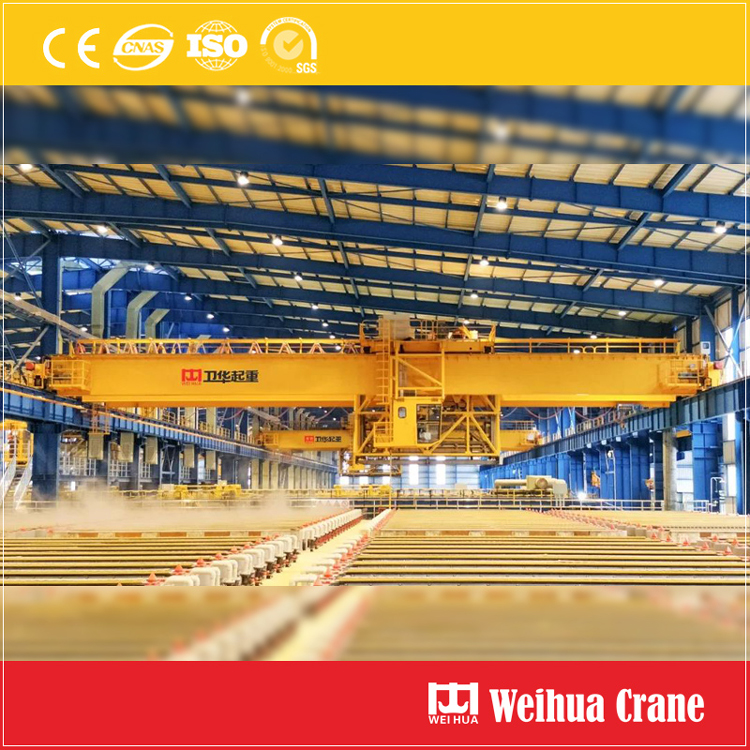
ISO standard for overhead cranes
Overhead cranes are workhorses in manufacturing plants, warehouses, ports, and construction sites, lifting and moving heavy loads with precision and efficiency. But with great power comes great responsibility—ensuring these machines operate safely, reliably, and consistently across global markets. That’s where the ISO standard for overhead cranes comes into play. Developed by the International Organization for Standardization (ISO), these standards establish uniform guidelines for the design, manufacturing, testing, inspection, and operation of overhead cranes, safeguarding personnel, protecting assets, and facilitating international trade. In this blog, we’ll break down the key ISO standards for overhead cranes, their core requirements, and why they matter for businesses worldwide.
Unlike a single “one-size-fits-all” document, the ISO standard for overhead cranes consists of a series of specialized standards, each focusing on a critical aspect of crane design, performance, and safety. These standards are developed and maintained by ISO Technical Committee (TC) 96, which oversees cranes and lifting equipment, with Subcommittee (SC) 9 specifically dedicated to bridge and gantry cranes—the category that includes overhead travelling cranes. This framework ensures that every component and process related to overhead cranes meets rigorous, internationally recognized criteria.
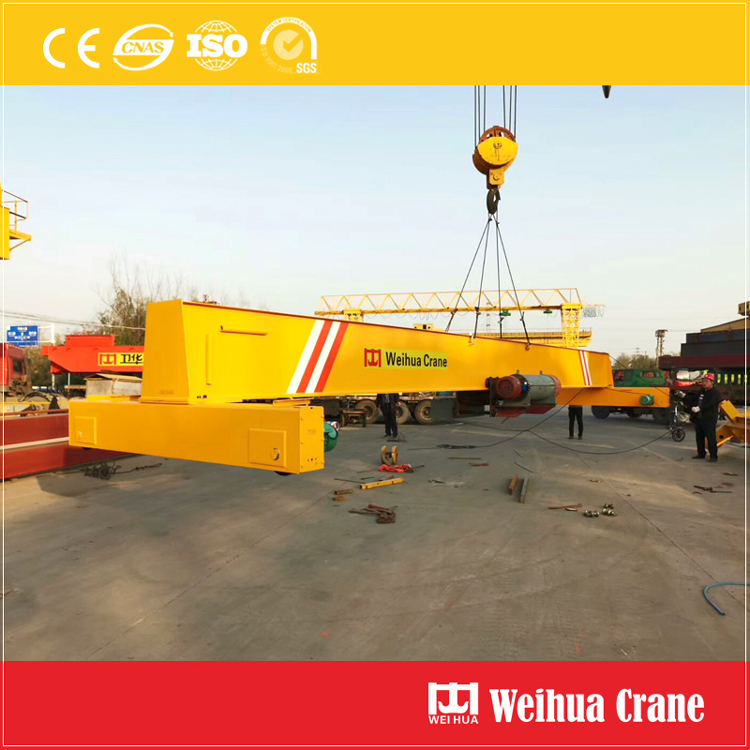
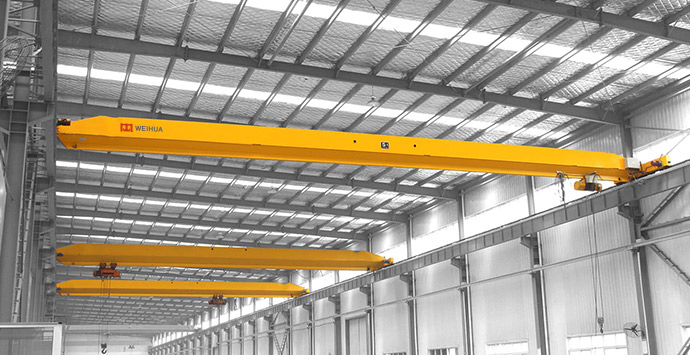
ISO standard for overhead cranes
While there are numerous ISO standards that apply to overhead cranes, several core documents form the foundation of compliance. Below are the most essential ones, along with their focus and updates:
This standard is a cornerstone for overhead crane design, as it establishes how to apply general load and load combination principles (outlined in ISO 8686-1) specifically to overhead travelling and portal bridge cranes (as defined in ISO 4306-1). Now in its second edition, it replaced the 1992 version with technical revisions to keep pace with industry progress and updated referenced standards—including ISO 12488-1:2012 (tolerances for wheels and tracks) and ISO 20332:2016 (proof of competence for steel structures). A key addition is a calculation method for loads caused by skewing in bridge and gantry cranes with rigid or flexible characteristics, addressing a common safety concern in crane operation. This standard was last reviewed and confirmed in 2022, ensuring it remains current for modern crane designs.
Safety is paramount in overhead crane operation, and ISO 10245-1:2021 sets general requirements for limiting and indicating devices that control loads, motions, performance, and environmental factors. These devices—such as load limiters and motion indicators—restrict unsafe operations and provide critical information to operators. This third-edition standard replaced ISO 10245-1:2008 and applies broadly to cranes, with specific requirements for overhead cranes detailed in other parts of the ISO 10245 series (including ISO 10245-5, which is currently under development). It ensures that safety devices are reliable, consistent, and tailored to the unique demands of overhead crane operation.
Clear communication between purchasers and manufacturers is essential for ensuring overhead cranes meet operational needs and compliance requirements. ISO 9374-5:2021 specifies the information that purchasers must provide when enquiring about or ordering an overhead or portal bridge crane, as well as the details manufacturers must include in tenders and supply documents. This second-edition standard replaced the 1991 version and streamlines the procurement process, reducing misunderstandings and ensuring that all critical specifications—from load capacity to safety features—are clearly outlined. It applies to both new cranes and retrofits, making it a valuable tool for businesses at every stage of the crane lifecycle.
Beyond the core standards above, several other ISO documents complement the ISO standard for overhead cranes, covering specialized areas:
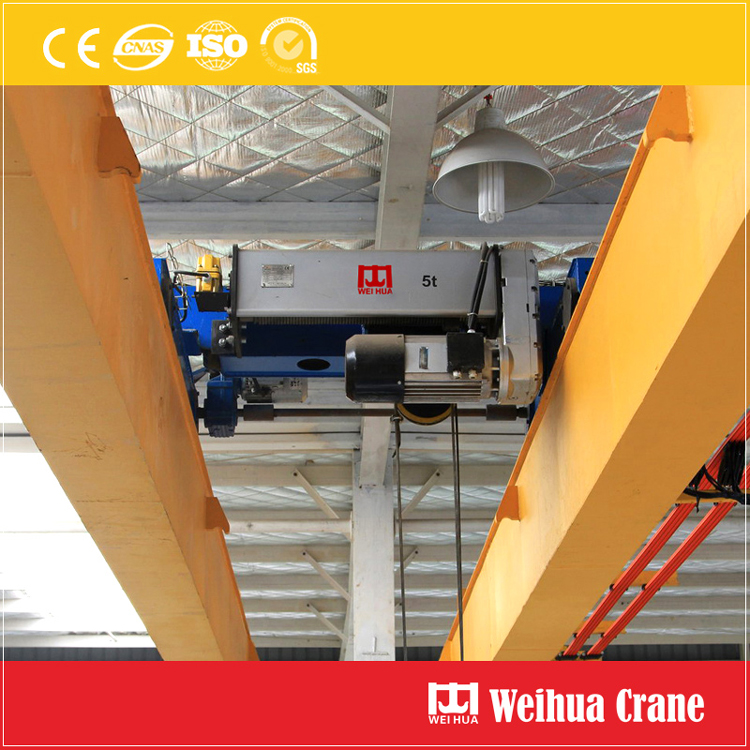
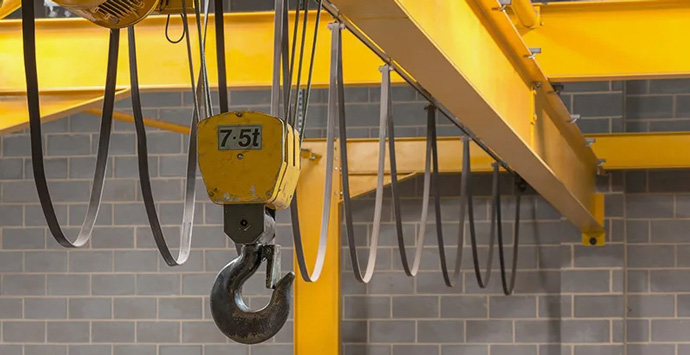
ISO standard for overhead cranes with electric hoist
Adhering to the ISO standard for overhead cranes is not just a regulatory box-ticking exercise—it delivers tangible benefits for businesses, operators, and stakeholders:
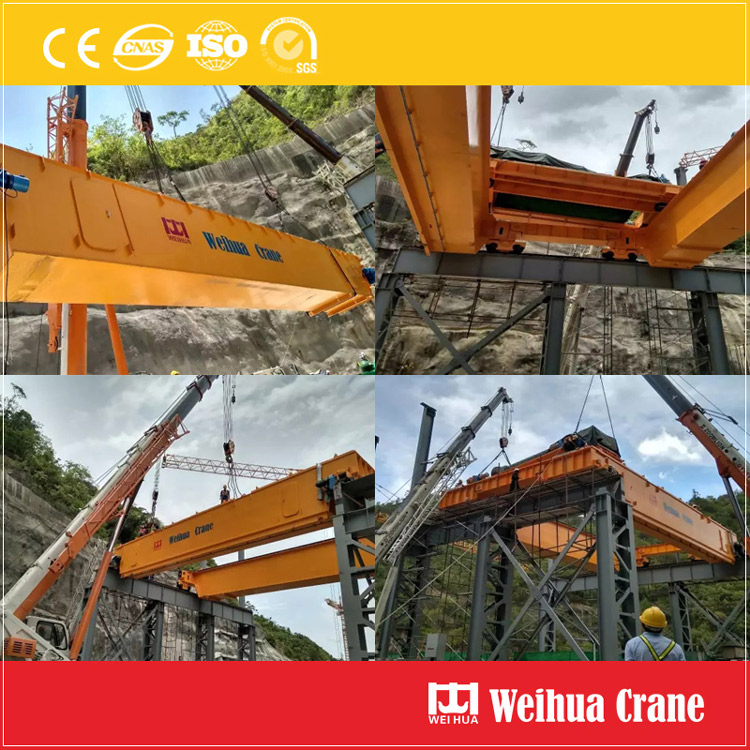
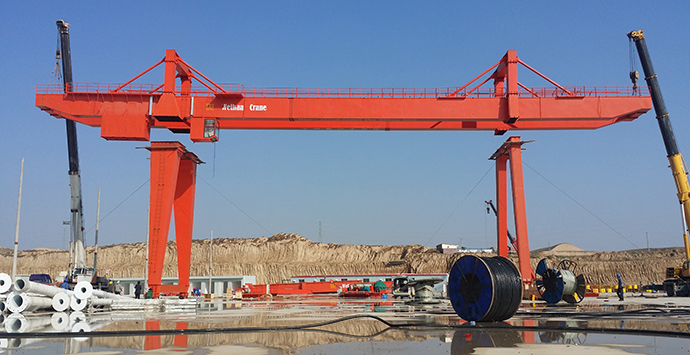
ISO standard for overhead cranes
For businesses looking to comply with the ISO standard for overhead cranes, here are a few practical tips:
The ISO standard for overhead cranes is a comprehensive framework that ensures these essential machines are safe, reliable, and consistent across global markets. From design principles (ISO 8686-5:2017) to safety devices (ISO 10245-1:2021) and procurement guidelines (ISO 9374-5:2021), these standards cover every critical aspect of overhead crane operation. Compliance not only protects personnel and assets but also enhances global trade, reduces costs, and builds trust in your operations.
Whether you’re a manufacturer, purchaser, or operator, understanding and adhering to the ISO standard for overhead cranes is an investment in safety, quality, and long-term success. By staying updated on the latest revisions and focusing on the standards that matter most to your business, you can ensure your overhead cranes meet the highest international benchmarks.
We value your feedback! Please complete the form below so that we can tailor our services to your specific needs.


Latest Comments