
منوی ناوبری

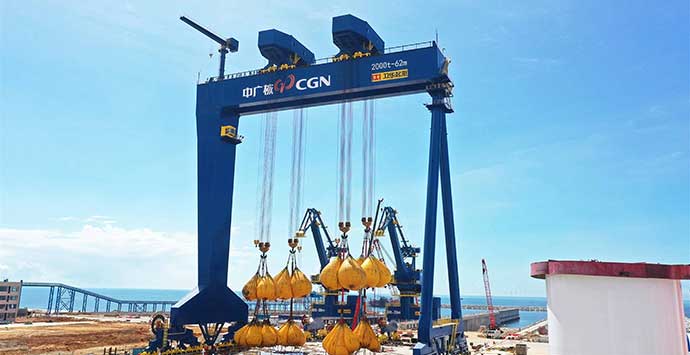
روش دقیق تست بار جرثقیل دروازه ای قابل اطمینان ترین راه برای تأیید یکپارچگی سازه است., عملکرد مکانیکی, و ایمنی عملیاتی کلی. مطابق با استانداردهای صنعت کلیدی از جمله OSHA 1910.179 و ANSI B30.2, آزمایش بار منظم تضمین می کند که جرثقیل دروازه ای شما در ظرفیت های نامی کار می کند, الزامات نظارتی را برآورده می کند, و از کارگران و دارایی ها محافظت می کند. در این وبلاگ, ما فرآیند تست بار کامل را تجزیه می کنیم, از جمله آماده سازی قبل از آزمون, پروتکل های تست گام به گام, قوانین ایمنی, و مستندات پس آزمون.
تست بار جرثقیل دروازه ای یک فرآیند بازرسی استاندارد است که تأیید می کند آیا جرثقیل می تواند به طور ایمن بلند شود یا خیر., نگه دارید, و بارهای مشخص شده را بدون خرابی سازه یا خطاهای مکانیکی جابجا کنید. این سه نوع تست اصلی را پوشش می دهد: تست بدون بار, تست بار استاتیک, و تست بار دینامیکی, هر کدام معیارهای عملکرد عملیاتی متفاوتی را هدف قرار می دهند.
تست بار فقط یک تشریفات معمولی نیست، بلکه یک عمل ایمنی و انطباق اجباری است. در سناریوهای بحرانی مورد نیاز است: نصب جرثقیل جدید, تعمیرات مکانیکی عمده یا تعویض قطعات, دوره های بیکاری طولانی مدت, بازرسی اجباری سالانه, و پس از هر حادثه ای که ممکن است به سازه یا مکانیزم جرثقیل آسیب برساند.
مزایای کلیدی آزمایش بار دقیق شامل حذف عیوب ساختاری پنهان است, بررسی قابلیت اطمینان سیستم ترمز و بالابر, تضمین انطباق کامل با مقررات, افزایش طول عمر جرثقیل, و جلوگیری از حوادث مرگبار بالا بردن محل کار. آزمایش بار اثبات استاندارد صنعتی معمولاً نیاز به بلند کردن دارد 125% از ظرفیت نامی جرثقیل برای اعتبار سنجی استاتیکی, معیار جهانی برای صدور گواهینامه ایمنی عملیاتی.
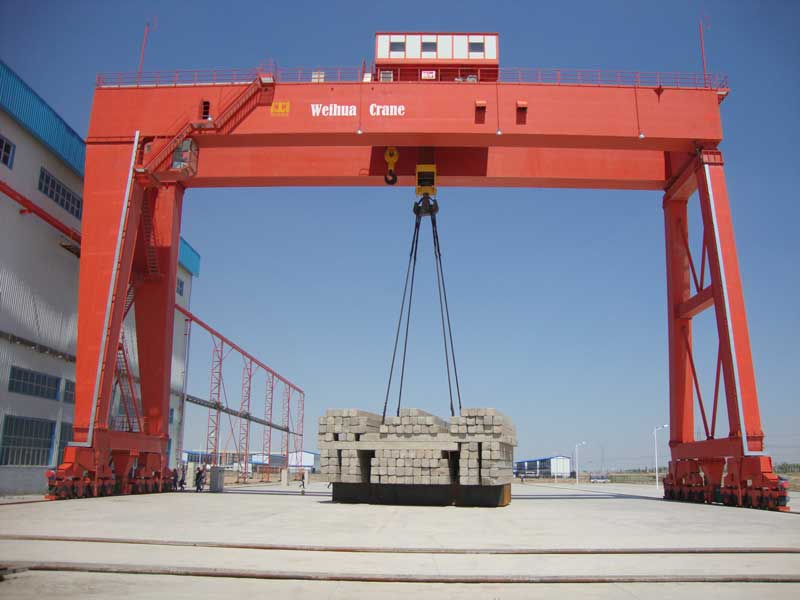
نادیده گرفتن بازرسی های قبل از آزمایش منجر به نتایج آزمایش نادرست و خطرات ایمنی غیر ضروری می شود. قبل از شروع هر آزمایش بار, آماده سازی جامع زیر را برای اطمینان از یکنواختی کامل کنید, فرآیند تست معتبر:
کل منطقه عملیات جرثقیل را با موانع هشدار دهنده و علائم واضح جدا کنید تا از ورود پرسنل غیرمجاز به منطقه آزمایش جلوگیری شود.. تمام موانع موجود در باند و مسیر کار جرثقیل را بردارید تا از حرکت بدون مانع با برد کامل اطمینان حاصل کنید.. تجهیزات اضطراری از جمله کیت های کمک های اولیه و ابزار پاسخ ایمنی را آماده کنید, و پروتکل های اضطراری در محل را برای خرابی مکانیکی یا لغزش بار تأیید کنید.
یک بازرسی کامل بصری از اجزای اصلی جرثقیل انجام دهید. تیرهای دروازه ای را بررسی کنید, ساق پاها, و پیچ های اتصال برای ترک ها, تغییر شکل, یا بست های شل. سیم طناب ها را از نظر ساییدگی بررسی کنید, خوردگی, یا سایش غیر طبیعی, و سیم پیچی مناسب روی درام ها و قرقره ها را بررسی کنید. تست عملکرد ترمزهای بالابر, سیستم های مسافرتی واگن برقی, و چرخ های باند برای اطمینان از عملکرد روان. کلیه سیستم های برق, سوئیچ های محدود, و دستگاه های توقف اضطراری باید قبل از آزمایش کاملاً کارکرد داشته باشند.
فقط تایید شده استفاده کنید, وزنه های آزمایش کالیبره شده یا لودسل ها با گواهی کالیبراسیون معتبر برای تضمین اندازه گیری دقیق بار. کلیه تجهیزات دکلینگ (زنجیر, قلاده, قلاب) حداقل باید رتبه بندی شود 125% از بار آزمایشی برای جلوگیری از شکست ریگ. فقط واجد شرایط, اپراتورهای مجاز جرثقیل و بازرسان حرفه ای مجاز به انجام و نظارت بر تست های بار هستند; پرسنل آموزش ندیده اکیداً از شرکت منع می شوند.
یک آزمایش کامل بار جرثقیل دروازه ای از یک ترتیب متوالی دقیق پیروی می کند: تست بدون بار ← تست بار استاتیک ← تست بار دینامیکی. این فرآیند آزمایش تدریجی از تاثیر اضافه بار ناگهانی جلوگیری می کند و شرایط کاری در دنیای واقعی را به دقت منعکس می کند.
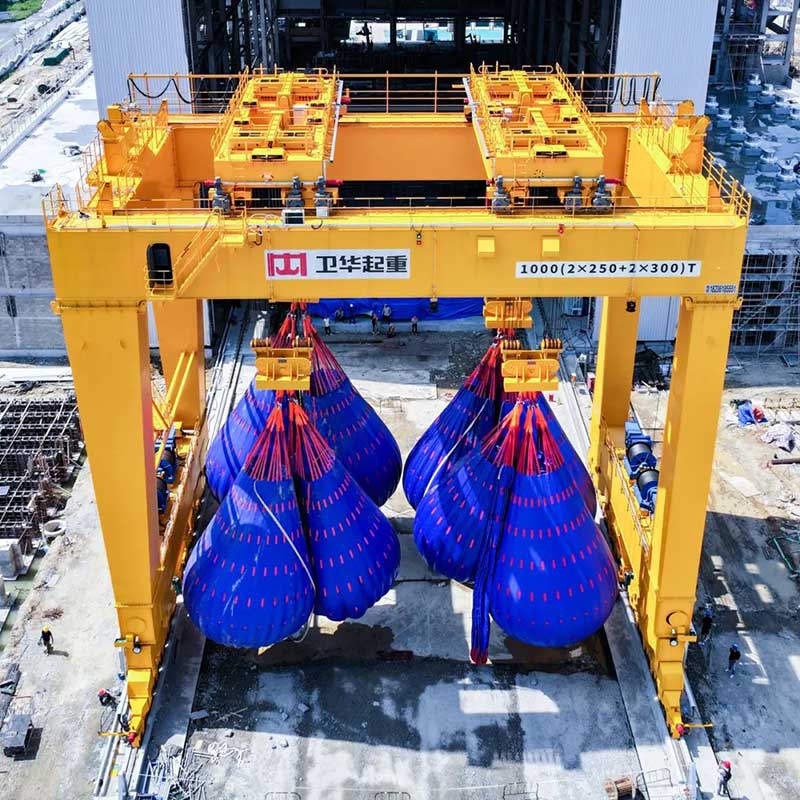
آزمایش بدون بار پایه و اساس تمام آزمایشات بعدی است, طراحی شده برای بررسی عملکرد مکانیکی و الکتریکی اساسی جرثقیل بدون اعمال بار. سیستم برق جرثقیل را راه اندازی کنید و بالابر را راه اندازی کنید, واگن برقی, و مکانیسم های حرکت دروازه ای از طریق دامنه کامل حرکت آنها. به جلو بدوید, معکوس, و عملیات را به طور مکرر متوقف کنید تا از نظر لرزش بررسی شود, صدای غیر عادی, یا پاسخگویی با تاخیر.
تمام وسایل ایمنی را به طور کامل تست کنید: سوئیچ های حد سفر بالا و پایین, دکمه های توقف اضطراری, و سیستم های حفاظت از اضافه بار. تمام مکانیسم های ایمنی را به طور دقیق و قابل اطمینان تأیید کنید. جرثقیل فقط در صورتی از این مرحله عبور می کند که همه اجزا به خوبی و بدون نقص یا شرایط غیرعادی کار کنند..
آزمایش بار استاتیکی حیاتی ترین مرحله برای تایید ظرفیت تحمل بار ساختاری جرثقیل است., پیروی از الزامات استاندارد ANSI و OSHA. قبل از بلند کردن, برای مقایسه پس از آزمون، دادههای انحراف خط پایه را در وسط دهانه تیرهای دروازهای ثبت کنید.
به تدریج بار تست را به صورت مرحله ای افزایش دهید (25% → 50% → 70% → 100% → 125% از بار نامی) برای جلوگیری از ضربه ناگهانی سازه. پس از رسیدن به استاندارد 125% اضافه بار, به آرامی بار آزمایشی را تا 12 تا 18 اینچ از سطح زمین بلند کنید و بار را به مدت 10 دقیقه ثابت نگه دارید..
در طول دوره برگزاری, به طور مداوم برای شاخص های کلیدی بازرسی کنید: بدون تغییر شکل ساختاری قابل مشاهده, ترک, یا شل شدن مفصل; بدون جابجایی بار ناشی از خرابی ترمز; کشش طناب سیم پایدار بدون لغزش; و بدون لرزش یا صدای غیر عادی. پس از کاهش کامل بار, انحراف تیر را دوباره اندازه گیری کنید. تغییر شکل دائمی نشان دهنده شکست تست است, در حالی که بازیابی کامل الاستیک پایداری ساختاری را تأیید می کند.
متفاوت از تست استاتیک, آزمایش بار دینامیکی عملکرد جرثقیل را در شرایط کاری واقعی شبیه سازی شده با بارهای متحرک تأیید می کند.. بار تست استاندارد است 110% از ظرفیت نامی.
بلند کنید 110% بار آزمایشی از روی زمین, سپس عملیات ترکیبی پیوسته را انجام دهید: بلند کردن و پایین آوردن بالابر, سفر تمام دهانه واگن برقی, و حرکت تمام باند دروازه ای. برای شبیه سازی سناریوهای عملیاتی روزانه، این حرکات ترکیبی را چندین بار تکرار کنید. بر روی نظارت بر واکنش ترمز تمرکز کنید, ثبات سیستم, و هماهنگی اجزای مکانیکی در حین حرکت دینامیکی.
جرثقیل تست دینامیکی را پشت سر می گذارد اگر همه حرکات صاف باشند, دستگاه های ایمنی به طور معمول کار می کنند, هیچ گیر مکانیکی رخ نمی دهد, و هیچ نشانه ای از آسیب ساختاری یا اجزاء در طول کل فرآیند تست ظاهر نمی شود.
تست بار شامل خطرات اضافه بار زیاد است, بنابراین پروتکل های ایمنی سختگیرانه باید در کل فرآیند اجرا شوند:
اعتبار سنجی کامل پس از آزمون و مستندات استاندارد برای صدور گواهینامه انطباق و مرجع نگهداری در آینده ضروری است. پس از اتمام تمام مراحل تست, یک بازرسی مجدد جامع از تمام اجزای جرثقیل انجام دهید. تغییر شکل ساختاری را بررسی کنید, شل شدن پیچ, آسیب سیم بکسل, و سایش ترمز. بازنشانی همه دستگاه های ایمنی به وضعیت عادی کار را تأیید کنید.
بعدی, سوابق دقیق آزمون را سازماندهی کنید, از جمله تاریخ آزمون, مدل جرثقیل و ظرفیت نامی, وزن بار آزمایشی, شرایط محیطی, داده های آزمایشی بلادرنگ, سوابق اندازه گیری انحراف, و یادداشت های بازرسی در محل. تمام نتایج آزمایش باید توسط اپراتورها و بازرسان تایید شده امضا و تایید شود.
اگر جرثقیل تمام آزمایشات را پشت سر بگذارد, صدور گواهینامه آزمایش بار رسمی و به روز رسانی برچسب عملیاتی جرثقیل با ظرفیت معتبر و اطلاعات گواهینامه. در صورت مشاهده نقص یا نقص, جرثقیل را فوراً به عنوان خارج از سرویس علامت گذاری کنید, تعمیرات هدفمند کامل, و قبل از شروع مجدد عملیات تست بار کامل را مجدداً انجام دهید. اکثر مقررات ایمنی منطقه ای مستلزم این هستند که گزارش های آزمایشی برای اهداف ممیزی انطباق حداقل به مدت پنج سال بایگانی و نگهداری شوند..
یک روش استاندارد تست بار جرثقیل دروازه ای سنگ بنای ایمنی محل کار است, قابلیت اطمینان تجهیزات, و رعایت مقررات. از آماده سازی محل قبل از آزمایش و آزمایش بار مرحله ای گرفته تا کنترل ایمنی دقیق و مستندات کامل, هر مرحله به طور مستقیم بر خدمات ایمن جرثقیل دروازه ای شما و محافظت از کارگران در محل تأثیر می گذارد.
نادیده گرفتن یا سادهسازی تستهای بار ممکن است باعث صرفهجویی کوتاهمدت در زمان و هزینهها شود، اما منجر به خطرات پنهان بزرگی از خرابی تجهیزات و حوادث ایمنی میشود.. با پیروی از استانداردهای OSHA و ANSI برای انجام منظم, تست های بار دقیق, می توانید عمر مفید جرثقیل را به حداکثر برسانید, به حداقل رساندن خطرات عملیاتی, و یک گاوصندوق بسازید, سازگار با محیط عملیات بالابر.
Q1: جرثقیل دروازه ای چند بار باید تحت آزمایش بار قرار گیرد?
A1: تست بار معمول سالانه برای اکثر جرثقیل های دروازه ای صنعتی اجباری است. تست های اضافی پس از نصب جدید مورد نیاز است, تعمیرات اساسی, خاموشی های طولانی مدت, یا هر ضربه یا حادثه ای که ممکن است به سازه جرثقیل آسیب برساند.
Q2: تفاوت بین تست بار استاتیک و دینامیکی چیست؟?
A2: استفاده از تست بار استاتیک 125% بار نامی با زمان نگهداری ثابت برای بررسی ظرفیت باربری ساختاری. استفاده از تست های بار دینامیکی 110% بار نامی با عملیات متحرک مداوم برای بررسی هماهنگی مکانیکی و پایداری عملیاتی در شرایط کاری.
Q3: آیا پرسنل بدون گواهی می توانند آزمایش های بار جرثقیل را انجام دهند?
A3: خیر. تست بار باید توسط بازرسان و اپراتورهای جرثقیل دارای گواهینامه حرفه ای تکمیل و نظارت شود تا از دقت تست و ایمنی عملیاتی اطمینان حاصل شود., مطابق با الزامات نظارتی OSHA.
ما برای بازخورد شما ارزش قائل هستیم! لطفاً فرم زیر را تکمیل کنید تا بتوانیم خدمات خود را متناسب با نیازهای خاص شما تنظیم کنیم.


برای به دست آوردن اطلاعات محصول و نقل قول های موجود در WhatsApp روی دکمه کلیک کنید.
نقل قول
آخرین نظرات