
منوی ناوبری

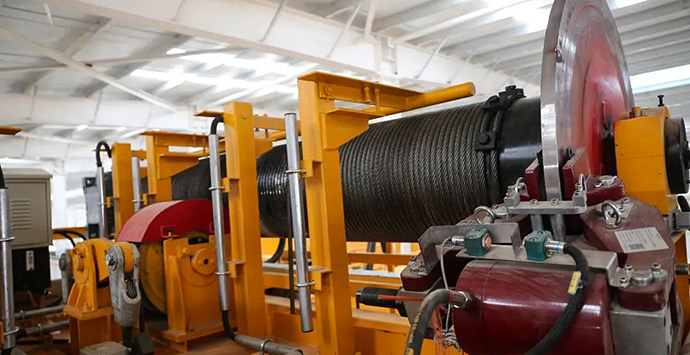
اگر در کار ساختمانی هستید, تدارکات, یا هر صنعتی که متکی به بلند کردن سنگین باشد, احتمالا این عبارت را شنیده اید: یک جرثقیل دارای یک کابل با کرنش شکستگی است. اما این در واقع به چه معناست? آیا این فقط یک جزئیات فنی است, یا یک عامل حیاتی است که می تواند باعث ایجاد یا شکستن شود (کاملا به معنای واقعی کلمه) عملیات شما? امروز, ما همه چیزهایی را که باید در مورد کرنش شکستن کابل جرثقیل بدانید - از تعریف آن و چگونگی تعیین آن تا عواقب واقعی نادیده گرفتن آن را توضیح می دهیم., به علاوه نکات عملی برای ایمن نگه داشتن تیم و تجهیزات خود.
بیایید با اصول اولیه شروع کنیم. وقتی می گوییم جرثقیل دارای کابلی با کرنش شکستگی است, ما به حداکثر نیروی کششی اشاره می کنیم (یا بارگیری کنید) که کابل جرثقیل می تواند قبل از شکستن یا از کار افتادن ساختاری مقاومت کند. این یک عدد تصادفی نیست - یک مقدار با دقت محاسبه شده بر اساس مواد کابل است., ساخت و ساز, قطر, و طراحی, در واحدهایی مانند نیوتن اندازه گیری می شود (ن), کیلونیوتون (kN), یا کیلوگرم نیرو (کیلوگرم) بسته به استانداردهای منطقه ای.
کرنش شکست با "محدودیت بار کاری" متفاوت است (در نظر گرفتن), یک اصطلاح رایج که ممکن است آن را با آن اشتباه بگیرید. محدودیت بار کاری، بار ایمنی است که کابل می تواند در طول عملیات روزانه تحمل کند - معمولاً کسری از کرنش شکستن (بارها 10-25%, بسته به مقررات صنعت). این شکاف, "عامل ایمنی" نامیده می شود,” غیر قابل مذاکره است: تنش های غیرمنتظره مانند بارهای دینامیکی را به حساب می آورد (به عنوان مثال, بلند شدن یا تکان های ناگهانی), فرسودگی, و عوامل محیطی که کابل را در طول زمان ضعیف می کند.
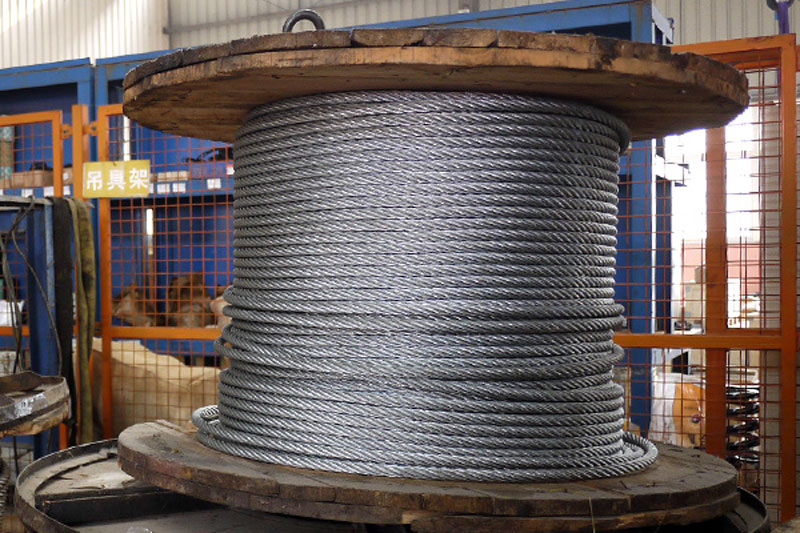
همه کابل های جرثقیل یکسان ایجاد نمی شوند, و کرنش شکستن آنها به طور گسترده ای بر اساس چندین عامل کلیدی متفاوت است. درک این موارد به شما کمک می کند کابل مناسب برای جرثقیل خود را انتخاب کنید و از عدم تطابق خطرناک جلوگیری کنید:
کابل های جرثقیل مدرن معمولاً از سیم های فولادی با کشش بالا ساخته می شوند, که استحکام و دوام استثنایی را ارائه می دهند. تعداد سیمها و رشتهها در کابل مستقیماً بر کرنش شکستگی آن تأثیر میگذارد: یک کابل با بیشتر (و کوچکتر) سیم ها مقاومت بیشتری در برابر خستگی دارند, به آن اجازه می دهد تا به طور مکرر روی شیارها بدون ضعیف شدن خم شود, در حالی که کمتر, سیم های بزرگتر ممکن است استحکام خام بالاتری داشته باشند اما انعطاف پذیری کمتری دارند. به عنوان مثال, 6-کابل های رشته ای معمولا مقاومت له شدن بیشتری دارند (عاملی در دوام کلی) نسبت به کابل های 8 رشته ای, در حالی که IWRC (هسته طناب سیم مستقل) کابل ها نسبت به کابل های فیبر هسته ای در برابر له شدن مقاوم تر هستند.
این فیزیک ساده است: هر چه کابل ضخیم تر باشد (سطح مقطع بزرگتر), فشار شکستن آن بیشتر است. کابل با قطر بیشتر مواد بیشتری برای توزیع بار دارد, کاهش تنش در واحد سطح. به عنوان مثال, یک کابل فولادی با قطر 10 میلیمتر نسبت به کابل 20 میلیمتری از همان مواد و ساختار، کرنش شکستگی بسیار کمتری دارد.. به همین دلیل است که محاسبه محدودیت های بار بر اساس قطر یک مرحله ایمنی اساسی است.
هسته کابل - یا فیبر (مانند کنف یا مصنوعی) یا فولاد - بر استحکام و انعطاف پذیری تأثیر می گذارد. کابل های فیبر هسته سبک تر و انعطاف پذیرتر هستند, آنها را برای کاربردهایی که کابل به طور مکرر خم می شود ایده آل می کند, اما آنها نسبت به کابل های هسته فولادی دارای کرنش شکست کمتری هستند. کابل های هسته فولادی (مانند IWRC) سفت تر هستند اما می توانند بارهای سنگین تری را تحمل کنند, آنها را برای کارهای سنگین بلند کردن بهتر می کند.
حتی قویترین کابل نیز در صورت قرار گرفتن در شرایط سخت، به مرور زمان کاهش مییابد. عواملی مانند خوردگی (از آب شور یا مواد شیمیایی), دمای شدید, اشعه ماوراء بنفش, و خم شدن مکرر (روی قفسه ها یا طبل ها) همه ساختار کابل را تضعیف می کنند. علاوه بر این, بارهای دینامیکی - مانند بلند کردن سریع یک بار, توقف های ناگهانی, یا فشار جانبی - می تواند به طور موقت از بار کاری ایمن کابل تجاوز کند, آن را زودتر از موعد به فشار شکستن آن نزدیک کنید.
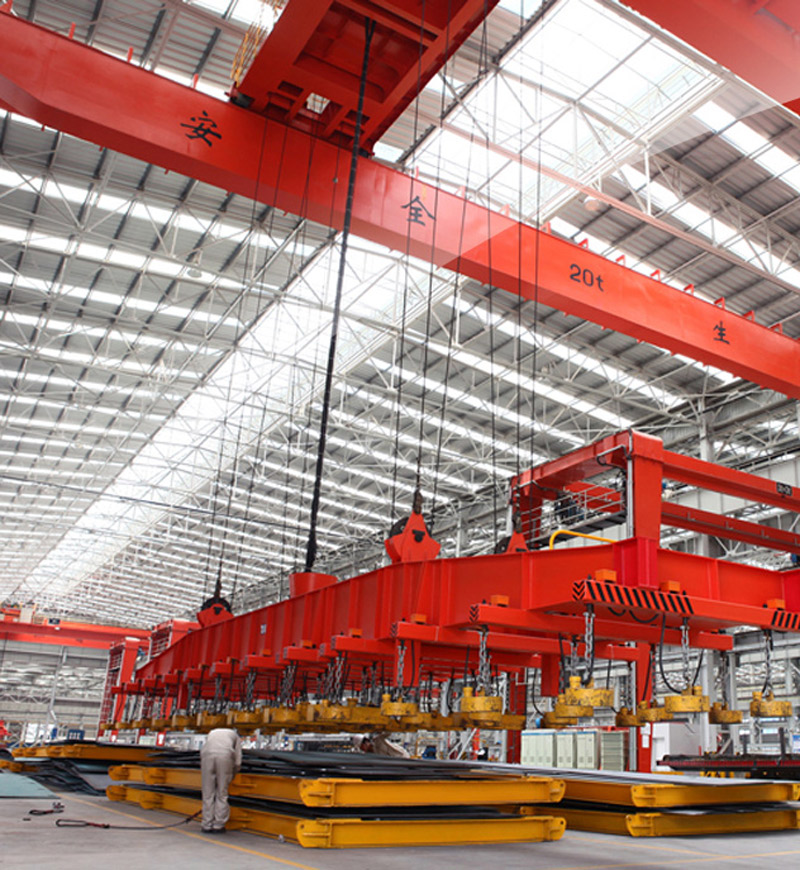
وقتی این واقعیت را نادیده می گیرید که یک جرثقیل کابلی با کرنش شکستگی دارد, نتایج می تواند فاجعه بار باشد. بیایید به دو مثال در دنیای واقعی که خطر را برجسته می کند نگاه کنیم:
در 2000, یک کارگاه ساختمانی در فلوریدا با پارگی کابل جرثقیل هنگام بلند کردن تیر پل بتنی 73.3 تنی دچار حادثه شد.. کابل مورد استفاده با مشخصات توصیه شده سازنده مطابقت نداشت - با استفاده از ساختار 6×26 به جای 6×36 مورد نیاز - باعث کاهش فشار شکستگی آن و منجر به خرابی شد.. تیر در حال سقوط یک کارمند را له کرده و کشته است, تاکید بر اینکه چگونه حتی انحرافات کوچک از استانداردها می تواند نتایج مرگبار داشته باشد.
در حادثه دیگری در 2022, یک جرثقیل خزنده پس از تغییر موقعیت، یک بارج ساختمانی را در ویرجینیا واژگون کرد, منجر به از دست دادن کل $2 میلیون جرثقیل و نشت نفت. در حالی که علت مستقیم عدم تعادل بار بود, این حادثه نشان میدهد که چگونه هر فشاری که کابل را به سمت کرنش شکستهاش هل میدهد، میتواند باعث ایجاد یک واکنش زنجیرهای شکست شود., به خطر انداختن زندگی, تجهیزات, و محیط زیست.
این حوادث ناهنجاری نیستند - آنها یادآوری می کنند که شکستن فشار فقط یک مشخصات فنی نیست; این یک مرز امنیتی است که هرگز نباید از آن عبور کرد.
خبر خوب این است که بیشتر حوادث مربوط به کابل قابل پیشگیری هستند. در اینجا مراحل عملی برای ایمن نگه داشتن عملیات شما آورده شده است, مطابق با بهترین شیوه های صنعت:
1. همیشه رتبه کابل را بررسی کنید
قبل از هر آسانسوری, تأیید کنید که کابل جرثقیل برای باری که شما بلند می کنید درجه بندی شده است. هرگز از حد مجاز بار کاری تجاوز نکنید, و همیشه عامل ایمنی را در نظر بگیرید. به عنوان مثال, اگر کابل دارای کرنش شکستگی باشد 6400 کلوت (اندازه گیری به 2 ارقام قابل توجه), شما باید تعداد مطمئن جعبه های 90 کیلوگرمی را که می تواند بلند کند - با در نظر گرفتن تلورانس های اندازه گیری - محاسبه کنید تا از نزدیک شدن به فشار شکستن جلوگیری کنید..
2. کابل ها را به طور منظم بررسی کنید
بازرسی های بصری روزانه و بازرسی های رسمی دوره ای غیر قابل مذاکره است. به دنبال علائم سایش باشید: سیم های فرسوده, پیچ خوردگی ها, خوردگی, خرد کردن (مقاطع تحریف شده), یا خستگی می شکند (با انتهای مربع عمود بر سیم تشخیص داده می شود). حتی آسیب کوچک می تواند به طور قابل توجهی فشار شکستگی را کاهش دهد. اگر مشکلی را مشاهده کردید, کابل را فوراً تعویض کنید - برای یک بار دیگر سعی نکنید آن را تعمیر کنید یا آن را "کار کنید"..
3. تیم خود را آموزش دهید
هر اپراتور و ریگر باید بفهمد که کرنش شکستن به چه معناست, نحوه خواندن رتبه بندی کابل, و نحوه تشخیص علائم آسیب. آموزش صحیح همچنین شامل یادگیری نحوه اجتناب از بارهای دینامیکی است (به عنوان مثال, به آرامی و نرم بلند کردن) و اگر کابل علائم استرس را نشان داد چگونه باید پاسخ داد. یک تیم خوب آموزش دیده اولین خط دفاعی شما در برابر حوادث است.
4. کابل مناسب برای کار را انتخاب کنید
کابل را با برنامه خود مطابقت دهید. به عنوان مثال, اگر بارهای سنگین را در یک محیط دریایی بلند می کنید (مستعد خوردگی), از کابل فولادی گالوانیزه با کرنش شکستگی و مقاومت در برابر خوردگی بالا استفاده کنید. اگر از جرثقیل با اجزای چرخان استفاده می کنید, کابل های چرخشی تخصصی را انتخاب کنید که می توانند پیچش را بدون تضعیف کنترل کنند. استفاده از کابل نادرست برای کار، دستوری برای شکست است.
5. فروشگاه & کابل ها را به درستی نگهداری کنید
زمانی که استفاده نمی شود, کابل ها را در جای خشک نگهداری کنید, منطقه ای با تهویه مناسب به دور از نور مستقیم خورشید, مواد شیمیایی, و اشیاء نوک تیز. از خم شدن یا پیچ خوردن بیش از حد کابل ها در طول نگهداری خودداری کنید, زیرا این می تواند به ساختار آنها آسیب برساند و فشار شکستگی را کاهش دهد. برای نگهداری طولانی مدت, به طور دوره ای کابل ها را بازرسی و آزمایش کنید تا مطمئن شوید که هنوز در شرایط خوبی هستند.
در پایان روز, عبارت جرثقیل دارای کابل با فشار شکسته است یادآور مسئولیت - مسئولیت در قبال تیم شما, تجهیزات شما, و امنیت همه اطرافیان شما. شکستن فشار یک پیشنهاد نیست; این یک محدودیت سخت است, وقتی نادیده گرفته می شود, منجر به تراژدی می شود.
با درک اینکه فشار شکستن چیست, چگونه تعیین می شود, و چگونه از کابل های خود محافظت کنید, می توانید اطمینان حاصل کنید که هر آسانسور ایمن است, کارآمد, و سازگار است. به یاد داشته باشید: یک کابل قوی فقط به اندازه افرادی که از آن استفاده و نگهداری می کنند قابل اعتماد است. گوشه ها را برش ندهید - به فشار شکستن احترام بگذارید, و محل کار خود را ایمن نگه دارید.
آیا تا به حال به نگهداری کابل یا محاسبات بار برای جرثقیل ها پرداخته اید? نکات یا تجربیات خود را در نظرات زیر به اشتراک بگذارید — مایلیم از شما بشنویم!
ما برای بازخورد شما ارزش قائل هستیم! لطفاً فرم زیر را تکمیل کنید تا بتوانیم خدمات خود را متناسب با نیازهای خاص شما تنظیم کنیم.


برای به دست آوردن اطلاعات محصول و نقل قول های موجود در WhatsApp روی دکمه کلیک کنید.
نقل قول
آخرین نظرات