
Menú de navegación

Las grúas son los caballos de batalla de la industria moderna, esencial para levantar, emocionante, y posicionar cargas pesadas con precisión y eficiencia. Desde plantas de fabricación hasta puertos bulliciosos y sitios de construcción masivos, Diferentes tipos de grúas están diseñadas para tareas y entornos específicos.. Comprender estas variaciones es clave para seleccionar el equipo adecuado para el trabajo.. Esta guía explora los principales tipos de grúas industriales y logísticas., sus características únicas, y sus principales aplicaciones.
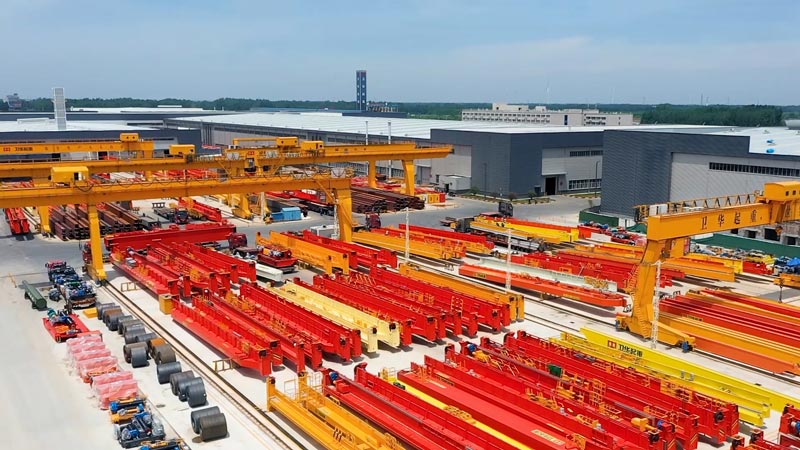
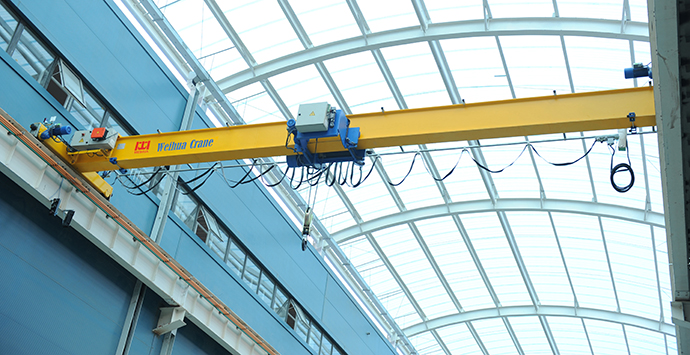
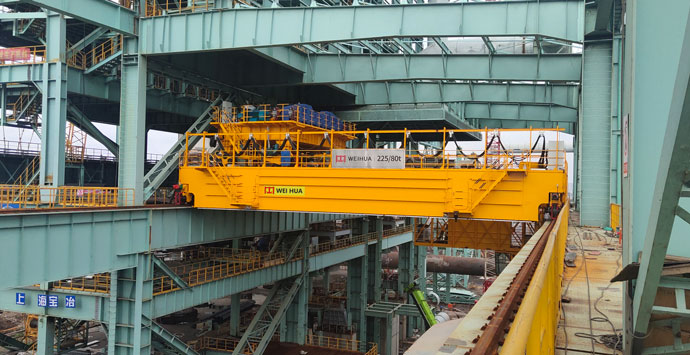
Las grúas puente son omnipresentes en las fábricas, almacenes, y talleres. Consisten en un polipasto que se desplaza a lo largo de una viga horizontal. (el puente), que a su vez se mueve sobre pistas elevadas a lo largo del edificio.
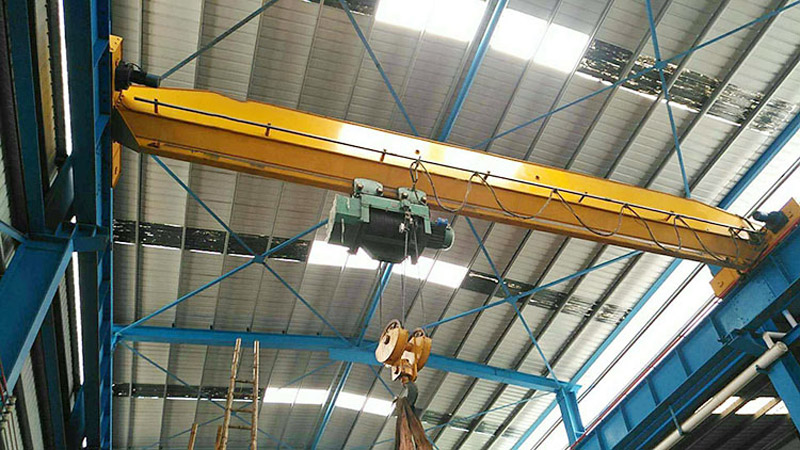
Grúa aérea de una sola viga
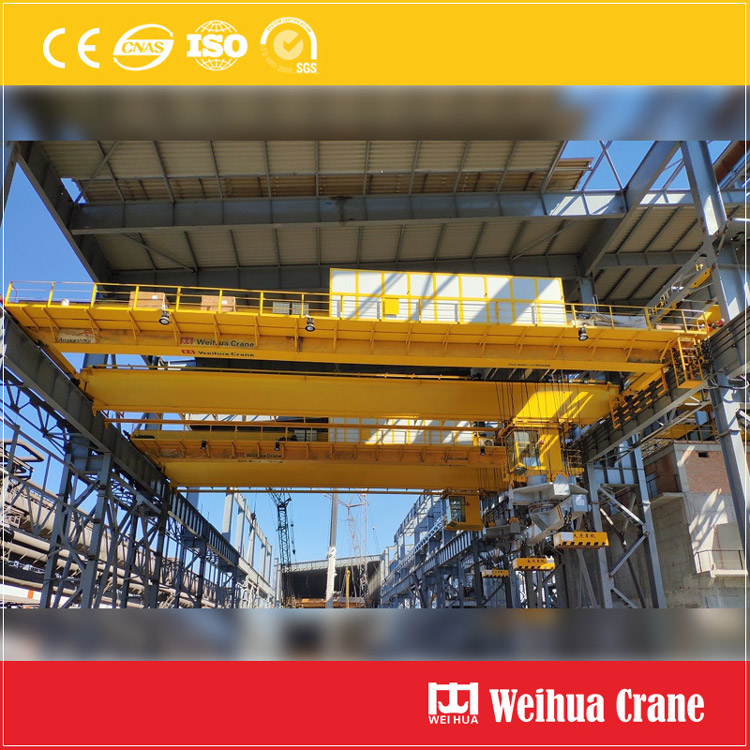
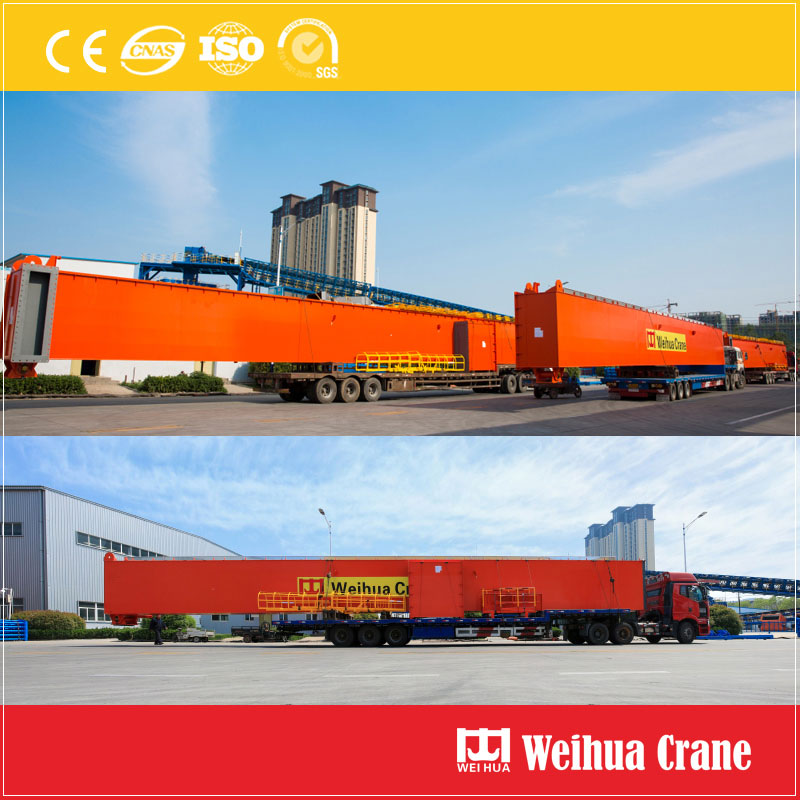
Grúa aérea de dos vigas
Las grúas pórtico son similares a las grúas puente, pero están sostenidas por patas independientes que se mueven sobre ruedas o rieles a lo largo del suelo., eliminando la necesidad de la estructura del techo de un edificio. Son muy versátiles tanto para uso interior como exterior..
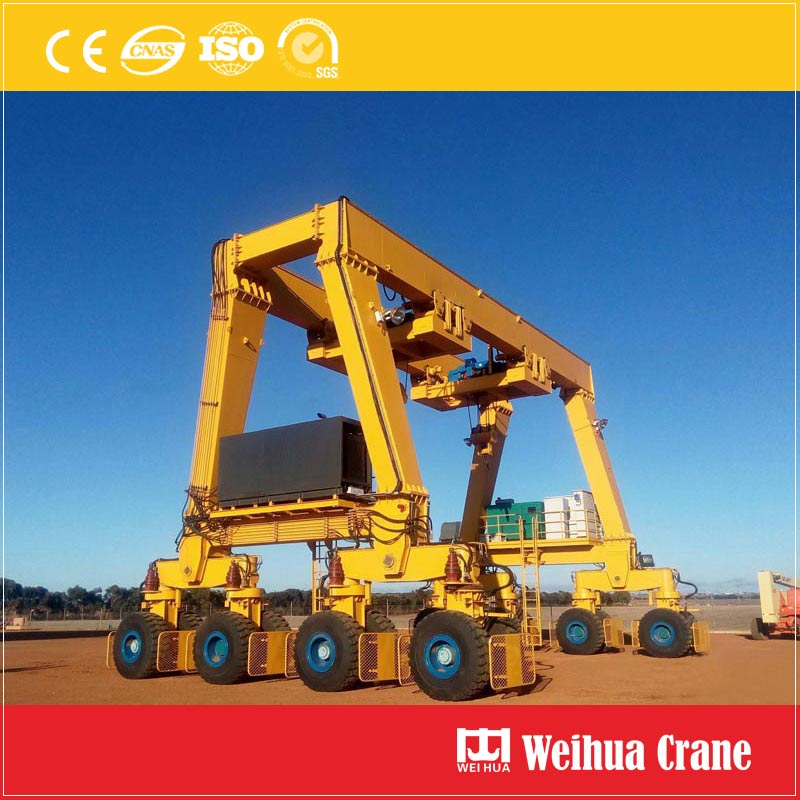
Pórtico con neumáticos de goma (RTG) Grúa
Pórtico con neumáticos de goma (RTG) Grúa: Una grúa pórtico móvil utilizada principalmente en terminales de contenedores. Funciona con neumáticos de goma., lo que lo hace altamente flexible para apilar contenedores en operaciones de patio.
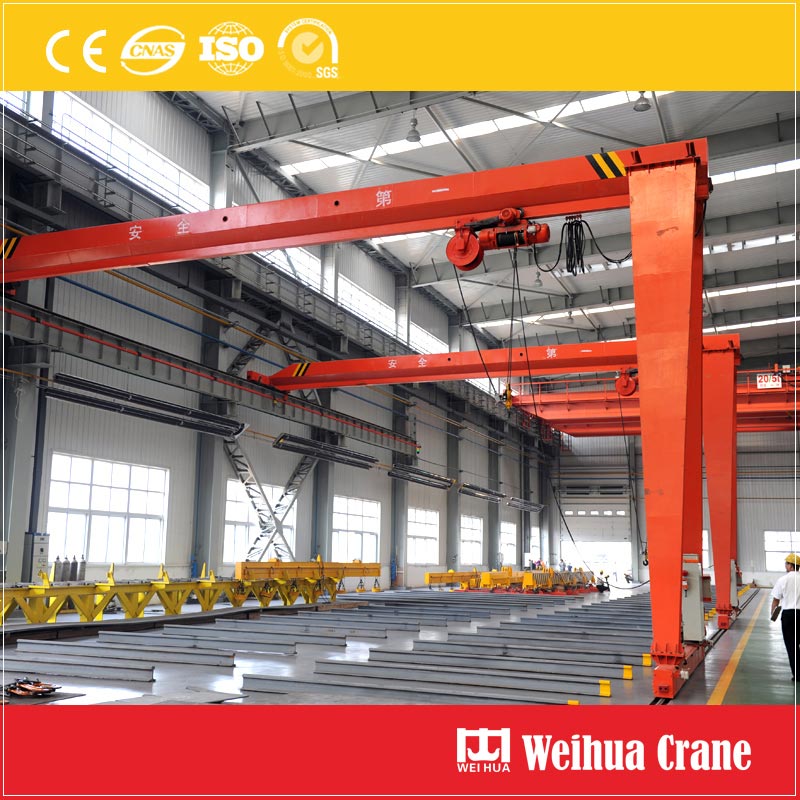
Pórtico montado en riel (rmg) Grúa
Pórtico montado en riel (rmg) Grúa: Similar a un RTG pero circula sobre vías fijas. Esto permite un posicionamiento más preciso., mayores capacidades de apilamiento, y es más adecuado para operaciones automatizadas.
Se trata de gigantes pesados diseñados específicamente para la carga y descarga rápida de barcos..
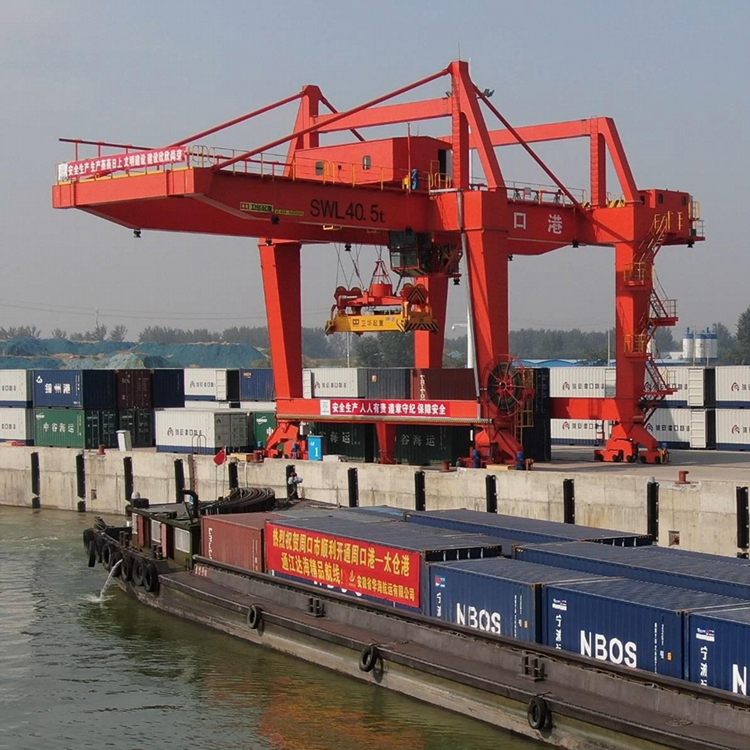
Envío a costa (Sts) Grúa
Envío a costa (Sts) Grúa / Grúa pórtico para contenedores: Estos son los icónicos, Grúas colosales vistas en terminales de contenedores. Se montan a horcajadas sobre un barco atracado, mover contenedores directamente entre el buque y el muelle. Son esenciales para el transporte marítimo en contenedores moderno..
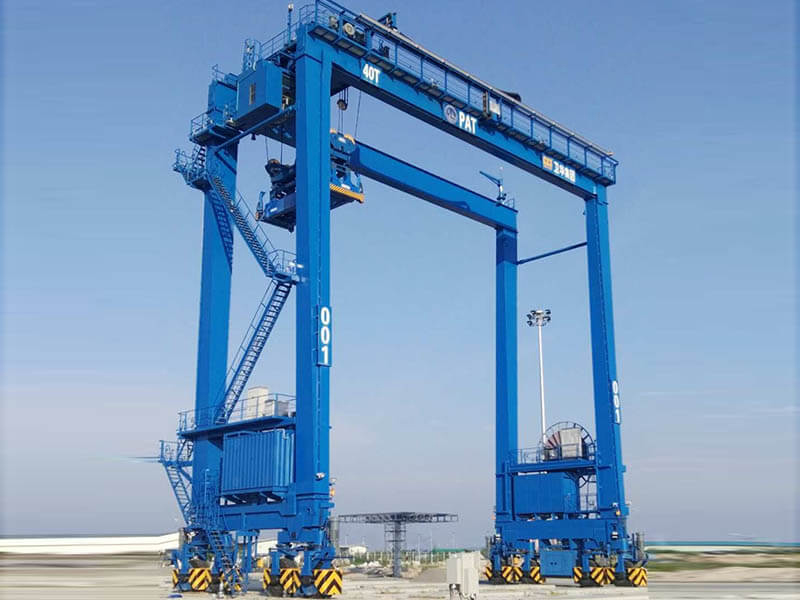
Grúa pórtico para contenedores
Grúa portuaria móvil: Un versátil, Grúa sobre ruedas o sobre rieles que puede realizar múltiples tareas., incluyendo el manejo de contenedores, materiales a granel, y carga general. Ofrece gran flexibilidad para puertos multipropósito.
A menudo denominadas grúas "Goliat", estos son resistentes, Grúas pórtico de gran capacidad utilizadas para ascensores masivos..
Q1: ¿Cuál es el tipo de grúa más común dentro de una fábrica??
A: El puente grúa aéreo es el más común., con grúas monorraíl para trabajos más ligeros y grúas birraíl para fabricación pesada.
Q2: ¿Cuál es la principal diferencia entre un RTG y un RMG??
A: RTG (Pórtico con neumáticos de goma) son móviles y flexibles, moverse libremente en un patio. RMG (Pórtico montado en riel) correr sobre pistas fijas, ofreciendo mayor precisión, estabilidad para un apilamiento más alto, y son más fáciles de automatizar.
Q3: ¿Qué grúa está diseñada específicamente para descargar buques portacontenedores??
A: El barco a la costa (Sts) La grúa pórtico para contenedores está diseñada específicamente para esta alta velocidad., tarea de alta capacidad.
Q4: ¿Qué tipo de grúa se utilizaría para construir un barco grande??
A: Grúas de portal/pórtico masivas (a menudo llamado Goliat o pórticos de construcción naval) Se utilizan para levantar y posicionar grandes secciones prefabricadas del casco y la superestructura de un barco..
Q5: ¿Cómo elijo el tipo correcto de grúa??
A: Los factores clave incluyen: Peso y tamaño de las cargas., luz requerida y altura de elevación, ciclo de trabajo (frecuencia de uso), espacio disponible (interior/exterior), necesidades de movilidad, y presupuesto. Siempre se recomienda consultar con un especialista en grúas..
Desde la precisión del puente grúa de un taller hasta la potencia bruta de la grúa STS de un puerto, Cada tipo de grúa juega un papel vital en la industria y la infraestructura global.. Seleccionar la grúa correcta, ya sea un pórtico versátil, un manipulador de contenedores especializado, o una grúa portal para cargas pesadas, es fundamental para lograr la seguridad, eficiencia, y productividad en cualquier operación de manipulación de materiales.
Valoramos sus comentarios! Complete el formulario a continuación para que podamos adaptar nuestros servicios a sus necesidades específicas..


Haga clic en el botón para obtener información del producto y cotizaciones en WhatsApp.
Obtener una cotización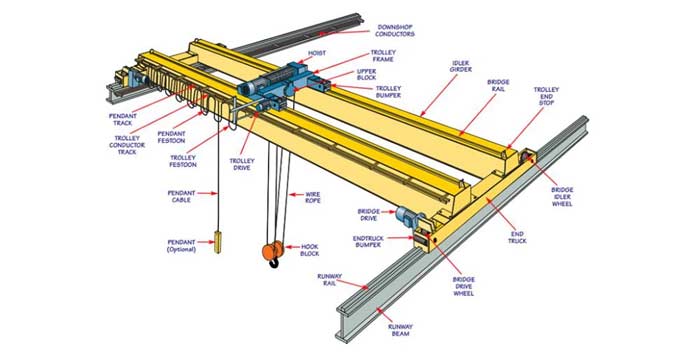
Últimos comentarios