
Menú de navegación

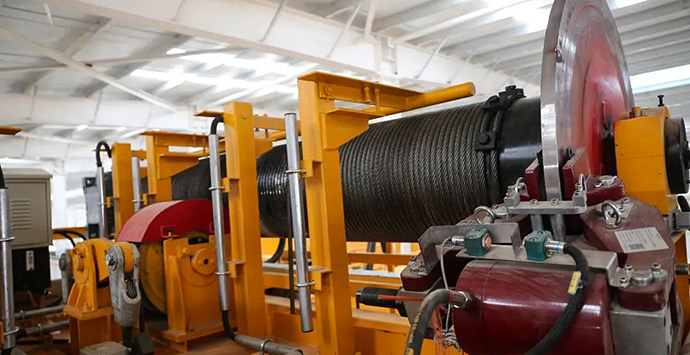
Si trabajas en la construcción, logística, o cualquier industria que dependa del levantamiento de objetos pesados, probablemente hayas escuchado la frase: una grúa tiene un cable con una tensión de rotura. Pero, ¿qué significa eso realmente?? ¿Es solo un detalle técnico?, ¿O es un factor crítico que puede hacer o deshacer? (literalmente) tus operaciones? Hoy, Estamos desglosando todo lo que necesita saber sobre la tensión por rotura del cable de la grúa, desde su definición y cómo se determina hasta las consecuencias en el mundo real de ignorarla., además de consejos prácticos para mantener a su equipo y equipo seguros.
Empecemos por lo básico. Cuando decimos que una grúa tiene un cable con tensión de rotura, Nos referimos a la fuerza máxima de tracción. (o cargar) que el cable de la grúa puede soportar antes de que se rompa o falle estructuralmente. No es un número aleatorio: es un valor cuidadosamente calculado en función del material del cable., construcción, diámetro, y diseño, medido en unidades como newtons (norte), kilonewtons (kN), o kilogramos-fuerza (kgf) dependiendo de los estándares regionales.
La tensión de rotura es diferente del "límite de carga de trabajo" (Wll), un término común con el que podrías confundirlo. El límite de carga de trabajo es la carga segura que el cable puede soportar durante las operaciones diarias, normalmente una fracción de la tensión de rotura. (a menudo 10-25%, dependiendo de las regulaciones de la industria). esta brecha, denominado “factor de seguridad,"no es negociable: Tiene en cuenta tensiones inesperadas como cargas dinámicas. (P.EJ., levantamientos o sacudidas repentinas), desgaste, y factores ambientales que debilitan el cable con el tiempo.
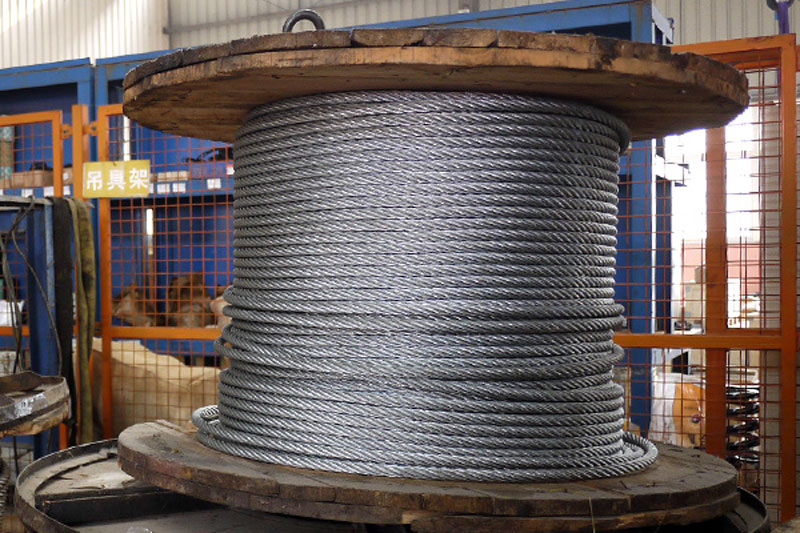
No todos los cables de grúa son iguales, y su tensión de rotura varía ampliamente según varios factores clave. Comprenderlos le ayudará a elegir el cable adecuado para su grúa y evitar desajustes peligrosos.:
Los cables de las grúas modernas suelen estar hechos de alambres de acero de alta resistencia., que ofrecen resistencia y durabilidad excepcionales. La cantidad de alambres y torones en el cable impacta directamente su tensión de rotura.: un cable con más (y más pequeño) Los cables tienen mayor resistencia a la fatiga., permitiéndole doblarse repetidamente sobre las poleas sin debilitarse, mientras menos, Los alambres más grandes pueden tener mayor resistencia bruta pero menos flexibilidad.. Por ejemplo, 6-Los cables trenzados suelen tener una mayor resistencia al aplastamiento. (un factor en la durabilidad general) que cables de 8 hilos, mientras que la IWRC (Núcleo de cable independiente) Los cables son más resistentes al aplastamiento que los cables con núcleo de fibra..
Es física simple: cuanto más grueso es el cable (mayor área de sección transversal), cuanto mayor sea su tensión de rotura. Un cable con mayor diámetro tiene más material para distribuir la carga, reducir el estrés por unidad de área. Por ejemplo, un cable de acero de 10 mm de diámetro tendrá una tensión de rotura mucho menor que un cable de 20 mm del mismo material y construcción. Esta es la razón por la que calcular los límites de carga en función del diámetro es un paso de seguridad fundamental..
El núcleo del cable, ya sea de fibra (como cáñamo o sintético) o acero: afecta tanto la resistencia como la flexibilidad. Los cables con núcleo de fibra son más ligeros y flexibles, haciéndolos ideales para aplicaciones donde el cable se dobla con frecuencia, pero tienen una tensión de rotura menor que los cables con núcleo de acero. Cables con núcleo de acero (como IWRC) son más rígidos pero pueden soportar cargas más pesadas, haciéndolos mejores para tareas de elevación pesadas.
Incluso la tensión de rotura del cable más fuerte disminuirá con el tiempo si se expone a condiciones duras.. Factores como la corrosión (de agua salada o productos químicos), temperaturas extremas, radiación ultravioleta, y flexión repetida (sobre poleas o tambores) todos debilitan la estructura del cable. Además, Cargas dinámicas, como levantar una carga demasiado rápido., paradas repentinas, o presión lateral: puede exceder temporalmente la carga de trabajo segura del cable, acercándolo poco a poco a su tensión de rotura prematuramente.
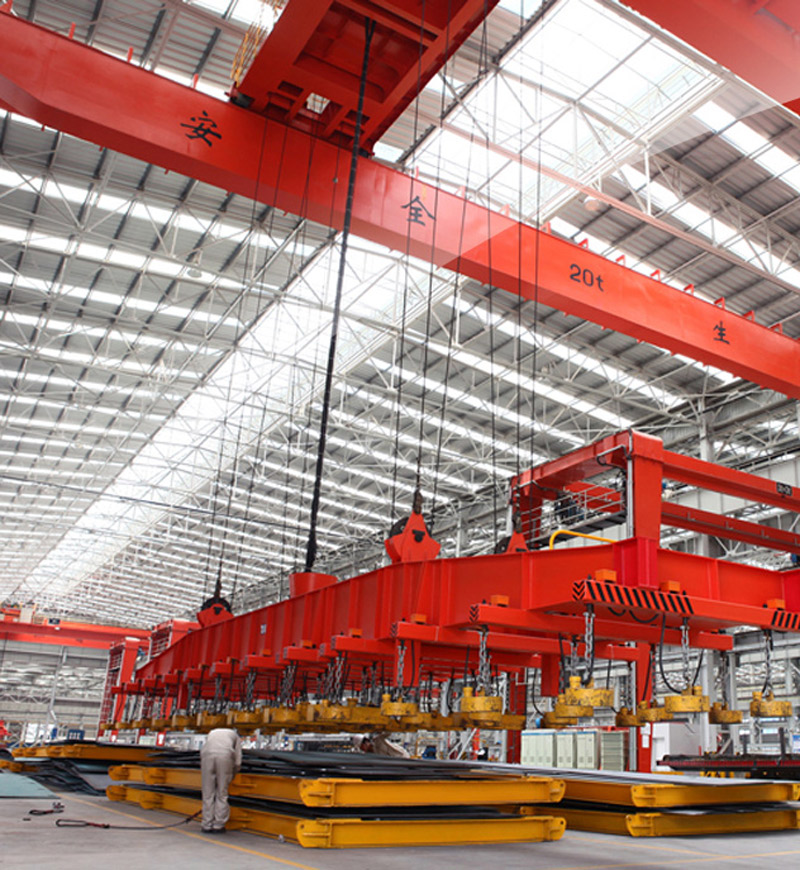
Cuando se pasa por alto el hecho de que una grúa tiene un cable con tensión de rotura, los resultados pueden ser catastróficos. Veamos dos ejemplos del mundo real que resaltan el peligro.:
En 2000, Un sitio de construcción en Florida experimentó un accidente fatal cuando el cable de una grúa se rompió mientras levantaba una viga de puente de concreto de 73,3 toneladas.. El cable utilizado no coincidía con las especificaciones recomendadas por el fabricante (usó una construcción de 6×26 en lugar del requerido 6×36), lo que redujo su tensión de rotura y provocó fallas.. La viga que cayó aplastó y mató a un empleado, subrayando cómo incluso pequeñas desviaciones de los estándares pueden tener resultados mortales.
En otro incidente en 2022, Una grúa sobre orugas se cayó de una barcaza de construcción en Virginia después de cambiar de posición, provocando una pérdida total del $2 Millones de grúas y un derrame de petróleo.. Si bien la causa directa fue el desequilibrio de carga, El incidente resalta cómo cualquier tensión que empuje un cable hacia su tensión de rotura puede desencadenar una reacción en cadena de falla., poniendo en peligro vidas, equipo, y el medio ambiente.
Estos accidentes no son anomalías: son recordatorios de que la tensión de frenado no es sólo una especificación técnica.; es un límite de seguridad que nunca debe cruzarse.
La buena noticia es que la mayoría de los accidentes relacionados con cables se pueden prevenir. A continuación se detallan pasos prácticos para mantener seguras sus operaciones, alineado con las mejores prácticas de la industria:
1. Verifique siempre la clasificación del cable
Antes de cualquier levantamiento, Confirme que el cable de la grúa esté clasificado para la carga que está levantando.. Nunca exceda el límite de carga de trabajo, y siempre tener en cuenta el factor de seguridad. Por ejemplo, si un cable tiene una tensión de rotura de 6400 kg (medido a 2 cifras significativas), Tendrá que calcular el número seguro de cajas de 90 kg que puede levantar (teniendo en cuenta las tolerancias de medición) para evitar acercarse a la tensión de rotura..
2. Inspeccione los cables con regularidad
Las inspecciones visuales diarias y las inspecciones formales periódicas no son negociables.. Busque signos de desgaste: alambres deshilachados, torceduras, corrosión, aplastante (secciones transversales distorsionadas), o descansos por fatiga (reconocido por extremos cuadrados perpendiculares al cable). Incluso los daños más pequeños pueden reducir significativamente la tensión de rotura. Si detecta algún problema, reemplace el cable inmediatamente; no intente repararlo ni "hacerlo funcionar" para un levantamiento más.
3. Entrena a tu equipo
Todo operador y aparejador debe comprender lo que significa la tensión de rotura., cómo leer las clasificaciones de cables, y cómo detectar signos de daño. Una formación adecuada también incluye aprender a evitar cargas dinámicas. (P.EJ., levantando lenta y suavemente) y cómo reaccionar si un cable muestra signos de estrés. Un equipo bien capacitado es su primera línea de defensa contra accidentes.
4. Elija el cable adecuado para el trabajo
Haga coincidir el cable con su aplicación. Por ejemplo, si está levantando cargas pesadas en un entorno marino (propenso a la corrosión), Utilice un cable de acero galvanizado con una alta tensión de rotura y resistencia a la corrosión.. Si está utilizando una grúa con componentes giratorios, opte por cables giratorios especializados que puedan soportar la torsión sin debilitarse. Usar el cable incorrecto para el trabajo es una receta para el fracaso.
5. Almacenar & Mantenga los cables correctamente
Cuando no esté en uso, guarde los cables en un lugar seco, área bien ventilada lejos de la luz solar directa, químicos, y objetos punzantes. Evite doblar o retorcer los cables durante el almacenamiento., ya que esto puede dañar su estructura y reducir la tensión de rotura. Para almacenamiento a largo plazo, Inspeccione y pruebe periódicamente los cables para asegurarse de que todavía estén en buenas condiciones..
Al final del dia, la frase una grúa tiene un cable con tensión de rotura es un recordatorio de responsabilidad: responsabilidad con su equipo, tu equipo, y la seguridad de todos los que te rodean. Romper la presión no es una sugerencia; es un límite duro que, cuando se ignora, conduce a la tragedia.
Entendiendo qué es la tensión de rotura, como se determina, y como proteger tus cables, usted puede asegurarse de que cada ascensor sea seguro, eficiente, y compatible. Recordar: Un cable fuerte es tan confiable como las personas que lo usan y mantienen.. No tome atajos: respete la tensión de rotura, y mantenga su lugar de trabajo seguro.
¿Alguna vez te has ocupado del mantenimiento de cables o cálculos de carga para grúas?? Comparta sus consejos o experiencias en los comentarios a continuación; nos encantaría saber de usted.!
Valoramos sus comentarios! Complete el formulario a continuación para que podamos adaptar nuestros servicios a sus necesidades específicas..


Haga clic en el botón para obtener información del producto y cotizaciones en WhatsApp.
Obtener una cotización
Últimos comentarios