
Navigationsmenü

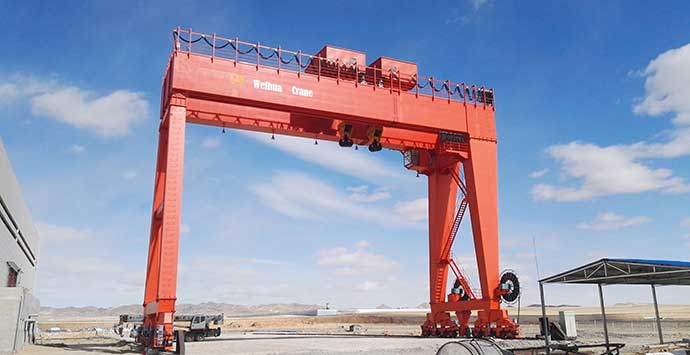
Außenportalkräne sind das Rückgrat des Materialtransports unter freiem Himmel, weit verbreitet in Häfen, Bauhöfe, Stahlfabriken, und Logistikterminals. Im Gegensatz zu Hebegeräten für den Innenbereich, Diese Krane arbeiten kontinuierlich unter vollständig exponierten Umgebungsbedingungen, Sie stehen vor unerbittlichen Herausforderungen durch den Wind, Regen, UV-Strahlung, Luftfeuchtigkeit, und Salzsprühnebel. In diesem Zusammenhang, Die Witterungsbeständigkeit von Außenportalkranen ist nicht länger eine optionale Aufrüstung, sondern ein zentraler Leistungsindikator, der die Betriebssicherheit bestimmt, Lebensdauer, und Gesamtrentabilität des Projekts.
Ein wetterfester Portalkran hält den rauen Natureinflüssen stand, wetterbedingte Ausfallzeiten minimieren, und senken Sie die langfristigen Wartungskosten. Im Gegensatz, Geräte ohne zuverlässige Witterungsbeständigkeit sind anfällig für Rost, strukturelle Verformung, elektrischer Fehler, und sogar Sicherheitsunfälle bei extremen Wetterbedingungen. In diesem Blog werden die wichtigsten Wetterbedrohungen für Outdoor-Portalkrane aufgeschlüsselt, wesentliche wetterbeständige Designmerkmale, und praktische Wartungsstrategien, die Benutzern helfen, den Wert ihrer Ausrüstung in komplexen Outdoor-Szenarien zu maximieren.
Arbeitsumgebungen im Freien bringen vielfältige und anhaltende wetterbedingte Schäden mit sich, die Tag für Tag die Kranleistung beeinträchtigen. Das Verständnis dieser Bedrohungen ist der erste Schritt zur Optimierung der Wetterbeständigkeit.
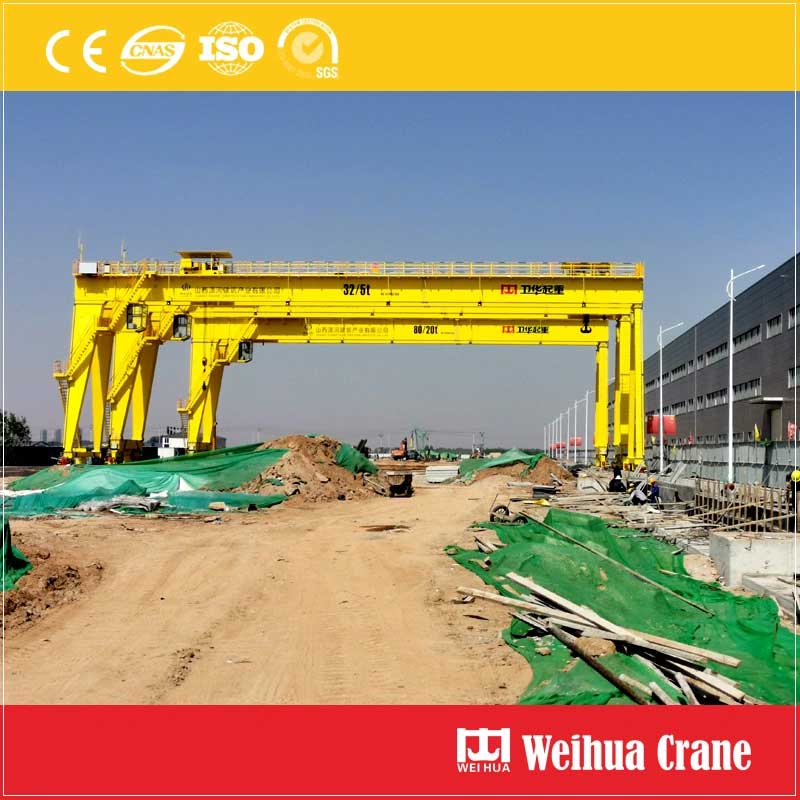
Wind ist die gefährlichste Naturgefahr für Außenportalkräne. Mit großspannigen Stahlkonstruktionen und hoher Bauhöhe, Portalkräne sind bei Böen oder Stürmen einem enormen seitlichen Winddruck ausgesetzt. Ohne wirksame windabweisende Konstruktionen, Bei der Ausrüstung kann es zu Spurabweichungen kommen, Entgleisung, struktureller Einfluss, oder sogar zum völligen Umkippen, Dies stellt eine tödliche Gefahr für das Personal und die Vermögenswerte vor Ort dar. Küsten- und Freilandbaustellen sind besonders anfällig für saisonale Taifune und starke Windböen.
Langfristige Einwirkung von Regen und hoher Luftfeuchtigkeit beschleunigt die Oxidation und Rostbildung von Stahlkonstruktionen. Schweißnähte, Bolzenverbindungen, und Kranbeine – Bereiche, in denen sich Feuchtigkeit ansammeln kann – sind die ersten, die unter Korrosion leiden. Für Einsatzorte an der Küste, Salznebel in der Luft verstärken die elektrochemische Korrosion, ungeschützte Stahloberflächen schnell beschädigen, mechanische Teile, und Metallbefestigungen, was die strukturelle Stabilität mit der Zeit schwächt.
Längere direkte Sonneneinstrahlung sorgt für intensive UV-Strahlung, wodurch Oberflächenschutzbeschichtungen allmählich altern und verblassen, Dies führt zum Abblättern und Auskreiden der Farbe. Extreme Temperaturschwankungen – große Hitze im Sommer und niedrige Temperaturen oder Frost im Winter – führen ebenfalls zu einer thermischen Ausdehnung und Kontraktion von Stahl- und Elektrobauteilen, beschleunigte Materialermüdung, Alterung der Dichtung, und Stromkreisausfall.
Die zuverlässige Witterungsbeständigkeit von Außenportalkranen beruht auf einem systematischen technischen Design, zur Strukturoptimierung, Oberflächenschutz, elektrische Abdichtung, und professionelle windbeständige Konfigurationen. Hochwertige Hersteller integrieren diese Funktionen, um Krane für den Einsatz im Freien bei jedem Wetter anzupassen.
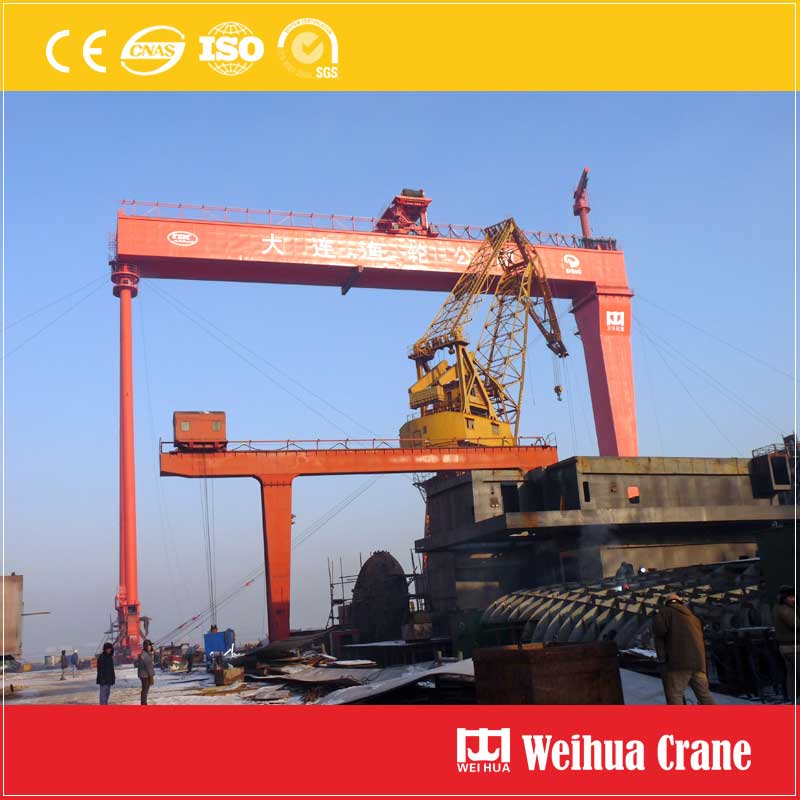
Das Oberflächenbeschichtungssystem ist die erste Verteidigungslinie gegen Witterungserosion. Standardmäßige wetterfeste Portalkräne verfügen über eine dreischichtige Schutzstruktur: Rostschutzgrundierung, Zwischenbeschichtung, und witterungsbeständiger Deckanstrich. Dieses Schichtsystem verbessert die Barriereleistung gegen Regen erheblich, Sauerstoff, und Industriestaub. Für raue Umgebungen wie Küstenhäfen und Chemiehöfe, Die Hersteller wenden auf wichtigen Komponenten eine Marinelackierung oder eine Feuerverzinkungsbehandlung an. Diese Behandlungen widerstehen Salzsprühkorrosion wirksam, verhindern Rostbildung auf Stahloberflächen, und die strukturelle Integrität über Jahrzehnte hinweg aufrechtzuerhalten. Wichtige gefährdete Teile, inklusive Schweißnähte, Kanten, und untere Kranbeine, erhalten eine erhöhte Beschichtungsdicke, um lokale Korrosionsschäden zu vermeiden.
Um starken Winden und Stürmen standzuhalten, Qualifizierte Outdoor-Portalkrane sind mit standardisierten windbeständigen Konfigurationen ausgestattet. Fachwerkträgerkonstruktionen werden häufig eingesetzt, um die Kontaktfläche des Windwiderstands zu verringern, Verbesserung der allgemeinen strukturellen Stabilität und Ermöglichung der Widerstandsfähigkeit gegen Level 10 starke Winde. In der Zwischenzeit, Unverzichtbares winddichtes Zubehör, einschließlich Schienenklemmen, Eisenkeile, Sturmschleusen, und Ankervorrichtungen installiert sind. Wenn extremes Wetter naht, Mit diesen Vorrichtungen können Bediener den Kran auf der Schiene fixieren, um ein Verrutschen oder Entgleisen zu verhindern. Einige fortgeschrittene Modelle sind auch mit automatischen Windgeschwindigkeitsüberwachungssystemen ausgestattet, die Echtzeitwarnungen ausgeben, wenn die Windgeschwindigkeit den sicheren Schwellenwert überschreitet, um den Betrieb vorzeitig zu stoppen.
Ein durch Wassereintritt und Feuchtigkeit verursachter Stromausfall ist einer der häufigsten wetterbedingten Fehler bei Außenkränen. Wetterbeständige Portalkräne verfügen über vollständig abgedichtete Schaltschränke, Wasserdichte Motorgehäuse, und isolierte Kabelschutzkonstruktionen. Alle elektrischen Komponenten erfüllen die hohen IP-Wetterschutzklassen, Regenwasser effektiv blockieren, Tau, und Staub, der in das Kreislaufsystem gelangt. Dies verhindert Kurzschlüsse, Motordurchbrennen, und Kontrollversagen bei Regen, nebelig, und feuchtes Wetter, Gewährleistung eines stabilen elektrischen Betriebs das ganze Jahr über.
Hochwertige wetterbeständige Kräne verwenden UV-beständige und alterungsbeständige Gummidichtungen, Kabel, und Pufferteile zur Anpassung an langfristige Sonneneinstrahlung und Temperaturschwankungen. Die Stahlkonstruktion besteht aus kältebeständigen Materialien für Baustellen in kalten Regionen, um Sprödbrüche bei frostigem Wetter zu vermeiden. Diese gezielten Materialverbesserungen verhindern Leistungseinbußen, die durch saisonale Temperaturschwankungen und Umweltalterung verursacht werden.
Ausgezeichnetes Fabrikdesign bildet eine solide Grundlage für Wetterbeständigkeit, Aber die tägliche wissenschaftliche Wartung ist der Schlüssel zur Aufrechterhaltung einer langfristig stabilen Leistung. Selbst hochwertige, wetterbeständige Kräne leiden unter Leistungseinbußen, wenn sie nicht regelmäßig gewartet werden.
Erste, Führen Sie eine regelmäßige Oberflächeninspektion und Beschichtungswartung durch. Auf abblätternde Farbe prüfen, Kreiden, und Rostflecken auf der Stahlkonstruktion des Krans jeden Monat, insbesondere an Schweißnähten und Kontaktteilen. Beschädigte Beschichtungen rechtzeitig reparieren und neu streichen, um eine Korrosionsausbreitung zu verhindern. Für Küstenkräne, Erhöhen Sie die Reinigungshäufigkeit, um oberflächliche Salzablagerungen zu entfernen.
Zweite, Überprüfen Sie windbeständige Geräte regelmäßig. Testen Sie die Flexibilität und Verriegelungswirkung von Schienenklemmen, Ankervorrichtungen, und Windkeile vor jeder Sturmsaison, um sicherzustellen, dass sie auch bei extremen Wetterbedingungen normal funktionieren. Halten Sie die Schienenoberfläche sauber und eben, um eine stabile Befestigung der windbeständigen Ausrüstung zu gewährleisten.
Dritte, Stärkung des Schutzes des elektrischen Systems. Überprüfen Sie regelmäßig die Dichtheit der Schaltschrankdichtungen und Kabelschnittstellen, Entfernen Sie innere Feuchtigkeit und Staub, und alternde Dichtungsstreifen rechtzeitig austauschen. In regnerischen und feuchten Jahreszeiten, Fügen Sie Entfeuchtungsmaßnahmen zu Schaltschränken hinzu, um Ausfälle aufgrund von Feuchtigkeit im Schaltkreis zu verhindern.
Endlich, ein standardisiertes Wetternotfallmanagement implementieren. Formulieren Sie einen vollständigen Wetterreaktionsplan: Stoppen Sie den Betrieb vorher, Stellen Sie den Kran auf dem dafür vorgesehenen Sturmparkplatz ab, und befestigen Sie alle windfesten Geräte bei starkem Wind, starker Regen, oder Taifune. Vermeiden Sie den Betrieb von Jalousien bei schlechtem Wetter, um Sicherheitsrisiken auszuschließen.
Viele Anwender konzentrieren sich beim Kauf von Portalkranen meist nur auf Tragfähigkeit und Spannweite, Ohne Berücksichtigung der Witterungsbeständigkeit. Tatsächlich, Die Witterungsbeständigkeit bestimmt direkt die Gesamtbetriebskosten der Ausrüstung. Witterungsbeständige Portalkräne für den Außenbereich zeichnen sich durch geringere Korrosionsausfallraten aus, weniger wetterbedingte Stillstände, und längere Lebensdauer, Dadurch wird der spätere Wartungsaufwand erheblich reduziert, Ersatz, und Ausfallverluste.
Für den langfristigen Außeneinsatz, Ein wetterfester Portalkran ist keine Kostenbelastung, sondern eine renditestarke Investition. Es gewährleistet einen kontinuierlichen und stabilen Betrieb der Hebearbeiten zu jeder Jahreszeit und bei allen Wetterbedingungen, maximiert die Produktivität am Arbeitsplatz, und vermeidet Sicherheitsunfälle und wirtschaftliche Verluste durch Wetterschäden.
Die Wetterbeständigkeit von Außenportalkranen ist eine umfassende Fähigkeit, die das strukturelle Design integriert, Materialauswahl, Oberflächenschutz, und tägliche Wartung. Angesichts komplexer und wechselhafter Außenwetterbedingungen, Nur Krane mit professionellem, wetterbeständigem Design und standardisierter Wartung können eine stabile Leistung aufrechterhalten, verlängern lebensdauer, und sorgen für die Betriebssicherheit.
Ganz gleich, ob Sie einen neuen Outdoor-Portalkran kaufen oder die Wartung bestehender Anlagen optimieren, Wenn Sie die Witterungsbeständigkeit als oberste Priorität betrachten, können Sie ein langlebigeres Gebäude bauen, sicherer, und effizienteres Hebesystem für den Außenbereich.
Wir schätzen Ihr Feedback! Bitte füllen Sie das folgende Formular aus, damit wir unsere Dienste auf Ihre spezifischen Anforderungen anpassen können.


Klicken Sie auf die Schaltfläche, um Produktinformationen und Angebote auf WhatsApp zu erhalten.
Holen Sie sich Zitat
Neueste Kommentare