Bezpečnostní provozní postupy pro mostové jeřáby
2025-12-12
Mostové jeřáby jsou nepostradatelnými pracanty ve výrobních závodech, staveniště, sklady, a logistických uzlů. Tyto výkonné stroje zjednodušují úkoly těžkého zvedání, zvýšit produktivitu, a umožňují pohyb břemen, který by jinak pro manuální práci nebyl možný. Však, jejich nesmírný výkon a složitost rovněž představují významná bezpečnostní rizika – od pádu nákladu a strukturálních poruch až po kolize a zranění obsluhy – pokud nejsou provozovány s přísným dodržováním bezpečnostních protokolů. V tomto blogu, rozebereme základní bezpečnostní provozní postupy pro mostové jeřáby, navržený k ochraně operátorů, přihlížející, zařízení, a cenný majetek.
Předprovozní kontrola: Položte základ pro bezpečnost

Před zapnutím a mostový jeřáb, o důkladné předprovozní kontrole nelze vyjednávat. Tento krok včas identifikuje potenciální nebezpečí, předcházet nehodám dříve, než k nim dojde. Zde je to, co musí operátoři zkontrolovat:
- 1. Vizuální a fyzické kontroly: Zkontrolujte konstrukci jeřábu, včetně mostu, vozík, vztyčit, a dráhové kolejnice, pro známky poškození (NAPŘ., praskliny, ohnuté součásti, nebo koroze). Zajistěte všechny upevňovací prvky, šrouby, a kolíky jsou bezpečné a nejsou uvolněné.
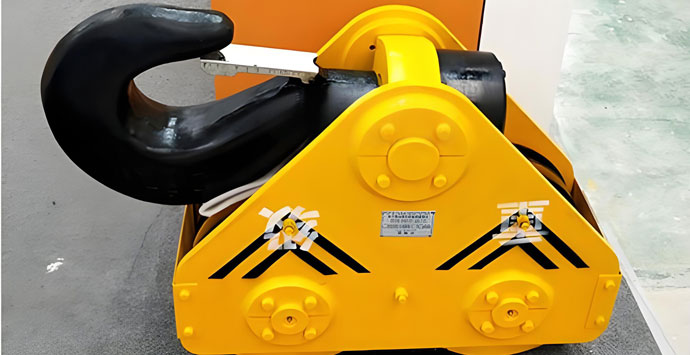
- 2. Nosné komponenty: Zkontrolujte, zda nejsou lana nebo řetězy opotřebené, třepení, zauzlení, nebo zlomené prameny. Zkontrolujte háky z hlediska deformace, praskliny, nebo nadměrné opotřebení – nikdy nepoužívejte hák s poškozenou západkou. Ověřte, zda jsou kladky a bubny v dobrém stavu, bez drážek nebo poškození, které by mohly ohrozit lano.
- 3. Mechanické a elektrické systémy: Otestujte brzdy jeřábu (jak zvedací, tak pojezdové brzdy) aby se zajistilo, že zapadnou hladce a bezpečně udrží náklad. Zkontrolujte těsnost hydraulických nebo pneumatických systémů. Zkontrolujte elektrické připojení, kabely, a ovládání (NAPŘ., přívěšek, vzdálený, nebo ovládání kabiny) za škodu, třepení, nebo poruchy. Ujistěte se, že tlačítka nouzového zastavení jsou funkční a snadno dostupná
- 4. Bezpečnostní zařízení: Ujistěte se, že jsou funkční všechny bezpečnostní prvky, včetně koncových spínačů přetížení (zabraňuje zvedání břemen nad nosnost jeřábu), antikolizní systémy (pro operace s více jeřáby), koncové spínače (zabránit přejetí vozíku nebo mostu), a výstražná zařízení (rohy, světla, nebo alarmy).
- 5. Hodnocení pracovní oblasti: Prohlédněte zvedací plochu a odstraňte překážky, jasné chodce, a označit bezpečnou zónu (v případě potřeby použijte zábrany nebo výstražnou pásku). Zkontrolujte nadzemní elektrické vedení – dodržujte minimální bezpečnou vzdálenost, jak to vyžadují místní předpisy (obvykle 10 stop nebo více pro vedení nízkého napětí). Ujistěte se, že je náklad vyvážený a řádně zajištěný pomocí závěsů nebo třmenů.
Během provozu: Dodržujte doporučené postupy pro bezpečné zvedání
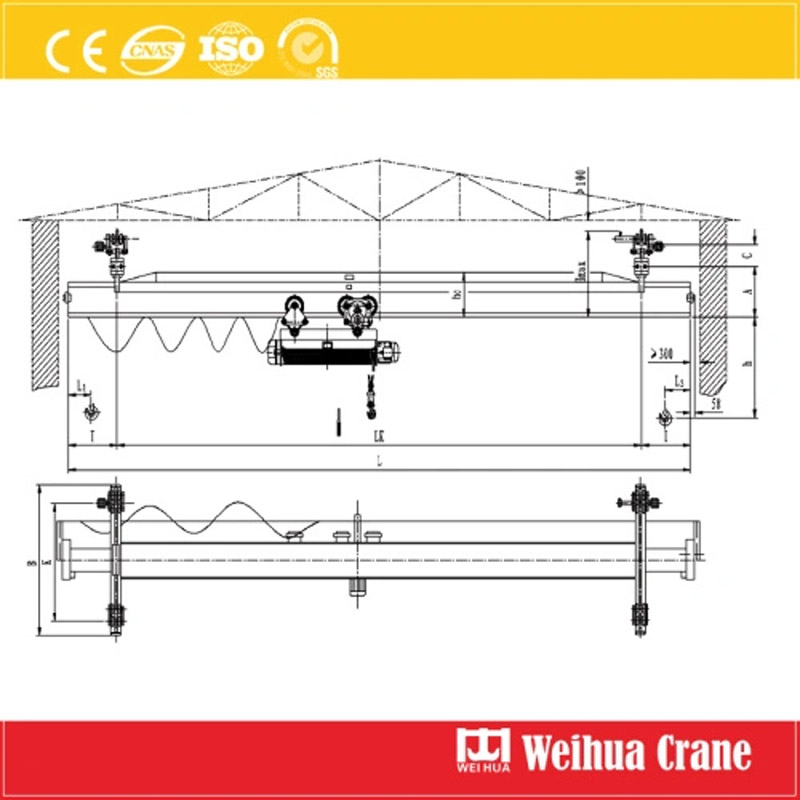
Jakmile je předoperační kontrola dokončena a pracovní plocha je zabezpečená, obsluha musí při používání jeřábu dodržovat tyto kritické postupy:
- 1. Kompetence operátora: Mostový jeřáb by měl obsluhovat pouze vyškolený a certifikovaný operátor. Nikdy nedovolte neoprávněným osobám používat ovládací prvky, a vyvarujte se rozptylování (NAPŘ., telefonní hovory, rozhovory) při obsluze jeřábu.
- 2. Hladké pohyby: Vyvarujte se náhlých startů, zastávky, nebo změny směru – ty mohou způsobit kývání nebo posun nákladu, zvýšení rizika nehod. Používejte postupně, kontrolované pohyby ke zvedání, spodní, a umístěte zátěž.
- 3. Manipulace s nákladem: Nikdy nepřekračujte jmenovitou nosnost jeřábu. Pokud není hmotnost nákladu známa, nejprve jej zvažte pomocí váhy. Během jízdy udržujte náklad co nejnižší, abyste minimalizovali houpání, a nikdy netahejte ani netahejte zaseknutý náklad – mohlo by dojít k přetížení jeřábu nebo poškození lana. Vyhněte se zvedání břemen nad lidmi, a nikdy nestůjte pod zavěšeným břemenem (i na chvíli).
- 4. Sdělení: Navažte jasnou komunikaci s pozorovateli nebo pozemním personálem pomocí standardních ručních signálů (NAPŘ., výtah, spodní, zastávka, houpačka) nebo obousměrné vysílačky. Zajistěte, aby všechny strany signálům rozuměly, abyste předešli špatné komunikaci. Pokud je špatná viditelnost (NAPŘ., kvůli prachu, tma, nebo překážky), k vedení operace použijte spotter.
- 5. Monitorovací zařízení: Průběžně sledujte výkon jeřábu během provozu. Pokud zaznamenáte neobvyklé zvuky (NAPŘ., broušení, pištění), vibrací, nebo poruchy (NAPŘ., selhávají brzdy, ovládání nereaguje), operaci okamžitě zastavte, bezpečně spusťte náklad (pokud možno), a vypněte napájení. Před obnovením používání nahlaste problém nadřízenému.
- 6. Úvahy o počasí: Vyhněte se provozu jeřábu v extrémních povětrnostních podmínkách (NAPŘ., silný vítr, silný déšť, blesk) pokud není jeřáb navržen pro taková prostředí a nejsou zavedena správná bezpečnostní opatření. Silný vítr může způsobit nekontrolovatelné houpání nákladu, zatímco blesk představuje elektrické nebezpečí
Po operaci: Zajistěte kontrolu jeřábu a dokumentů
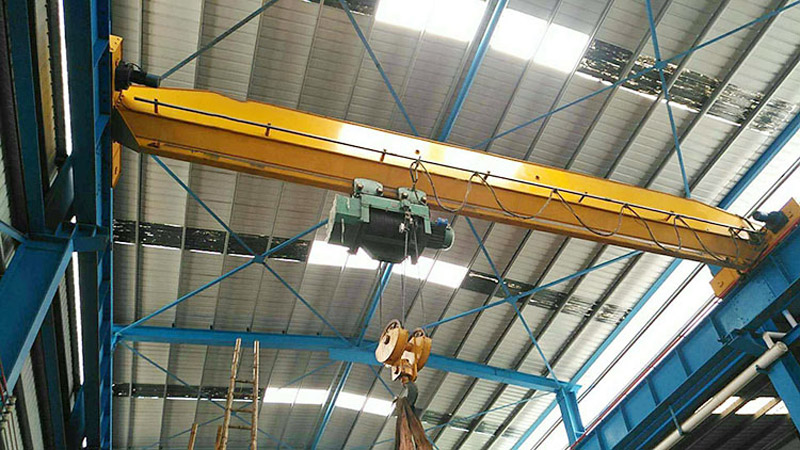
Po dokončení úkolu zvedání, obsluha musí postupovat podle těchto kroků, aby zajistila, že je jeřáb bezpečně zajištěn a připraven k dalšímu použití:
- 1. Zaparkujte jeřáb správně: Přesuňte jeřáb na vyhrazené parkoviště, daleko od pracovních zón a pěší dopravy. Spusťte zvedací hák do nejnižší polohy (nebo podle firemních zásad) a aktivujte brzdy. Vypněte napájení jeřábu a uzamkněte ovládací panel, abyste zabránili neoprávněnému použití.
- 2. Zajistěte nákladový prostor: Odstraňte závěsy, pouta, nebo jiné zvedací příslušenství a uložte je na určené místo. Vyčistěte pracovní plochu, abyste odstranili nečistoty nebo překážky.
- 3. Kontroly a problémy dokumentů: Zaznamenejte výsledky kontroly před provozem, jakékoli problémy, které se vyskytly během provozu, a potřeby údržby v deníku jeřábu. Tato dokumentace pomáhá sledovat stav jeřábu v průběhu času, identifikovat opakující se problémy, a zajistit dodržování bezpečnostních předpisů
- 4. Hlásit incidenty: Kdyby nehoda, téměř minout, nebo během provozu dojde k poruše zařízení, okamžitě to nahlásit nadřízenému. Uveďte podrobnosti, jako je datum, čas, umístění, povahu incidentu, a případná zranění nebo škody. Proveďte analýzu hlavních příčin, abyste předešli podobným incidentům v budoucnu.
Pravidelná údržba: Prodlužte životnost zařízení a zajistěte bezpečnost

Kromě předprovozních a pooperačních kontrol, pravidelná údržba je zásadní pro zachování bezpečnosti a spolehlivosti mostových jeřábů. Zaměstnavatelé by měli stanovit plán preventivní údržby na základě doporučení výrobce a místních předpisů. Mezi klíčové úkoly údržby patří:
- 1. Mazání: Pravidelně mažte pohyblivé části (NAPŘ., ložiska, ozubená kola, snopy) ke snížení tření a opotřebení.
- 2. Údržba lan/řetězů: Vyměňte opotřebované, roztřepený, nebo okamžitě poškodí ocelová lana nebo řetězy. Zkontrolujte správné napnutí a vyrovnání lan
- 3. Kontroly brzdového a řídicího systému: Test brzd, motory, a pravidelně kontrolovat systémy, aby bylo zajištěno jejich správné fungování. Podle potřeby upravte nebo vyměňte součásti.
- 4. Konstrukční prohlídky: Provádějte roční nebo pololetní strukturální kontroly (kvalifikovaným odborníkem) pro kontrolu prasklin, koroze, nebo únava v rámu jeřábu, most, a dráha.
- 5. Kalibrace: Pravidelně kalibrujte koncové spínače přetížení a další bezpečnostní zařízení, abyste zajistili přesnost
Závěr: Bezpečnost je kolektivní odpovědnost
Bezpečná obsluha mostového jeřábu vyžaduje více než jen dodržování postupů – vyžaduje kulturu bezpečnosti tam, kde operátoři, dohlížitelé, a zaměstnavatelé spolupracují na upřednostňování zmírňování rizik. Prováděním důkladných předprovozních kontrol, dodržovat bezpečné postupy zvedání, provádění pooperačních kontrol, a investice do pravidelné údržby, můžete výrazně snížit riziko nehod a vytvořit bezpečnější pracoviště pro všechny.
Pamatujte, pokud jde o bezpečnost mostového jeřábu, není prostor pro zkratky. Každý krok procesu – od kontroly přes provoz až po údržbu – hraje zásadní roli při ochraně životů a majetku. Tím, že zůstanete ve střehu, dodržování osvědčených postupů, a průběžné školení operátorů, můžete zajistit, aby vaše mostové jeřáby fungovaly bezpečně a efektivně po mnoho let.




Nejnovější komentáře