
قائمة التنقل

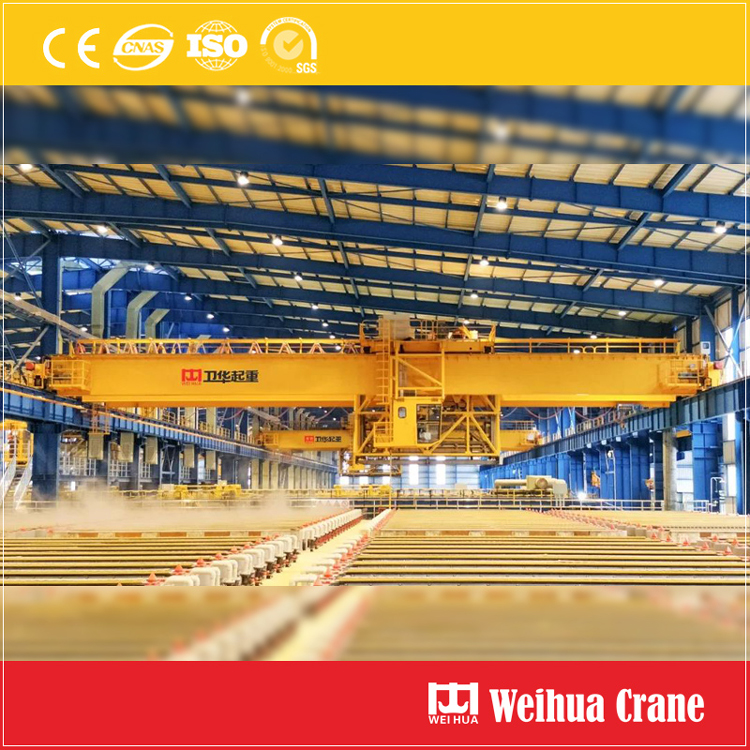
معيار ISO للرافعات العلوية
الرافعات العلوية هم العاملين في مصانع التصنيع, المستودعات, الموانئ, ومواقع البناء, رفع ونقل الأحمال الثقيلة بدقة وكفاءة. ولكن مع القوة الكبيرة تأتي مسؤولية كبيرة، وهي ضمان عمل هذه الآلات بأمان, بشكل موثوق, وباستمرار عبر الأسواق العالمية. وهنا يأتي دور معيار ISO للرافعات العلوية. تم تطويره من قبل المنظمة الدولية للمعايير (ISO), تضع هذه المعايير مبادئ توجيهية موحدة للتصميم, تصنيع, اختبار, تقتيش, وتشغيل الرافعات العلوية, أفراد الحماية, حماية الأصول, وتسهيل التجارة الدولية. في هذه المدونة, سنقوم بتفصيل معايير ISO الرئيسية للرافعات العلوية, متطلباتهم الأساسية, وسبب أهميتها للشركات في جميع أنحاء العالم.
على عكس مستند واحد "مقاس واحد يناسب الجميع"., يتكون معيار ISO للرافعات العلوية من سلسلة من المعايير المتخصصة, يركز كل منها على جانب مهم من تصميم الرافعة, أداء, والسلامة. تم تطوير هذه المعايير وصيانتها من قبل اللجنة الفنية ISO (ح) 96, التي تشرف على الرافعات ومعدات الرفع, مع اللجنة الفرعية (SC) 9 مخصصة خصيصا للجسر و رافعات الرافعات- الفئة التي تشمل الرافعات المتحركة العلوية. يضمن هذا الإطار أن كل مكون وعملية تتعلق بالرافعات العلوية تتوافق مع المعايير الصارمة, المعايير المعترف بها دوليا.
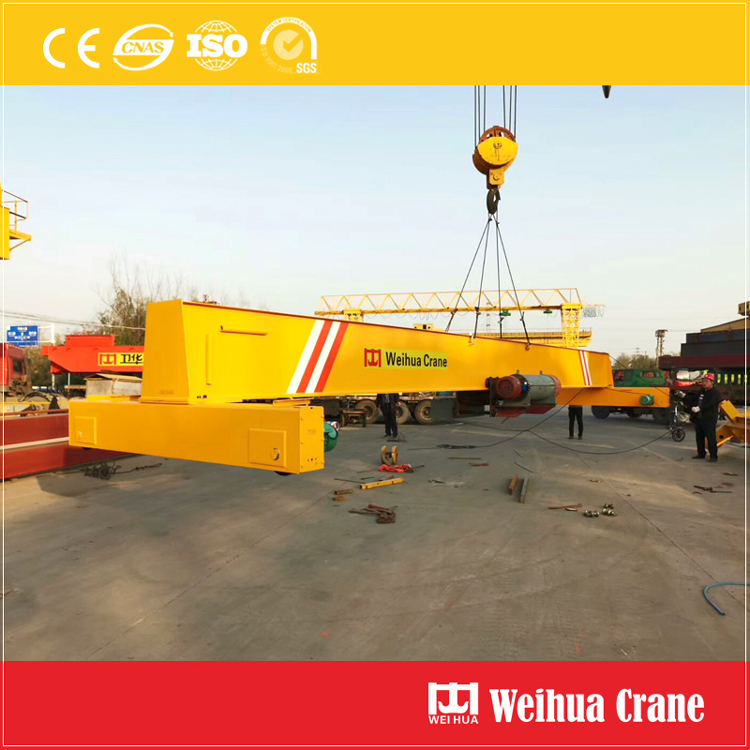
معيار ISO للرافعات العلوية
في حين أن هناك العديد من معايير ISO التي تنطبق على الرافعات العلوية, تشكل العديد من الوثائق الأساسية أساس الامتثال. وفيما يلي أهمها, جنبا إلى جنب مع تركيزهم والتحديثات:
يعتبر هذا المعيار حجر الزاوية في تصميم الرافعات العلوية, لأنه يحدد كيفية تطبيق مبادئ الجمع بين التحميل العام والتحميل (المبينة في ISO 8686-1) خصيصًا للرافعات العلوية ورافعات جسر البوابة (كما هو محدد في ISO 4306-1). الآن في نسخته الثانية, لقد حل محل 1992 الإصدار مع المراجعات الفنية لمواكبة التقدم في الصناعة والمعايير المرجعية المحدثة - بما في ذلك ISO 12488-1:2012 (التحمل للعجلات والمسارات) و ISO 20332:2016 (إثبات الكفاءة للهياكل الفولاذية). الإضافة الرئيسية هي طريقة حساب الأحمال الناتجة عن الانحراف في الرافعات الجسرية والجسرية ذات الخصائص الصلبة أو المرنة, معالجة المخاوف الشائعة المتعلقة بالسلامة في تشغيل الرافعة. تمت مراجعة هذا المعيار وتأكيده آخر مرة في 2022, التأكد من أنها تظل حديثة لتصميمات الرافعات الحديثة.
تعتبر السلامة أمرًا بالغ الأهمية في تشغيل الرافعة العلوية, و ISO 10245-1:2021 يحدد المتطلبات العامة لتحديد وإشارة الأجهزة التي تتحكم في الأحمال, حركات, أداء, والعوامل البيئية. تعمل هذه الأجهزة - مثل محددات الحمل ومؤشرات الحركة - على تقييد العمليات غير الآمنة وتوفير معلومات مهمة للمشغلين. حل معيار الإصدار الثالث هذا محل ISO 10245-1:2008 وينطبق على نطاق واسع على الرافعات, مع المتطلبات المحددة للرافعات العلوية المفصلة في أجزاء أخرى من ISO 10245 مسلسل (بما في ذلك ISO 10245-5, الذي هو حاليا قيد التطوير). إنه يضمن موثوقية أجهزة السلامة, ثابت, ومصممة خصيصًا لتلبية المتطلبات الفريدة لتشغيل الرافعة العلوية.
يعد التواصل الواضح بين المشترين والمصنعين أمرًا ضروريًا لضمان تلبية الرافعات العلوية للاحتياجات التشغيلية ومتطلبات الامتثال. ISO 9374-5:2021 تحدد المعلومات التي يجب على المشترين تقديمها عند الاستفسار عن أو طلب رافعة علوية أو رافعة جسرية, بالإضافة إلى التفاصيل التي يجب على الشركات المصنعة تضمينها في وثائق المناقصات والتوريد. حل معيار الإصدار الثاني هذا محل 1991 الإصدار ويبسط عملية الشراء, الحد من سوء الفهم والتأكد من أن جميع المواصفات المهمة - بدءًا من سعة الحمولة وحتى ميزات السلامة - محددة بوضوح. وينطبق هذا على كل من الرافعات الجديدة والتحديثية, مما يجعلها أداة قيمة للشركات في كل مرحلة من مراحل دورة حياة الرافعة.
ما وراء المعايير الأساسية المذكورة أعلاه, العديد من وثائق ISO الأخرى تكمل معيار ISO للرافعات العلوية, تغطي المجالات المتخصصة:
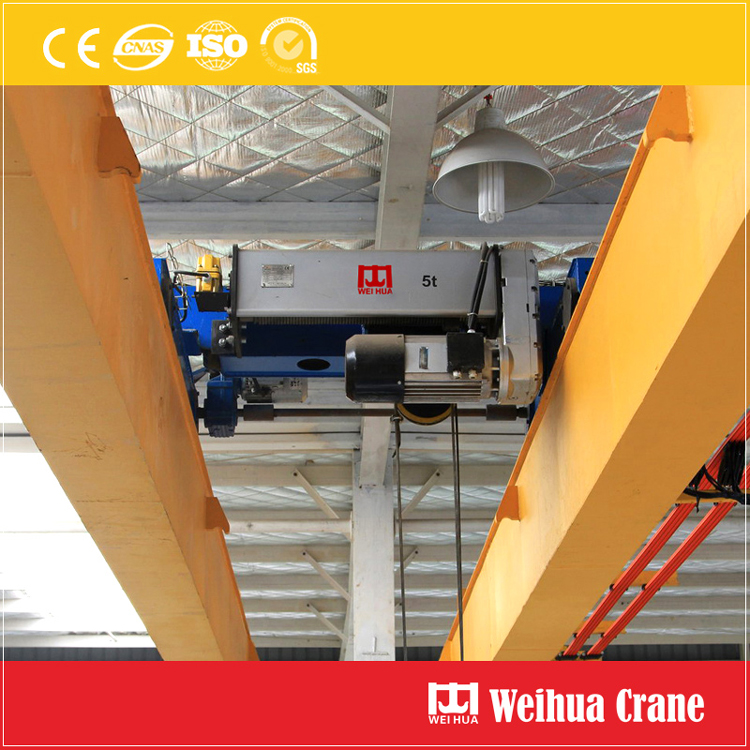
معيار ISO للرافعات العلوية ذات الرافعة الكهربائية
إن الالتزام بمعايير ISO للرافعات العلوية ليس مجرد تمرين تنظيمي، بل إنه يوفر فوائد ملموسة للشركات, مشغلي, وأصحاب المصلحة:
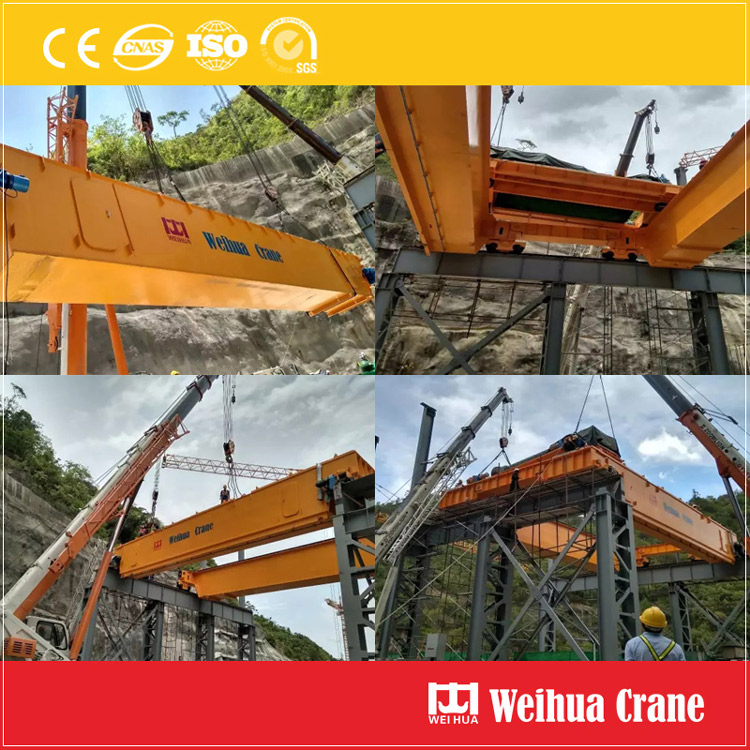
معيار ISO للرافعات العلوية
للشركات التي تتطلع إلى الالتزام بمعيار ISO للرافعات العلوية, وهنا بعض النصائح العملية:
يعد معيار ISO للرافعات العلوية إطارًا شاملاً يضمن سلامة هذه الآلات الأساسية, موثوق, ومتسقة عبر الأسواق العالمية. من مبادئ التصميم (ISO 8686-5:2017) إلى أجهزة السلامة (ISO 10245-1:2021) والمبادئ التوجيهية للشراء (ISO 9374-5:2021), تغطي هذه المعايير كل الجوانب المهمة لتشغيل الرافعة العلوية. إن الامتثال لا يحمي الأفراد والأصول فحسب، بل يعزز التجارة العالمية أيضًا, يقلل من التكاليف, ويبني الثقة في عملياتك.
سواء كنت الشركة المصنعة, المشتري, أو المشغل, يعد فهم معيار ISO الخاص بالرافعات العلوية والالتزام به بمثابة استثمار في السلامة, جودة, والنجاح على المدى الطويل. من خلال البقاء على اطلاع بأحدث المراجعات والتركيز على المعايير الأكثر أهمية لشركتك, يمكنك التأكد من أن الرافعات العلوية الخاصة بك تلبي أعلى المعايير الدولية.
نحن نقدر ملاحظاتك! يرجى إكمال النموذج أدناه حتى نتمكن من تخصيص خدماتنا حسب احتياجاتك المحددة.


أحدث التعليقات