
قائمة التنقل

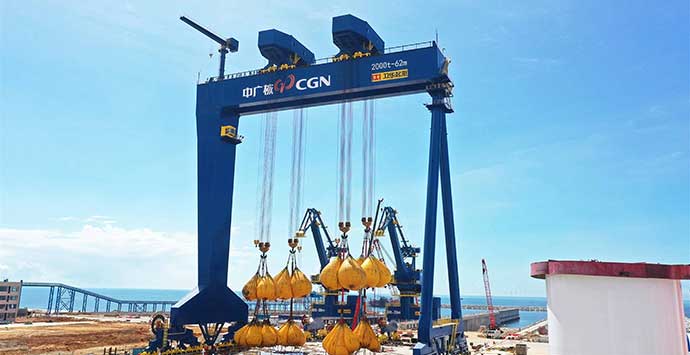
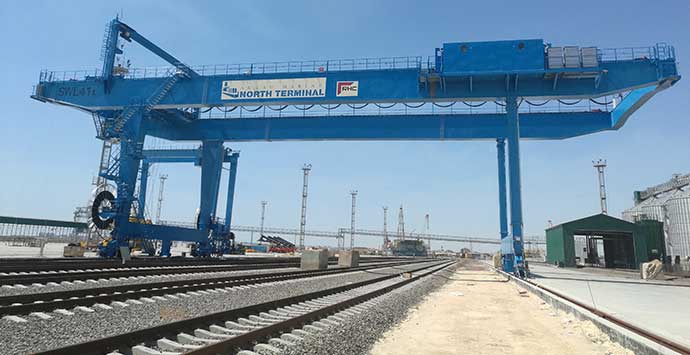
أ رافعة البوابة (تُعرف أيضًا باسم الرافعة الجيبية لبوابة الميناء) مثبت على السكك الحديدية, رافعة ذراعية دوارة بدائرة كاملة مصممة حصريًا لعمليات الموانئ والواجهة البحرية. ويتميز بقاعدة بوابة بارزة (إطار بوابة بأربعة أرجل) التي تمتد على خطوط السكك الحديدية الشاطئية أو ممرات الشاحنات, السماح لمركبات النقل البري بالمرور مباشرة أسفل الرافعة دون عائق.
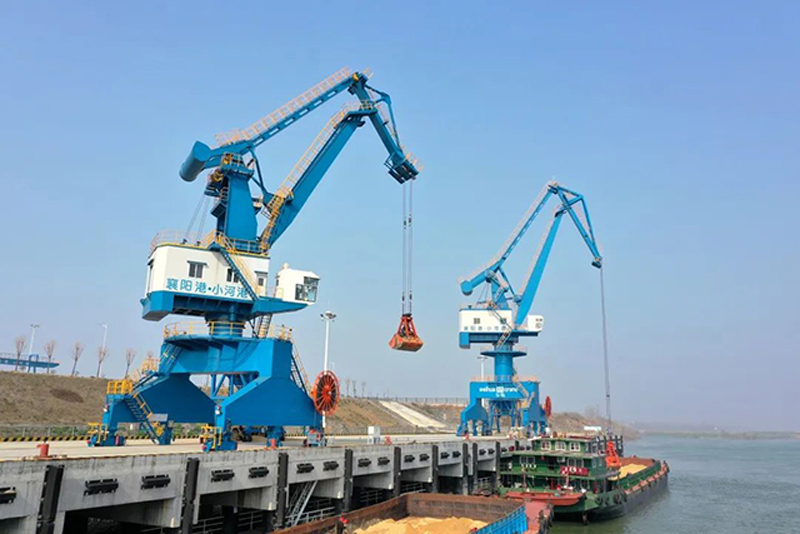
تختلف عن الرافعات الجسرية (والتي تتحرك أفقيا بعارضة مستقيمة) والرافعات الجسرية للحاويات, الميزة الأكثر شيوعًا للرافعة البوابة هي آلية الجيب الدورانية. هيكل الرفع العلوي يمكن أن يدور 360 درجات بحرية, مطابقة احتياجات التحميل والتفريغ للسفن الراسية. وهي تستخدم أساسا لرفع البضائع السائبة, البقالة العامة, والحاويات الصغيرة بين السفن والمحطات الساحلية, وهي الرافعة الأكثر كلاسيكية والأكثر استخدامًا في الموانئ الداخلية والساحلية.
ينقسم الهيكل الكامل لرافعة البوابة إلى آلية سفر بوابة سفلية وآلية رفع دوارة علوية. يقوم كل مكون أساسي بعمل مستقل وتعاوني لضمان التعامل الفعال والآمن مع البضائع:
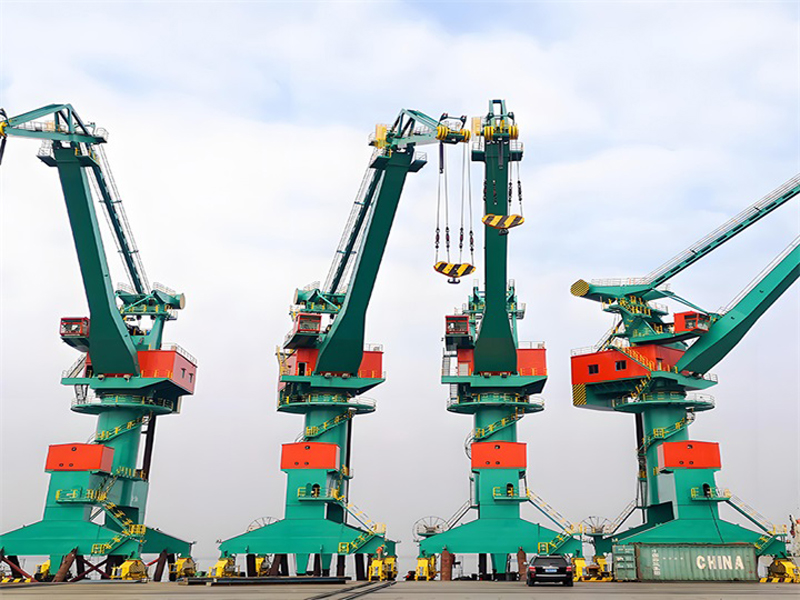
تعتمد رافعات البوابة على ثلاثة إجراءات تعاونية أساسية لإكمال تحميل وتفريغ البضائع على شاطئ السفينة, مع تدفق عمل ناضج وفعال للغاية. أولاً, حسب موقع رسو السفينة وتوزيع البضائع, تنتقل الرافعة على طول قضبان الرصيف لتأمين وضع العمل الأمثل. ثانية, تدور المنصة العلوية ويتحرك الذراع لضبط نصف قطر العمل, تهدف خطاف الرفع إلى البضائع المستهدفة على متن السفينة.
أخيراً, نظام الرفع يرفع الحمولة بثبات, وتتعاون الهياكل الدوارة والمنخفضة لنقل البضائع من سطح السفينة إلى مركبة النقل الشاطئية, أو إكمال أعمال التحميل العكسي. الجمع بين المشي, تناوب, يتيح الرفع والرفع للرافعة البوابة تغطية مناطق العمل على شكل مروحة ومستطيلة على طول الرصيف, التكيف تمامًا مع التوزيع غير المنتظم للبضائع للسفن الراسية.
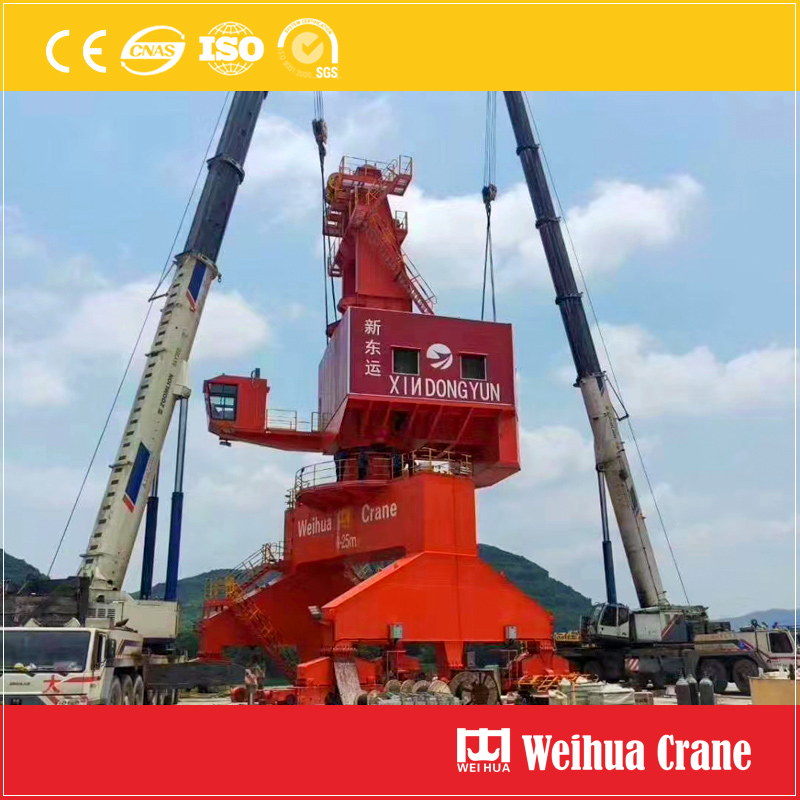
يتم تصنيف رافعات البوابة بشكل أساسي حسب الشكل الهيكلي وأداء العمل, والأنواع السائدة في السوق هي كما يلي:
1. رافعات البوابة الثابتة
يتم تثبيت هذا النوع من الرافعات على أساس الرصيف بدون وظيفة السفر. لديها هيكل بسيط, منخفضة التكلفة وأداء مستقر, ومناسبة للمحطات الثابتة الصغيرة, أرصفة شحن فردية وأرصفة للمياه الضحلة في الأنهار الداخلية مع نطاقات عمل ثابتة.
2. رافعات البوابة المتنقلة المثبتة على السكك الحديدية
الرافعة البوابة القياسية الأكثر استخدامًا على نطاق واسع. يمكنها التحرك بحرية على طول قضبان الرصيف, مع نطاق عمل كبير قابل للتعديل ومرونة قوية. إنها مناسبة للموانئ المتوسطة والكبيرة التي تحتوي على رسو السفن المتكرر وأنواع البضائع المتنوعة, ويمكن التعامل مع البضائع السائبة, البقالة وبضائع الحاويات الخفيفة بكفاءة.
3. ذراع واحدة & رافعات البوابة ذات الجيب المزدوج
تتميز رافعات البوابة ذات الجيب الواحد بخفة الوزن والمرونة, مناسبة لمناولة البضائع ذات الحمولة الصغيرة. تتميز الموديلات ذات الذراع المزدوج بكفاءة رفع أعلى وقدرة تحميل أكبر, والتي يمكنها تحقيق التشغيل البديل للخطافات المزدوجة, وتستخدم في الغالب للموانئ الساحلية الكبيرة ذات الإنتاجية العالية للبضائع.
كمعدات رفع خاصة بالميناء, يتم استهداف رافعات البوابة بشكل كبير في سيناريوهات التطبيق, التركيز على عمليات المناولة على الواجهة البحرية للسفن على الشاطئ:
س 1: ما هو الفرق الأكبر بين الرافعة البوابية والرافعة الجسرية؟?
A1: هذه هي النقطة الأكثر إرباكًا لمعظم الناس. رافعات البوابة عبارة عن رافعات ذراعية دوارة للتعامل مع السفن والميناء, مع وظائف دوارة ولوفينغ 360 درجة, خصيصا لبضائع السفن قفص الاتهام. الرافعات الجسرية هي رافعات متحركة خطية ذات شعاع مستقيم, تستخدم أساسا لورش عمل المصنع, تكديس الفناء ومناولة البضائع الداخلية, بدون وظيفة دوران واسعة النطاق. مبادئ عملهم, الهياكل وسيناريوهات التطبيق مختلفة تمامًا.
Q2: ما هي حمولة الرفع المعتادة لرافعة البوابة؟?
A2: تتمتع رافعات البوابة التقليدية للاستخدام العام في الميناء بقدرة رفع تبلغ 5 طن ل 50 طن, الذي يلبي احتياجات المناولة لمعظم البضائع السائبة والبقالة. يمكن أن تصل النماذج المخصصة ذات الحمولة الكبيرة لعمليات الموانئ الثقيلة إلى 80-100 طن, تستخدم للمعدات الثقيلة للغاية والتعامل مع المكونات الفولاذية الكبيرة.
س 3: هل يمكن استخدام رافعات البوابة في الداخل؟?
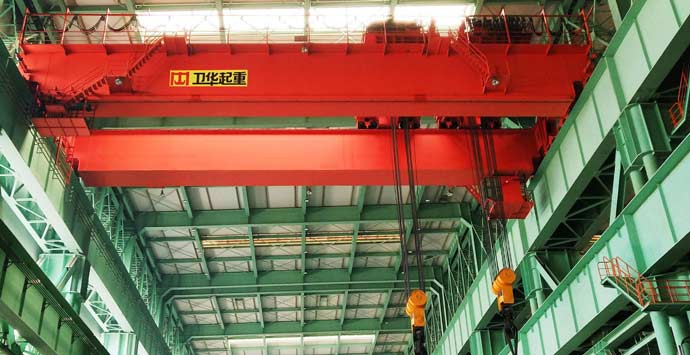
A3: نادرًا. رافعات البوابة عبارة عن معدات موانئ احترافية خارجية واسعة النطاق ذات جسم طويل, نطاق عمل دوار كبير وتصميم هيكلي مقاوم للرياح والتآكل, وهو مصمم بالكامل لبيئات الرصيف في الهواء الطلق. تستخدم ورش العمل الداخلية في الغالب الرافعات العلوية والرافعات الجسرية الصغيرة بدلاً من الرافعات البوابية.
س 4: ما هي قيود العمل الرئيسية لرافعات البوابة?
A4: تعتبر رافعات البوابة مناسبة فقط لسيناريوهات رسو السفن على الواجهة البحرية ولا يمكن استخدامها لتكديس الساحات الداخلية الكبيرة. فضلاً عن ذلك, يحتاجون إلى التوقف عن العمل في الظروف الجوية القاسية مثل الرياح القوية فوق المستوى 6, الأمطار الغزيرة والأعاصير لمنع إمالة المعدات وحوادث سقوط البضائع.
س 5: كيفية صيانة رافعة البوابة بانتظام?
A5: تشمل الصيانة اليومية فحص مدى إحكام الأسلاك الفولاذية, مرونة آليات الدوران واللف, وحساسية أجهزة حد الأمان. مطلوب معالجة منتظمة ضد التآكل للهيكل الفولاذي لمقاومة التآكل بمياه البحر. يجب إجراء الفحص والتشحيم الشامل الاحترافي لأجزاء ناقل الحركة كل 6 أشهر لضمان التشغيل المستقر.
س6: لماذا لا تزال رافعات البوابة تستخدم على نطاق واسع على الرغم من رافعات الحاويات؟?
أ6: رافعات الحاويات مناسبة فقط لمناولة الحاويات القياسية, بينما تتمتع رافعات البوابة بتعدد استخدامات أقوى. يمكنهم التعامل مع البضائع السائبة, بقالة, الصلب والسلع ذات الأشكال الخاصة التي لا تستطيع رافعات الحاويات التكيف معها, وهي المعدات الأساسية الأساسية لموانئ الشحن المختلطة ومحطات الأنهار الداخلية.
باعتبارها آلات ميناء المهنية والكلاسيكية, تحتل رافعات البوابة مكانة لا يمكن الاستغناء عنها في مناولة البضائع على الواجهة البحرية. إن هيكلها الدوار الفريد من نوعه وطريقة العمل المتوافقة مع شاطئ السفينة يجعلها المعدات المفضلة لنقل البضائع السائبة والعامة في مختلف الموانئ حول العالم. يمكن أن يساعدنا فهم خصائصه الهيكلية وسيناريوهات التطبيق في التعرف بشكل أفضل على منطق التشغيل الفعال لأنظمة لوجستيات الموانئ الحديثة.
نحن نقدر ملاحظاتك! يرجى إكمال النموذج أدناه حتى نتمكن من تخصيص خدماتنا حسب احتياجاتك المحددة.


أحدث التعليقات