
قائمة التنقل

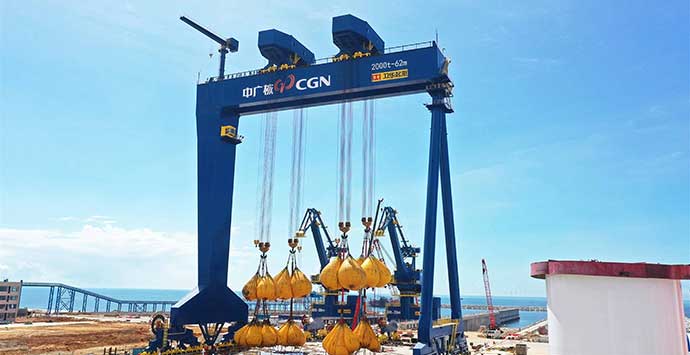
يعد إجراء اختبار حمل الرافعة الجسرية الصارمة هو الطريقة الأكثر موثوقية للتحقق من السلامة الهيكلية, الأداء الميكانيكي, والسلامة التشغيلية الشاملة. تتماشى مع معايير الصناعة الرئيسية بما في ذلك OSHA 1910.179 وANSI B30.2, يضمن اختبار الحمل المنتظم أن تعمل الرافعة الجسرية الخاصة بك ضمن القدرات المقدرة, يفي بالمتطلبات التنظيمية, ويحمي العمال والأصول. في هذه المدونة, نقوم بتفكيك عملية اختبار الحمل الكامل, بما في ذلك الاستعدادات السابقة للاختبار, بروتوكولات الاختبار خطوة بخطوة, قواعد السلامة, ووثائق ما بعد الاختبار.
اختبار حمل الرافعة الجسرية هو عملية فحص موحدة تتحقق من إمكانية رفع الرافعة بأمان, يمسك, ونقل الأحمال المحددة دون حدوث أعطال هيكلية أو أخطاء ميكانيكية. ويغطي ثلاثة أنواع من الاختبارات الأساسية: اختبار عدم التحميل, اختبار الحمل الثابت, واختبار الحمل الديناميكي, ويستهدف كل منها مقاييس أداء تشغيلية مختلفة.
إن اختبار الحمل ليس مجرد إجراء شكلي روتيني، بل هو ممارسة إلزامية للامتثال والسلامة. وهو مطلوب في السيناريوهات الحرجة: تركيب رافعة جديدة, الإصلاحات الميكانيكية الكبرى أو استبدال المكونات, فترات الخمول طويلة الأمد, عمليات التفتيش الإلزامية السنوية, وبعد أي حادث قد يؤدي إلى تلف هيكل الرافعة أو آلياتها.
تشمل الفوائد الرئيسية لاختبار الحمل الصارم القضاء على العيوب الهيكلية المخفية, التحقق من موثوقية نظام الفرامل والرفع, ضمان الامتثال التنظيمي الكامل, تمديد عمر خدمة الرافعة, ومنع حوادث الرفع المميتة في مكان العمل. عادةً ما يتطلب اختبار الحمل الدليلي المتوافق مع معايير الصناعة الرفع 125% من قدرة الرافعة المقدرة للتحقق الثابت, المعيار العالمي لشهادة السلامة التشغيلية.
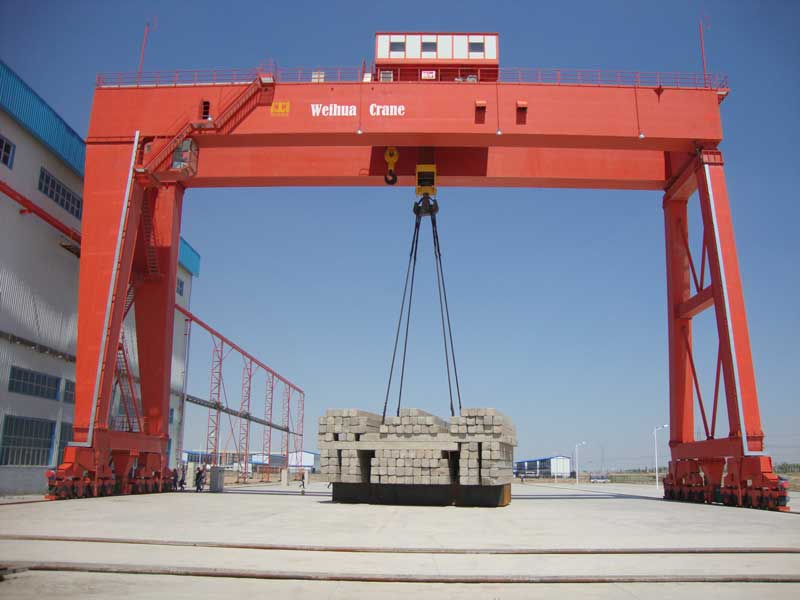
يؤدي تخطي عمليات التفتيش قبل الاختبار إلى نتائج اختبار غير دقيقة ومخاطر السلامة غير الضرورية. قبل البدء في أي اختبار التحميل, أكمل الاستعدادات الشاملة التالية لضمان سلاسة, عملية اختبار صالحة:
عزل منطقة تشغيل الرافعة بالكامل بحواجز تحذيرية ولافتات واضحة لمنع الأفراد غير المصرح لهم من دخول منطقة الاختبار. قم بإزالة جميع العوائق الموجودة على مدرج الرافعة ومسار العمل لضمان حركة كاملة النطاق دون عائق. قم بإعداد معدات الطوارئ بما في ذلك مجموعات الإسعافات الأولية وأدوات الاستجابة للسلامة, وتأكيد بروتوكولات الطوارئ في الموقع في حالة حدوث عطل ميكانيكي أو انزلاق الأحمال.
إجراء فحص بصري كامل للمكونات الأساسية للرافعة. تحقق من العوارض العملاقة, أرجل الدعم, ومسامير اتصال للشقوق, تشوه, أو السحابات فضفاضة. فحص الحبال السلكية للتآكل, تآكل, أو تآكل غير طبيعي, والتحقق من اللف المناسب على الطبول والبكرات. اختبار وظيفة فرامل الرفع, أنظمة السفر بالعربة, وعجلات المدرج لضمان التشغيل السلس. جميع الأنظمة الكهربائية, محولات الحد, ويجب أن تكون أجهزة التوقف في حالات الطوارئ تعمل بكامل طاقتها قبل الاختبار.
استخدام المعتمدة فقط, أوزان اختبارية معايرة أو خلايا تحميل بشهادات معايرة صالحة لضمان قياس الحمل الدقيق. جميع معدات التجهيز (slings, قيود, السنانير) يجب أن يتم تصنيفها على الأقل 125% من حمل الاختبار لتجنب تزوير الفشل. المؤهلين فقط, يُسمح لمشغلي الرافعات المعتمدين والمفتشين المحترفين بإجراء اختبارات الحمل والإشراف عليها; يمنع منعا باتا الموظفين غير المدربين من المشاركة.
يتبع اختبار تحميل الرافعة الجسرية الكامل ترتيبًا تسلسليًا صارمًا: اختبار عدم التحميل → اختبار الحمل الثابت → اختبار الحمل الديناميكي. تتجنب عملية الاختبار التدريجية هذه تأثير التحميل الزائد المفاجئ وتعكس بدقة ظروف العمل في العالم الحقيقي.
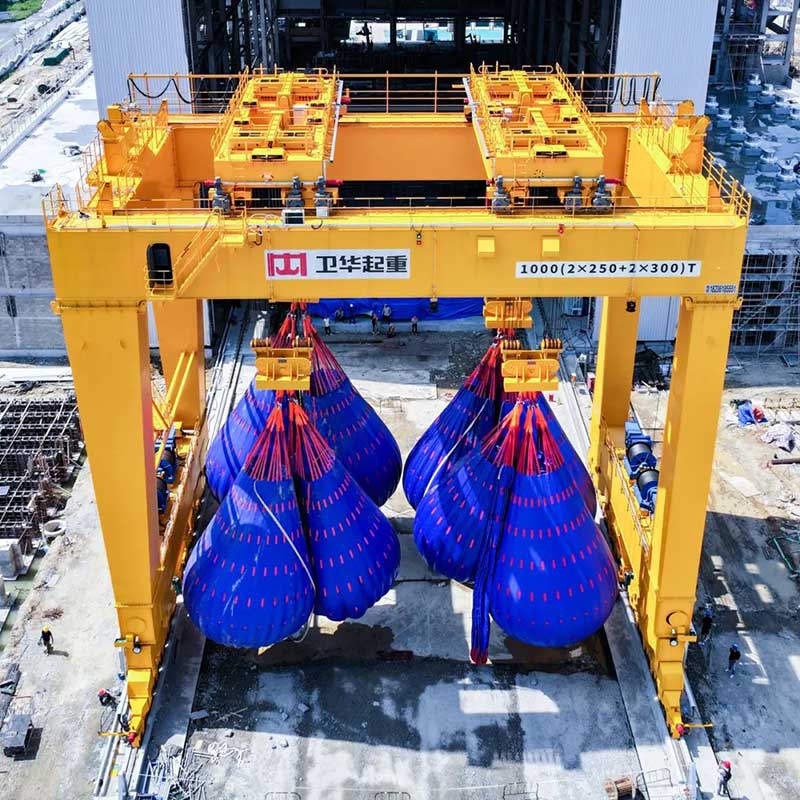
اختبار عدم التحميل هو أساس جميع الاختبارات اللاحقة, مصممة للتحقق من الوظائف الميكانيكية والكهربائية الأساسية للرافعة دون تطبيق أي حمل. ابدأ تشغيل نظام طاقة الرافعة وقم بتشغيل الرافعة, عربة, وآليات السفر العملاقة من خلال نطاق حركتها الكامل. تشغيل إلى الأمام, يعكس, وإيقاف العمليات بشكل متكرر للتحقق من عدم الاستقرار, ضجيج غير طبيعي, أو تأخر الرد.
اختبار جميع أجهزة السلامة بدقة: مفاتيح حد السفر العلوي والسفلي, أزرار التوقف في حالات الطوارئ, وأنظمة الحماية من التحميل الزائد. تأكد من تشغيل جميع آليات السلامة بدقة وموثوقية. لا تمر الرافعة بهذه المرحلة إلا إذا كانت جميع مكوناتها تعمل بسلاسة دون أي أعطال أو ظروف غير طبيعية.
يعد اختبار الحمل الثابت هو الخطوة الأكثر أهمية للتحقق من قدرة التحمل الهيكلية للرافعة, وفقًا لمتطلبات معايير ANSI وOSHA. قبل الرفع, سجل بيانات انحراف خط الأساس في منتصف فترة العوارض العملاقة للمقارنة بعد الاختبار.
قم بزيادة حمل الاختبار تدريجيًا على مراحل (25% → 50% → 70% → 100% → 125% من الحمل المقنن) لتجنب التأثير الهيكلي المفاجئ. بعد الوصول إلى المعيار 125% الزائد, ارفع حمل الاختبار ببطء إلى 12-18 بوصة فوق سطح الأرض وأمسك الحمل بثبات لمدة 10 دقائق.
خلال فترة الحجز, فحص مستمر للمؤشرات الرئيسية: لا يوجد تشوه هيكلي مرئي, تشققات, أو ارتخاء المفاصل; لا يوجد انجراف للحمل بسبب فشل الفرامل; توتر حبل سلكي مستقر دون انزلاق; ولا يوجد اهتزاز أو ضوضاء غير طبيعية. بعد خفض الحمولة تماما, إعادة قياس انحراف العارضة. يشير التشوه الدائم إلى فشل الاختبار, بينما يؤكد الاسترداد المرن الكامل الاستقرار الهيكلي.
يختلف عن الاختبار الثابت, يتحقق اختبار الحمل الديناميكي من أداء الرافعة في ظل ظروف العمل الحقيقية المحاكاة مع الأحمال المتحركة. حمل الاختبار القياسي هو 110% من القدرة المقدرة.
ارفع 110% اختبار الحمل خارج الأرض, ثم إجراء عمليات مشتركة مستمرة: رفع وخفض الرافعة, عربة سفر كاملة المدى, وحركة المدرج العملاقة الكاملة. كرر هذه الحركات المركبة عدة مرات لمحاكاة سيناريوهات التشغيل اليومية. التركيز على مراقبة استجابة الفرامل, استقرار النظام, وتنسيق المكونات الميكانيكية أثناء الحركة الديناميكية.
تجتاز الرافعة الاختبار الديناميكي إذا كانت جميع الحركات سلسة, تعمل أجهزة السلامة بشكل طبيعي, لا تحدث أي انحشار ميكانيكي, ولا تظهر أي علامات على تلف هيكلي أو مكون أثناء عملية الاختبار بأكملها.
يتضمن اختبار الحمل مخاطر عالية للحمل الزائد, لذلك يجب تطبيق بروتوكولات السلامة الصارمة طوال العملية برمتها:
يعد التحقق الكامل من صحة ما بعد الاختبار والوثائق الموحدة أمرًا ضروريًا للحصول على شهادة الامتثال ومرجع الصيانة المستقبلية. بعد الانتهاء من جميع مراحل الاختبار, إجراء إعادة فحص شاملة لجميع مكونات الرافعة. التحقق من التشوه الهيكلي, تخفيف الترباس, تلف حبل السلك, وتآكل الفرامل. تأكد من إعادة ضبط جميع أجهزة السلامة على حالة العمل العادية.
التالي, تنظيم سجلات الاختبار التفصيلية, بما في ذلك تاريخ الاختبار, نموذج الرافعة والقدرة المقدرة, وزن حمل الاختبار, الظروف البيئية, بيانات الاختبار في الوقت الحقيقي, سجلات قياس الانحراف, ومذكرات التفتيش في الموقع. يجب أن يتم التوقيع على جميع نتائج الاختبار وتأكيدها من قبل المشغلين والمفتشين المعتمدين.
إذا اجتازت الرافعة جميع الاختبارات, إصدار شهادة اختبار حمل رسمية وتحديث الملصق التشغيلي للرافعة بمعلومات السعة والشهادة الصحيحة. إذا تم العثور على عيوب أو فشل, وضع علامة على الرافعة على أنها خارج الخدمة على الفور, استكمال الإصلاحات المستهدفة, وأعد إجراء اختبار الحمل الكامل قبل استئناف التشغيل. تتطلب معظم لوائح السلامة الإقليمية تقديم تقارير الاختبار والاحتفاظ بها لمدة خمس سنوات على الأقل لأغراض تدقيق الامتثال.
يعد إجراء اختبار حمل الرافعة الجسرية الموحد حجر الزاوية للسلامة في مكان العمل, موثوقية المعدات, والامتثال التنظيمي. بدءًا من إعداد موقع الاختبار مسبقًا واختبار الحمل المرحلي وحتى التحكم الصارم في السلامة والتوثيق الكامل, تؤثر كل خطوة بشكل مباشر على الخدمة الآمنة للرافعة الجسرية الخاصة بك وحماية العاملين في الموقع.
قد يؤدي تخطي اختبارات الحمل أو تبسيطها إلى توفير الوقت والتكاليف على المدى القصير، ولكنه سيؤدي إلى مخاطر خفية كبيرة تتمثل في فشل المعدات وحوادث السلامة. من خلال اتباع معايير OSHA وANSI لإجراء العمل بشكل منتظم, اختبارات الحمل الصارمة, يمكنك تعظيم عمر خدمة الرافعة, تقليل المخاطر التشغيلية, وبناء آمنة, بيئة تشغيل الرفع المتوافقة.
س 1: كم مرة يجب أن تخضع الرافعة الجسرية لاختبار الحمل؟?
A1: يعد اختبار الحمل الروتيني السنوي إلزاميًا لمعظم الرافعات الجسرية الصناعية. يلزم إجراء اختبارات إضافية بعد التثبيت الجديد, إصلاحات كبيرة, عمليات إيقاف طويلة المدى, أو أي تأثير أو حادث قد يؤدي إلى تلف هياكل الرافعة.
Q2: ما هو الفرق بين اختبارات الحمل الساكنة والديناميكية?
A2: استخدام اختبارات الحمل الثابت 125% الحمل المقدر مع وقت تثبيت ثابت للتحقق من قدرة التحمل الهيكلية. استخدام اختبارات الحمل الديناميكي 110% الحمل المقدر مع عمليات الحركة المستمرة للتحقق من التنسيق الميكانيكي والاستقرار التشغيلي في ظل ظروف العمل.
س 3: هل يمكن للموظفين غير المعتمدين إجراء اختبارات تحميل الرافعة?
A3: لا. يجب إكمال اختبار الحمل والإشراف عليه من قبل مفتشي ومشغلي الرافعات المعتمدين بشكل احترافي لضمان دقة الاختبار والسلامة التشغيلية, بما يتماشى مع المتطلبات التنظيمية OSHA.
نحن نقدر ملاحظاتك! يرجى إكمال النموذج أدناه حتى نتمكن من تخصيص خدماتنا حسب احتياجاتك المحددة.




أحدث التعليقات