الرافعات العلوية هي أدوات عمل في البيئات الصناعية, رفع ونقل الأحمال الثقيلة بدقة. لكن, مثل أي الآلات الثقيلة, أنها تتطلب التفتيش المنتظم لضمان السلامة, منع الأعطال, وإطالة عمر الخدمة. يمكن أن يؤدي خطأ واحد أثناء التفتيش إلى وقوع حوادث كارثية, التوقف المكلف, أو تلف المعدات القيمة. في هذه المدونة, سنوجهك عبر دليل خطوة بخطوة حول كيفية فحص أحد رافعة علوية بشكل فعال.
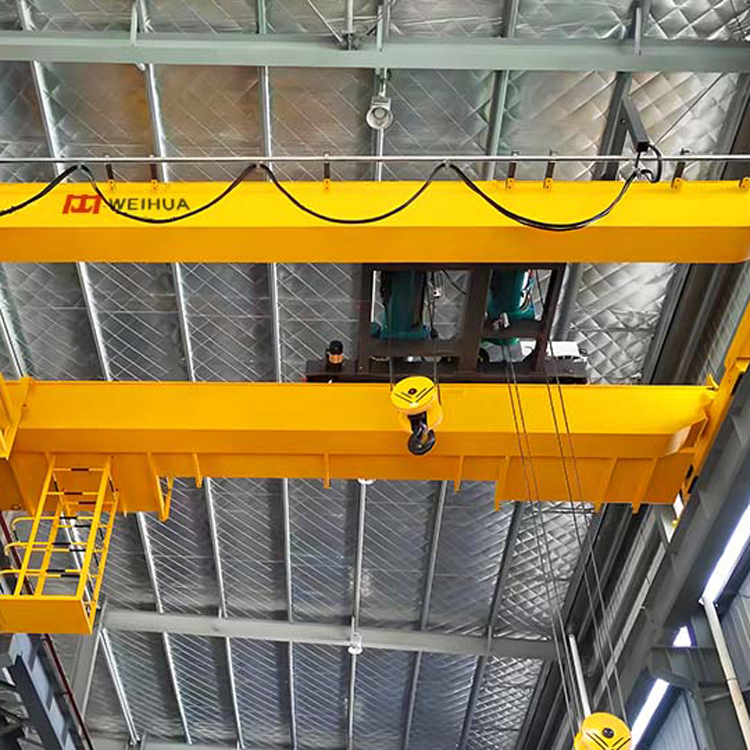
التحضير المسبق للتفتيش
قبل البدء بالتفتيش, من الضروري الاستعداد بشكل كافٍ لضمان أن العملية آمنة وشاملة.
- 1. السلامة أولا: قم بتأمين المنطقة المحيطة بالرافعة باستخدام العلامات التحذيرية والحواجز لمنع الوصول غير المصرح به. ارتداء معدات الحماية الشخصية المناسبة (معدات الوقاية الشخصية), بما في ذلك قبعة صلبة, نظارات السلامة, أحذية ذات مقدمة فولاذية, والملابس عالية الوضوح. تأكد من إيقاف تشغيل الرافعة وإغلاقها/وضع علامة عليها (قلب) لتجنب التنشيط العرضي أثناء التفتيش.
- 2. جمع الأدوات والوثائق: جمع الأدوات اللازمة مثل مصباح يدوي, measuring tape, وجع عزم الدوران, قائمة التفتيش, ودليل تشغيل وصيانة الرافعة. راجع تاريخ صيانة الرافعة وتقارير الفحص السابقة لتحديد أي مشكلات متكررة.
قائمة التفتيش اليومية
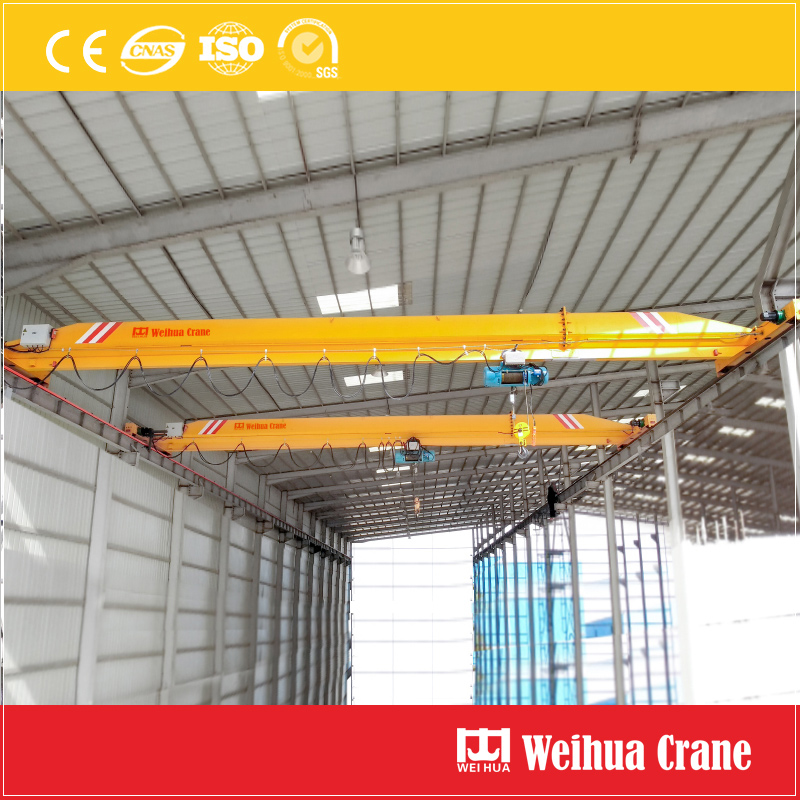
عمليات الفحص اليومية هي عمليات فحص سريعة يتم إجراؤها قبل تشغيل الرافعة كل يوم. أنها تركز على المكونات المرئية والوظائف الأساسية.
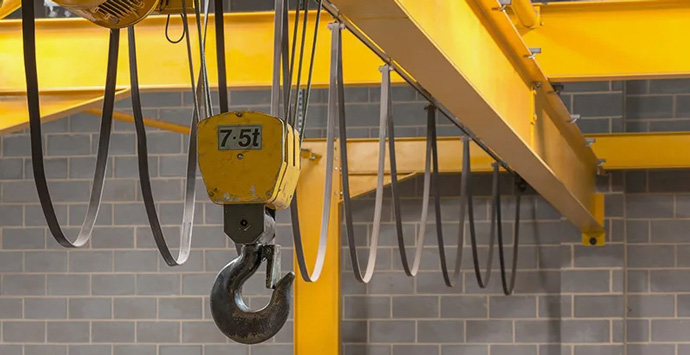
- 1. ملحقات الخطاف والرفع: افحص الخطاف بحثًا عن الشقوق, يرتدي, أو تشوه. تحقق من مزلاج هوك الرافعة للتأكد من إغلاقه بشكل صحيح وآمن. فحص الرافعات, السلاسل, أو كابلات للاهتراء, مكامن الخلل, تآكل, أو التآكل المفرط. تأكد من أن جميع ملحقات الرفع مصنفة للحمل المقصود.
- 2. الضوابط: اختبر جميع أدوات التحكم في القلادة أو الكابينة, بما في ذلك الرفع لأعلى/لأسفل, عربة يسار/يمين, والجسر للأمام/للخلف. تأكد من استجابة الضوابط, ولا توجد ضوضاء أو تأخيرات غير عادية في التشغيل. تأكد من أن أزرار التوقف في حالات الطوارئ تعمل بشكل صحيح.
- 3. الشيكات البصرية: ابحث عن أي مسامير فضفاضة, المكسرات, أو السحابات على هيكل الرافعة, عربة, أو رافعة. فحص القضبان المدرج بحثا عن الحطام, ضرر, أو اختلال. تحقق من عدم وجود تسرب للزيت من الرافعة أو محركات العربة.
الفحص الدوري (شهرية / ربع سنوية / سنوية)
عمليات التفتيش الدورية أكثر تفصيلاً ويتم إجراؤها على فترات أطول (شهريا, ربع سنوي, or annually, اعتمادا على الاستخدام واللوائح). إنها تتطلب نظرة فاحصة على المكونات المهمة وقد تتضمن اختبارات وقياسات.
عمليات التفتيش الشهرية / الربع سنوية
- 1. نظام الرافعة: فحص محرك الرافعة لارتفاع درجة الحرارة, unusual noises, أو الاهتزاز. تحقق من نظام الفرامل للتأكد من أنه يحمل الحمولة بشكل آمن عند التوقف. افحص علبة التروس لمعرفة مستوى الزيت وجودته. افحص الأسطوانة بحثًا عن الشقوق, يرتدي, أو تلف أخاديد الكابل.
- 2. العربة والجسر: تحقق من تآكل عجلات العربة, تشققات, أو اختلال. فحص آليات قيادة العربة والجسر, بما في ذلك التروس, محامل, وصلات, للتزييت والأداء المناسب. تأكد من أن توقفات نهاية الجسر في حالة جيدة وتعمل على النحو المنشود.
عمليات التفتيش السنوية
- 1. المكونات الهيكلية: قم بفحص جسر الرافعة بدقة, عاجر, ونهاية الشاحنات للشقوق, تآكل, أو تشوه. تحقق من اللحامات بحثًا عن علامات التعب أو الفشل. قم بقياس انحراف الجسر تحت حمل الاختبار للتأكد من مطابقته لمواصفات التصميم.
- 2. النظام الكهربائي: فحص جميع التوصيلات الكهربائية, الأسلاك, والكابلات للاهتراء, تآكل, أو اتصالات فضفاضة. اختبار مفاتيح الحد (رفع الحد العلوي/السفلي, حدود السفر بالعربة والجسر) للتأكد من إيقاف الرافعة عند تفعيلها. تحقق من مصدر الطاقة والجهد للتأكد من أنه ضمن النطاق الموصى به.
- 3. تحميل اختبار: قم بإجراء اختبار الحمل مع الحمل المقدر والحمل الزائد (إذا سمحت بذلك اللوائح) للتحقق من قدرة الرفع واستقرار الرافعة. راقب أداء الرافعة أثناء الاختبار بحثًا عن أي سلوك غير عادي.
إرشادات تكرار التفتيش
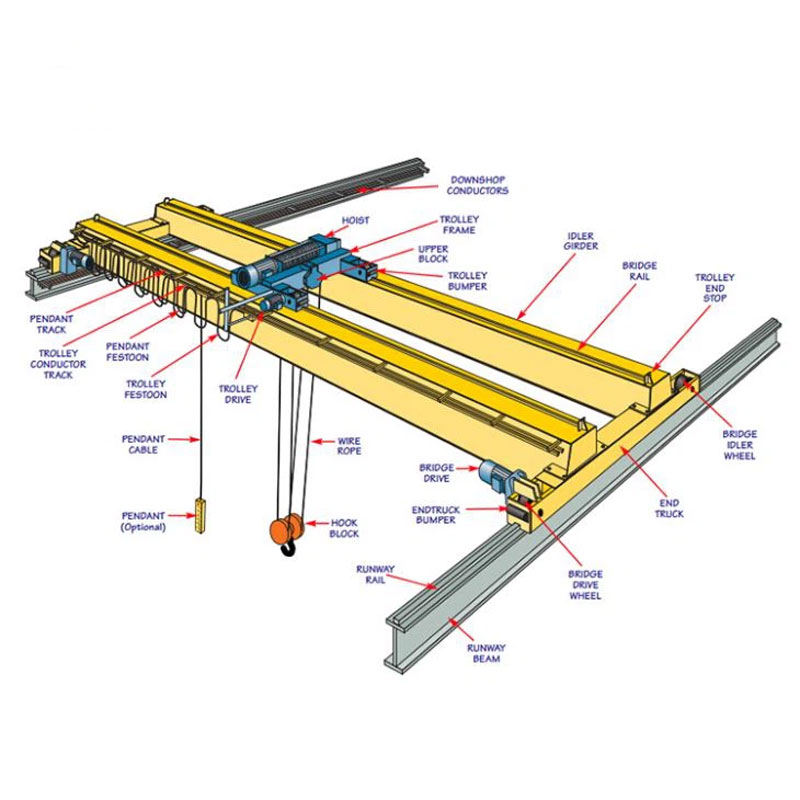
يعتمد تكرار عمليات التفتيش على عدة عوامل, بما في ذلك استخدام الرافعة (عدد ساعات العمل يوميا), البيئة (صارِم, تآكل, أو مغبرة), ولوائح السلامة المحلية (مثل OSHA في الولايات المتحدة أو LOLER في المملكة المتحدة). فيما يلي إرشادات عامة:
- 1. يوميًا: قبل كل نوبة (فحوصات بصرية ووظيفية سريعة).
- 2. شهرية / ربع سنوية: للرافعات تستخدم بانتظام (فحوصات مفصلة للمكونات الهامة).
- 3. سنوي: التفتيش الشامل, بما في ذلك اختبار الحمل (المطلوبة من قبل معظم اللوائح).
- 4. بعد الإصلاحات الكبرى أو الحوادث: افحص الرافعة جيدًا قبل إعادتها إلى الخدمة.
إجراءات ما بعد التفتيش
بعد الانتهاء من الفحص, اتخذ الإجراءات التالية للتأكد من أن الرافعة آمنة للتشغيل:
- 1. نتائج الوثيقة: تسجيل كافة نتائج التفتيش, بما في ذلك أي عيوب أو مشاكل تم العثور عليها, في تقرير التفتيش التفصيلي. لاحظ التاريخ, اسم المفتش, وأي إجراءات تصحيحية تم اتخاذها.
- 2. معالجة العيوب على الفور: إذا تم العثور على أي عيوب خطيرة (مثل الشقوق في الخطاف أو المكونات الهيكلية), إخراج الرافعة من الخدمة على الفور. حدد موعدًا للإصلاحات مع الفنيين المؤهلين وأعد فحص الرافعة بعد اكتمال الإصلاحات.
- 3. الحفاظ على السجلات: احتفظ بجميع تقارير الفحص وسجلات الصيانة في ملف للرجوع إليها مستقبلاً وللامتثال للمتطلبات التنظيمية.
يتذكر, لا يعد الفحص المنتظم مجرد متطلب تنظيمي - بل هو خطوة حاسمة لضمان سلامة القوى العاملة لديك وكفاءة عملياتك. باتباع هذا الدليل, يمكنك الحفاظ على الرافعة العلوية الخاصة بك في أفضل حالة وتقليل مخاطر وقوع الحوادث.

شارك مع PDF: تحميل





أحدث التعليقات