
قائمة التنقل

عندما نفكر في الرافعات, غالبًا ما تستحضر عقولنا صورًا لهياكل فولاذية شاهقة مقابل أفق المدينة. ولكن العمود الفقري الحقيقي, النقطة الحرجة حيث يلتقي الطموح بالتنفيذ, غالبًا ما يتم تجاهله: خطاف الرافعة المتواضع. تتمتع هذه القطعة المتواضعة من المعدن المطروق بتاريخ غني وثقيل مثل الأحمال التي تتحملها. تطورها هو قصة رائعة لعلم المواد, براعة هندسية, والسعي الحثيث إلى الأمان.
هذه الرحلة من المخالب البسيطة إلى المتطورة, تعتبر أجهزة مراقبة الأحمال بمثابة شهادة على الابتكار البشري. دعونا نتتبع تاريخ تطور خطاف الرافعة.
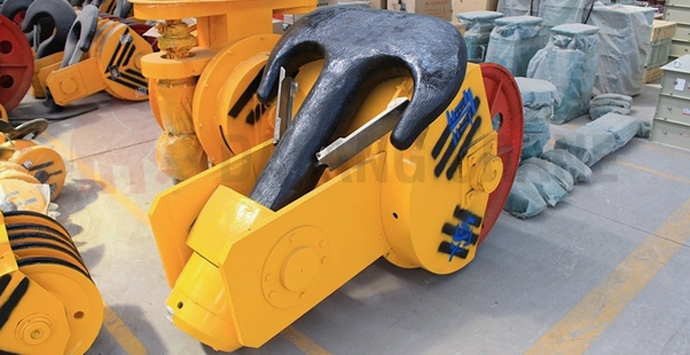
تبدأ قصة خطاف الرافعة مع سابقتها القديمة: الحبل. قبل السنانير المخصصة, كانت الأحمال مقيدة أو متدلية ببساطة. من المحتمل أن تكون "الخطافات" الأقدم عبارة عن أشكال طبيعية - فروع أو قرون حيوانات - تستخدم لتأمين الحبال وإنشاء نقطة أفضل للرفع.
مع اختراع البكرة على يد أرشميدس وغيره من المهندسين القدماء, نمت الحاجة إلى نقطة ارتباط مخصصة. استخدم اليونانيون والرومان الرافعات في البناء, باستخدام مخالب معدنية أو قضبان منحنية بسيطة. وكانت هذه الخام بمعايير اليوم, غالبًا ما تكون مصنوعة من الحديد المطاوع وتكون عرضة للانحناء أو القطع تحت ضغط غير متوقع. كان شكلها بسيطًا على شكل حرف "C" أو "J".,"التركيز على المنفعة بدلاً من القوة المحسنة.
حفز القرنان الثامن عشر والتاسع عشر أهم التغييرات. متطلبات بناء السكك الحديدية, الجسور, وكانت السفن الضخمة تتطلب رافعات لرفع الأحمال الثقيلة إلى ارتفاعات أكبر. شهدت هذه الفترة تقدمين رئيسيين:
كان هنري روس من بوفالو شخصية محورية في هذا العصر, نيويورك. في أواخر ستينيات القرن التاسع عشر, حصل على براءة اختراع لتصميم قطعة واحدة, هوك الصلب مزورة. وأكد تصميمه على نحو سلس, منحنى مستمر من النقطة إلى الساق, القضاء على الزوايا الحادة حيث يمكن أن يتركز التوتر ويسبب الفشل. "خطاف راسموسن" (نوع شائع اليوم) هو سليل مباشر لهذه الفلسفة.
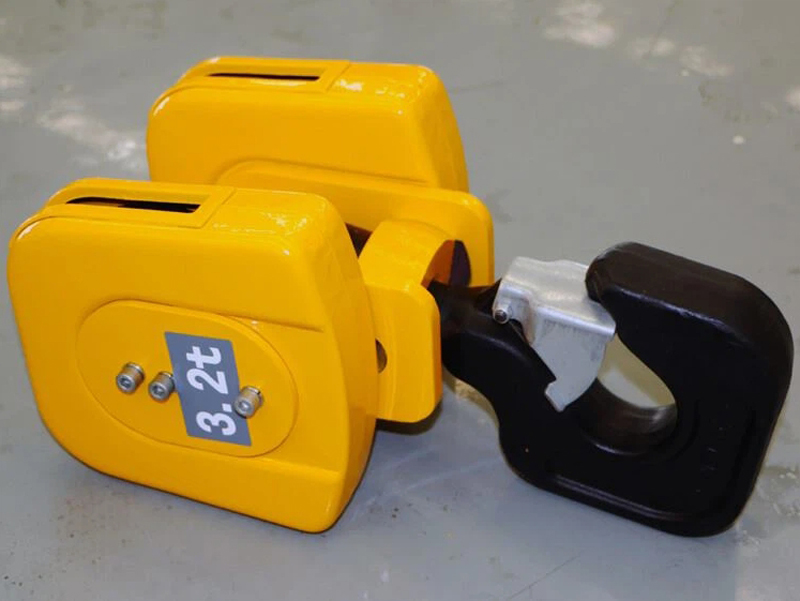
مع تقدم العلوم الهندسية, وكذلك فعل تصميم الخطاف. مقدمة تحليل العناصر المحدودة (الهيئة الاتحادية للبيئة) والفهم الأعمق لمنحنيات الإجهاد والانفعال المادي سمح للمهندسين بوضع نموذج والتنبؤ بكيفية تصرف الخطاف تحت الحمل.
أدى هذا إلى تصميمات أكثر دقة:
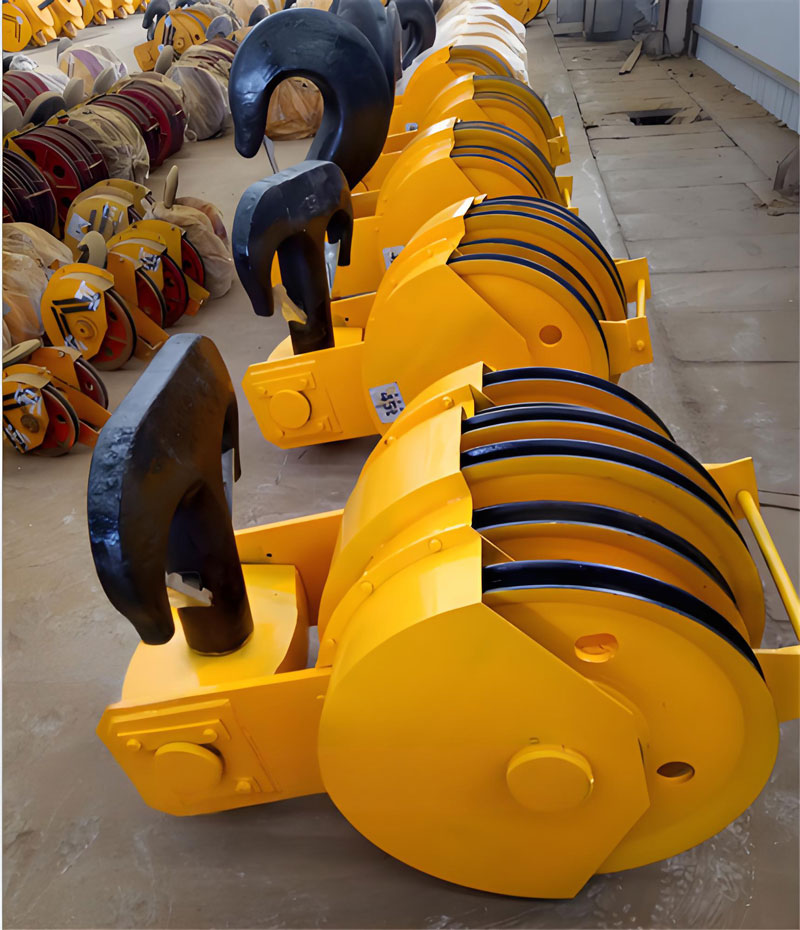
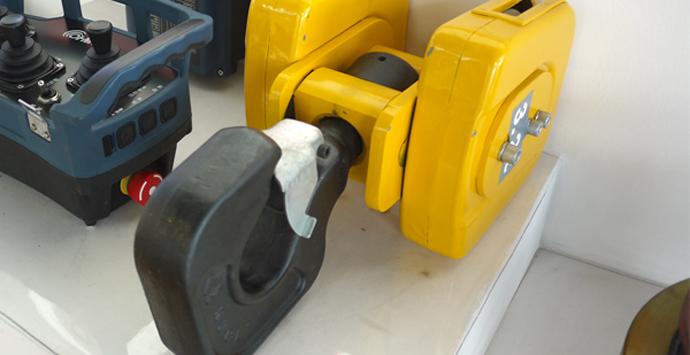
اليوم, ويستمر التطور إلى ما هو أبعد من مجرد الشكل والمادة. أصبح خطاف الرافعة الحديث مركزًا للبيانات المتصلة.
يتم تغذية هذه البيانات مباشرة إلى مشغل الرافعة ومديري الموقع, تمكين مستويات غير مسبوقة من السلامة, دقة, والصيانة الوقائية. الخطاف لم يعد قطعة معدنية غبية; إنه مكون ذكي لنظام بيئي أكبر للرفع.
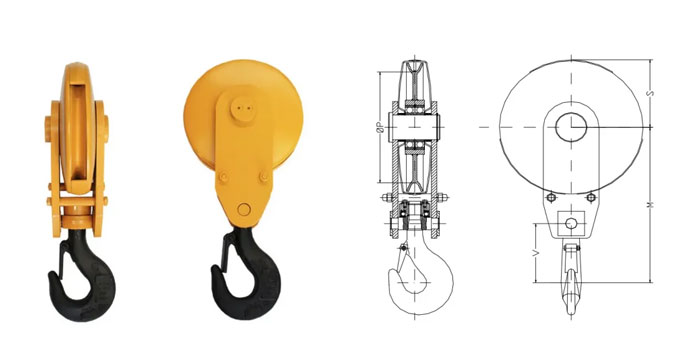
من قطعة حديد منحنية إلى أعجوبة هندسية مليئة بأجهزة الاستشعار, يعكس تاريخ خطاف الرافعة رحلتنا الصناعية. إنها قصة التعلم من الفشل, احتضان مواد جديدة, وتطبيق المبادئ العلمية لحل المشكلات العملية.
في المرة القادمة التي ترى فيها رافعة في الأفق, نتوقف لحظة لتقدير الخطاف. إنه يمثل قرونًا من الابتكار, كلها مخصصة لتحقيق واحد بسيط, هدف حاسم: رفع الأشياء الثقيلة بأمان وكفاءة. تطورها لم ينته بعد, ومستقبلها سوف يتشكل بلا شك من خلال التقدم في المواد المركبة, منظمة العفو الدولية, والأتمتة.
نحن نقدر ملاحظاتك! يرجى إكمال النموذج أدناه حتى نتمكن من تخصيص خدماتنا حسب احتياجاتك المحددة.


أحدث التعليقات