
Navigasie -spyskaart

N portaal hyskraan (ook bekend as 'n hawe portaal jib kraan) is 'n spoorgemonteerde, volsirkel roterende jib-kraan wat uitsluitlik ontwerp is vir hawe- en waterfrontbedrywighede. Dit het 'n prominente portaalbasis (vier-been portaal raam) wat oor oewerspoorspore of vragmotorgange strek, landvervoervoertuie toe te laat om direk onder die hyskraan verby te gaan sonder enige hindernis.
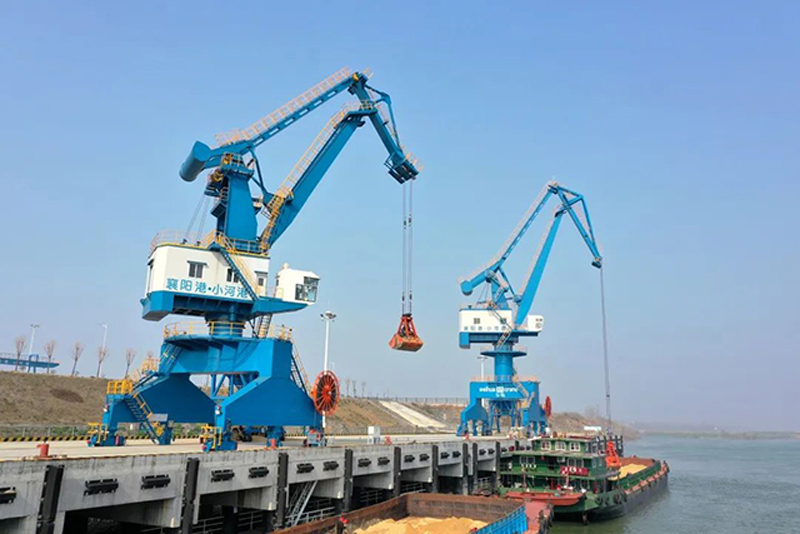
Anders as portaalkrane (wat horisontaal beweeg met 'n reguit balk) en houerportaalkrane, die mees tipiese kenmerk van 'n portaalkraan is sy rotasie-jib-meganisme. Sy boonste hysstruktuur kan draai 360 grade vrylik, wat ooreenstem met die laai- en aflaaibehoeftes van aangemeerde skepe. Dit word hoofsaaklik gebruik vir die opheffing van grootmaat vrag, algemene kruideniersware, en klein houers tussen skepe en kusterminale, en is die mees klassieke en algemeen gebruikte hyskraan in binnelandse en kushawens.
Die volledige struktuur van 'n portaalkraan is verdeel in 'n onderste portaalbewegingsmeganisme en 'n boonste roterende hefmeganisme. Elke kernkomponent onderneem onafhanklike en samewerkende werk om doeltreffende en veilige vraghantering te verseker:
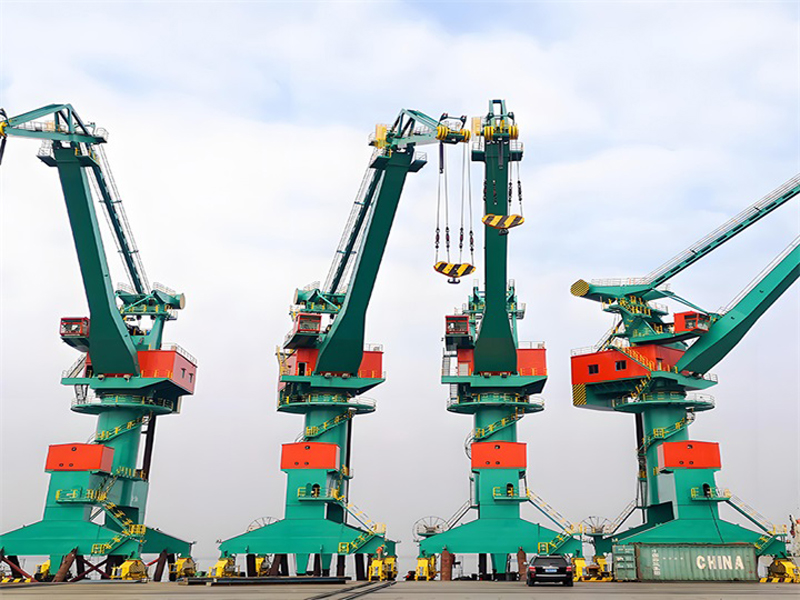
Portaalhyskrane maak staat op drie kernsamewerkende aksies om vrag op en af te laai op die wal te voltooi, met 'n hoogs volwasse en doeltreffende werkvloei. Eerstens, volgens die aanlegposisie van die skip en die verspreiding van vrag, die hyskraan beweeg langs die dokrelings om die optimale werkposisie te sluit. Tweedens, die boonste platform draai en die jib loef om die werksradius aan te pas, rig die optelhaak op die teikenvrag op die skip.
Uiteindelik, die hysstelsel lig die vrag stabiel op, en die roterende en lugstrukture werk saam om die vrag van die skeepsdek na die walvervoervoertuig oor te dra, of volledige omgekeerde laaiwerk. Die kombinasie van stap, rotasie, waai en oplig stel die portaalkraan in staat om waaiervormige en reghoekige werkareas langs die werf te bedek, perfek aanpas by die onreëlmatige vragverspreiding van aangedoke skepe.
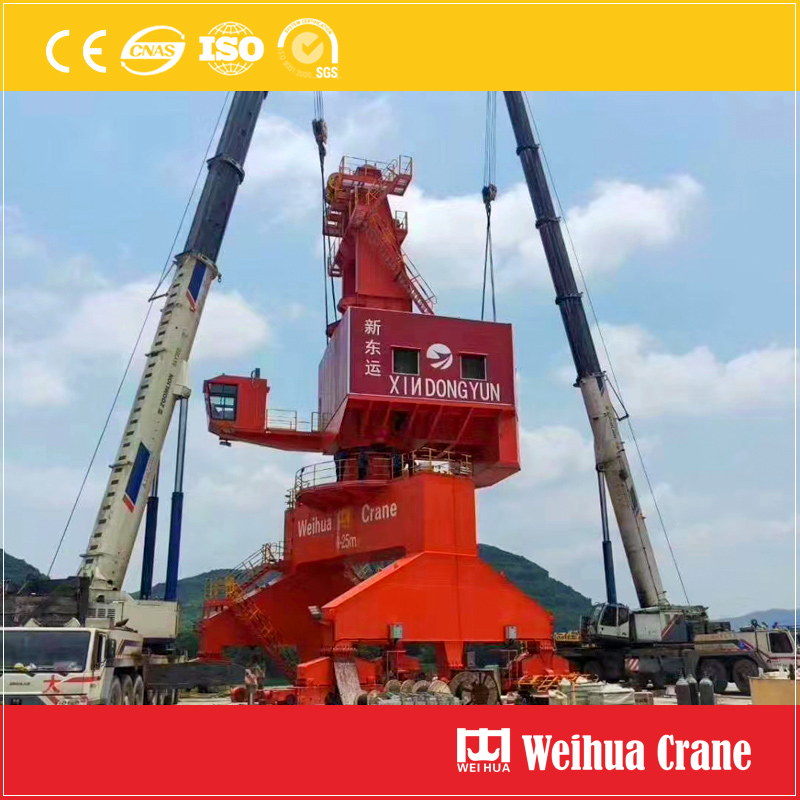
Portaalhyskrane word hoofsaaklik geklassifiseer volgens strukturele vorm en werkverrigting, en die hoofstroomtipes in die mark is soos volg:
1. Vaste portaalkrane
Hierdie tipe hyskraan is sonder 'n reisfunksie op die dokfondasie vasgemaak. Dit het 'n eenvoudige struktuur, lae koste en stabiele werkverrigting, en is geskik vir klein vaste terminale, enkele vrag ligplekke en binnelandse rivier vlakwater dokke met vaste werk reekse.
2. Mobiele spoorgemonteerde portaalkrane
Die mees gebruikte standaard portaalkraan. Dit kan vrylik langs die dokrelings beweeg, met 'n groot verstelbare werkreeks en sterk buigsaamheid. Dit is geskik vir medium en groot hawens met gereelde aanleg van skeeps en uiteenlopende vragtipes, en kan grootmaat vrag hanteer, kruideniersware en ligte houergoedere doeltreffend.
3. Enkel-Jib & Dubbel-jib-portaalkrane
Enkel-jib-portaalkrane is liggewig en buigsaam, geskik vir kleintonnage-vraghantering. Dubbel-jib-modelle het hoër hefdoeltreffendheid en groter vragvermoë, wat alternatiewe werking van dubbelhake kan realiseer, en word meestal gebruik vir groot kushawens met hoë vragdeurset.
As spesiale hawe-spesifieke heftoerusting, portaalhyskrane is hoogs geteiken in toepassingscenario's, fokus op die hantering van skeeps-kus aan die waterkant:
V1: Wat is die grootste verskil tussen 'n portaalkraan en 'n portaalkraan?
A1: Dit is die mees verwarrende punt vir die meeste mense. Portaalhyskrane is roterende krukkrane vir hawe-skeep-kus-hantering, met 360°-draai- en loeffunksies, spesiaal vir dokskeepvrag. Portaalkrane is reguit-balk lineêre bewegende hyskrane, hoofsaaklik gebruik vir fabriek werkswinkels, werfstapeling en binnelandse vraghantering, sonder groot-reeks rotasie funksie. Hulle werksbeginsels, strukture en toepassingscenario's is heeltemal anders.
V2: Wat is die gewone heftonnemaat van 'n portaalkraan?
A2: Konvensionele portaalhyskrane vir algemene hawegebruik het 'n hysvermoë van 5 ton aan 50 ton, wat aan die hanteringsbehoeftes van die meeste grootmaatvrag en kruideniersware voldoen. Pasgemaakte groottonnagemodelle vir swaar hawebedrywighede kan 80–100 ton bereik, gebruik vir super-swaar toerusting en groot staal komponent hantering.
V3: Kan portaalkrane binnenshuis gebruik word?
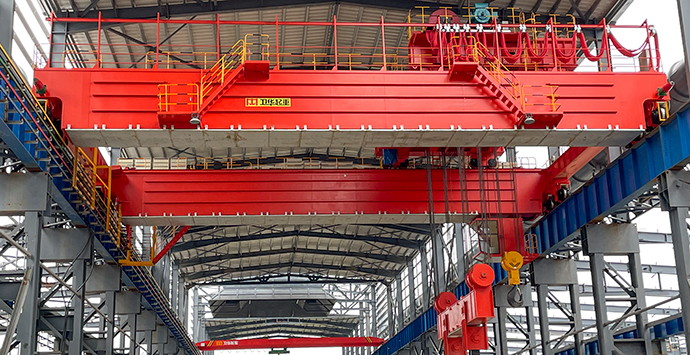
A3: Selde. Portaalhyskrane is grootskaalse buitelug professionele hawetoerusting met hoë romp, groot roterende werkreeks en windbestande en korrosiebestande strukturele ontwerp, wat heeltemal aangepas is vir ooplugdok-omgewings. Binnenshuise werkswinkels gebruik meestal oorhoofse hyskrane en klein portaalhyskrane in plaas van portaalhyskrane.
V4: Wat is die belangrikste werksbeperkings van portaalkrane?
A4: Portaalhyskrane is slegs geskik vir waterfront-skeepsmeer-scenario's en kan nie vir binnelandse grootarea-werfstapeling gebruik word nie. Daarby, hulle moet ophou werk in uiterste weer soos sterk wind bo vlak 6, swaar reën en tifone om toerusting kantel en vrag val ongelukke te voorkom.
V5: Hoe om 'n portaalkraan gereeld in stand te hou?
A5: Daaglikse instandhouding sluit in die nagaan van die digtheid van staaldrade, die buigsaamheid van rotasie- en blaasmeganismes, en die sensitiwiteit van veiligheidsbeperkingstoestelle. Gereelde anti-roesbehandeling is nodig vir die staalstruktuur om seewatererosie te weerstaan. Professionele algehele inspeksie en smering van transmissieonderdele moet elke keer uitgevoer word 6 maande om stabiele werking te verseker.
V6: Hoekom word portaalkrane steeds wyd gebruik ten spyte van houerhyskrane?
A6: Houerhyskrane is slegs geskik vir standaardhouerhantering, terwyl portaalkrane sterker veelsydigheid het. Hulle kan grootmaat vrag hanteer, kruideniersware, staal en spesiale vormgoedere waarby hyskrane nie kan aanpas nie, en is die noodsaaklike kerntoerusting vir gemengde vraghawens en binnelandse rivierterminale.
As 'n professionele en klassieke hawe masjinerie, portaalhyskrane beklee 'n onvervangbare posisie in vraghantering aan die waterkant. Sy unieke roterende stootstruktuur en skip-kus-bypassende werkmodus maak dit die voorkeurtoerusting vir grootmaat- en algemene vragvervoer in verskeie hawens regoor die wêreld. Om die strukturele kenmerke en toepassingscenario's te verstaan, kan ons help om die doeltreffende bedryfslogika van moderne hawelogistieke stelsels beter te herken.
Ons waardeer u terugvoer! Vul die onderstaande vorm in sodat ons ons dienste by u spesifieke behoeftes kan aanpas.


Nuutste kommentaar