
Navigasie -spyskaart

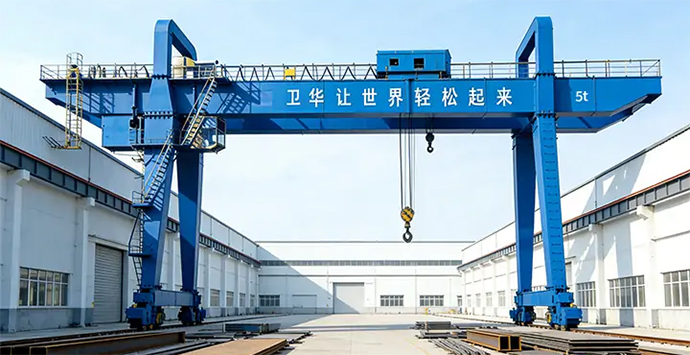
If you work in industries that involve heavy lifting, materiaal hantering, or outdoor operations, you’ve likely seen a gantry crane in action. But what is a gantry crane used for, exactly? Unlike overhead cranes that rely on fixed building structures, gantry cranes feature a door-shaped frame (called a gantry) supported by legs, making them versatile for both indoor and outdoor use. From ports and construction sites to manufacturing plants and mining operations, gantry cranes are the workhorses of heavy-duty industries—streamlining processes, veiligheid te verbeter, and boosting efficiency. In this comprehensive guide, we’ll break down the key uses of gantry cranes, the industries that depend on them, and why they’re an indispensable tool for modern operations.
Eerstens, kom ons verduidelik die basiese beginsels: a gantry crane (also known as a portal crane) is a type of lifting equipment consisting of a horizontal beam (balk) supported by two or more vertical legs, which typically run on rails or wheels on the ground. Anders as oorhoofse hyskrane, which are mounted to the ceiling or walls of a building, gantry cranes are free-standing, allowing them to operate in open spaces like yards, hawens, en konstruksieterreine. They come in various sizes—from small shop cranes used for light lifting to massive ship-to-shore cranes capable of handling thousands of tons—and can be customized with attachments like grabs, verspreiders, or electromagnets to suit specific tasks.
In sy kern, a gantry crane’s purpose is to lift, beweeg, and position heavy loads with precision. Its design offers several advantages: a wide span to cover large work areas, high lifting heights, and mobility to adapt to different job sites. Whether you’re moving containers, staal balke, of grootmaat materiaal, a gantry crane is engineered to handle the toughest lifting challenges efficiently and safely.
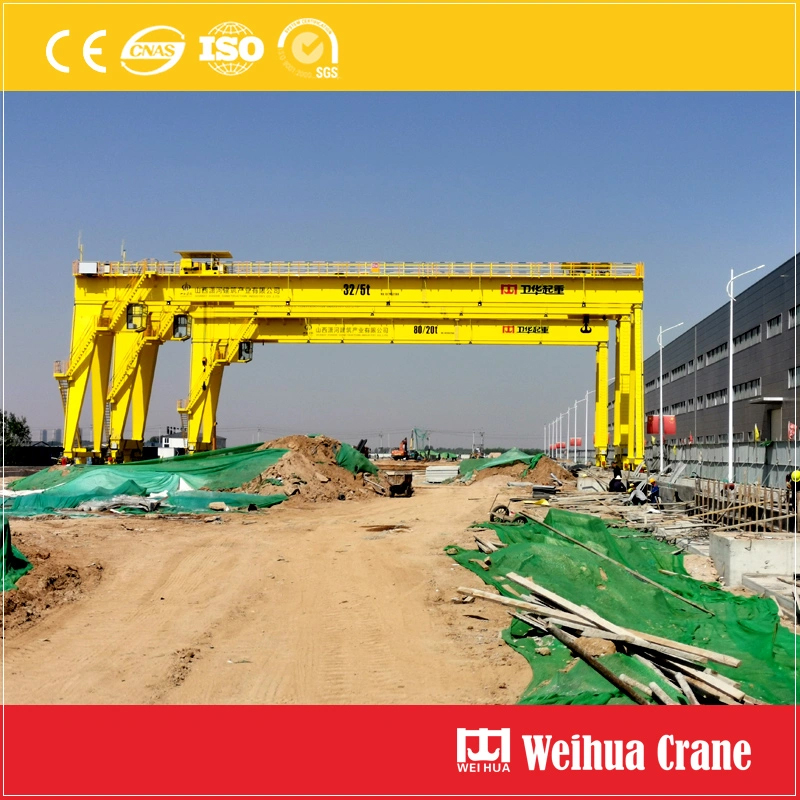
Gantry cranes are not one-size-fits-all—their uses vary depending on the industry, laai kapasiteit, and specific operational needs. Below are the most common applications, organized by industry, to help you understand exactly what a gantry crane is used for in real-world scenarios.
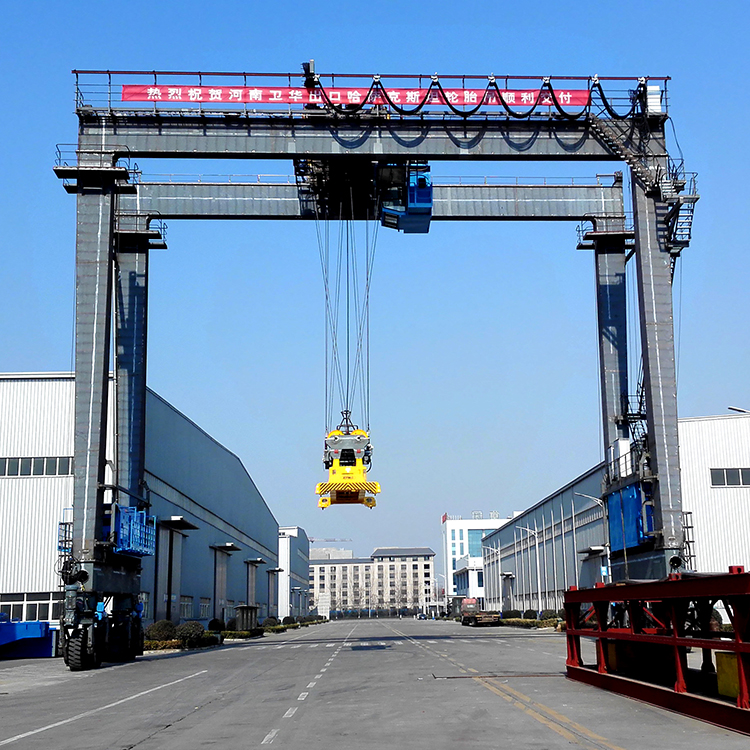
Ports and container terminals are the most iconic users of gantry cranes. Hier, Gantry -hyskrane (specifically ship-to-shore and rubber-tyred gantry cranes) are essential for loading and unloading containers from cargo ships and stacking them in yards. With their large spans (tot 60 meters for container gantry cranes) and high lifting capacities, they can easily cover multiple container positions, moving loads quickly to connect water and land transportation efficiently.
In addition to containers, port gantry cranes are used for handling bulk cargo like coal, erts, and grain. Equipped with grab buckets, they can grasp, lig, and stack bulk materials in docks or yards, meeting the diverse loading and unloading needs of global shipping networks. Without gantry cranes, ports would struggle to keep up with the volume of goods moving across borders—making them a critical component of international trade.
In the construction industry, gantry cranes are a staple for large-scale projects like bridges, tunnels, skyscrapers, and viaducts. Their ability to lift heavy construction materials—such as precast concrete segments, staal balke, and machinery—with precision makes them indispensable for site operations. Byvoorbeeld, in tunnel construction, gantry cranes are used to lift and remove waste materials from deep within the tunnel, keeping the worksite organized and facilitating smooth excavation.
Mobile gantry cranes are particularly useful in construction, as they can be moved around the job site without fixed rails, adapting to changing needs. Whether installing bridge segments, hoisting large HVAC units, or moving construction equipment, gantry cranes reduce manual labor, speed up project timelines, and improve safety by minimizing the risk of heavy load accidents.
Manufacturing facilities—especially those producing automobiles, Swaar masjinerie, staal, or electronics—rely heavily on gantry cranes for internal material handling. In automotive factories (like Tesla plants), gantry cranes move engines, liggaam rame, and heavy components along assembly lines, ensuring smooth production flow. In steel manufacturing plants, they handle large steel coils, balke, and fabricated parts, transferring them between production lines or loading them onto trucks for shipment.
Even in precision industries like electronics, gantry cranes are used to handle delicate equipment—such as wafer-handling robots in semiconductor factories—with the utmost care. Their customizable design allows them to operate in tight spaces, making them ideal for indoor manufacturing environments where overhead cranes may not be feasible.
Mining and open-pit operations require heavy-duty equipment to handle large volumes of ore, steenkool, en ander materiaal. Gantry cranes are used here to load and unload mining equipment, transport bulk materials from the mine to storage areas, and assist in the assembly of large mining machinery. Their robust construction allows them to withstand harsh outdoor conditions—including dust, uiterste temperature, and heavy rain—making them reliable for 24/7 operasies.
Equipped with specialized attachments like electromagnets or grabs, gantry cranes can efficiently handle loose materials, reducing the need for manual labor and improving productivity. In open-pit mines, their large span and mobility make them ideal for covering wide work areas, ensuring that materials are moved quickly and safely.
Shipyards depend on gantry cranes for assembling large ships and offshore structures. Shipbuilding gantry cranes are among the largest types, with lifting capacities of 100 na 1500 tons and spans up to 185 meter. They are used to lift and position heavy ship sections, hull components, en enjins, ensuring precise alignment during assembly.
These cranes are designed to operate in outdoor shipyards, withstanding saltwater corrosion and harsh weather conditions. Their ability to handle extremely heavy loads and cover large areas makes them irreplaceable in the shipbuilding industry—without them, constructing large vessels like cargo ships, cruise ships, and offshore platforms would be nearly impossible.
Railway freight yards use gantry cranes to load and unload goods from railway wagons, including large machinery, staal, hout, and containers. Gantry cranes can move along the direction of railway tracks, making it easy to access wagons parked in different positions. They also facilitate cargo storage and transfer within the yard, lifting goods to designated storage areas or transferring them to other railway lines to ensure efficient circulation.
Beyond these major industries, gantry cranes have a range of other applications, insluitend:
Now that you know what a gantry crane is used for, it’s important to understand why it’s the preferred lifting solution for so many industries. Here are the top benefits:
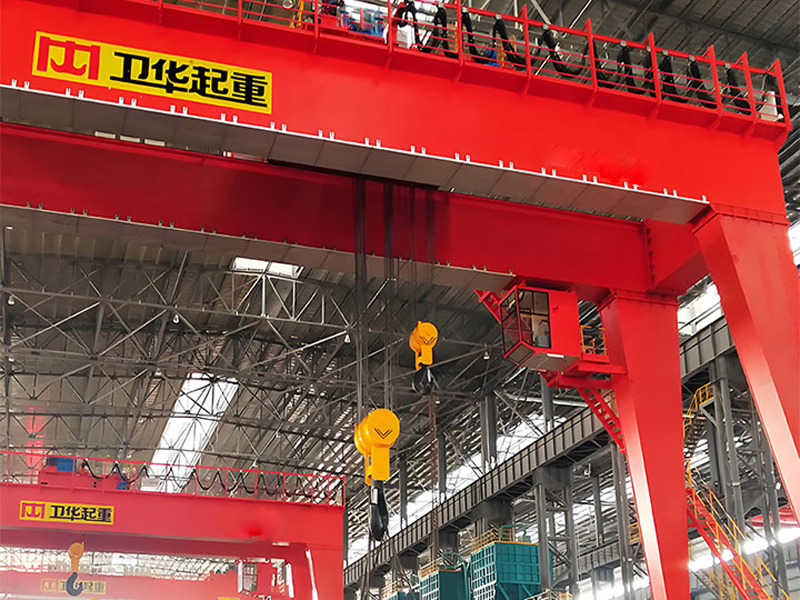
Dubbelbalk-portaalkraan
To get the most out of a gantry crane, it’s essential to choose the right type for your industry and application. Algemene tipes sluit in:
Kortom, a gantry crane is used to lift, beweeg, and position heavy loads across a wide range of industries—from ports and construction to manufacturing and mining. Its free-standing design, veelsydigheid, and efficiency make it an indispensable tool for modern operations, helping businesses save time, arbeidskoste te verminder, en veiligheid te verbeter. Whether you’re handling containers, staal balke, of grootmaat materiaal, a gantry crane can be customized to meet your specific needs, ensuring that your heavy lifting tasks are completed smoothly and reliably.
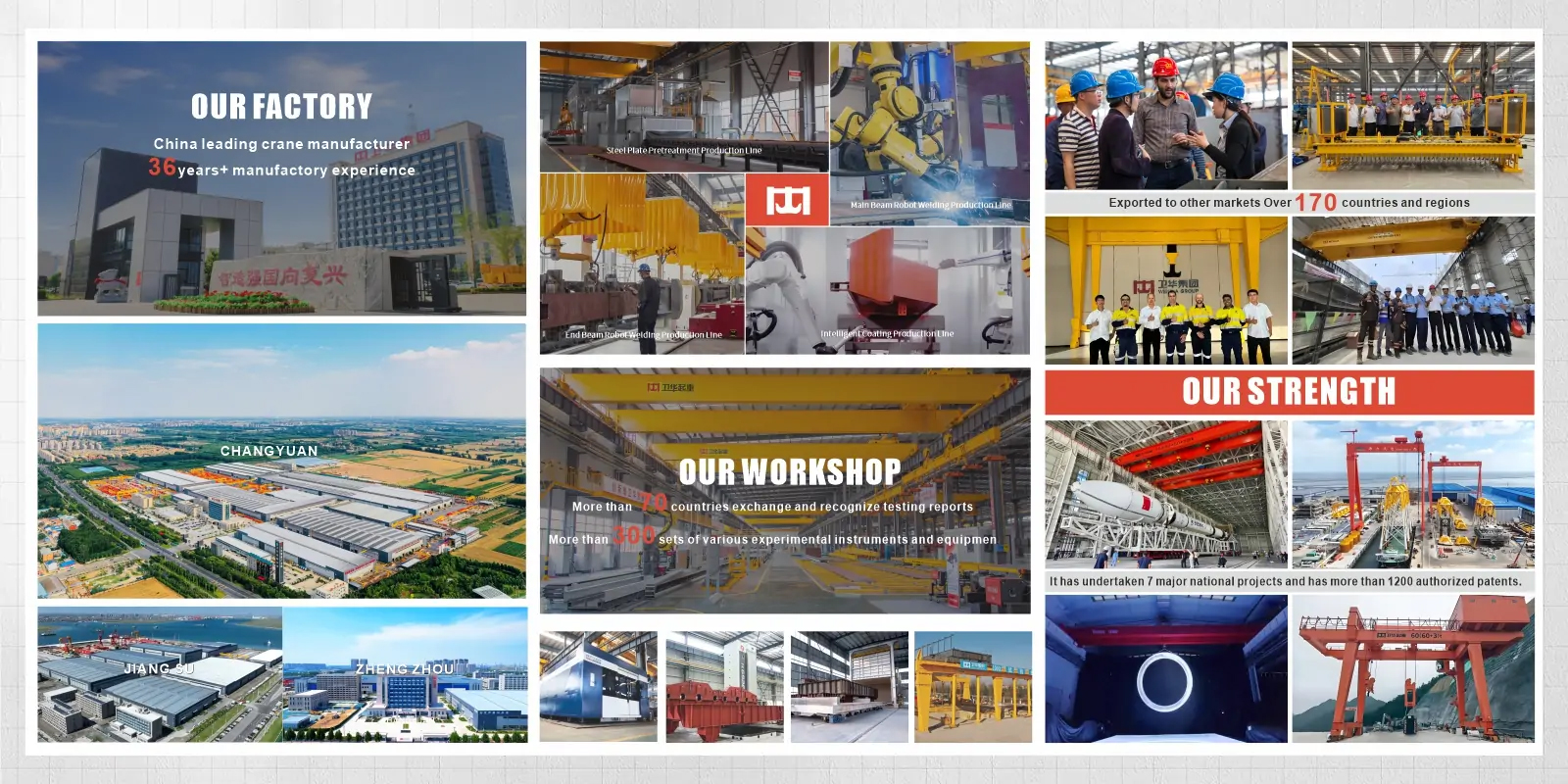
If you’re looking for a gantry crane solution tailored to your industry, it’s important to work with a trusted manufacturer that offers high-quality, customizable equipment. With the right gantry crane, you can streamline your operations, verhoog produktiwiteit, and take on even the toughest lifting challenges with confidence.
Ons waardeer u terugvoer! Vul die onderstaande vorm in sodat ons ons dienste by u spesifieke behoeftes kan aanpas.


Nuutste kommentaar