什么是门式起重机, 以及为什么 OSHA 对其进行监管?
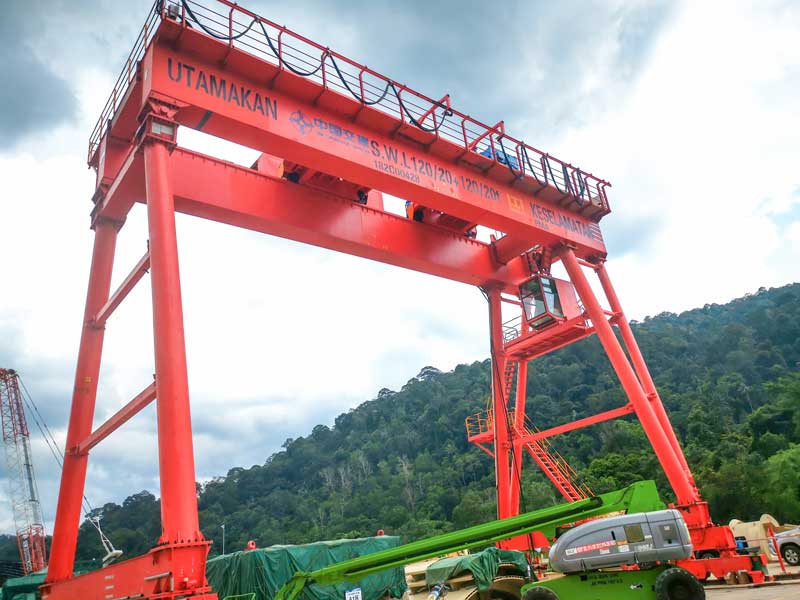
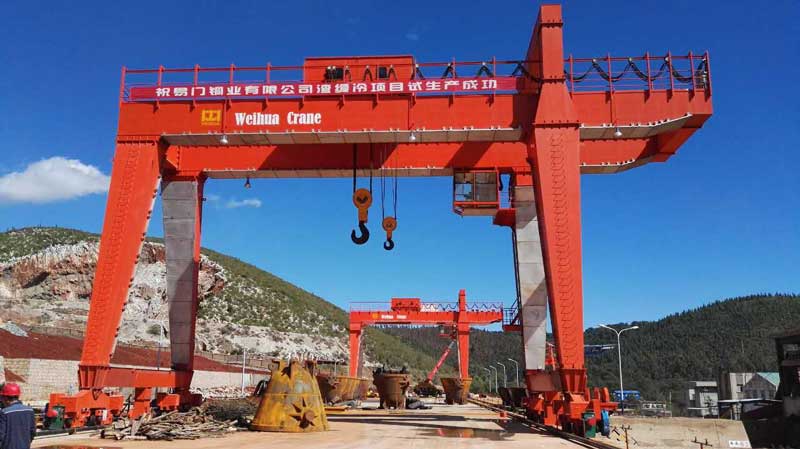
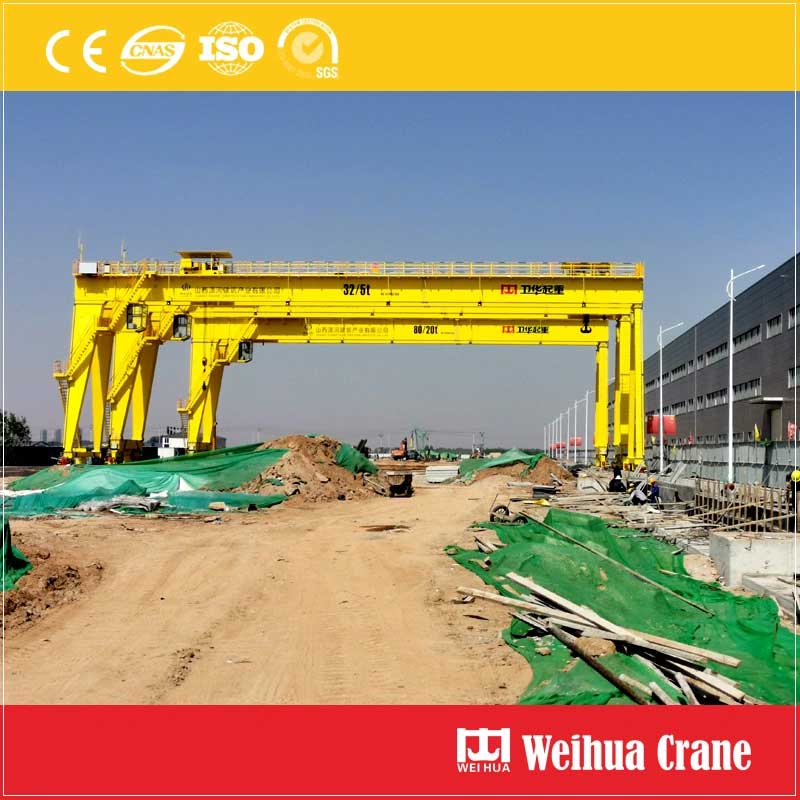
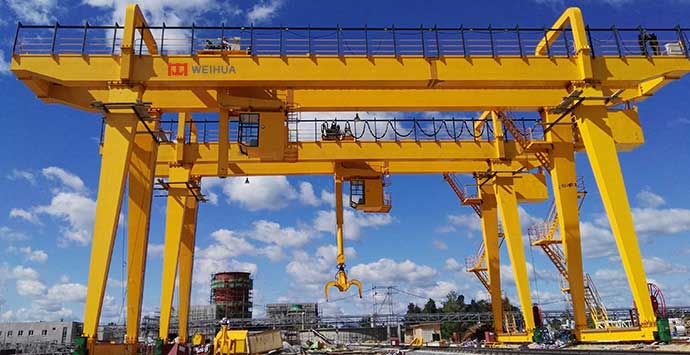
OSHA 定义了龙门起重机 (also called a portal crane) as a lifting machine similar to an overhead crane, but with a bridge rigidly supported by two or more legs that run on rails or a fixed runway. 与桥式起重机不同, which are mounted to the ceiling, gantry cranes stand on the floor—making them ideal for outdoor yards, shipping docks, and large open spaces.
OSHA sets unified safety standards for all gantry crane operations covering general industry, 建造, and maritime work scenarios. The core purpose of these regulations is straightforward: eliminate common onsite hazards including equipment overloading, mechanical malfunctions, electrical hazards, and falling accidents caused by improper crane operation.
1. Operator Qualification: Only Trained, Authorized Personnel Can Operate
One of OSHA’s most strictly enforced rules is operator certification. You can’t let just anyone run a gantry crane—period. Only designated, 训练有素, and authorized employees are permitted to operate these industrial cranes. Here’s what that means for your team:

- ◆ Formal Training: Operators must complete comprehensive hands-on and classroom training covering crane control skills, load weight calculation, built-in safety device functions, emergency response protocols, and daily hazard identification.
- ◆ Written & Practical Exams: Qualification requires passing both a written knowledge test to master safety rules and a practical operation exam to prove competent, safe crane handling skills.
- ◆ Refresher Training: Annual refresher training is mandatory for all certified operators. Additional retraining and re-certification are required if an operator is involved in a safety incident, or when new crane equipment is installed or existing machines are modified.
- ◆ No Unauthorized Use: Untrained staff, temporary workers, visitors, or any unauthorized personnel are prohibited from operating gantry cranes or participating in lifting assistance work without formal approval and training.
2. Pre-Use Inspections: Daily Checks to Prevent Catastrophe
OSHA mandates thorough daily pre-use inspections for all gantry cranes, conducted before every work shift or the first daily operation. These routine checks catch minor wear and hidden faults early, preventing sudden equipment failure and severe accidents. Operators must complete full inspections covering the following key areas:
- ◆ Load Components: Examine wire ropes for fraying, 纠结, 腐蚀, 断股, or abnormal wear. Inspect crane hooks for cracks, bending deformation, or faulty safety latches, and check load blocks for loose parts or structural damage.
- ◆ 安全装置: Verify all limit switches for hoist, 手推车, and bridge movement work normally. Test holding and dynamic brakes, 紧急停止按钮, and audible warning alarms to ensure full functionality before use.
- ◆ Structural Integrity: Check gantry legs, main bridge, and runway rails for cracks, 弯曲, loose or missing bolts, and signs of structural fatigue or deformation.
- ◆ Electrical Systems: Inspect power cables, pendant control switches, and all power connections. No exposed wiring, 磨损的电缆, or loose electrical joints are allowed to avoid electric shock and short circuit risks.
- ◆ Work Area: Clear the crane operating zone of debris, liquid spills, trip hazards, and all unauthorized personnel to ensure a safe lifting and moving environment.
Critical Note: If any defective part, functional fault, or potential hazard is found during inspection, the crane must be tagged out of service immediately. It cannot be put back into use until professional technicians complete full repairs and confirm safe operating conditions.

3. 负载容量 & 标记: Never Exceed Rated Load
Overloading is the leading cause of gantry crane collapse and lifting accidents, and OSHA maintains a zero-tolerance policy for this unsafe behavior. Every gantry crane must feature clear, legible, and permanent rated load markings in visible positions for operators and onsite supervisors.
Standard marking positions include both sides of the crane bridge, the operator control area, and each independent hoist unit for multi-hoist cranes. All markings must be clearly visible from ground level and accurately display the maximum safe lifting load under standard working conditions. Key OSHA load compliance rules include:
- ◆ Strict No Overloading Rule: Under no circumstances should operators lift loads exceeding the crane’s rated capacity, even for short-distance movement or temporary operation.
- ◆ Mandatory Load Testing: All new, 修改的, 修复了, or relocated gantry cranes must complete professional load testing before formal operation. The test verifies equipment stability, braking performance, and safety device effectiveness, with full test records retained for compliance verification.
- ◆ Accurate Load Calculation: Operators must calculate the total weight of the load before lifting, including the weight of slings, 钩子, and all auxiliary attachments. Estimating load weight is strictly prohibited.
4. 安全装置 & Mechanical Requirements: Built-In Protection
OSHA requires all industrial gantry cranes to be equipped with standard safety devices and maintain qualified mechanical conditions. These built-in protections serve as the last line of defense against operational errors and equipment failures, and they must be kept fully functional at all times:

- ◆ Hoist Limit Switches: These devices prevent the hook from over-traveling upward to collide with the trolley or dropping too far to cause rope disengagement. Operators need to test switch sensitivity regularly to ensure timely activation.
- ◆ Reliable Braking System: Holding brakes must firmly secure full-rated loads without slipping. Power braking systems must control load lowering speed steadily and safely under all normal operating conditions.
- ◆ 紧急停止按钮: Accessible emergency stop controls must be installed on both fixed control cabins and handheld pendants, able to cut off all power instantly in case of emergencies.
- ◆ 报警系统: Functional audible or visual warning alarms must activate automatically during crane movement to alert nearby workers of moving equipment and avoid collision injuries.
- ◆ Safe Access Facilities: Cab-operated gantry cranes require anti-slip walkways, handrails, and toe boards to prevent falls during equipment inspection and maintenance.
- ◆ Electrical Safety Protection: All live electrical parts must be fully enclosed and guarded to prevent contact risks. Control circuit voltages are standardized to avoid electric shock hazards for operators.
5. Operating Rules: Safe Practices for Every Lift
Complete equipment compliance cannot eliminate risks without standardized operating behaviors. OSHA enforces strict daily operating rules to regulate all lifting operations, eliminating human error-induced accidents:
- ◆ Isolate Operating Zones: Before lifting or moving any load, confirm no personnel stand under the load or within the crane’s moving path. Set up temporary barricades if the working area is open and crowded.
- ◆ Smooth Operation: 避免突然启动, 紧急停止, or sharp direction changes during operation, which cause severe load sway and easily lead to load dropping or collisions.
- ◆ Prohibit Personnel Lifting: Gantry cranes cannot be used to lift or transport workers, except with specially designed, safety-certified personnel lifting platforms approved for dedicated use.
- ◆ Adverse Weather Suspension: Outdoor gantry cranes must stop operation in strong winds, 大雨, 雪, 多雾路段, or any conditions that reduce visibility and affect operational stability.
- ◆ Standardized Communication: Operators and ground signal workers must use unified standard hand signals or two-way radio communication to avoid miscommunication, one of the most common causes of lifting accidents.
- ◆ No Unauthorized Modification: On-site staff cannot modify crane structures, adjust load limits, or alter control systems without professional engineering evaluation and formal safety approval.
6. 维护 & 记录保存: 记录一切
Regular maintenance and complete recordkeeping are core parts of OSHA gantry crane compliance, not just trivial paperwork. These records track equipment health, standardize maintenance cycles, and provide valid proof of compliance during official inspections.
- ◆ Periodic Professional Maintenance: Beyond daily pre-use checks, qualified technicians must conduct in-depth monthly, 季刊, and annual inspections covering mechanical operation, electrical system stability, and structural safety.
- ◆ Full Repair Records: All equipment faults, parts replacements, 维修, and technical modifications must be fully documented with clear records of operation dates, processing content, and responsible technicians.
- ◆ Complete Training Files: Retain detailed records of all operator training, assessment results, and regular refresher courses to prove team qualification compliance.
- ◆ Long-Term Data Retention: All inspection checklists, load test reports, 维护日志, and incident handling records need to be preserved long-term for safety review and compliance verification.
Why Compliance Matters: 罚款, 安全, & 生产率
OSHA imposes severe penalties for gantry crane safety violations. Non-compliant behaviors can result in substantial fines, especially for serious, repeated, or willful violations of safety standards. Beyond economic penalties, non-compliant operation directly endangers the lives and physical safety of onsite workers, easily leading to irreversible workplace accidents and corporate safety liabilities.
相比之下, strict OSHA compliance brings long-term benefits for enterprises. Standardized maintenance reduces crane failure rates and avoids production downtime caused by equipment faults. Professional operator training improves lifting efficiency, standardized operating procedures reduce accident risks, and a safe working environment ensures stable and continuous project progress.
最后的想法: OSHA Compliance Is a Team Effort
OSHA’s gantry crane requirements are not a rigid checklist to complete perfunctorily, but a systematic safety guideline to protect workplace operations. Crane operators abide by standardized operating rules, site supervisors enforce daily safety management, and enterprise managers provide sufficient training and safety support resources.
Implementing these core OSHA requirements helps every workplace establish a standardized gantry crane safety management system, eliminate hidden operational hazards, avoid costly penalties and accidents, and ensure long-term safe and efficient operation of lifting equipment. In industrial lifting work, safety is always the primary rule and legal obligation for every enterprise and employee.
最新评论